

Saturday, February 27, 2016
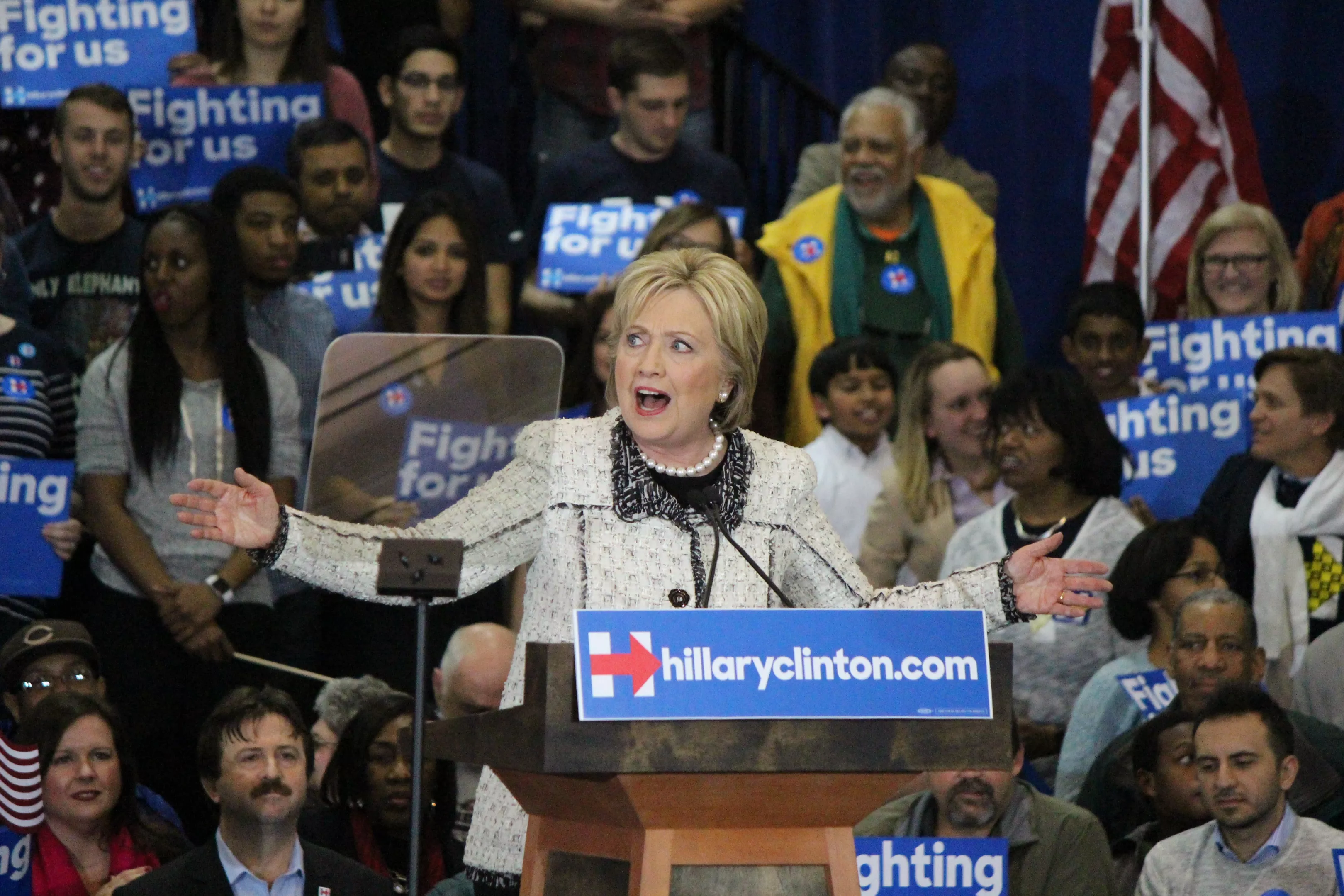
As she celebrated a jaw-dropping victory Saturday night in South Carolina, Democratic presidential candidate Hillary Clinton turned her gaze to the general election.
“Tomorrow, this campaign goes national,” she told a roaring crowd of supporters in Columbia at the University of South Carolina's Carolina Volleyball Center.
With nearly every precinct reporting, Clinton was leading Sen. Bernie Sanders (I-Vt.) late Saturday 74 percent to 26 percent. The 48-point margin was more than twice what many observers had predicted. Clinton was on track to take 39 delegates to Sanders’ 14.
Even more jarring to the Sanders campaign than the size of his loss was his drubbing among African Americans, who made up 62 percent of the electorate. According to exit polls, black voters split 87 percent to 13 percent in Clinton’s favor.
Clinton’s strong showing came just three days before the biggest prize yet of the primary season: Super Tuesday, when 11 states weigh in on the Democratic presidential nomination. Sanders is hoping to score victories in a handful of those states — Massachusetts, Minnesota, Colorado, Oklahoma and his home state of Vermont — but Clinton’s renewed momentum could make that difficult.
Tags: Senator , Hillary Clinton , Bernie Sanders , presidential campaign , Image , Recommended Reading , Web Only
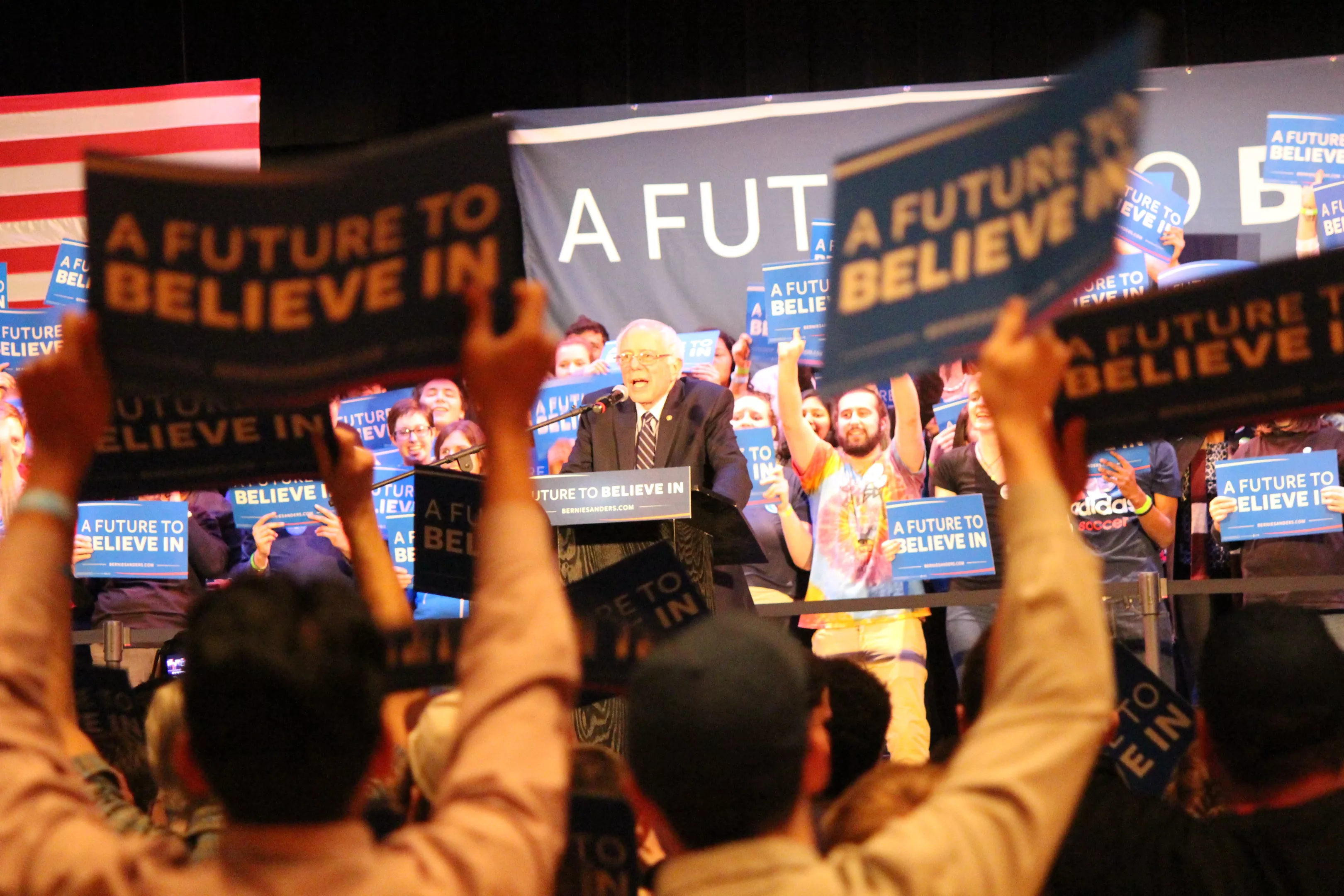
Sanders' early exit appeared to be part of a weeklong effort by his campaign to lower expectations in South Carolina, where he's expected to lose to Democratic rival Hillary Clinton by a wide margin. Sanders touched down in the state just three times in the past week, spending much of the rest of it in states that vote early next month, such as Massachusetts, Oklahoma, Michigan and Ohio.
Clinton, meanwhile, spent most of the week campaigning in the Palmetto State and was expected to speak Saturday night at the University of South Carolina in Columbia.
"It doesn't say anything," Sanders campaign manager Jeff Weaver said Friday of his boss' early departure. "Obama used to do that, too. You'd roll ahead to the next contest. The problem is, you've got so many states coming up on Tuesday, right? It's only four days away, so it's difficult to stay."
Tags: Senator , Bernie Sanders , presidential campaign , South Carolina , Killer Mike , Recommended Reading , Image , Web Only
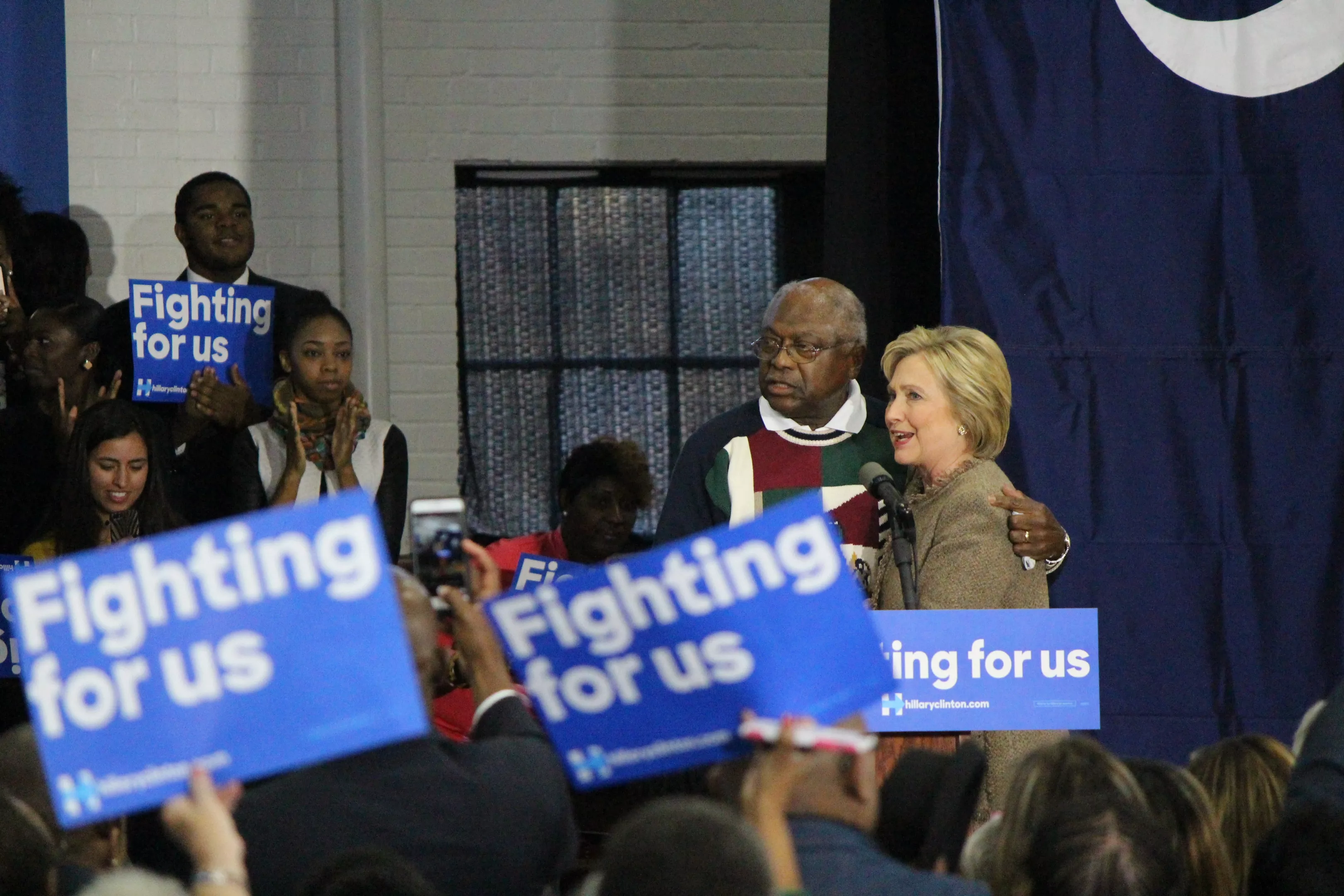
The two held competing rallies Friday afternoon at neighboring schools — South Carolina State University and Claflin University — less than a quarter of a mile apart. Then both candidates dropped by an oyster roast and fish fry hosted by a local politician at the county fairgrounds — barely missing one another.
The close encounter was a rare moment of drama in a race that, in the past week, has become a bit of a snoozer. Since losing the Nevada caucuses last Saturday, Sanders has all but conceded South Carolina, where he has long trailed Clinton in the polls. He spent much of the week outside the state.
Speaking in Orangeburg, which is three-quarters black, both candidates sought to appeal to the African American voters who will decide Saturday’s election.
Tags: Senator , Bernie Sanders , Hillary Clinton , presidential campaign , Image , Recommended Reading , Web Only
Friday, February 26, 2016
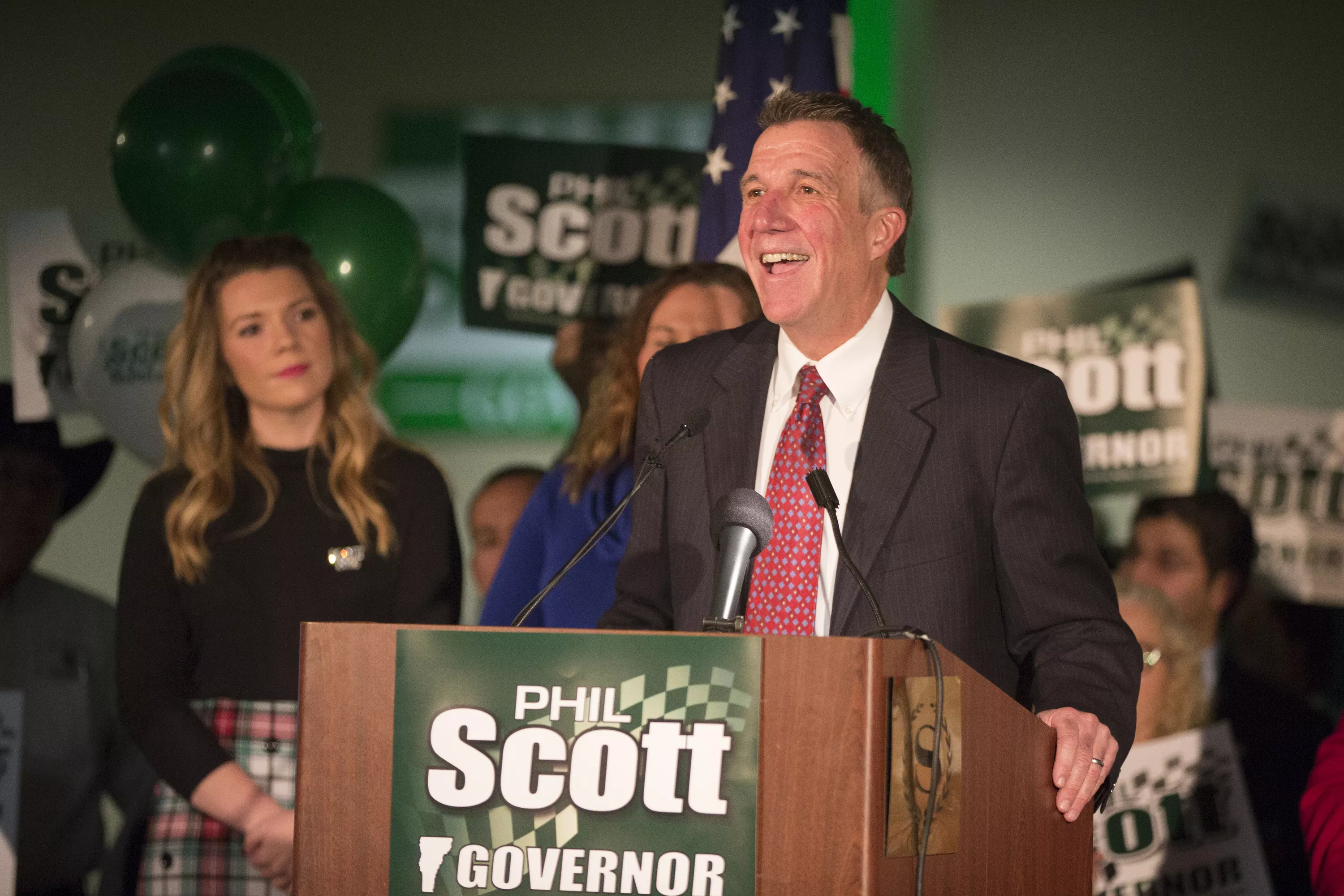
“I’m looking for somebody who can build consensus within the party,” said Scott, a Republican candidate for governor who joins a group of about 30 state legislators backing Rubio. “I think he has treated people and the process with respect… I think he has a calming effect.”
Bruce Lisman, who is competing with Scott for the Republican nomination, has declined to reveal whether he’s decided whom to support for president.
Democrats Sue Minter and Matt Dunne, competing for their party's nomination for the open governor's seat, have both said they are supporting Sen. Bernie Sanders (I-Vt.) for president in the primary.
Tags: Donald Trump , Marco Rubio , Phil Scott , John Kasich , Ted Cruz , Sue Minter , Matt Dunne , Image , Web Only
Thursday, February 25, 2016
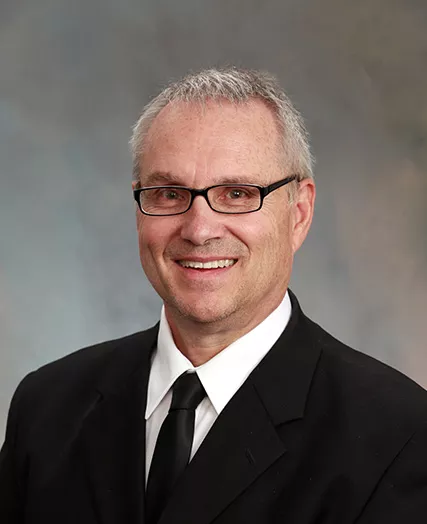
"It was pretty shocking," she says.
Khan wasn't the only recipient. The man behind the ad, American Freedom Party chairman William Daniel Johnson, says his super PAC attempted to reach nearly every consumer landline in Vermont Wednesday night. He says he chose the state, after placing similar calls to Iowa and New Hampshire, because he was curious how such a liberal populace would respond.
Tags: William Daniel Johnson , Donald Trump , white nationalist , robocalls , Vermont , Image , Audio , Web Only
Sunday, February 21, 2016
Six of them couldn't decide whether to support Sen. Bernie Sanders (I-Vt.) or former secretary of state Hillary Clinton.
It took the undecideds 12 minutes to make up their minds. During that time, Sanders and Clinton precinct captains lobbied them individually, answered their questions and delivered brief speeches seeking to persuade them. All the while, reporters swarmed around them and activists on either side of the room chanted their respective candidates' names.
Here's what it looked like:
In the end, the six undecideds split evenly between the two Democratic candidates.
Overall, 196 people at the New York-New York caucus site supported Clinton, while 97 supported Sanders. Clinton earned 23 county-level delegates, while Sanders picked up 11.
Tags: Senator , Nevada caucuses , New York-New York , casino , Bernie Sanders , Hillary Clinton , presidential campaign , campaign trail , Recommended Reading , Image , Video , Web Only
Saturday, February 20, 2016
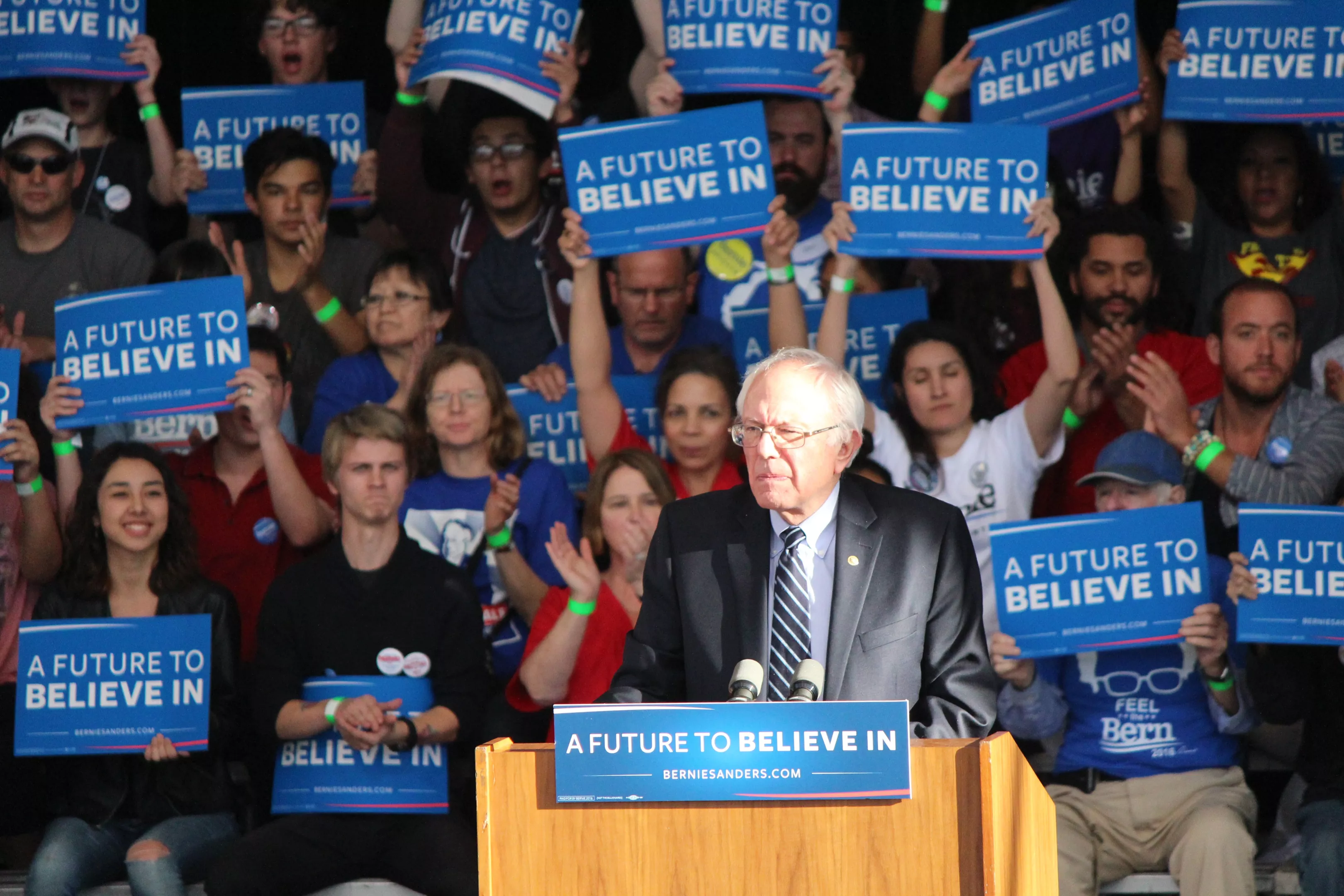
After falling short in the Nevada caucuses, Sen. Bernie Sanders (I-Vt.) vowed Saturday afternoon to fight on to the Democratic National Convention.
"It is clear to me and, I think, most observers that the wind is [at] our backs. We have the momentum," he told supporters at the Henderson Pavilion, 10 miles southeast of the Las Vegas strip. "I believe when Democrats assemble in Philadelphia in July at that convention, we are going to see the results of one of the great political upsets in history."
With 95 percent of precincts counted, Sanders was trailing former secretary of state Hillary Clinton 52.7 to 47.2 percent. Clinton was on track to collect 19 delegates, while Sanders was in line for 15.
In his brief concession speech delivered to a small crowd in an open-air amphitheater, Sanders argued that his strong showing in Nevada proved he could compete with a candidate long seen as the inevitable nominee.
Tags: Senator , Bernie Sanders , Hillary Clinton , Nevada caucuses , Super Tuesday , presidential campaign , campaign trail , Recommended Reading , Image , Web Only
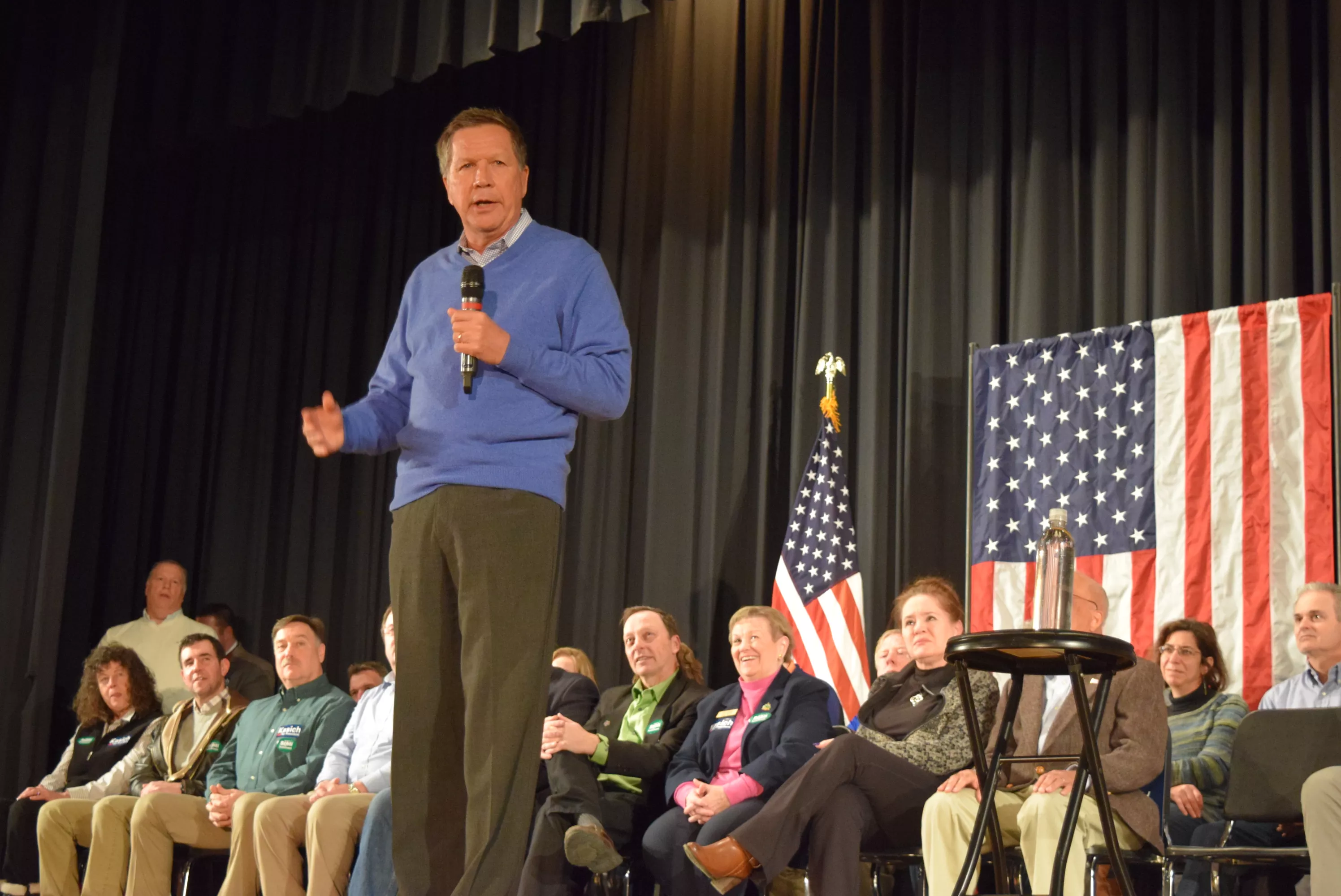
Seward, a military veteran, was among 500 people who, with slightly more than a week to go before Vermont's presidential primary, filled the Colchester High School auditorium to hear from Republican presidential candidate John Kasich.
“I’m impressed,” Seward said afterward of the Ohio governor, though he added, “He’s still a little conservative for me."
Seward stood in the crowd to ask Kasich a question about veterans’ health care, but first he thanked Kasich “for taking the high road.”
That seemed to be the source of Kasich's appeal for many in the larger-than-expected crowd. In contrast to businessman Donald Trump’s January appearance in Burlington, there were no protesters at Kasich’s Saturday town hall-style meeting. The candidate didn't see a need to call on security to throw anybody out into the cold without a coat, as Trump did a month earlier.
“He’s the adult in the room,” Republican Lt. Gov. Phil Scott said of Kasich in introducing the candidate.
Tags: Senator , Bernie Sanders , John Kasich , Donald Trump , Ted Cruz , Phil Scott , Vermont Republicans , presidential campaign , Image , Web Only
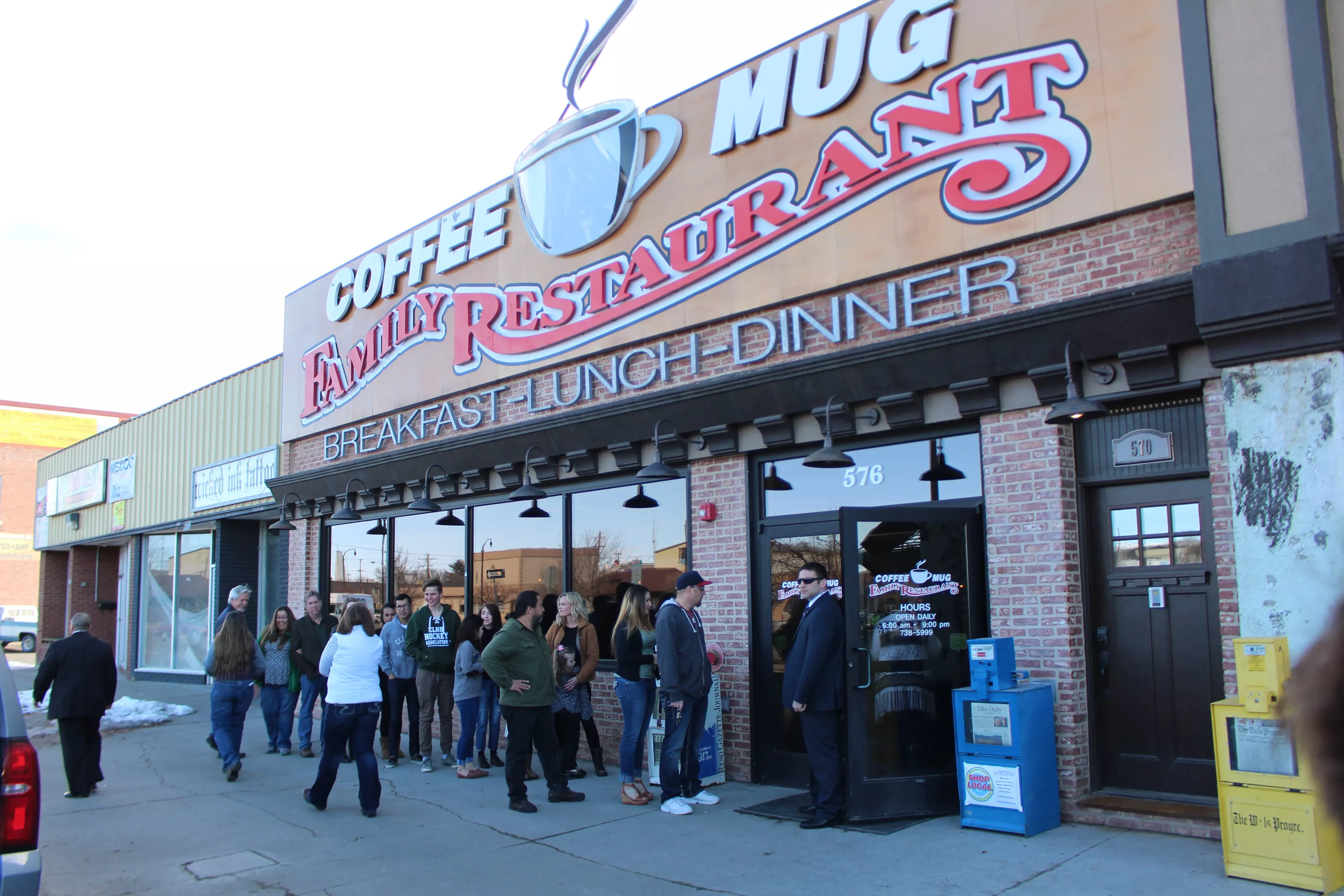
“To be sittin’ here, eating breakfast and seeing the Secret Service and a candidate come in,” he said with a chuckle. “A little bit of a surprise. It’s usually a little quieter.”
The candidate, Sen. Bernie Sanders (I-Vt.), made quite a commotion. As he sat in a rear booth of the Elko, Nev., establishment — accompanied by his wife, stepdaughter and stepdaughter’s husband — a horde of reporters, campaign aides and Secret Service agents overran the restaurant. Outside, Sanders’ motorcade idled by the curb, ready to whisk him off to a chartered Boeing 737 when he was finished with his tea.
Crandall, a mustachioed maintenance foreman at a local gold mine, said he didn’t know much about Sanders “other than kind of TV ads and stuff,” but he said he was happy to see the presidential contender in his city.
“I think it’s a good idea for the candidates to come,” he said, sipping a cup of coffee at the restaurant’s counter. “You know, Elko is one of the bigger cities within the state.”
At 18,297 people, it’s not that big. But because the Nevada Democratic Party awards a disproportionate share of delegates in its presidential caucuses to the state’s rural regions, it’s an important one.
Tags: Senator , Bernie Sanders , Hillary Clinton , Elko , Nevada , caucuses , presidential campaign , campaign trail , Recommended Reading , Image , Web Only
Friday, February 19, 2016
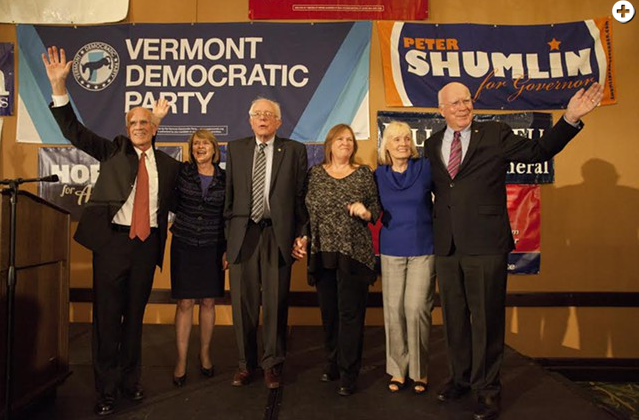
Welch was among the few top Vermont Democratic leaders who had declined to choose between his home-state senator and former secretary of state Hillary Clinton.
Tags: Senator , Bernie Sanders , Peter Welch , Patrick Leahy , Howard Dean , Peter Shumlin , Madeleine Kunin , presidential campaign , campaign trail , Image , Recommended Reading , Web Only