

Friday, March 2, 2018

Debate focused on raising the legal age; the Senate had given preliminary approval to universal background checks on Thursday.
The age-limit proposal came from Senate President Pro Tempore Tim Ashe (D/P-Chittenden) and 15 cosponsors, effectively guaranteeing its passage in the 30-member Senate.
On the Senate floor, Ashe said the goal behind that proposal was to keep young people from impulsively harming themselves or others.
Tags: universal background check , minimum age , guns , firearms , Tim Ashe , Chris Bray , John Rodgers , Joe Benning , Image , Web Only
Thursday, March 1, 2018
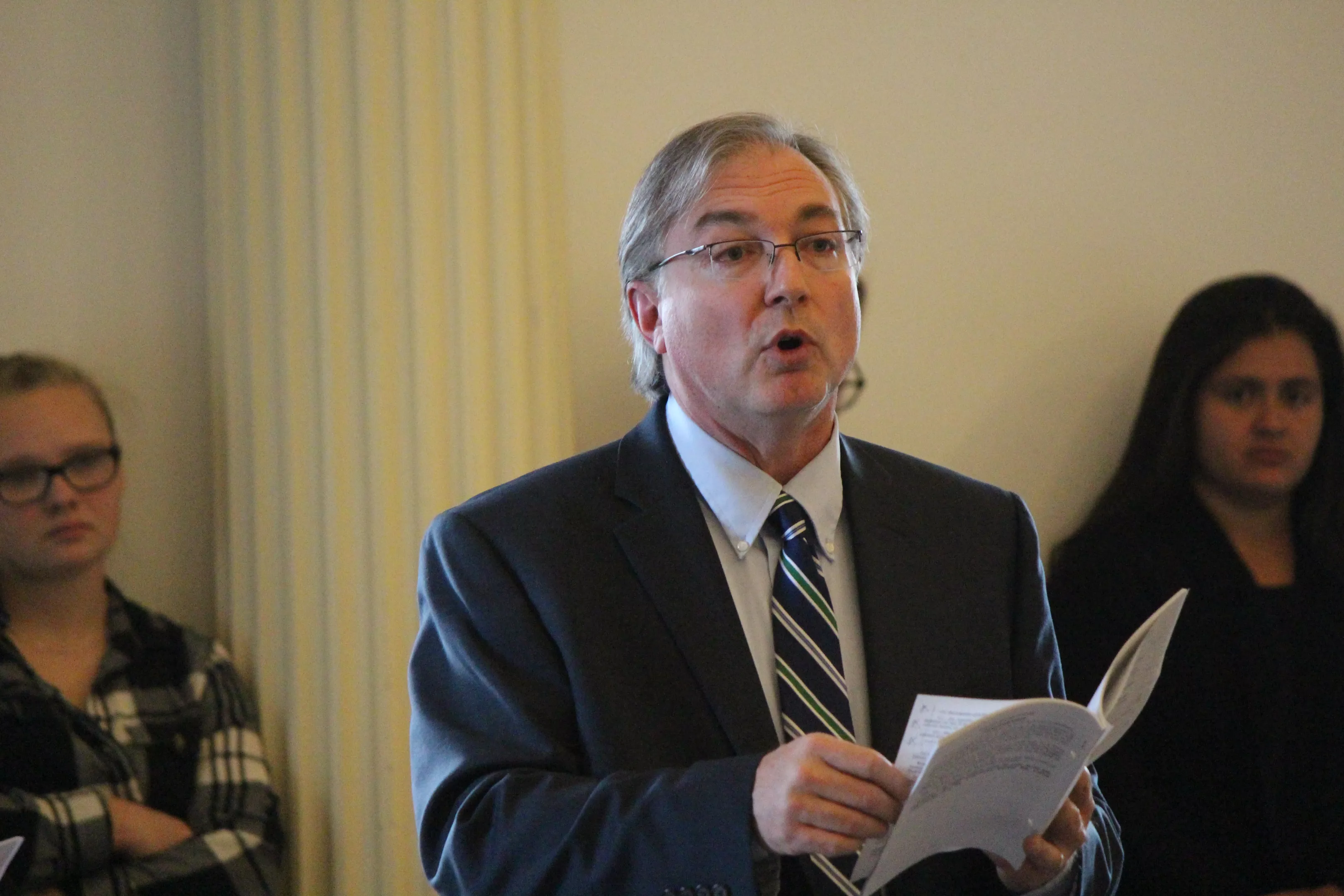
The Vermont Senate gave preliminary approval Thursday to a proposal that would mandate background checks for most gun transactions, including private sales between individuals.
The measure, authored by Sen. Phil Baruth (D/P-Chittenden), had languished for years in the Senate Judiciary Committee. On Thursday, Baruth bypassed the panel by amending another bill on the Senate floor to include the universal background check language.
Baruth’s amendment passed the Senate by a vote of 17 to 13. The underlying legislation, which addresses state storage of seized firearms, will face another vote in the chamber on Friday before it is sent to the House.
Tags: gun control , Vermont Senate , universal background checks , Image , Web Only
Wednesday, February 28, 2018
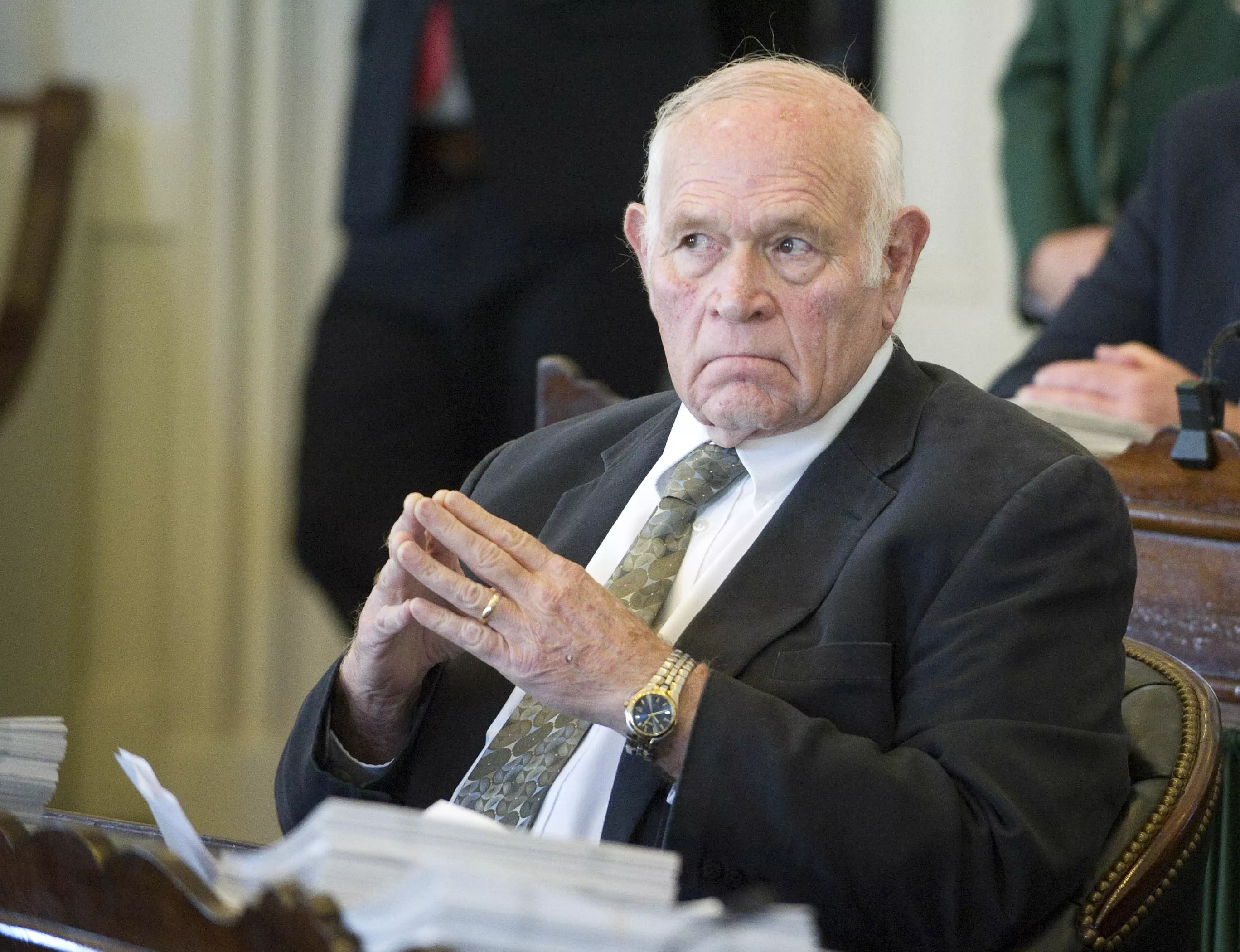
Just before the vote on S.221, its sponsor, Senate Judiciary chair Dick Sears (D-Bennington) said that he hadn't initially expected the proposal to make it to the floor. A narrowly avoided school shooting in Fair Haven, he said, brought a sense of urgency to the Senate’s work.
“The one thing I’m sure of is, Vermont’s not immune [to gun violence],” Sears said. “And I think we knew that before Fair Haven, but I think Fair Haven jolted us all.”
Tags: guns , Phil Scott , Dick Sears , Tim Ashe , Becca Balint , Mitzi Johnson , Maxine Grad , Image , Web Only

The bill states that only individuals, parties and political action committees can contribute money to state candidates.
After giving preliminary approval to similar legislation in 2013, the Senate did an about-face. Wednesday's debate was less eventful, but still included complaints from lawmakers worried about losing some of their funding streams.
Sen. Ann Cummings (D-Washington) expressed concern that the bill would discourage contributions from "my very warm, friendly, voting elderly constituents who frequently have their money in a revocable trust."
Tags: Vermont Senate , corporate campaign contributions , campaign finance , Image , Web Only
Monday, February 26, 2018
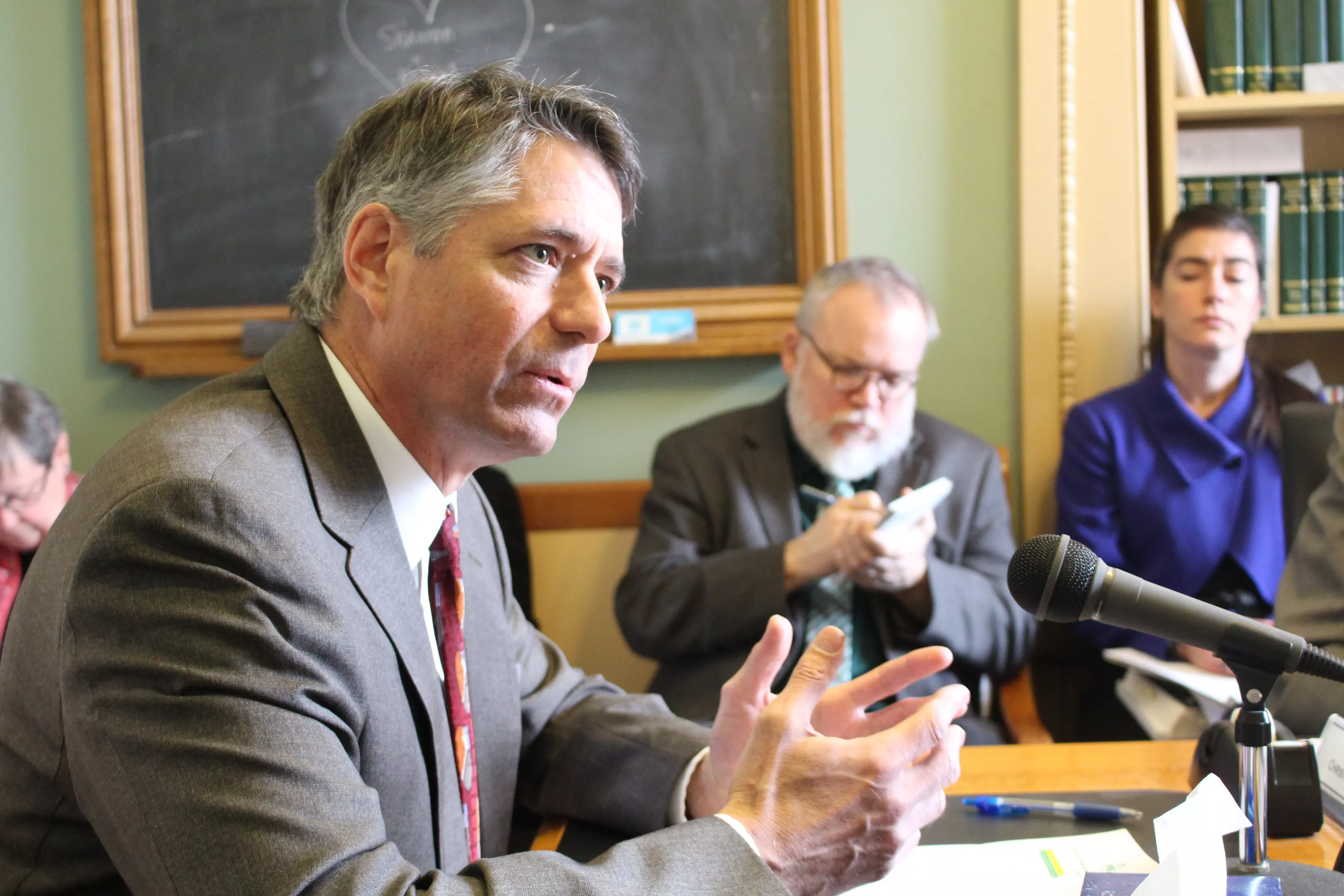
“It’s a significant step to try to at least address the issue of corporations having direct influence over candidates,” said Paul Burns, executive director of the Vermont Public Interest Research Group, which has long pushed for such a measure.
The federal government has prohibited corporations from contributing directly to candidates since 1907, and more than 20 states have enacted such bans. But Vermont politicians had been reluctant to follow suit. In 2013, the Vermont Senate voted to impose a ban, only to reverse its decision days later.
Since then, "I think there has been more and more concern about money in campaigns," said Senate Government Operations chair Jeanette White (D-Windham). To avoid confusion about the definition of a corporation, the bill would simply prohibit donations from anyone other than an individual, a state party or a political action committee.
Tags: Vermont Senate , corporate campaign contributions , Citizens United , Chris Pearson , VPIRG , Paul Burns , Image , Web Only
Friday, February 23, 2018
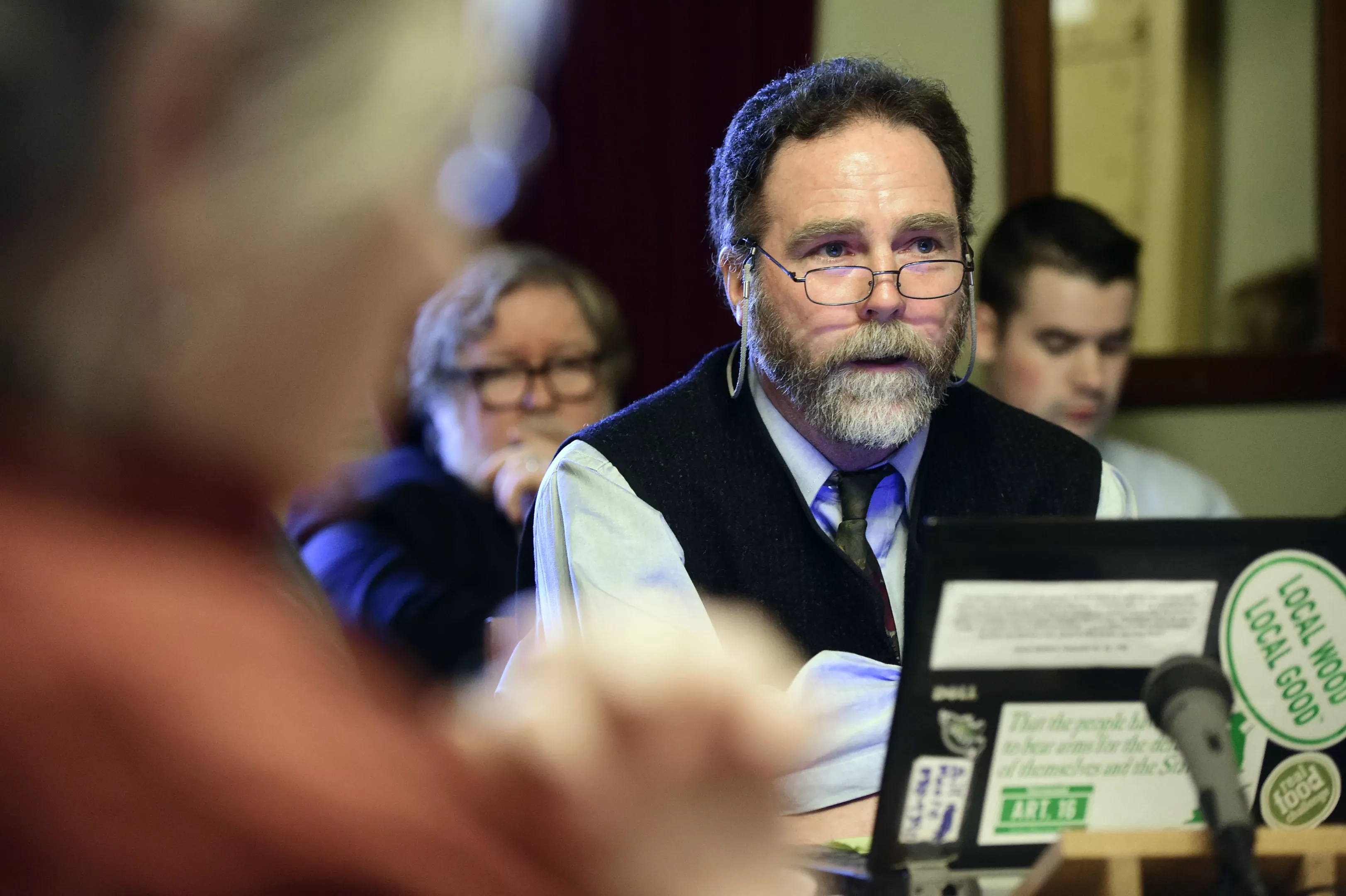
The bill, known as S.221, now advances to the Senate floor with support from domestic violence prevention and gun-control groups — and even grudging acceptance from some gun-rights groups.
The legislation would allow law enforcement officials to file for an “extreme risk protection order” even at the scene of an incident. If a judge approved such an order, police could take guns away from a subject for up to 60 days.
Friday's vote represented the first legislative action since Democratic leaders and Republican Gov. Phil Scott called for an aggressive response to last week's school shooting in Parkland, Fla., and a foiled plot in Fair Haven. At press conferences Thursday, Democrats committed to passing S.221, among other measures, and Scott implored lawmakers to send it to him for signature before Town Meeting Day.
Tags: guns , extreme risk , Dick Sears , Bill Moore , Vermont Traditions Coalition , S.221 , H.422 , Image , Web Only
Thursday, February 22, 2018
Senate President Pro Tempore Tim Ashe (D/P-Burlington) promised Thursday that the proposal, which died in committee in 2015, would come to a vote next week on the Senate floor — likely as an amendment to related firearm legislation. In interviews around the Statehouse that day, 17 of Vermont's 30 state senators told Seven Days they would definitely vote for the measure, which would close the so-called "gun show loophole."
Six senators said they would vote against it: Joe Benning (R-Caledonia), Brian Collamore (R-Rutland), Alice Nitka (D-Windsor), John Rodgers (D-Essex/Orleans), Dick Sears (D-Bennington) and Bobby Starr (D-Essex/Orleans).
Tags: guns , universal background checks , Tim Ashe , Image , Web Only
Secretary of Human Services Al Gobeille didn’t specify exact issues with the current arrangement, but he said Vermont officials aren’t happy with how it’s working. Officials plan to solicit proposals for a new deal.
“I think that issuing [a request for proposals] is an indication that we’re looking for something different than what we have,” Gobeille said. “We’re in the process of doing that. It has not been issued yet.”
Tags: Camp Hill , prison , corrections , Al Gobeille , Phil Scott , Pennsylvania , Image , Web Only

Vermont’s gun politics experienced a historic shift Thursday morning.
“It’s a sea change,” said Sen. Dick Sears (D-Bennington), who has served in Montpelier for a quarter-century. “This issue has roused the Vermont public in a way I haven’t seen since civil unions.”
During separate press conferences at the Vermont Statehouse, Republican Gov. Phil Scott and the state’s most powerful Democrats called for swift action on a series of gun-control measures. While differences remained between them, both camps appeared intent on passing significant new laws before the end of the legislative session.
Tags: Vermont , gun rights , gun control , universal background checks , Phil Scott , Mitzi Johnson , Tim Ashe , T.J. Donovan , David Zuckerman , Rebecca Holcombe , Ed Cutler , Bill Moore , Dick Sears , Image , Web Only
Wednesday, February 21, 2018
Lefebvre was one of three Vermont lawmakers attending an event sponsored by the American Suppressor Association at a shooting range in Barre. Hours earlier and just four miles away at the Vermont Statehouse, students and activists had rallied for new gun control legislation in the wake of last week's mass school shooting in Florida. But at the Barre Fish & Game Club, state legislators were focused on why suppressors, better known as "silencers," should be legal for hunting in Vermont.
Tags: guns , suppressors , hunting , American Suppressor Association , Paul Lefebvre , Patrick Brennan , Susan Buckholz , Louis Porter , Knox Williams , Image , Web Only , Video