

Tuesday, February 4, 2020
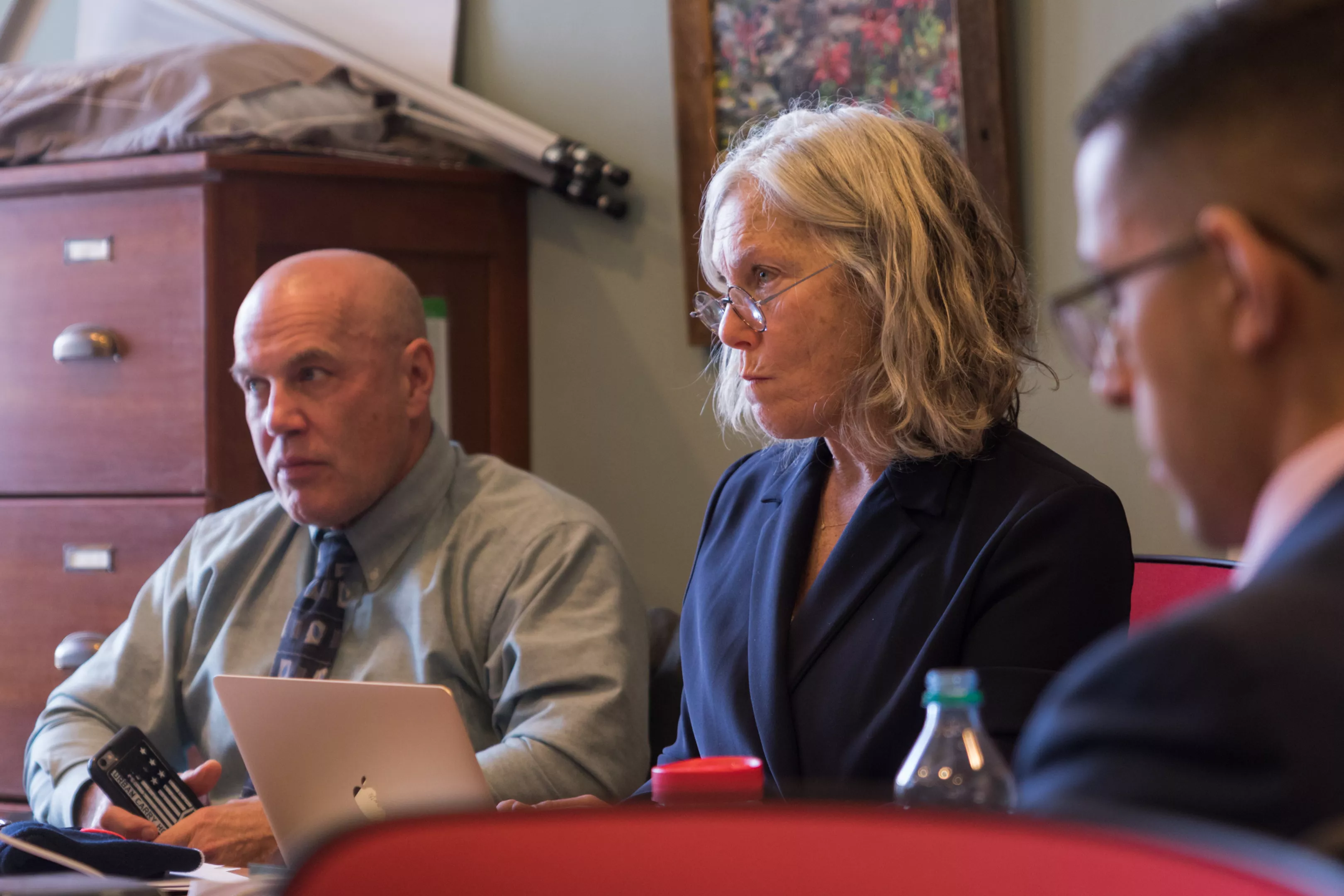
The bill, H.568, would establish a so-called "Good Samaritan" law to shield people from being prosecuted on certain charges connected to their involvement in sex work or human trafficking, including prostitution and low-level drug possession charges. Vermont passed a similar law in 2013 granting legal immunity to anyone seeking medical help for an overdose.
The measure would apply to both sex workers and their clients. Supporters of the concept say it extends protection to a segment of the population that may avoid interacting with law enforcement for fear of prosecution.
"It promotes public safety by allowing people to feel comfortable reporting to law enforcement about activity like human trafficking, or drug trafficking — really the serious public safety threats that we should be concerned about," said House Judiciary chair Maxine Grad (D-Moretown), the bill's cosponsor.
Tags: Sex work , human trafficking , prostitution , Selene Colburn , Maxine Grad , Web Only , Image
Friday, January 31, 2020
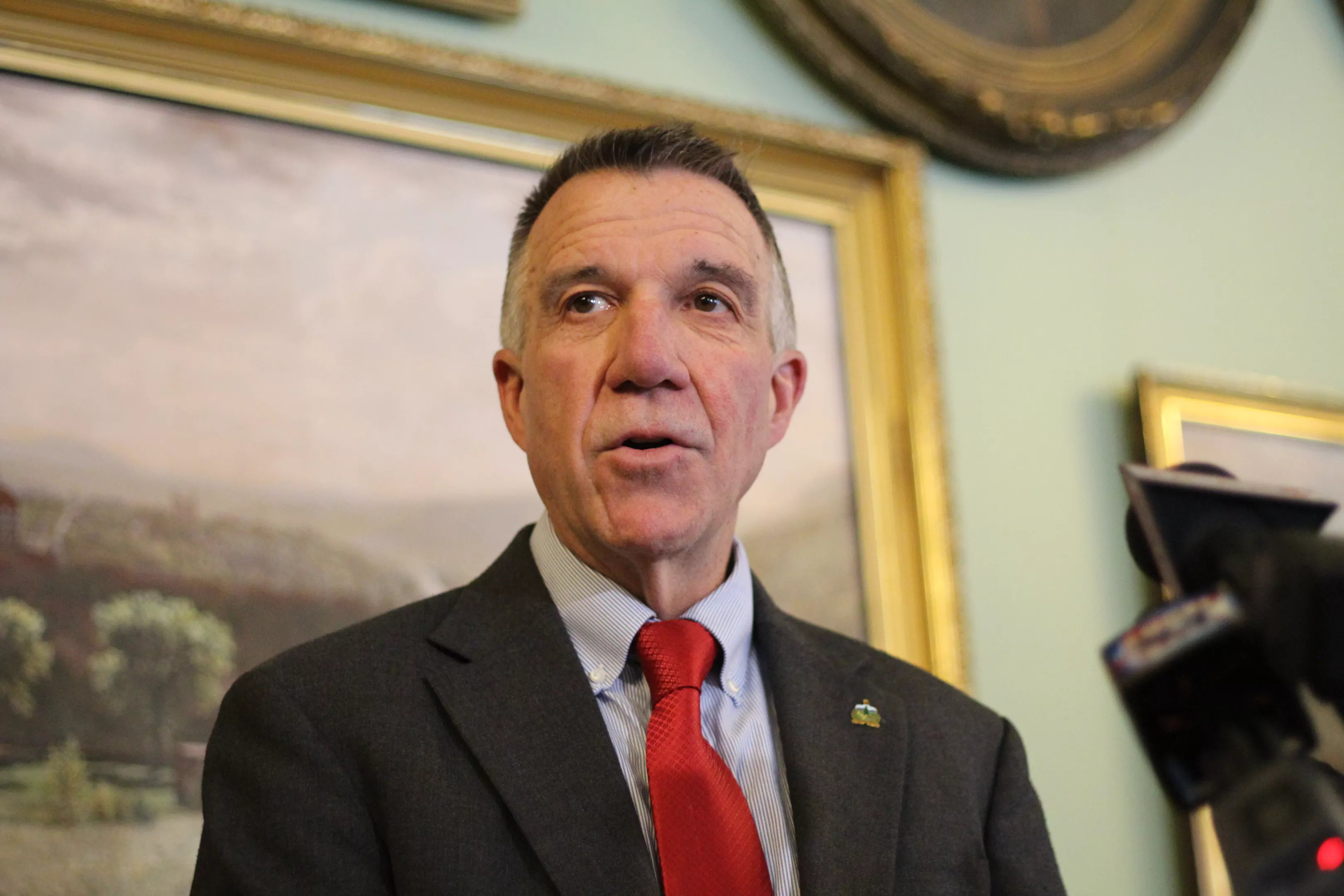
Scott said his own voluntary leave proposal would be a better, more modest place to start than a mandatory, $29 million program funded by payroll taxes on all working Vermonters.
“I share the goal to provide a program that allows workers time to take care of family and personal health needs, and to bond with new children,” Scott said in a statement. “That’s why my administration has advocated for, and acted on, a voluntary paid family and medical leave plan.”
The widely expected move means each chamber of the legislature will now have to decide whether to attempt an override of Scott’s veto. It will take two-thirds of each chamber's voting members — 100 in the House and 20 in the Senate — for the bill to become law.
Tags: Paid family leave , Gov. Phil Scott , veto , legislature , Vermont , override , Web Only , Image
Thursday, January 30, 2020
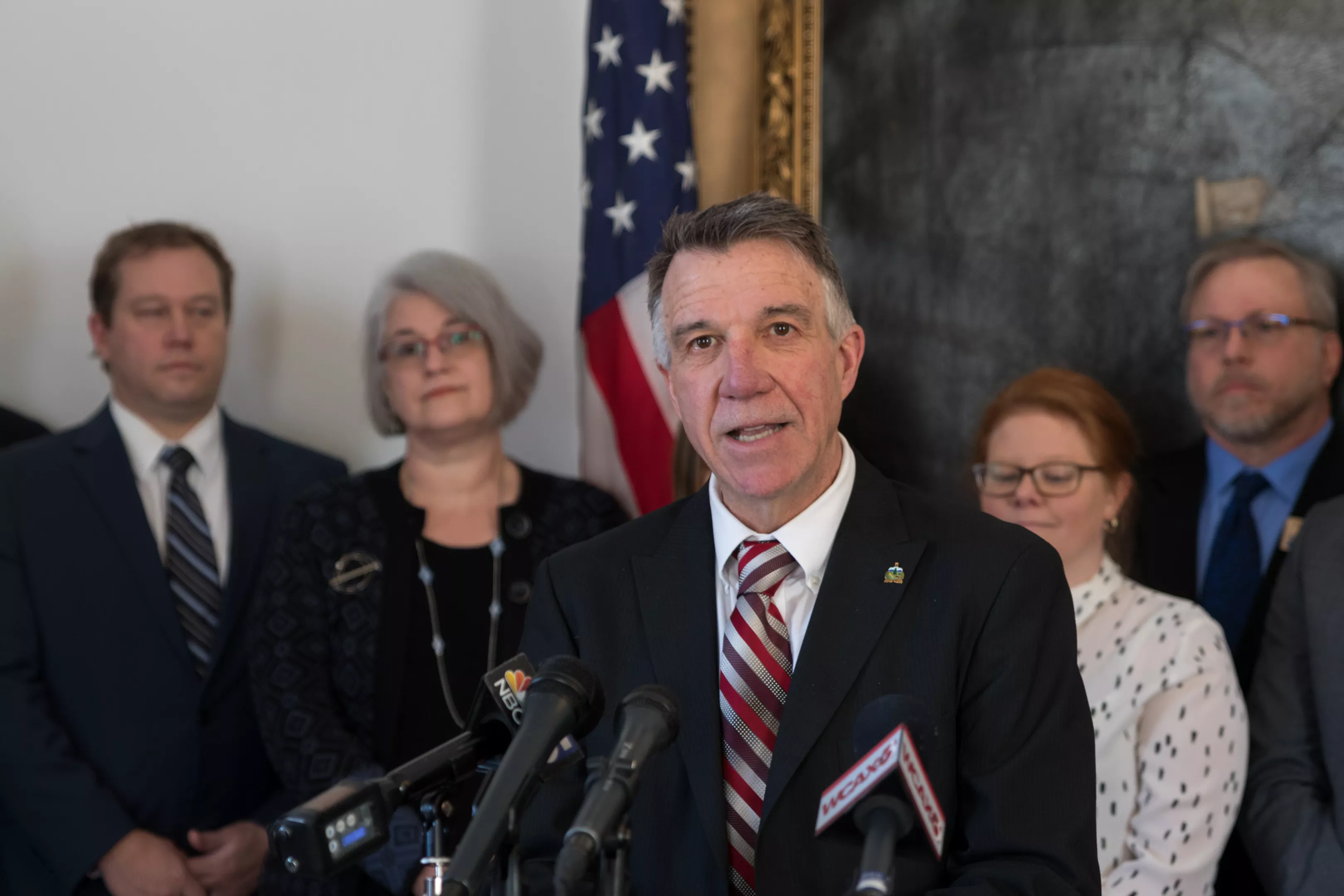
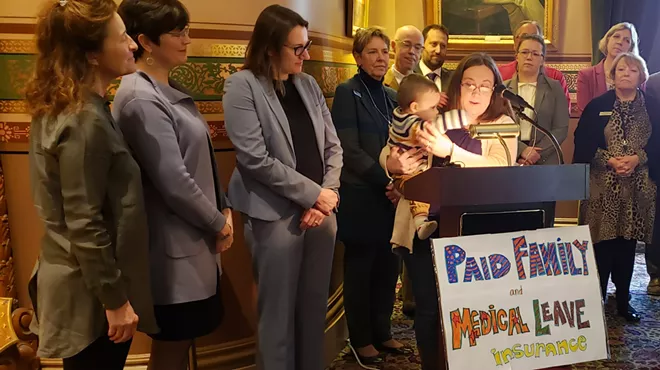
“It’s been four years — and some might say a tortuous journey — for us to get to this point,” said Sen. Michael Sirotkin (D-Chittenden) before Thursday’s 23-6 vote. “Hopefully it ends here today.”
Indeed, Thursday's passage marks a temporary pause in what has been a long and contentious pursuit of the Democratic-controlled legislature’s two marquee economic priorities. After reaching an impasse on competing versions of the bills last session, House and Senate negotiating committees swiftly hashed out compromise measures earlier this month.
Tags: minimum wage , paid leave , Phil Scott , veto , Web Only , Image
Wednesday, January 29, 2020

But while the move means the bill will face another committee vote on its long-awaited path to the floor, a key lawmaker says the return-to-sender is actually a positive development.
“It means that we have completed the 360-degree view from every single policy committee who has jurisdiction over a section of this bill, and we have now found a way to incorporate their recommendations,” said Rep. Sarah Copeland Hanzas (D-Bradford), who chairs Gov Ops and has been an avid supporter of S.54. “It strengthens the bill's path forward.”
Tags: Cannabeat , cannabis , Phil Scott , universal after school , S.54 , weed , pot , marijuana , legalization , retail market , Web Only , Image
Tuesday, January 28, 2020

The apology is a necessary step toward atoning for the sins of that “dark period” in Vermont’s history, said Rep. Kate Webb (D-Shelburne), the resolution's lead sponsor, during testimony on Tuesday before the House General, Housing, and Military Affairs Committee.
"For true healing to occur, we must acknowledge what this was, and the great suffering that it caused to Vermont citizens of the state — a state that was charged to protect them," Webb said.
Tags: eugenics , Kate Webb , resolution , apology , Sara Holbrook , Dorothy Canfield Fisher , Web Only , Image
Friday, January 24, 2020

The Vermont House on Friday voted to increase the state's minimum wage twice in the next two years.
The compromise measure, reached in negotiations this week with the Senate, falls far short of Democratic and Progressive goals to raise the wage to $15 an hour. Instead, it would hike the current rate of $10.96 to $11.75 in 2021 and to $12.55 in 2022. In subsequent years, it would again be tied to inflation.
The 93 to 54 vote also falls short of the two-thirds majority necessary to override a potential veto from Republican Gov. Phil Scott. Among those voting no were eight Democrats and four independents.
Friday’s vote marked the second day in a row that House leaders failed to reach a veto-proof majority on a key Democratic priority. On Thursday, the House approved a paid family and medical leave bill by a vote of 89 to 58.
Tags: minimum wage , Vermont , House , legislators , lawmakers , veto , Phil Scott , Web Only , Image
Thursday, January 23, 2020
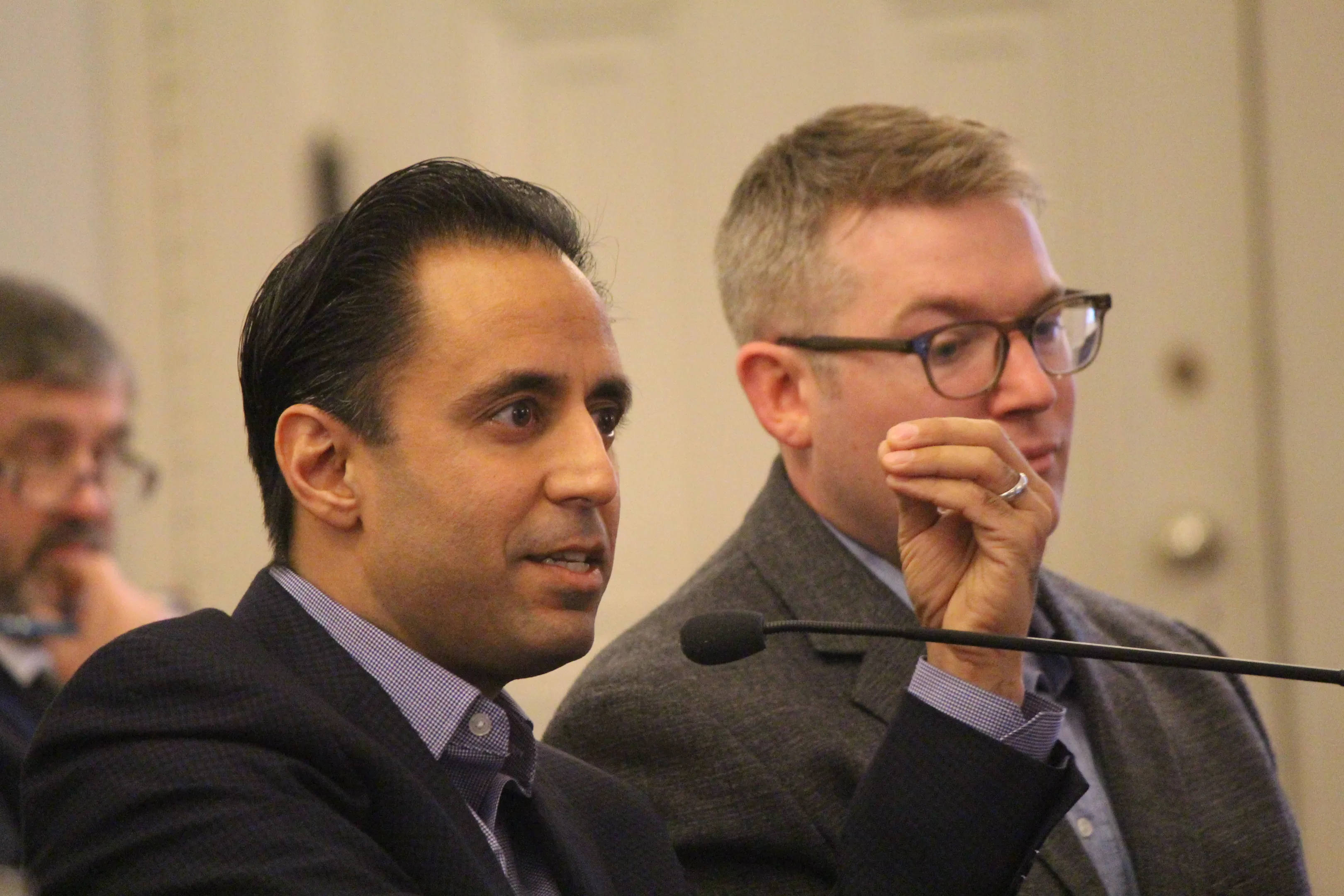
The bill in question, S.169, would mandate a 24-hour waiting period before most handgun purchases. It cleared the legislature last May but was vetoed in June by Republican Gov. Phil Scott.
Since then, legislative leaders have struggled to decide whether to compromise with the governor or attempt to override his veto, which would require a two-thirds vote in both chambers. While the measure met that threshold last year in the Senate, it fell short in the House on a vote of 82 to 58.
On Thursday, senators sought to convince their colleagues — and perhaps the governor — that the bill could, in fact, save lives. They invited professors Deepak Malhotra and Michael Luca to present their research showing that waiting periods cut the homicide rate by 17 percent and the suicide rate by 7 to 11 percent.
"If this policy passes, if the objective is to reduce gun deaths, that would be something you could very much expect," Malhotra told members of the Senate Judiciary Committee and the Senate Health and Welfare Committee.
Tags: Deepak Malhotra , Michael Luca , Phil Scott , Dick Sears , Tim Ashe , waiting period , Web Only , Image
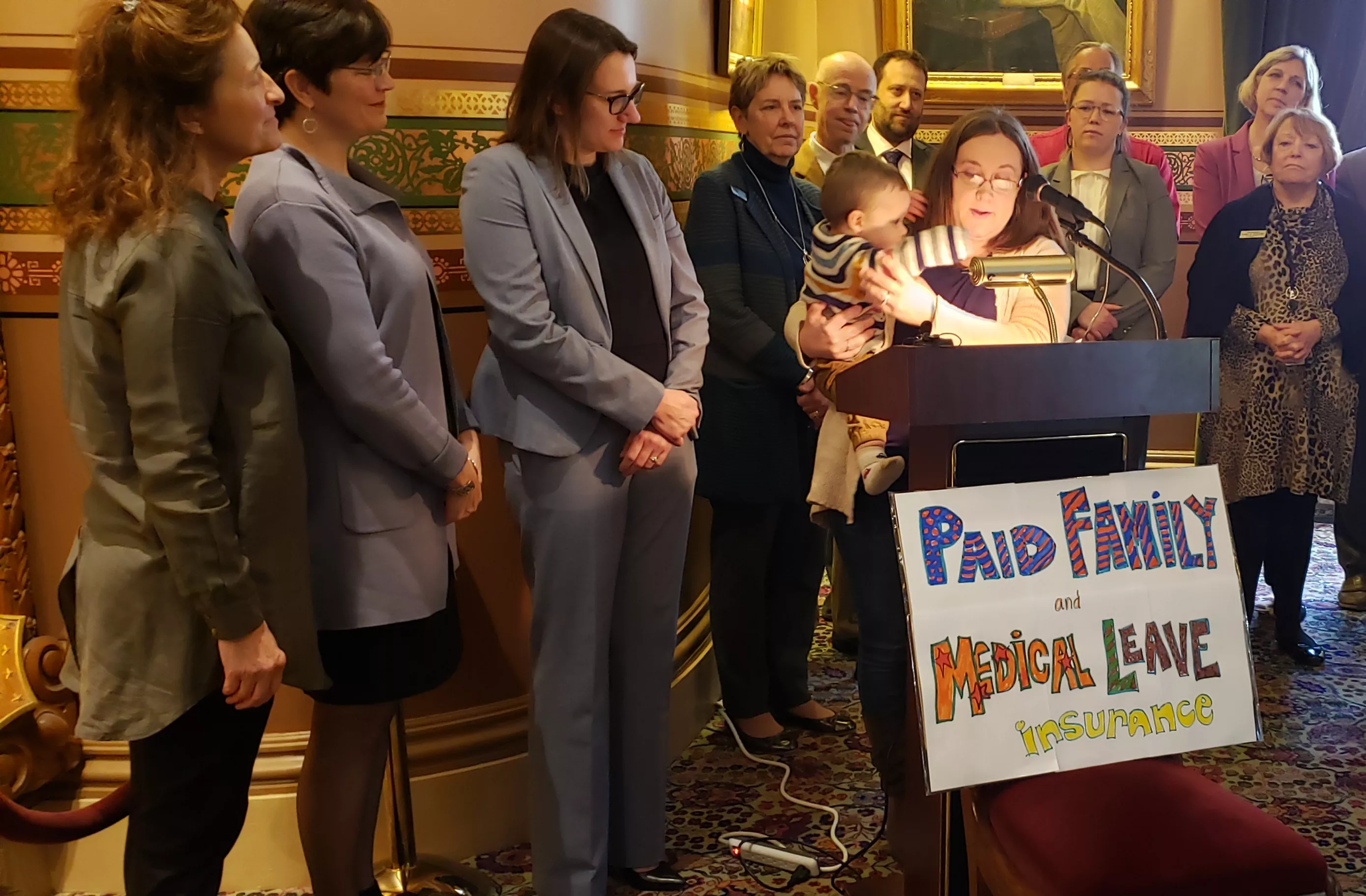
Unlike the Senate, which last week approved the plan with enough votes to override a threatened veto by Gov. Phil Scott, the House fell well short of the votes needed to do so.
The final vote, following a lengthy floor debate, was 89 in favor and 58 against. At least 100 House votes would be needed for an override.
“This bill moves us one step closer to a Vermont that works for all of us,” Rep. Dylan Giambatista (D-Essex Junction) said.
After reaching an impasse on competing versions of the bill last session, House and the Senate leaders vowed to forge a compromise this session, and last week they did just that.
Tags: paid family leave , veto , override , minimum wage , Web Only , Image
Wednesday, January 22, 2020

The bill, H.162, stalled in the House Committee on Human Services last session, partly because of concerns about the amount people would be legally allowed to possess. An amendment would cap that at the equivalent of 30 days' worth. That seems to have assuaged concerns sufficiently for lawmakers to say they are committed to working on the bill ahead of the all-important crossover deadline, when the House and Senate trade bills.
"This is on our agenda to move," said Rep. Ann Pugh (D-South Burlington) the committee's chair, after the hearing.
Tags: opioids , bupe , Ann Pugh , Hooked , substance use disorder , treatment , Carl Rosenquist , Sandy Haas , Web Only , Image
Tuesday, January 21, 2020
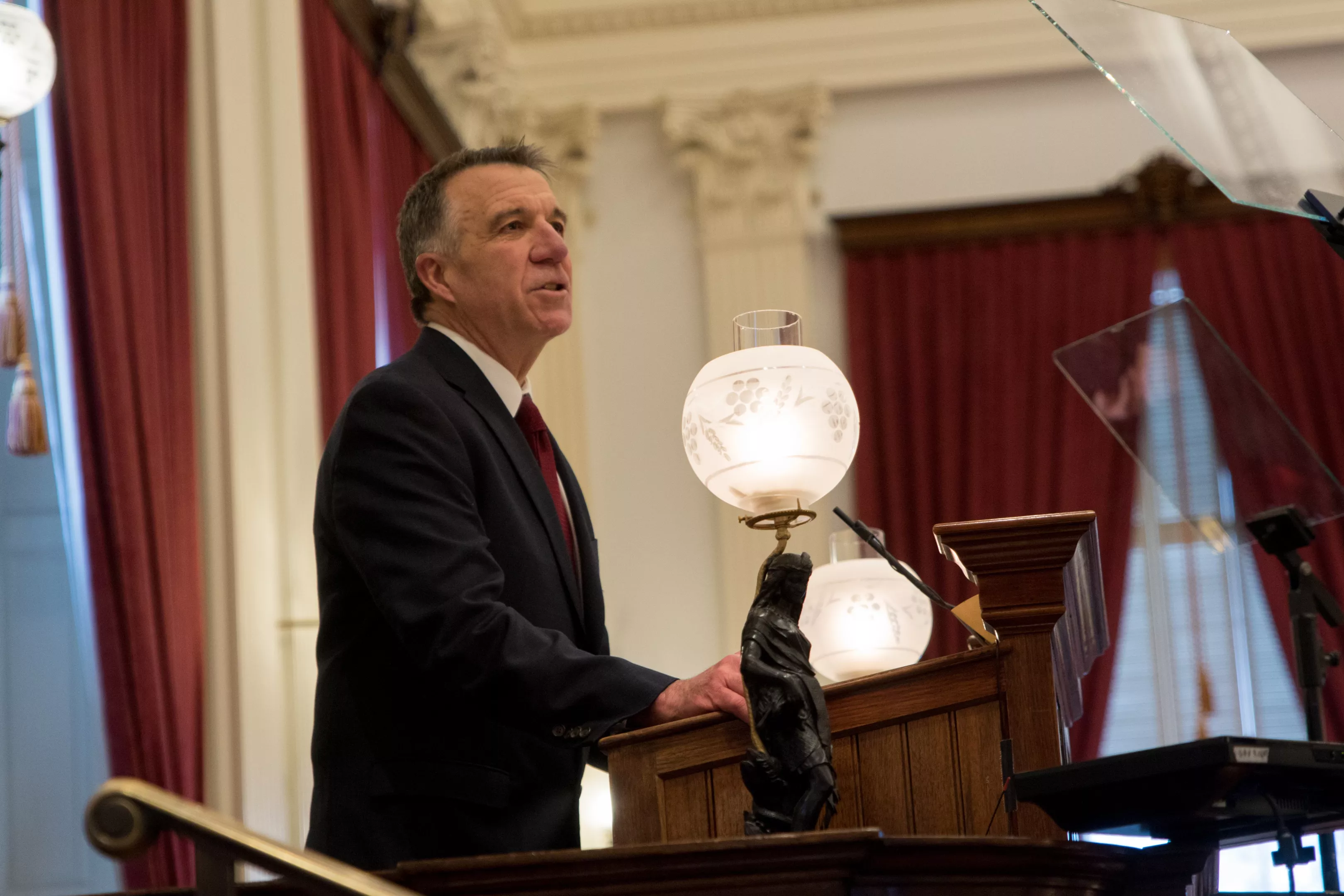
Vowing to focus on Vermont’s “fiscal fundamentals,” Gov. Phil Scott on Tuesday proposed a $6.3 billion state budget that would represent a modest 2 percent increase over current spending levels.
In a joint address to the Vermont House and Senate, the second-term Republican said his budget proposal would help grow the state’s stagnant population and revitalize its rural communities.
“Our demographic crisis is — without question — the greatest challenge we face as a state,” Scott said, repeating his oft-stated warning. “Addressing this reality is crucial to Vermont’s future.”
The governor’s proposed budget would not raise any existing taxes or fees, but it would create two new ones: Scott pitched legalizing and taxing online sports betting, as neighboring New Hampshire recently did, and he called for the introduction of Keno lottery machines.
The two forms of gambling would generate at least $4 million in new revenue, according to Finance Commissioner Adam Greshin. Of that, $2 million would help boost childcare subsidies, rather than support the Education Fund, as lottery proceeds currently do.
Tags: Phil Scott , gambling , budget , Web Only , Image