

Thursday, May 9, 2013
"Our representative democracy is broken," Sen. Ginny Lyons (D-Chittenden) told reporters at a Statehouse press conference Thursday morning. "As we look at Washington and ask Washington for help, we're frequently met with closed doors. But those doors are very much open to the influence of corporate money."
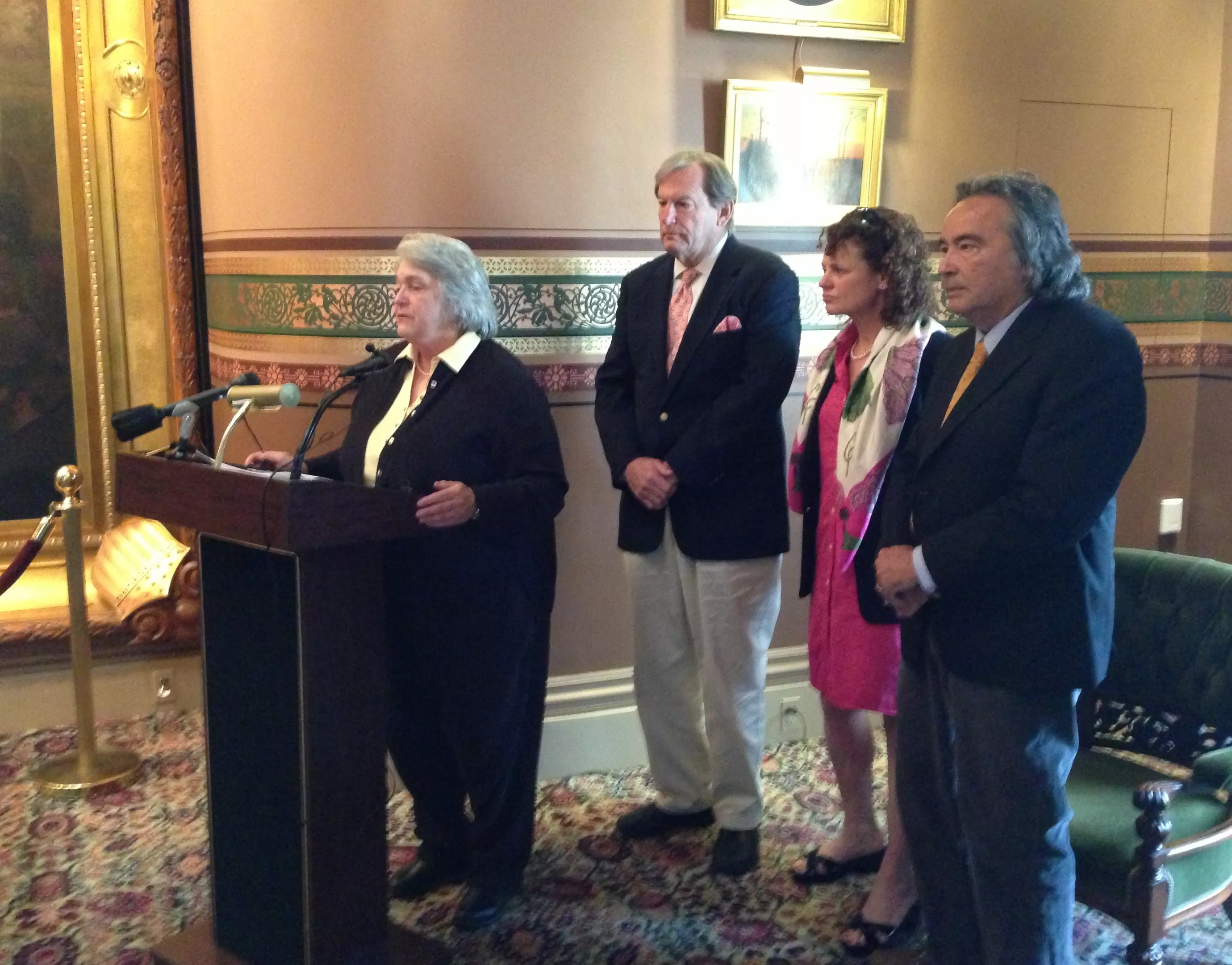
For that reason, Lyons said, Vermont must once again call for a constitutional amendment reversing Citizens United and other recent U.S. Supreme Court decisions that abolished limits on corporate spending in politics.
But as Sen. Nero fiddled, Rome was burning all around her.
Just a day before Lyons' press conference, the Vermont House voted 96 to 49 in favor of a so-called "campaign finance reform" bill that actually increases the amount individuals, corporations and unions can donate to statewide candidates, political action committees and parties.
Under the guise of stemming the flow of special interest money into Vermont politics, the House further opened the floodgates. And it didn't even consider the one provision that could realistically reduce corporate cash in Vermont: banning direct corporate contributions to political candidates.
Wednesday, May 8, 2013
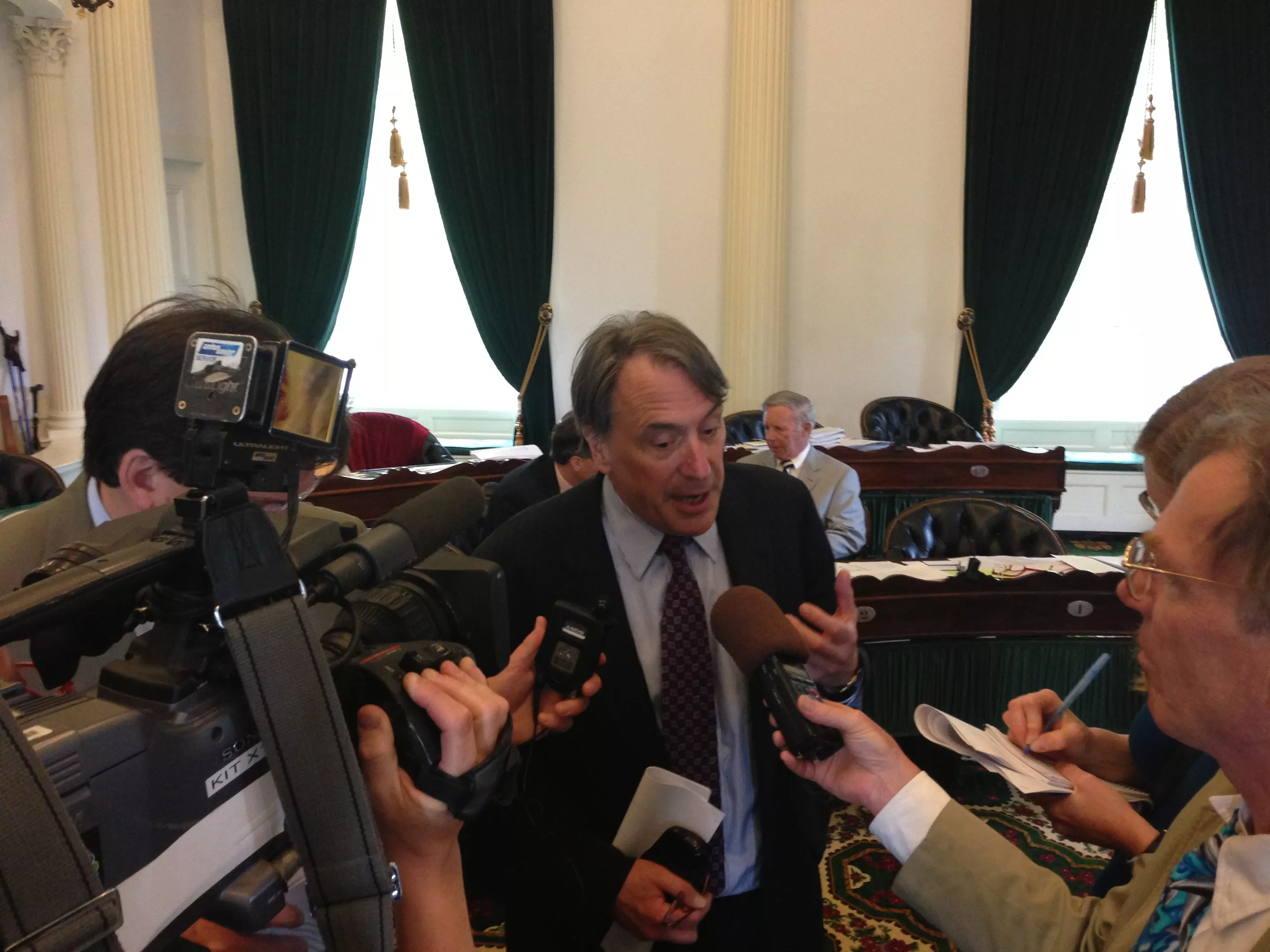
In the end, as always, it was all about Sen. Peter Galbraith.
Throughout this year's labyrinthine debate over whether to allow terminally ill patients to end their own lives, the loquacious Democrat from Windham County has been behind every turn.
Wednesday night was no different.
By a vote of 17 to 13, the Senate amended the ever-changing end-of-life choices bill to ameliorate Galbraith's concerns while still providing dying Vermonters a legal avenue to end their own lives. The latest version now moves back to the House, where it's expected to pass, and then on to the governor, who has signaled he will sign it.
"I think what we have found here is something that strikes a balance," Galbraith (pictured above) told his colleagues. "It isn't perfect. It isn't what I would like to have seen, but I think it accommodates what I think is in the best interest of Vermonters."
The compromise essentially enacts for three years a state-sanctioned process for doctors to prescribe lethal medication to patients expected to live six months or less. In July 2016, that process would sunset, and be replaced by a stripped-down law simply indemnifying doctors who prescribe such drugs.
Gabraith and Sen. Bob Hartwell (D-Bennington) have long opposed the more comprehensive approach, which is modeled on a 1994 Oregon law. In February, they joined 13 opponents of the bill — along with the tie-breaking Lt. Gov. Phil Scott — in replacing it with the stripped-down version. But last week, the House voted 81-64 to return to the original Oregon-style language and send it back to the Senate.
That left the bill's proponents with little option but to find some sort of compromise that could appeal to Galbraith or Hartwell without alienating its stronger supporters in the House.
In this week's Home & Garden issue of Seven Days...
- Federal law says domestic abusers are prohibited from possessing firearms, but Vermont has few safeguards to keep guns out of the wrong hands.
- Vermont and other maple-producing states are in the midst of a "liquid gold rush" — but is big maple a bubble in danger of bursting?
- No one checked on Burlington's livable wage ordinance for 12 years. What's next?
- It's commencement season, which means a few lucky folks will have honorary degrees bestowed upon them by Vermont colleges.
- In Fair Game, Paul Heintz breaks down yesterday's grand bargain on taxes and the state budget between Gov. Peter Shumlin and legislative leaders.
- Lastly, "Stuck in Vermont" features a character that might be familiar to lawmakers, lobbyists, reporters and anyone else who makes the Burlington-Montpelier commute: Buddy Longworth, the most interesting bus driver on the road.
Monday, May 6, 2013
It's the last week of the legislative session in Montpelier — or so they say!
Here's what else is happening in Vermont news and politics this week. Got a newsworthy event for next week's calendar? Email by Friday to submit.
Monday, May 6
- The House gavels in at 1 p.m. On the lengthy calendar: third reading for the immigrant driver's-license bill.
- The House and Senate set to work resolving differnences in their versions of the tax and budget bills. Conference committees begin at 2 p.m. (budget bill) and 5:30 p.m. (tax bill) and are scheduled to continue all week.
- The Legislature might be in crunch mode, but Gov. Peter Shumlin is apparently leaving the arm-twisting to his staff today. The gov's schedule: 9 a.m. in Johnson for a ceremonial lease signing, 10 a.m. in Morrisville for a library centennial, and noon in Montpelier for a state employees recognition luncheon at the Elks Club.
- Live at 5:25 p.m., State Auditor Doug Hoffer will be on Channel 17. Watch live.
- At 7 p.m., the Burlington City Council meets at city hall, where they'll vote on the appointment of Bob Rusten as Mayor Miro Weinberger's pick for chief administrative officer.
Rest of the week after the break...
Friday, May 3, 2013

Who won and lost the week in Vermont news and politics? Behold, The Scoreboard for the week of Friday, May 3.
Winners:
Fletcher Allen Health Care — Nothing'll make your week quite like the gift of a $13 million property.
Jane Kitchell & Tim Ashe — The approps and finance chairs got their budget and tax bills through the Senate this week relatively unscathed. Both bills picked up bipartisan support from a handful of Republicans each — and both earned nay votes from Sen. Anthony Pollina (P/D-Washington), who evidently isn't going along to get along.
Labor — They lost battles this week over unionizing states' attorneys and requiring newspaper bosses to pay unemployment insurance. But on the biggest labor issues of the session — "Fair Share" and creating a home health care workers union — they won big.
Patrick Leahy — Vermont's senior U.S. senator hits the crème de la crème Sunday talk show this week with an appearance on NBC's "Meet The Press." But when will we next see him back in Vermont?
Seven Days — For coining the term, "flatlander cows."
Losers after the break...
Tags: The Scoreboard , Web Only , Image
Thursday, May 2, 2013
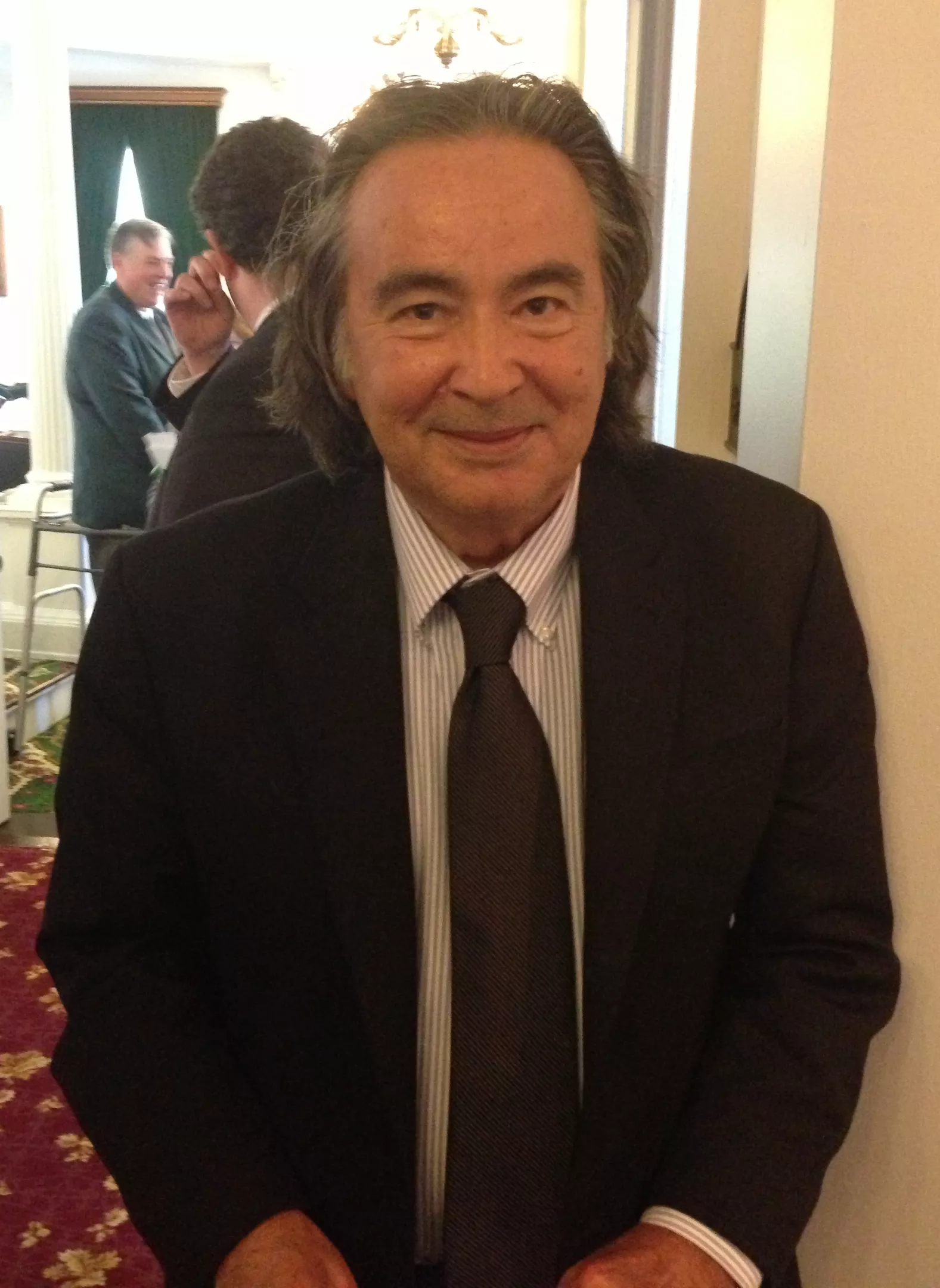
On the front lawn of the Statehouse Wednesday, hundreds of activists converged for a sun-soaked rally to demand a state budget that "puts people first."
But nary a May Day protester could be found within the Senate chamber that morning as legislators debated perhaps the most consequential bill this year concerning economic fairness.
There, by a vote of 24 to 5, the Senate approved $10 million in new taxes, the majority of which would be paid by wealthy Vermonters.
The plan raises $7.4 million of that by capping the mortgage interest deduction at $12,000 and setting a minimum tax of three percent for those earning more than $125,000 a year. It raises much of the rest by taxing bottled water and satellite TV.
More important than what was in the Senate's version of the tax bill was what wasn't.
Despite Gov. Peter Shumlin's repeated calls to pay for new spending by slashing $17 million from the Earned Income Tax Credit, the Senate didn't touch the thing. It was so loathed by lawmakers as a regressive scheme to put low-income, working Vermonters on the hook that Shumlin's proposal was barely mentioned during hours of floor debate.
Instead, the Senate largely approved a far more progressive plan drafted by Senate Finance Committee chairman Tim Ashe (D/P-Chittenden).
But neither Ashe's capital-P Progressive bona fides nor his efforts to spare the EITC shielded his plan from criticism from the left.
Friday, April 26, 2013
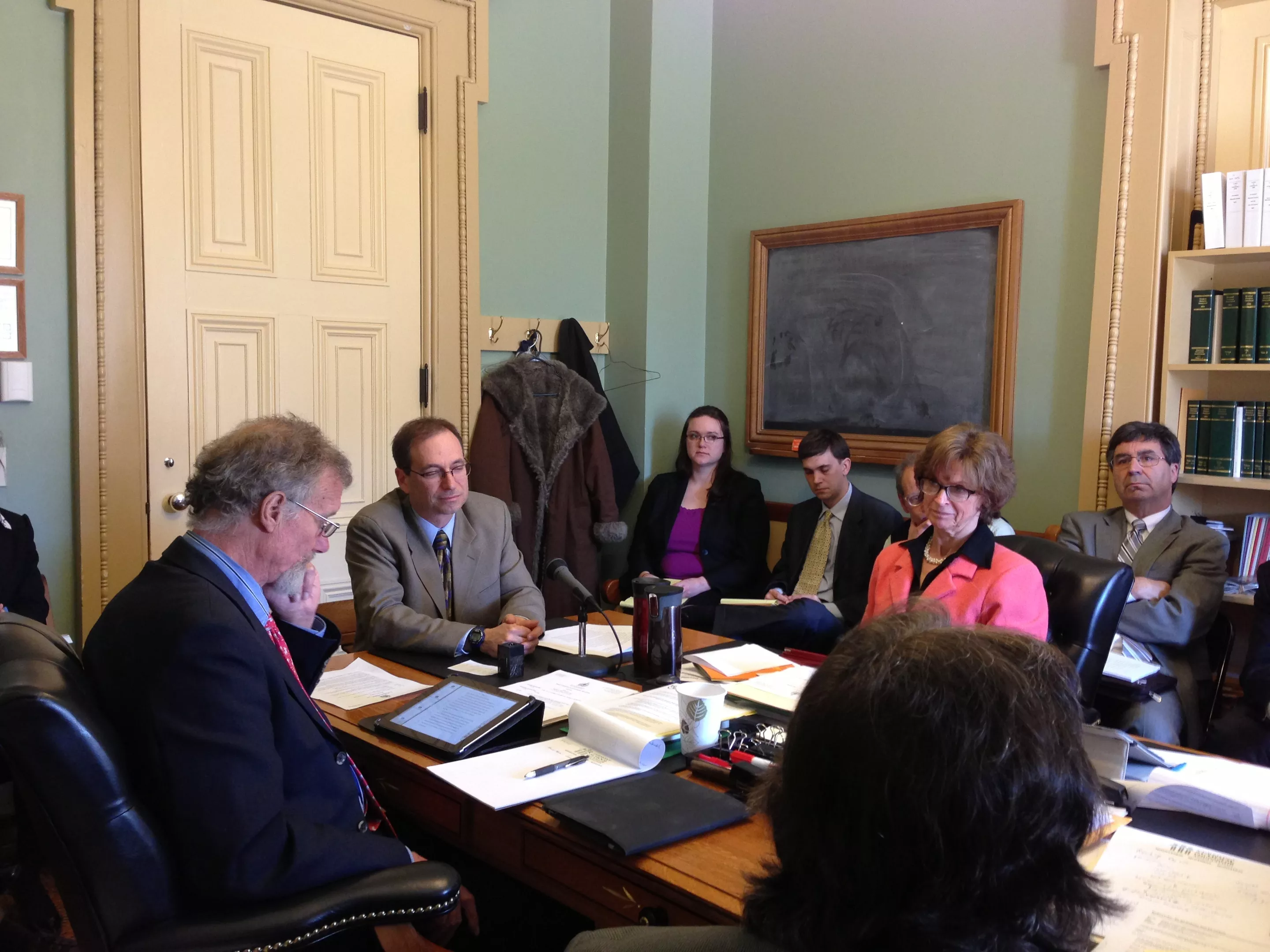
As his committee weighed a sugar-sweetened beverage tax in February, Rep. Mike Fisher (D-Lincoln) asked a simple question of industry lobbyist Andrew MacLean: Just how much money had the American Beverage Association spent on an ad campaign slamming the proposed tax?
MacLean told the House Health Care Committee chairman he'd get back to him. Then he reversed course, telling lawmakers and the media they'd have to wait until the official reporting deadline this week.
Now we know why.
The beverage industry spent an astounding $606,000 on lobbying and advertising in the first three months of the year as it fought to kill the soda tax.
In that time, according to records provided by MacLean and the secretary of state's office, the Vermont Beverage Association and the American Beverage Association paid Vermont-based lobbyists $32,000 and $21,000, respectively. The latter group, meanwhile, spent $553,000 on a statewide newspaper and radio advertising campaign.
(Pictured above: Fisher, at head of table, testifies before the Senate Government Operations Committee in March as MacLean, with arms crossed at right, listens.)
"I had no idea how much of a jobs bill this was," Fisher quipped upon learning the figures. "It's an impressive amount of money they spent trying to influence our decision on a sugar-sweetened beverage tax."
And it worked.
Tuesday, April 23, 2013
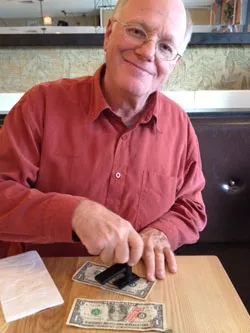
Opponents of basing F-35 fighter jets in Burlington have scooped up a prominent new ally.
No, it ain't Cherry Garcia — but perhaps the next best thing: Ben & Jerry's cofounder Ben Cohen.
"I think the F-35 is the poster child for all that's wrong with the Pentagon," Cohen says. "And I think it's a plane that doesn't have any purpose. Our enemies don't have air forces or fighter jets."
A press release issued Monday by South Burlington attorney Jimmy Leas and other local F-35 opponents said Cohen would join them for a press conference Wednesday outside Sen. Patrick Leahy's Main Street office in Burlington to speak out against the plane's proposed basing in Vermont. According to the release, Cohen would then march upstairs in an attempt to meet with Leahy, a strong supporter of bringing the planes to Burlington.
But Cohen says that's not quite the case. He says he'll meet with reporters, but doesn't plan to storm the castle.
Leahy's office took exception to the group's press release.
"The group's publicity announcement itself is a trifecta of fallacies, distortions and innuendo. It's the very definition of a publicity stunt," Leahy spokesman David Carle said in a statement, noting that the senator is currently in Washington. "The group's first thought was a press release, and all else was afterthought, including requesting a conversation for Wednesday or even checking the Senate's very public schedule."
Carle added, "Sen. Leahy talked to Ben Cohen this afternoon and Ben told him he had not seen the release and did not write it. The two of them are longtime friends and, of course, Sen. Leahy takes Ben's word for it."
Cohen says he called Leahy earlier Wednesday to give him a heads-up about the action and had a "cordial" conversation with the senator.
Did Leahy sound like he would budge on the issue?
"No," Cohen reports. "He seems pretty locked in."
Monday, April 22, 2013
When the Vermont House approved $27 million in new taxes last month — hitting everything from sales to income to meals — we made this not-terribly-bold prediction:
[Y]ou can expect a certain conservative super PAC to weigh in with a television commercial script that goes something like this: “Super-majority Democrats in Montpelier are trying to raise taxes on your paycheck, your gas tank, your kid’s winter coat, your Mountain Dew, your Kit Kat bar, your Marlboros and your next meal at Applebee’s.”
And sure enough, as Green Mountain Daily's Sue Prent first reported over the weekend (and the Vermont Press Bureau's Peter Hirschfeld noted in Monday's paper), the conservative super PAC Vermonters First has pretty much done just that.
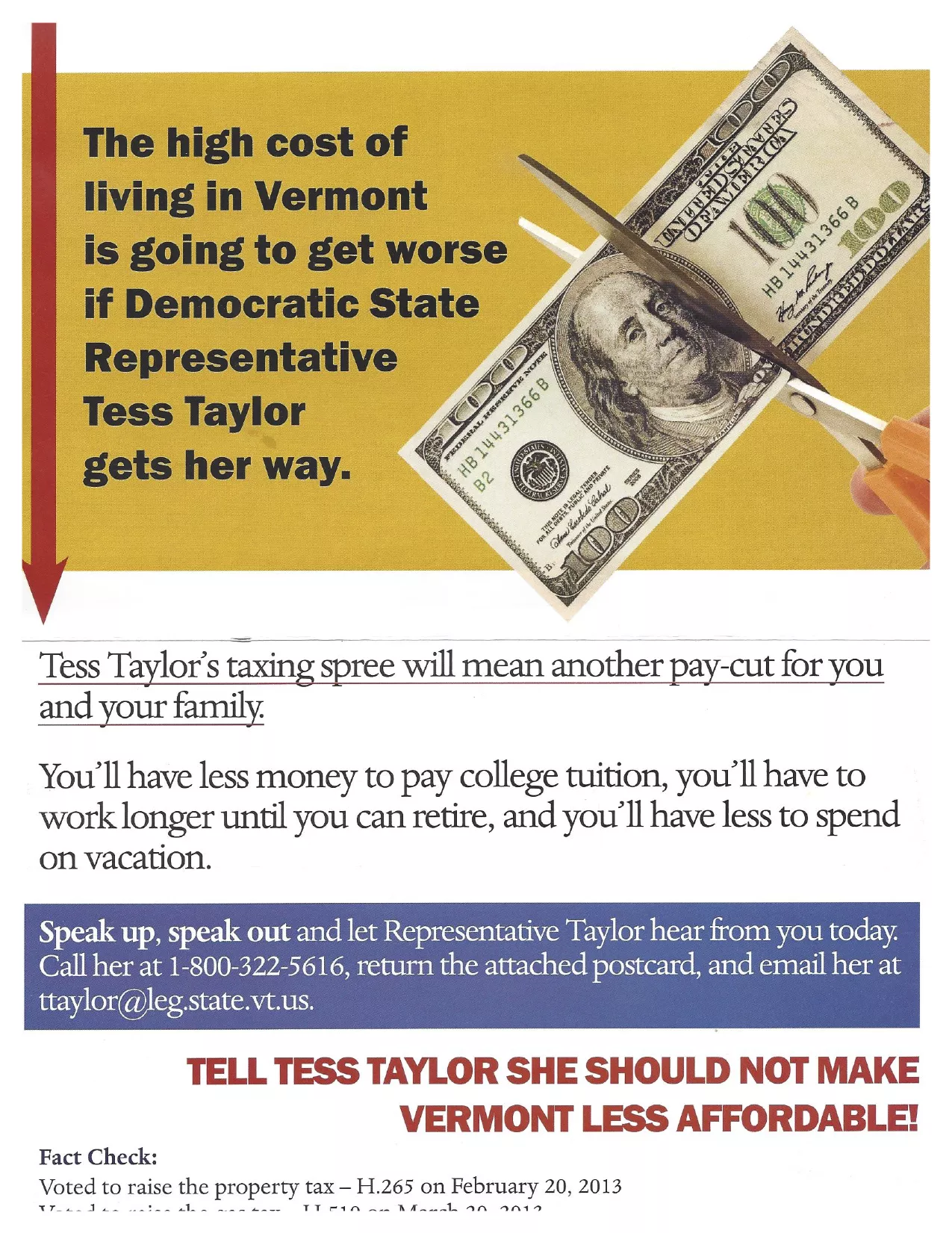
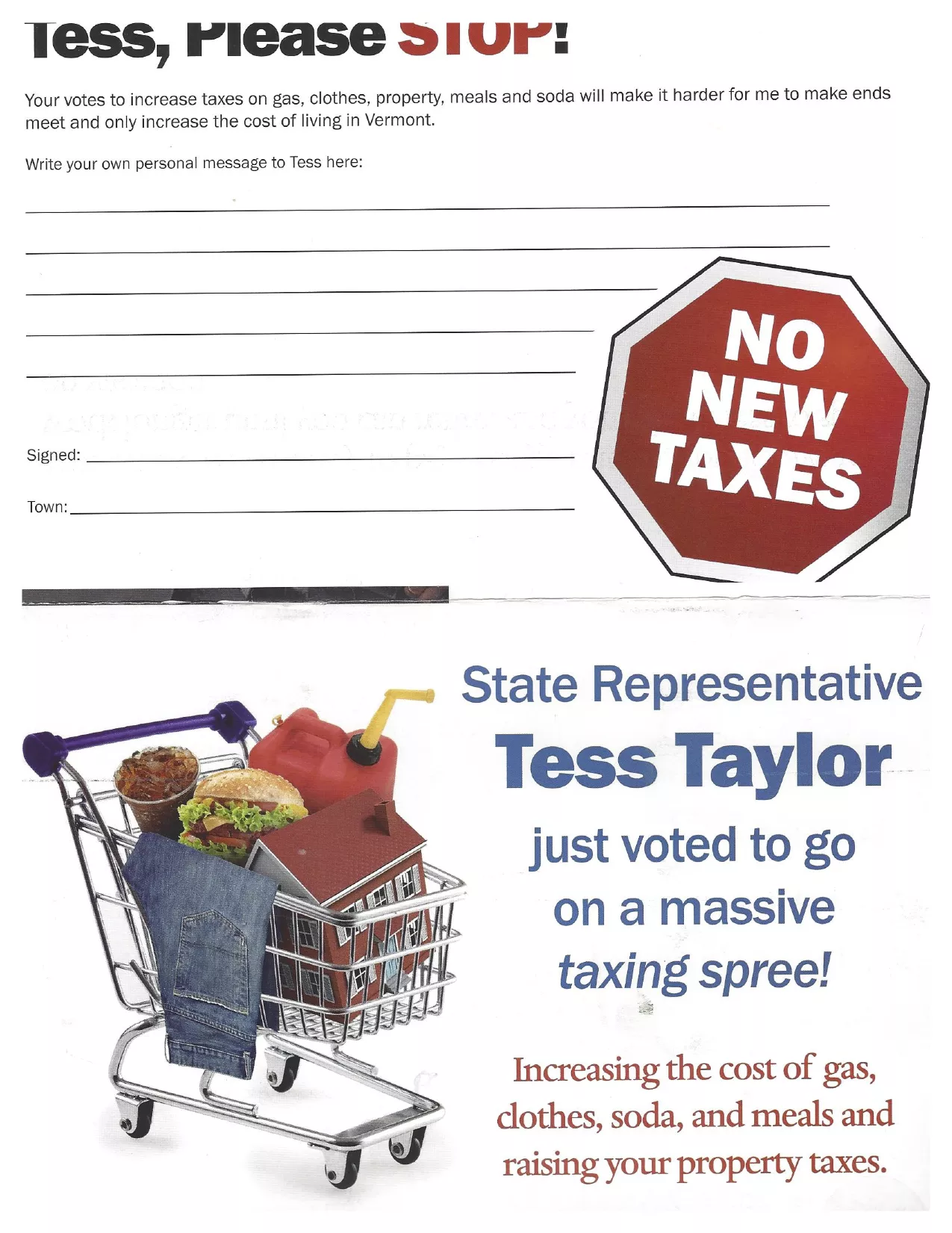
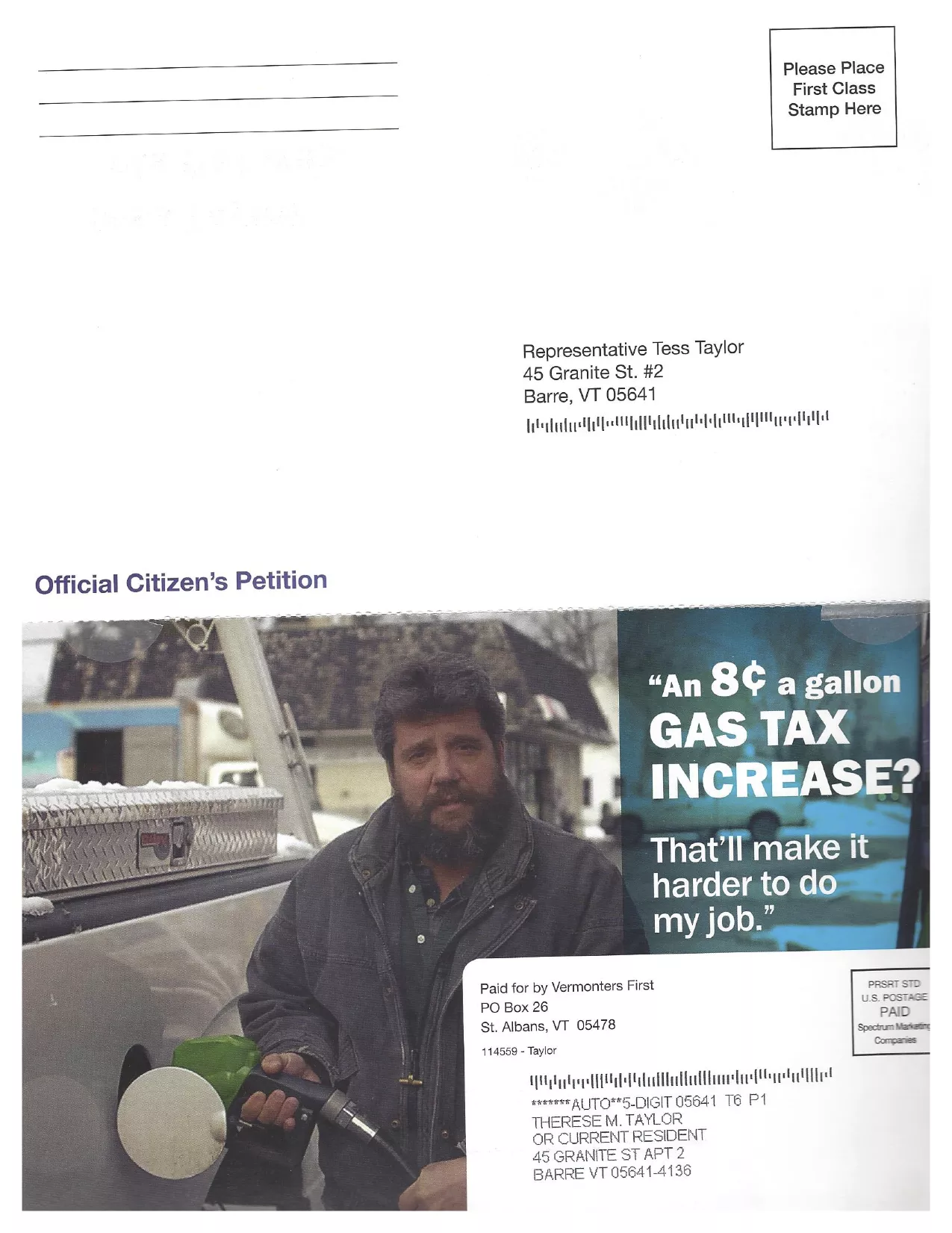
But instead of a TV ad, the organization has instead blanketed the state with direct mail pieces calling out House Dems who "just voted to go on a massive taxing spree!" Those culprits, the piece adds, are guilty of "Increasing the cost of gas, clothes, soda, and meals and raising your property taxes."
Vermonters First treasurer and consultant Tayt Brooks wouldn't say Monday how many state reps were targeted, nor how many mailers were sent. But in a written statement he said it "was delivered throughout the state" and specifically focused on House members "who voted to increase the property tax (H.265), increase the gas tax (H.510), and increase the tax on clothing, meals and income (H.528)."
Here's a version sent to constituents of House Majority Whip Tess Taylor (D-Barre):
Friday, April 19, 2013
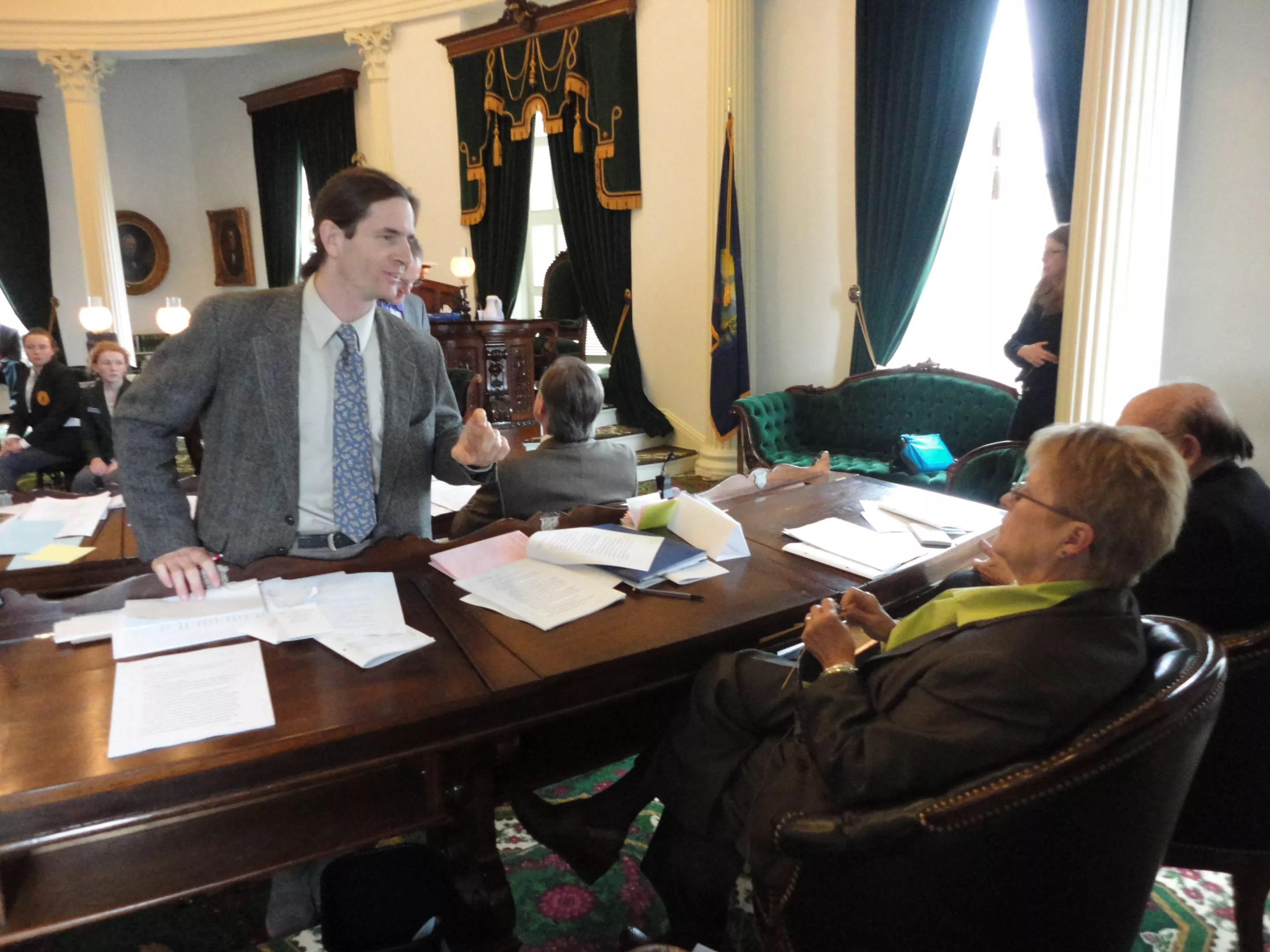
When the Vermont Senate voted 21-8 three weeks ago to ban corporate and union contributions to political candidates, chuckling broke out on the Senate floor.
Aware that many of those voting in the affirmative had long opposed such a move, Sen. David Zuckerman(P/D-Chittenden) stood up to say, "I hope the 'yes' votes were sincere."
Turns out they weren't.
On Thursday, with a much broader campaign-finance bill on the verge of final passage, the Senate dramatically reversed course, stripping that legislation of the corporate and union donation ban. This time they voted 19-11 against prohibiting such contributions.
Furious with the last-minute about-face, the ban's chief proponent, Sen. Peter Galbraith (D-Windham), cast the lone vote against the broader campaign-finance bill, as 29 of his colleagues voted to send it to the House for consideration.
"This bill is a sham," Galbraith said after the final vote was cast. "It is intended to persuade Vermonters that we are serious about campaign-finance reform when we are not."
Pictured above: Zuckerman attempts to pigeonhole Sen. Ann Cummings (D-Washington) during a brief recess.