

Tuesday, January 28, 2014
After striking some compromises between environmentalists and property rights advocates, the Senate Natural Resources and Energy Committee unanimously approved legislation on Friday that would tighten the rules governing shoreland development in Vermont. The bill is scheduled to come before the full Senate next week.
Big picture? The proposed rules are designed to improve water quality by limiting clearing and development on the very edges of Vermont's lakes and ponds; keeping shorelands more intact would prevent runoff and maintain critical habitat at the water's edge. Vermont passed some shoreland development rules in the 1970s, but they expired a few years later and were not reinstated. Today, according to the Agency of Natural Resources, Vermont is the only northeastern state without a statewide lakeshore protection rule on the books.
That may be about to change.
Monday, January 27, 2014
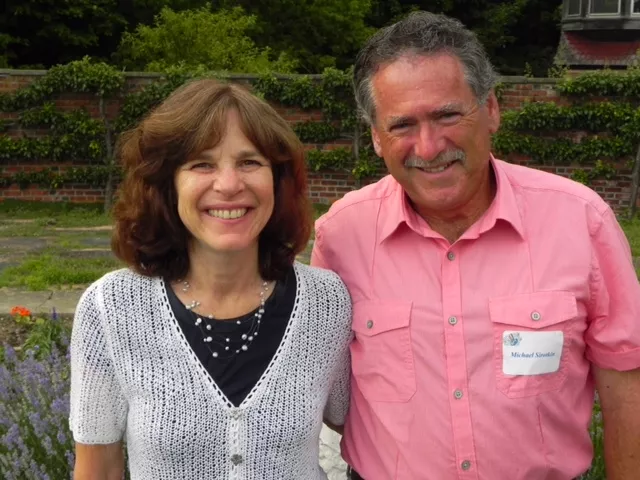
Gov. Peter Shumlin on Monday named South Burlington attorney and lobbyist Michael Sirotkin to replace his late wife, Sally Fox, in the Vermont Senate.
Sirotkin was one of three candidates recommended to the governor last Wednesday by members of the Chittenden County Democratic Committee. The others were Williston Selectboard member Debbie Ingram and Burlington management consultant Dawn Ellis.
"There were several exceptional candidates interested in this Senate seat," Shumlin said in a written statement. "But Sally wanted her husband to fill her seat after her death, and recognizing Sirotkin's strong qualifications, I'm honoring that request. I'm confident that Michael will continue the great work Sally did for the district and the state."
Wednesday, January 22, 2014
A new issue of Seven Days hits the newsstands today. Here's what you'll find inside:
- This week's cover story: Grey is the New Orange. Vermont's elderly prison population is a rapidly growing group, straining the state's correctional facilities.
- New details have been revealed in the case of the mentally ill man who was fatally shot by Burlington police last year. Documents say the cops knew they were dealing with a "mental-health issue" but didn't know Brunette's name before he was shot to death.
- A ski area sans chairlifts? Backcountry skiers are organizing to encourage more institutional support for off-piste winter sports.
- Current weather is a prime reason to fire up the woodstove — but are wood heaters polluting Vermont's air?
- In Fair Game: Vermont Public Television faces a staff revolt and the potential loss of federal funds due to allegations against its board. Plus, T.J. Donovan opts out of a potential primary rematch with Attorney General Bill Sorrell, and state Sen. Peter Galbraith raises a ruckus over health care funding.
Get all these stories and more in print, online or on the app.
Cover photo by Tom McNeill

Updated below with news that former Vermont Democratic Party chairman Jake Perkinson and Rep. Kesha Ram (D-Burlington) have dropped out and endorsed Sirotkin. Rep. Tim Jerman (D-Essex Junction), meanwhile, says he will stay in the race. Gov. Shumlin says he's "thrilled" Sirotkin is interested.
In a move likely to upend the contest to fill a Chittenden County state senate seat opened up by the death of Sally Fox, her husband of 36 years says he's interested in succeeding her.
Michael Sirotkin, a longtime lobbyist and well-known figure in Montpelier, wrote Chittenden County Democratic Party chairman David Scherr late Tuesday to raise the possibility.
"Please accept this letter as an indication of my interest in being appointed to Sally's Senate seat," Sirotkin wrote. "Sally had months ago expressed an interest in my doing so, although clearly our first preference was always that the choice would never present itself. After much soul searching and encouragement from others, I decided I would welcome the opportunity if given such honor by your Committee and the Governor."
Sirotkin's decision comes just hours before an 80-member committee of Chittenden County Democrats is set to winnow the field to three candidates, whose names will be forwarded to Gov. Peter Shumlin. The governor is free to appoint a replacement from that list, or he can select his own candidate.
Monday, January 20, 2014
When some Vermont utilities started rejecting proposed home-grown solar installations last year, it looked like a plan to increase solar production in Vermont had been too successful.
Utilities were bumping up against a cap on so-called net-metered projects far faster than the lawmakers who'd designed the rules ever anticipated. Those utilities said it was time to put on the brakes; solar energy advocates argued that doing so would cripple solar development just as the industry was hitting its stride in Vermont.
Now a plan to breakup that solar standoff is gaining traction in Montpelier. The House Natural Resources and Energy Committee advanced legislation on Friday that would relax the cap on homemade power to better match the demand for residential solar generation. The bill will head to the full House on Thursday.
Friday, January 17, 2014
Defendants who argue compellingly that they committed a crime as a consequence of a past traumatic brain injury often go free in Vermont. That's because the state's courts have no way of dealing with such cases.
Judges cannot order defendants with TBI to be incarcerated, hospitalized or placed under state supervision — in contrast to those found incompetent to stand trial due to a mental illness or cognitive deficiency. As Seven Days reported last March in "Why Brain Injured Defendants Often Go Free," judges often have no choice but to let a defendant with TBI walk, even if he or she has committed numerous violent or sexual offenses and remains a threat to public safety.
But that could change this year. On Friday, Rep. Warren Van Wyck (R–Ferrisburgh) presented legislation to the House Judiciary Committee that would let judges order a brain-injured defendant to be committed to the custody of the Vermont Department of Mental Health, just like someone diagnosed with schizophrenia. And, like a person with mental illness, he or she could be tried for the crime if later deemed competent to stand trial.
Thursday, January 16, 2014
At least five Democrats are campaigning to fill a Chittenden County Senate seat opened up last week by the death of Sen. Sally Fox.
The candidates include two incumbent House members, a former state party chairman, a major philanthropist and the runner-up in the 2012 race to represent Vermont's most populous county. More contenders could yet emerge.
While the decision ultimately rests with Gov. Peter Shumlin, he is likely to choose from a list of candidates — typically three — sent to him by the Chittenden County Democratic Committee. That group plans to meet next Wednesday at 6:30 p.m. at the Fletcher Free Library to make its selection.
All five declared candidates have been calling and emailing the 80 county committee members eligible to vote. Only members who live within the district — which includes most of the county, but excludes Colchester, Huntington and Buel's Gore — can cast a ballot.
So who's running? Here's the list, thus far, in alphabetical order:
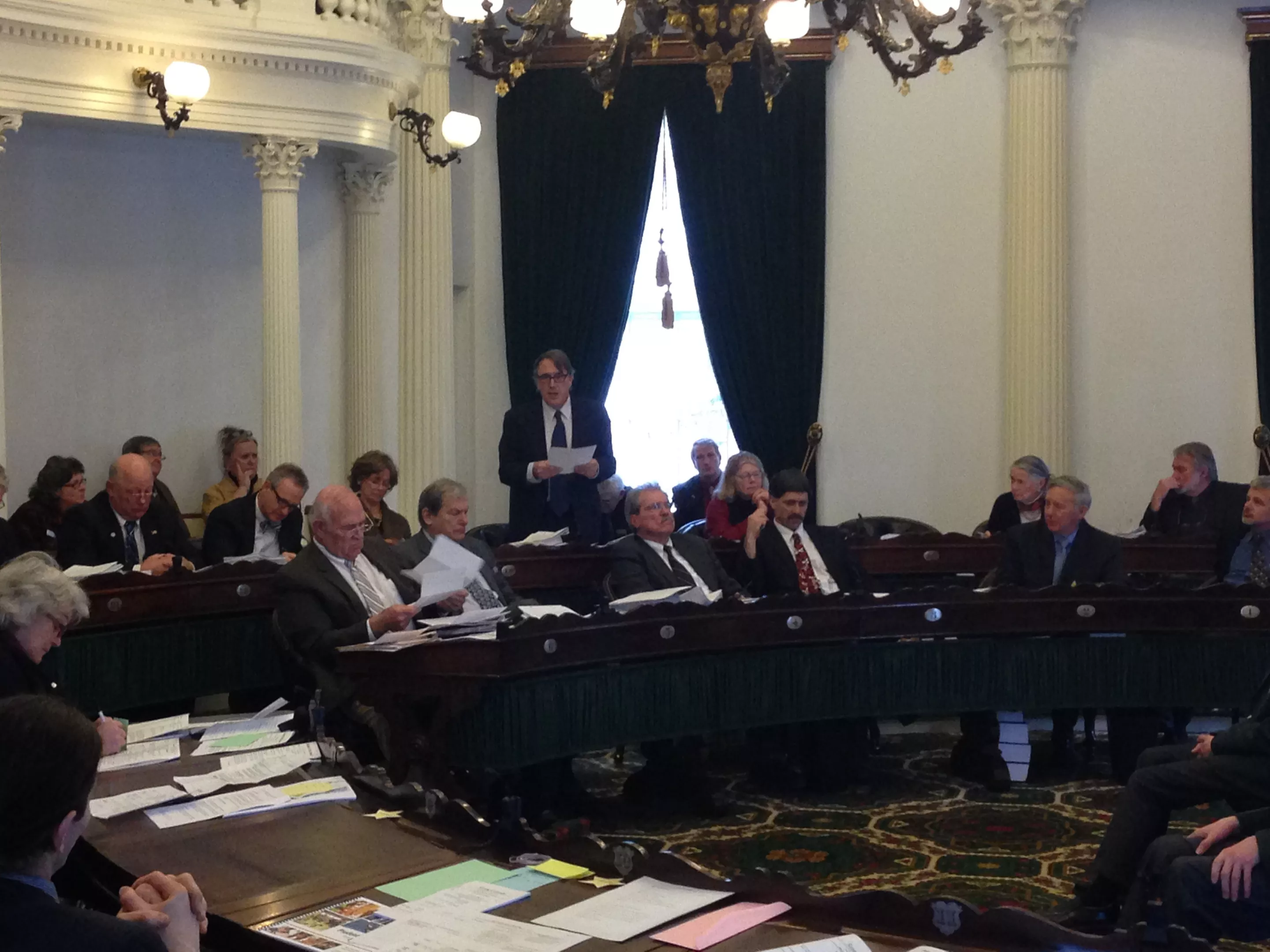
Nearly eight years after the U.S. Supreme Court threw out Vermont's campaign fundraising and spending limits, the state is poised to adopt a new set of rules.
By a vote of 20-8, the Vermont Senate on Thursday passed compromise campaign finance legislation approved last week by the House. It now heads to Gov. Peter Shumlin, who "will want to review the language but expects to sign the bill," according to spokeswoman Sue Allen.
The legislation would double to $4,000 the amount individuals and corporations can donate to statewide candidates in a two-year election cycle and would quintuple to $10,000 the amount they can donate to political parties.
At the same time, it decreases to $1,500 the amount those entities can contribute to Senate candidates; to $1,000 for House candidates. Those limits currently stand at $2,000.
Wednesday, January 15, 2014
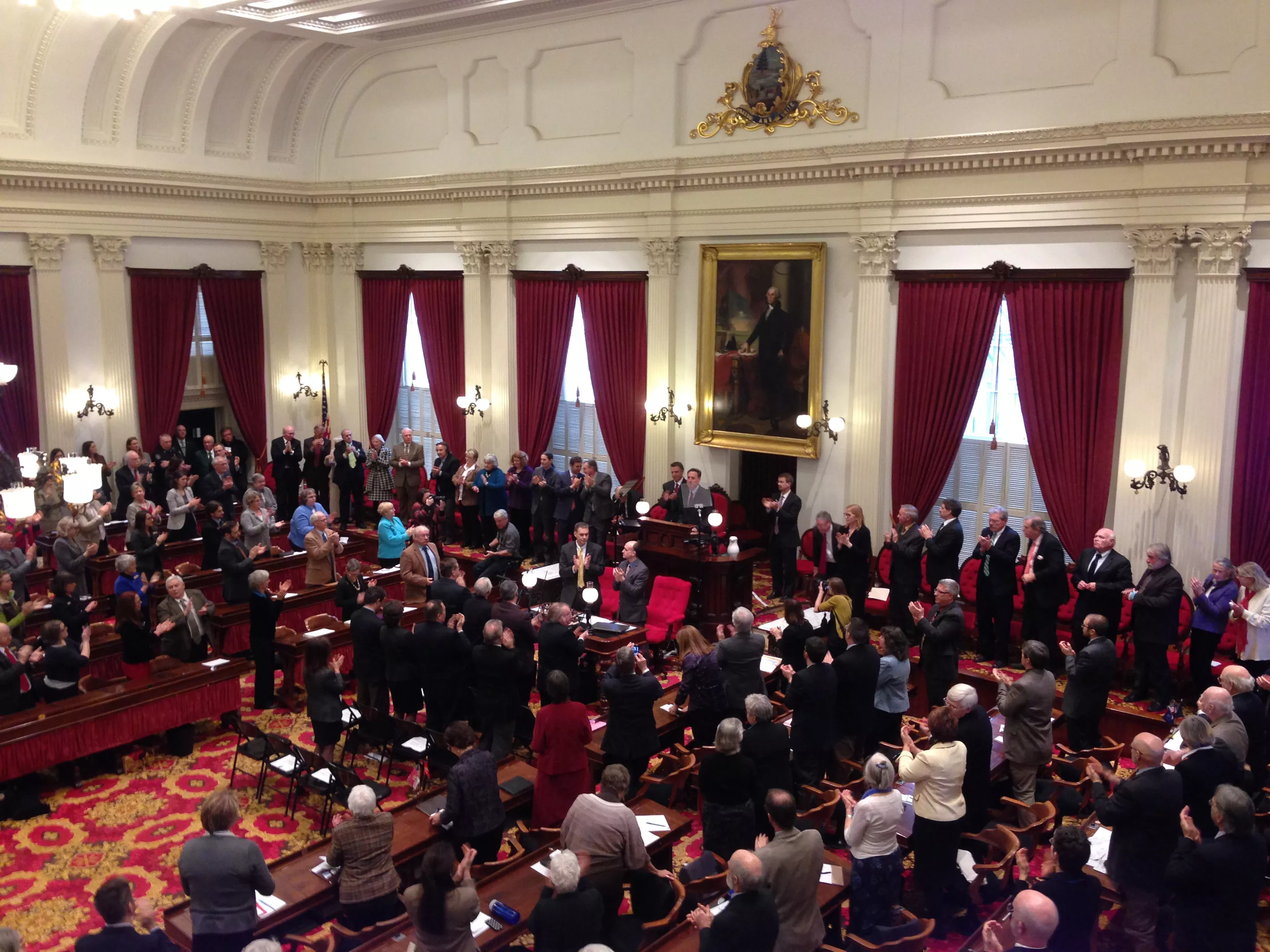
What a difference a year makes.
When liberal lawmakers and low-income advocates exited the House chamber last January after Gov. Peter Shumlin's 2013 budget address, they were downright apoplectic.
Summoning the spirit — or at least the rhetoric — of Ronald Reagan, Shumlin vowed to take on the so-called welfare state. He proposed capping Reach Up benefits for needy families and diverting a portion of the Earned Income Tax Credit to fund other priorities. The Democrat-dominated legislature quickly rebelled, and many of Shumlin's proposals died a slow death.
This year, Shumlin sang a different tune.
Not far into the governor's 2014 budget address, which he delivered Wednesday afternoon to the Vermont House and Senate, Shumlin called on legislators to spend $4.3 million more next year to "move Vermonters out of poverty."
"In these challenging times, as the federal government continues to make shortsighted cuts that hurt our most vulnerable, our state must do what we can to blunt the damage by allocating our limited resources wisely," he said.
To that end, Shumlin proposed doubling the state's investment in rental subsidies and increasing funding for homeless shelters and child-care centers. Notably, he pitched spending $650,000 more on substance abuse and mental health treatment for Reach Up recipients.
It was as if he was pushing the reset button.
Friday, January 10, 2014
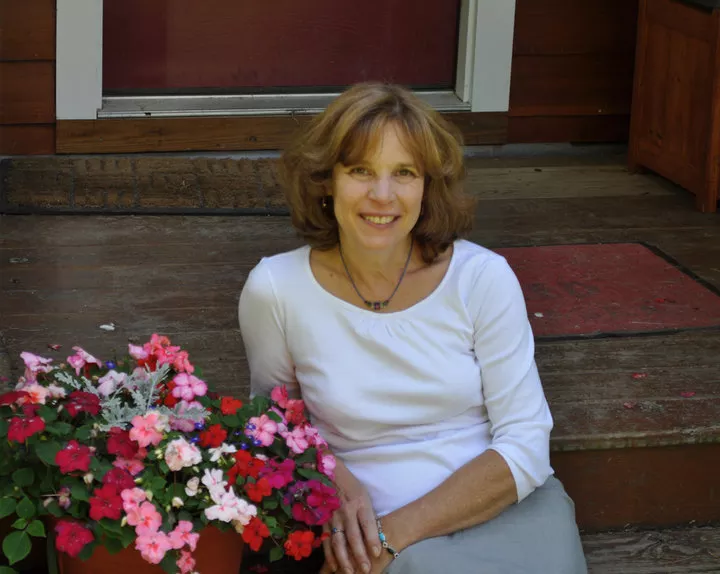
Sen. Sally Fox died early Friday morning after a two-year battle with lung cancer. She was 62.
An attorney, advocate and veteran legislator, Fox earned a reputation as a tenacious advocate for children, the disabled and low-income Vermonters.
"Her heart was as big as the state," said Senate President Pro Tem John Campbell.
Since she was diagnosed with sarcoma during the 2012 legislative session, Fox fought to continue serving her Chittenden County constituents in the Senate. According to Campbell, he offered several times to move her off the time-intensive Senate Appropriations and Senate Health and Welfare committees, but she declined.
"She said, 'No, I have work to do and I will do it until I can't,'" Campbell recalled.