

Wednesday, April 29, 2020
I'm not allowed into some places. When I am, I can't get close to anyone.
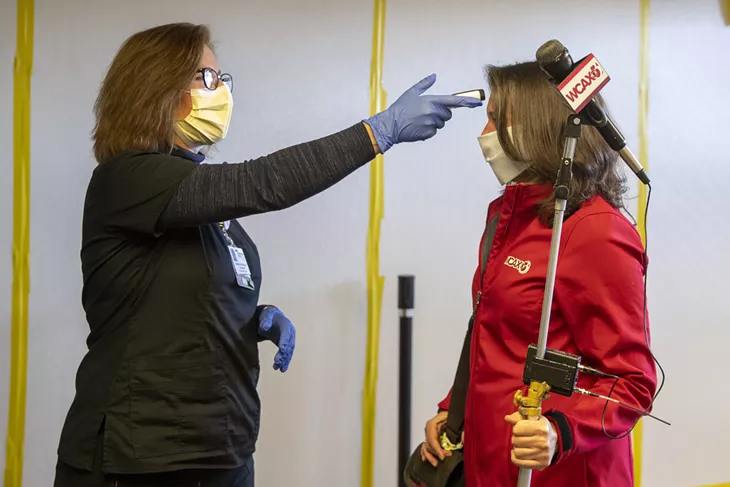
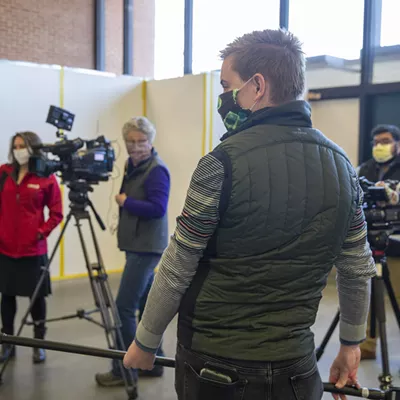
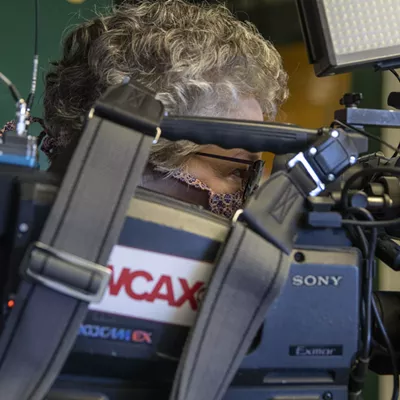
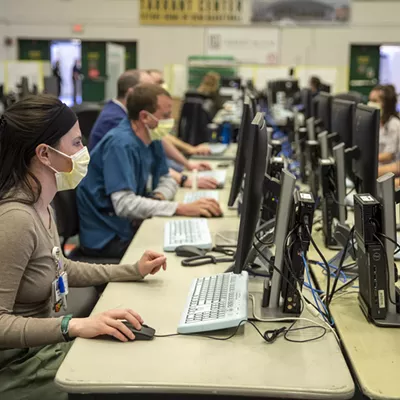
In recent weeks, I started photographing some of the people who are still doing essential work — medical staffers, journalists, volunteers — wherever I could. I do my job in a mask and gloves, getting close to people while maintaining appropriate distance.
I was lucky enough to spend time in several workplaces. At Feeding Chittenden, I photographed volunteers as they prepared meals for vulnerable people who are being quarantined at home and in hotels.
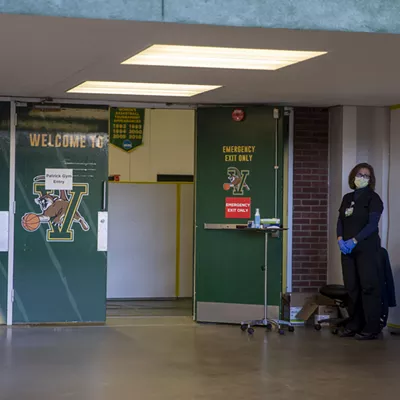
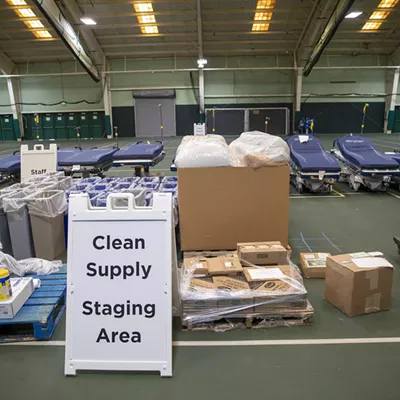
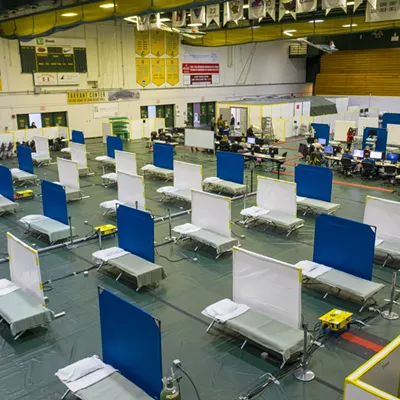
I toured a COVID-19 patient overflow site at the University of Vermont's Patrick Gymnasium. The basketball courts where I normally photograph games had been turned into a makeshift hospital with wall-to-wall beds and a negative-pressure room constructed to contain the spatter of bodily fluids during procedures such as intubations. To date, patients have not been treated there.
I walked a route through empty streets in Burlington's Old North End with a U.S. Postal Service carrier whom Eva Sollberger interviewed for this week's Stuck in Vermont episode on essential workers.
Here's a look at some of those people. How is COVID-19 affecting your life? I'd like to capture your story in photos. Contact [email protected] or @jamesbuck on Twitter
Monday, April 27, 2020

The Vermont Department of Health on Monday released town-by-town COVID-19 case tallies, after previously providing only county-level data. The new figures, while incomplete, offer a more precise view of the virus' spread throughout the state.
Tags: coronavirus , COVID-19 , Vermont Department of Health , town-level data , Burlington , Birchwood Terrace , Burlington Health & Rehabilitation Center , Web Only , Image
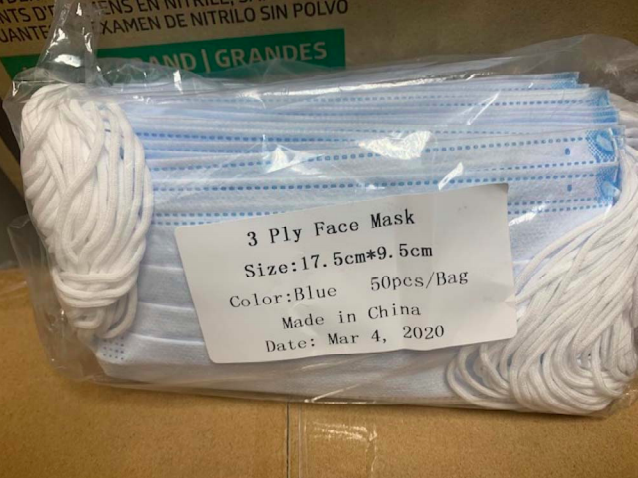
Vermont Superior Court Judge Helen Toor granted the state's request for an injunction against Shelley Palmer and his company, Big Brother Security Programs.
Palmer, of Williston, is accused of violating the Vermont Consumer Protection Act by selling thousands of 10-cent surgical masks to Central Vermont Medical Center for $2.50 each, exploiting the pandemic-induced shortage of personal protective equipment to earn exorbitant profits. He's also accused of trying to market the masks as N95 respirators. Attorney General T.J. Donovan sued Palmer earlier this month.
Palmer runs a transportation service. In numerous media interviews, he has strenuously denied selling the masks as N95s and defended his pricing scheme as fair.
He repeated those defenses, along with what Toor called "skeleton" legal arguments during a hearing last week, but the judge was having none of it. In a 17-page order, Toor concluded that Palmer lacked any credibility.
"The court rejects much of Palmer's testimony," she wrote, "because some was just not believable, some was contradicted by other more credible witnesses, he changed his own testimony from moment to moment, he lied to his customers, and he blatantly lied under oath."
The dispute about Palmer's marketing tactics was apparently settled by surveillance video from a South Burlington urgent care clinic where Palmer tried to sell the masks. Palmer can be heard describing his products as N95s and arguing with a clerk who corrected him, Toor wrote.
Palmer also tried to sell them to the state's Department of Public Safety, again passing them off as N95s, according to testimony by Commissioner Michael Schirling described in the judge's order.
After the state sent him a cease-and-desist order in late March, Palmer sold another batch of masks to his office manager's husband. The employee, Richard Morrell, then sold them at the same $2.50 price to Central Vermont Medical Center, Toor found.
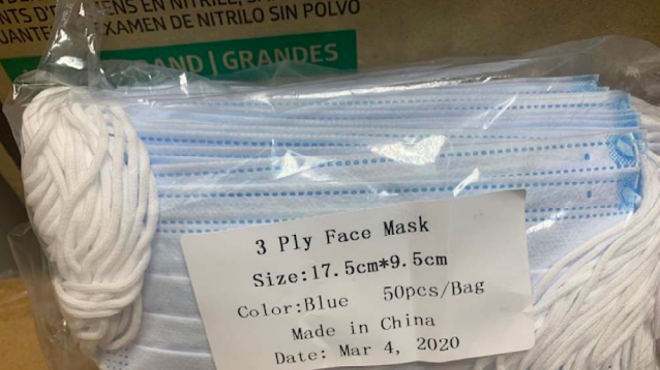
Toor determined that the prices Palmer charged were "grossly excessive and unconscionably high."
Donovan's office proposed that Palmer could continue to sell the masks at a "reasonable rate" of up to 10 percent over verified costs, with notice and documentation to the state.
Palmer has until April 30 to seek permission to sell the masks at restricted prices or file any other written objection to the injunction. The civil case against him will proceed.
Read Toor's order here:
Tags: Shelley Palmer , T.J. Donovan , Vermont attorney general , Helen Toor , price gouging , Central Vermont Medical Center , coronavirus , COVID-19 , Web Only , Image
Friday, April 24, 2020
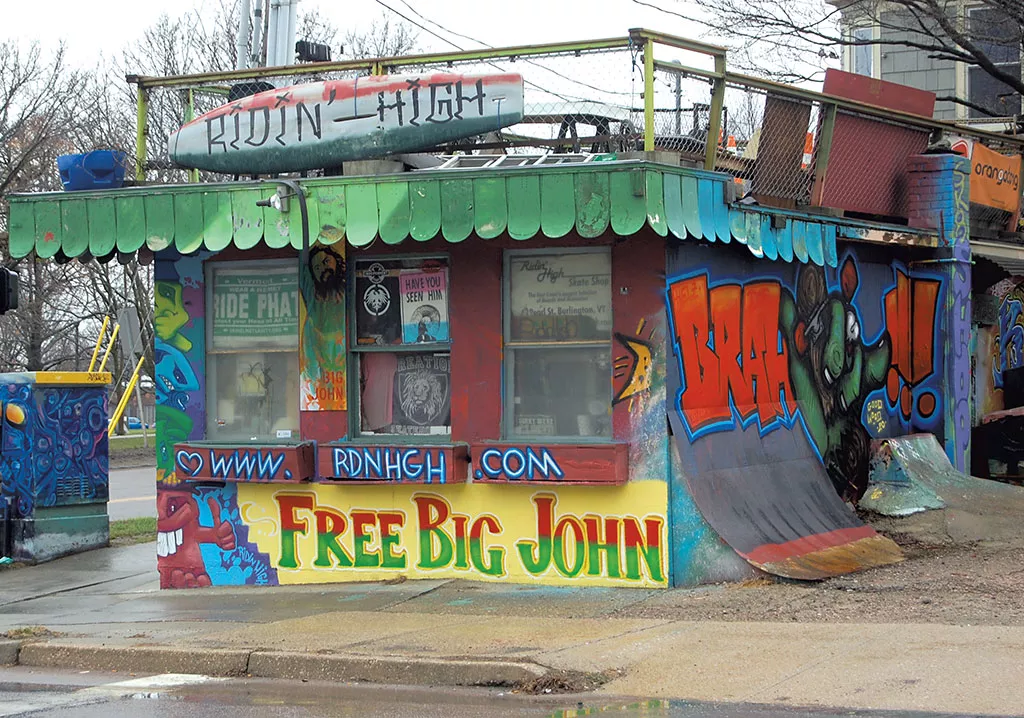
Ridin' High owner John Van Hazinga, jailed for dealing pot from his Burlington skate shop, was released this week over concerns about the coronavirus outbreak at the prison where he was confined.
Van Hazinga was awaiting sentencing on a federal drug charge at Northwest State Correctional Facility in St. Albans when signs of outbreak emerged on April 1. He asked a federal judge to release him pending sentencing the following day.
Tags: John Van Hazinga , Northwest State Correctional Facility , Michael Hayes , Jim Baker , Department of Corrections , Coronavirus , COVID-19 , Web Only , Image
Thursday, April 23, 2020
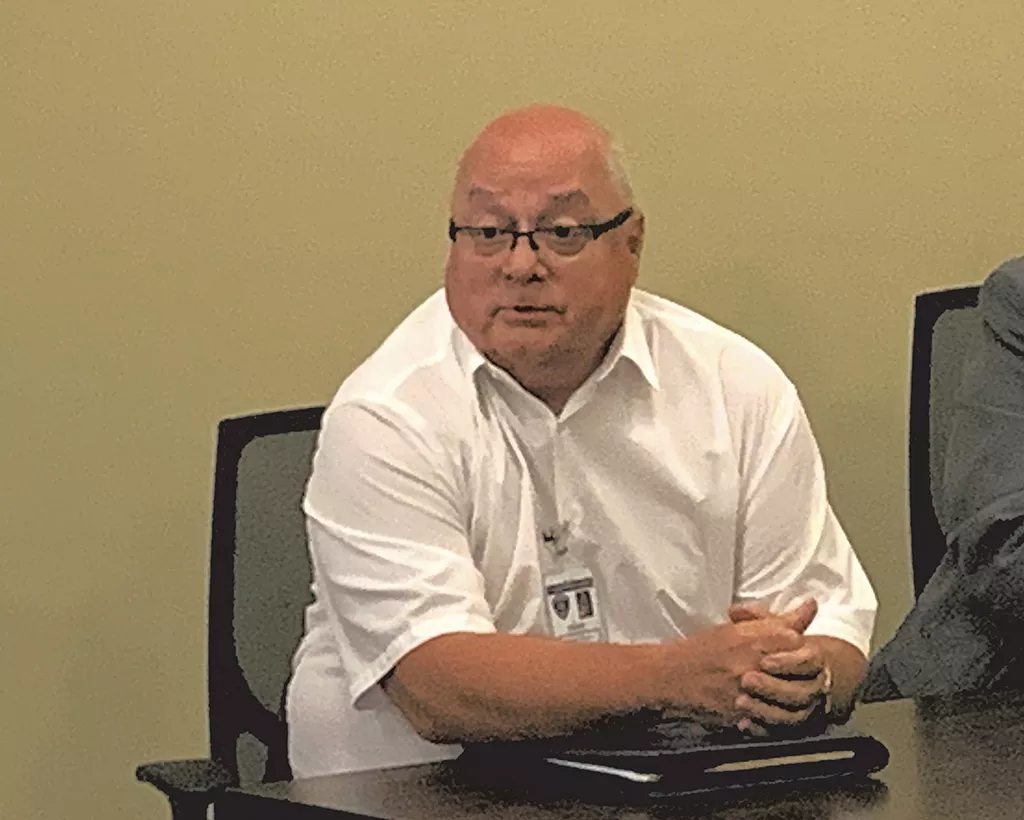
In a lengthy statement released Thursday, Mayor Tim Smith continued to defend the department and longtime Chief Gary Taylor, who he said has "transformed" the force in recent years. Smith also detailed the existing "recruitment gauntlet" that would-be cops must pass. But the weekend arrest of officer Zachary Pigeon for sexual assault, kidnapping and other charges suggested that further changes are needed, Smith wrote.
"The Pigeon allegations indicate that we also need to increase the effectiveness of our recruitment and selection programs and ensure we are providing the training that reflects our values," the statement said.
Tags: St. Albans Police Department , City of St Albans , Tim Smith , Gary Taylor , Zachary Pigeon , Jason Lawton , Web Only , Image
Wednesday, April 22, 2020
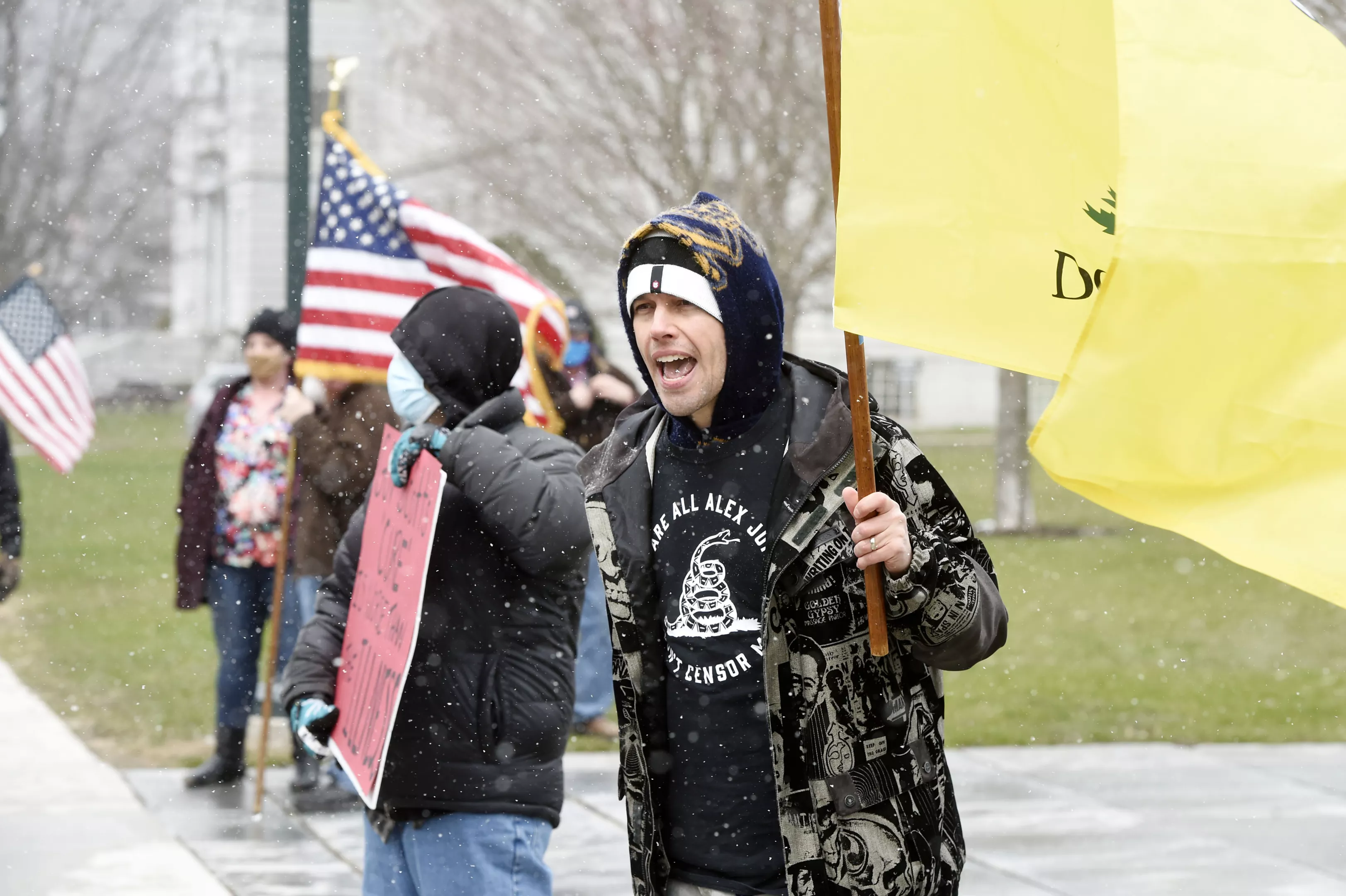
Reporter Michael Bielawski of the conservative news website True North Reports did his best to get a zinger, teeing up perennial state GOP candidate H. Brooke Paige, who was gripping an enormous American flag.
“In the beginning, they said it was going to be hundreds of thousands of deaths. Now they’re saying 60,000-ish deaths, pretty much in line with flu season,” Bielawski said. “But they’re saying they saved us, because we did all this. Do you see any concern there, that they got it really wrong, but they saved us?”
Tuesday, April 21, 2020
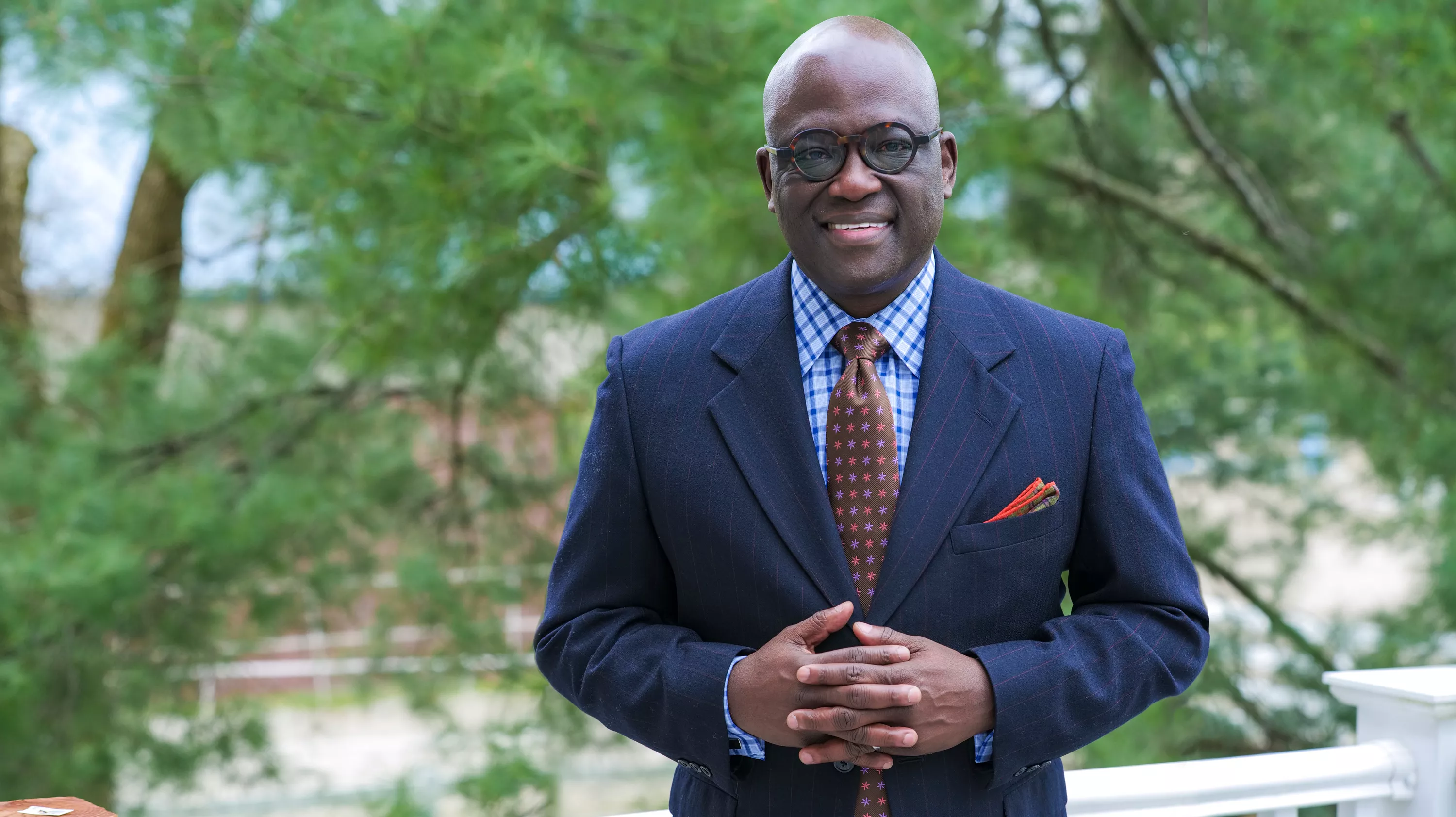
Akande, who takes over the position on July 1, replaces Dr. Laurie Quinn, Champlain College's provost and senior vice president for academics, who has served as interim president since July 1, 2019. The Nigerian-born, American-educated professor, administrator and economist becomes the college's ninth president and the first person of color to serve in that position since it was established in 1878.
Tags: Benjamin Akande , Champlain College , Web Only , Image
The first mailings from the U.S. Census Bureau asking households to fill out the census started arriving at homes across the nation on March 12. The next day, Gov. Phil Scott declared a state of emergency in Vermont.
Five weeks later, only 42 percent of Vermont households have filled out the census form. The state is lagging behind the national average by around nine points. Social distancing shouldn't impede responses. You can fill out census forms by mail, phone or — for the first time — online at 2020census.gov.
But coronavirus precautions have put on hold many of the census' outreach activities. Census workers typically head out into communities in droves to knock on doors of homes that haven’t responded and to spots like college dormitories and nursing homes to make sure residents are counted. Some survey the homeless population.
All of that is postponed for now. And the dorms have largely emptied. The census asks where each person lived on April 1, which for most college students this year was at home, not at school. The Census Bureau advises students to fill their form out as if they were at school.
For many households, filling out the census form is probably not top of mind.
“Everyone is just overwhelmed,” said Michael Moser, who coordinates the Vermont Census State Data Center.
Friday, April 17, 2020

Certain outdoor businesses, such as property management services and small construction crews, will be allowed to return to work starting Monday, April 20, Scott said. So will some low-contact services, such as appraisers, real estate agents and attorneys.
The governor also issued new guidance for retail operations, which he said could allow businesses that meet “strict safety measurements” — such as remote ordering and curbside pickup or delivery only — to reopen.
Farmers markets will also be permitted to open starting May 1, Scott said, with the Agency of Agriculture, Food and Markets now preparing guidelines. The announcement comes a week after the Scott administration deemed markets to be nonessential under his stay-at-home order.
Tags: Phil Soctt , governor , Vermont , COVID-19 , coronavirus , economy , Web Only , Image
Wednesday, April 15, 2020
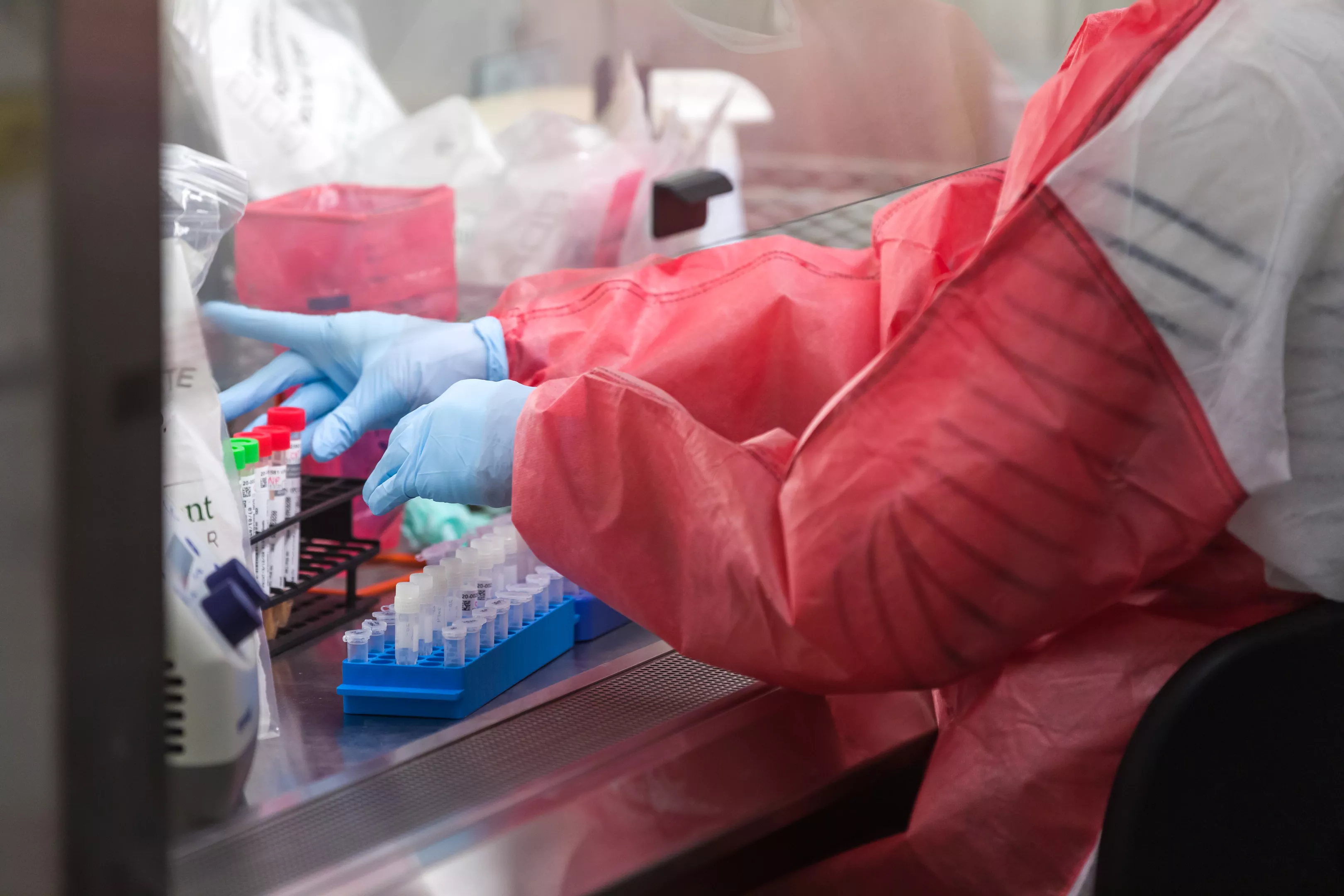
The new regulations require most insurance plans to waive all fees, copays, coinsurance and deductibles for those seeking diagnosis and treatment of the disease caused by the coronavirus.
"During this unprecedented emergency, Vermonters deserve access to the care they need to stay safe and healthy,” Gov. Phil Scott said in a press release. “As we work to expand testing to more Vermonters with symptoms of COVID-19, it is critical that our efforts to help control the spread of the virus are not affected by insurance costs.”
Tags: COVID-19 , insurance , testing , Vermont , coronavirus , Michael Pieciak , Phil Scott , governor , Web Only , Image