

Friday, January 25, 2013
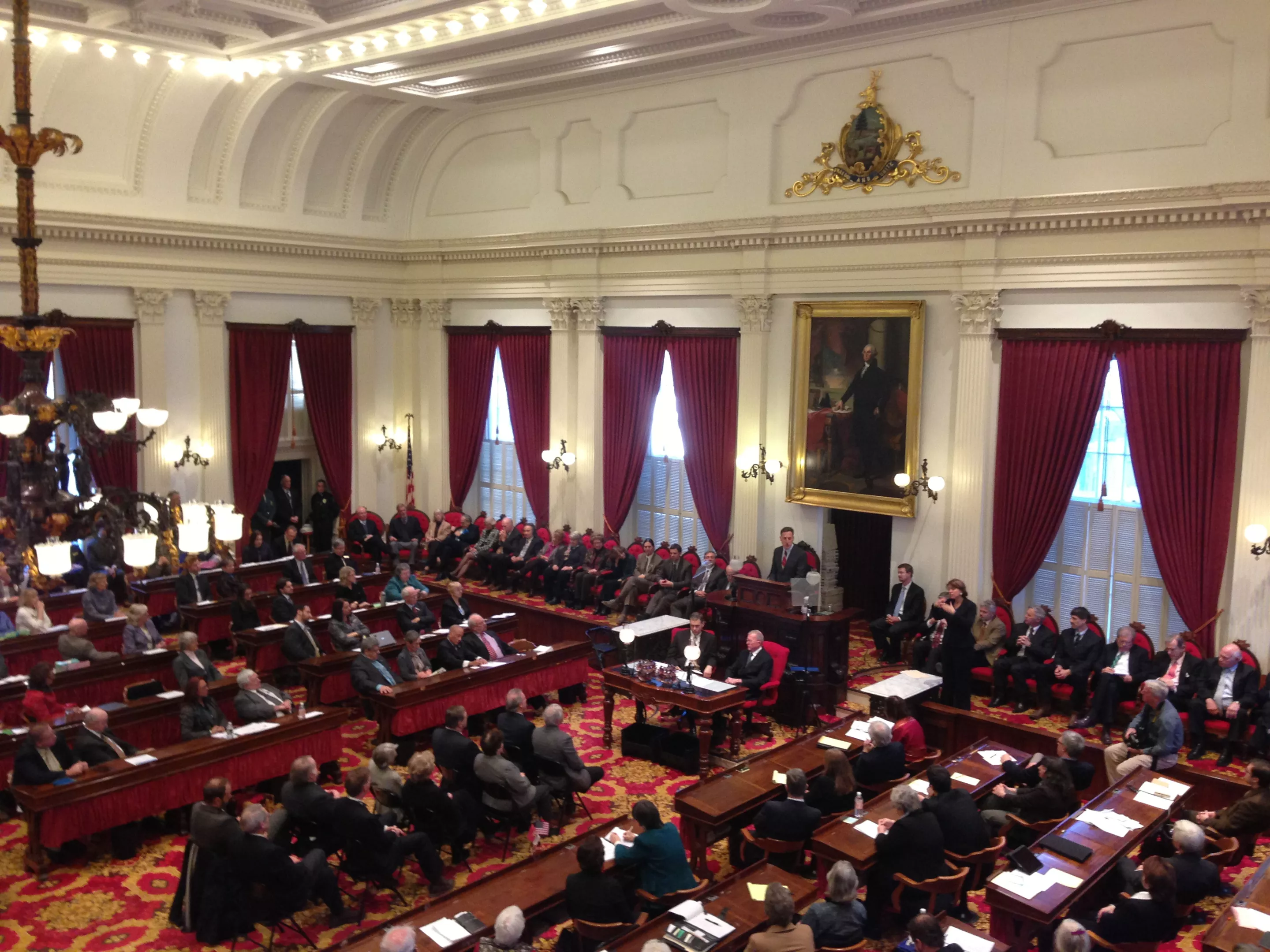
Sure, Gov. Peter Shumlin unveiled a $5.3 billion budget proposal Thursday. And he disclosed the $1.6 billion price tag of his single-payer health care plan. And his transportation secretary outlined a $28 million new gas tax.
But the question on many people's minds at the Statehouse was this:
What the hell is a "break-open ticket?"
For those who don't hang out at the local American Legion hall Saturday nights, break-open tickets are little scratch-off, lottery-like cards sold by nonprofit organizations. And believe it or not, Vermonters buy somewhere between 135 and 224 million of them a year, the Shumlin administration says.
In his budget address to a joint session of the legislature Thursday, Shumlin proposed slapping a ten percent tax on the tickets, which he said would raise $17 million for low-income heating assistance, home weatherization and clean energy development.
"The overall reaction in the audience was 'break-away what?'" said Senate Finance Chairman Tim Ashe (D/P-Chittenden), butchering the name of the tickets Shumlin hopes to tax.
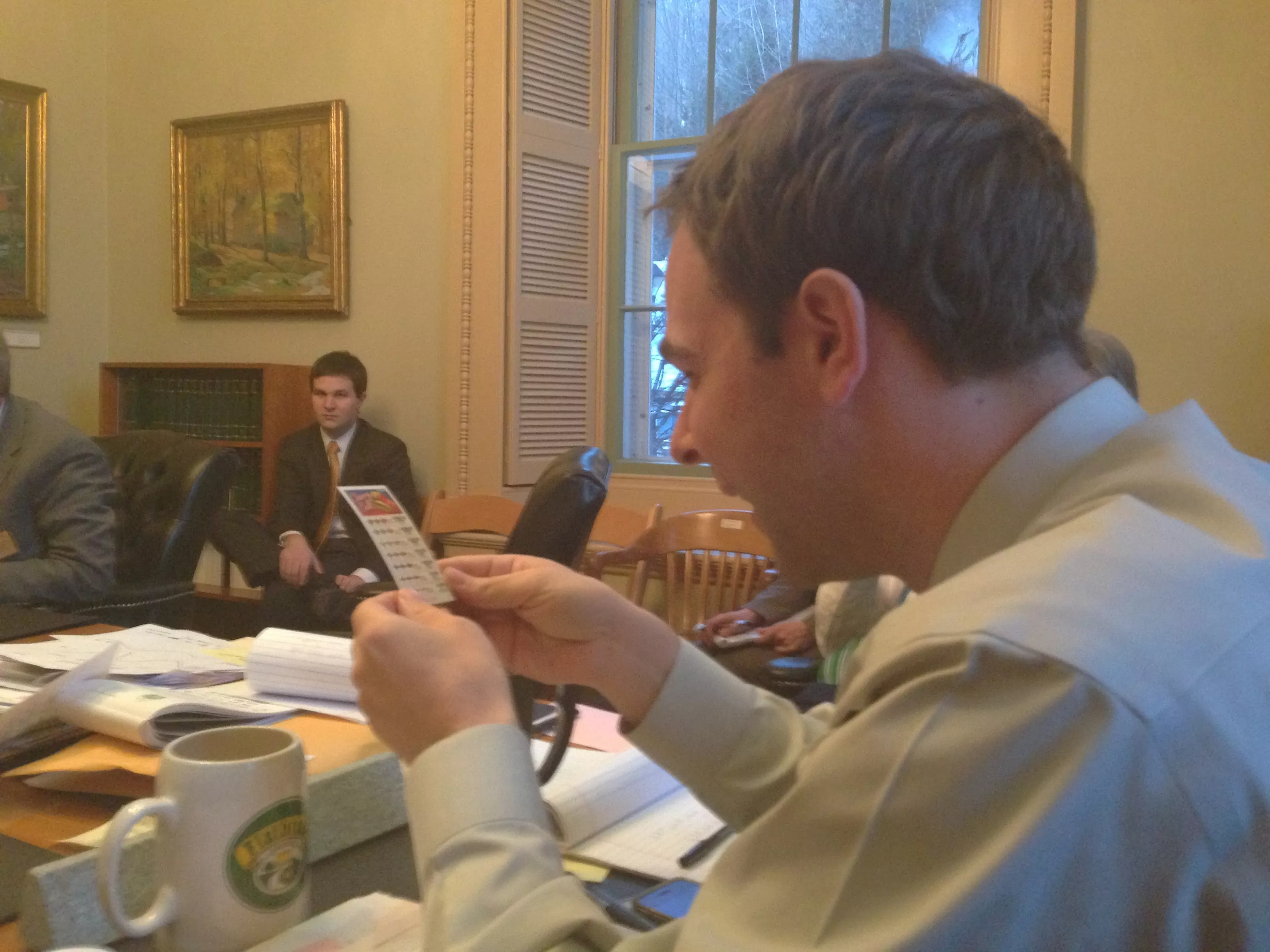
(Pictured at left, Ashe investigating a sample break-open ticket provided by the Department of Liquor Control at a Senate Finance Committee meeting Thursday afternoon.)
That the governor managed to identify a $17 million source of revenue half the Statehouse had never heard of provided legislators a brief moment of levity as they stared down a budgeting process filled with bleak choices.
Beyond break-open tickets, Shumlin's third budget address exposed two great contradictions in his professed approach to governing:
Thursday, January 24, 2013
An animal welfare group is calling a horse rescue in Shelburne "the worst case of abuse and neglect we have ever seen."
Clarendon-based Spring Hill Horse Rescue issued a press release Thursday saying it was called to a property in Chittenden County last Tuesday, January 15, to help three horses in dire straits. The group said it found two mares and a stallion that had been locked in small, dark stalls for several years.
"They were standing on several feet of built up manure — and were running out of room to stand upright," Spring Hill's statement said. "The bones, hair and hooves of their former herd mates surrounded them. These were the three survivors."
Chittenden County State's Attorney T.J. Donovan said Thursday that his office has opened a criminal investigation into the alleged abuse, and confirmed it took place in Shelburne. Neither he nor Spring Hill Horse Rescue would name the property owner.
Donovan said his office was consulted about the rescue last week but that no search warrant was issued. He said the horses were removed from the property.
"It appears the owner consented to hand them over," Donovan said. "They were not seized."
Animal welfare groups say they've seen a disturbing number of horse abuse and neglect cases lately, and have complained that Vermont law enforcement do not treat animal cruelty cases seriously.
After steering Democrats to victory last fall, two top campaign aides have found new jobs in state government.
Gov. Peter Shumlin's chief fundraiser, Erika Wolffing, was promoted last week to deputy commissioner of the Department of Labor.
Wolffing previously served as principal assistant to Labor Commissioner Annie Noonan until June 2012, when she left for Shumlin's reelection campaign. In her political role, she helped the governor raise $1.24 million to win a second term.
Wolffing earned $63,000 a year when she returned to the DOL two days after Election Day, according to Shumlin spokeswoman Sue Allen. Though Wolffing was promoted last week, her new salary is still being negotiated.
The deputy commissioner position has been vacant since Valeri Rickert left the Department of Labor in November 2011, Allen said. Rickert earned a salary of $83,000.
Vermont Democratic Party field director Ryan McLaren also recently returned to state government. McLaren worked as a temporary administrative assistant and then "private secretary" in the governor's office in 2011 before leaving to join the party in August 2011, Allen said. At the VDP, McLaren was tasked with identifying and turning out voters for Shumlin and the entire Democratic field.
Environmental activist Bill McKibben's latest campaign to lead colleges, foundations and churches to divest their fortunes from fossil fuel companies is catching on like wildfire. McKibben's "Do the Math" tour launched divestment campaigns on more than 200 college campuses, and two colleges and the city of Seattle have already pledged to yank their investments from companies McKibben and his group 350.org charge with environmental destruction.
But McKibben's own Middlebury College, where the Vermont writer serves as a scholar in residence, isn't rushing to jump on the bandwagon. Cautious exploration was the theme of the night on Tuesday, when Middlebury made good on its promise to broach the topic of divestment with a panel discussion about the college's $900 million endowment. The panel discussion follows a heated campus debate this fall about the topic of divestment, which students — along with McKibben, who was on Tuesday's panel — are promoting as the newest tactic in the fight against climate change. At Middlebury, students are also targeting arms manufacturers in their divestment campaign.
According to Alice Handy, the founder and president of Investure, the company that manages Middlebury's endowment, those funds actually make up just a very small portion of the school's $900 million endowment. College president Ron Liebowitz announced in December that roughly 3.6 percent of the endowment — around $32 million — is tied up in fossil fuel companies. Handy further clarified on Tuesday that less than 1 percent of the endowment is invested in arms manufacturing companies, and that slightly more than 1 percent is invested in the 200 fossil fuel companies McKibben's group 350.org is targeting with their national divestment campaign.
Wednesday, January 23, 2013
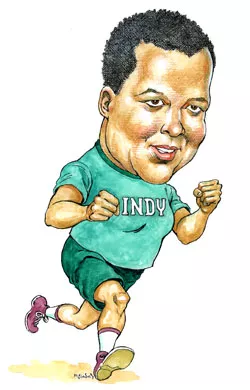
A year after launching her unsuccessful bid for mayor of Burlington, Wanda Hines is leaving city government for a job in the nonprofit world.
Hines was mum about her plans, but Mark Gadue, treasurer of the Joint Urban Ministry Project, confirms that she'll be joining the Burlington-based interfaith organization as program director.
"We're obviously excited about it," Gadue says. "It's a big step for us. We've been mostly an all-volunteer organization, for the most part."
Hines, who previously ran the Chittenden Emergency Food Shelf, has worked at City Hall since 2007, when former mayor Bob Kiss hired her to direct the Social Equity Investment Project.
"We're sorry to see her go," says Community and Economic Development Office director Peter Owens, who praised her for "fighting for and raising issues within diversity and cultural competency" in Burlington.
"She's done her work and feels like she's moving forward to a new challenge and opportunity," he adds.
Owens says the city does not plan to immediately replace Hines. He said he'd wait to hear recommendations put forward this spring by the Diversity and Equity Committee, which was established by the Burlington City Council last July to study diversity issues in city government.
"It will not be filled until we have a clearer idea of where we're going," Owens says.
Hines, who ran for mayor as an independent last March, won 5 percent of the vote.
She says she's looking forward to announcing more about her new job next week.
This week's print edition of Seven Days is our 2013 media issue — which you should also read on your iPhone or iPad with our new free app.
- Vermont's public-access TV channels may have big funding challenges as they face a possible "doomsday scenario."
- The state is home to lots of nationally famous journalists. Meet seven of them.
- State-run Vermont Life magazine is losing hundreds of thousands of dollars a year, but the publisher says he has a plan to turn it around.
- Burlington College film instructor Rick Winston has spent years researching a Burlington newspaper's role in McCarthy era witch hunts.
- Vermont food writers are flocking to the blogosphere.
- The Chester Telegraph brings online news to small-town Vermont.
- Media outlets and the ACLU are fighting to improve public records law — and Gov. Peter Shumlin is behind them.
- In non-media news, as the Legislature considers a three-year wind moratorium, we parse the polls to find out if Vermonters really support "industrial wind."
- And in Fair Game, Paul Heintz analyzes the evolution of Sen. Philip Baruth, rabble-rouser, to Sen. "Phil Baruth," political insider.
Monday, January 21, 2013
Here's what's happening in Vermont news and politics this week. Got a newsworthy event for next week's calendar? Email by Friday to submit.
Monday, January 21
- President Barack Obama is sworn in for a second term today. Watch all the action starting at 11 a.m. live on Vermont Public Television.
Tuesday, January 22
- At noon, Vermont education secretary Armando Vilaseca will discuss the governor's education reform plans on Vermont Public Radio's "Vermont Edition." Listen live.
- At 2:30, three House committees will hold a joint hearing in Montpelier on rising gas prices, at which U.S. Sen. Bernie Sanders (I-VT) and archnemesis, gasoline mogul Skip Vallee, are both set to testify.
- At 4 p.m., Harvard professor Henry Louis Gates Jr. delivers the keynote speech for UVM's Martin Luther King Day festivities. At Ira Allen Chapel. No word on a postspeech beer summit.
- At 7:30, Middlebury College hosts a panel discussion on whether social concerns should influence how colleges invest endowments.
Tags: Senator , Bernie Sanders , Web Only
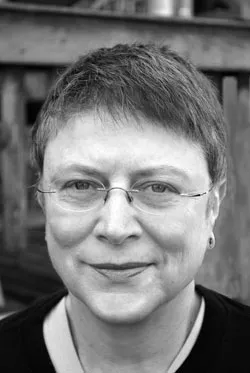
Four years after she gave up her seat to focus on her day job, former Burlington city councilor and University of Vermont provost Jane Knodell is staging a political comeback.
The Ward 2 Progressive said Sunday night she's planning to run this March for an Old North End council seat being vacated by Democrat Bram Kranichfeld.
"I continue to be really passionate about the city of Burlington — about my ward," Knodell says. "I think I've got a lot of experience and also some new ideas to help us move forward."
The first candidate to enter the race for the open seat, Knodell brings with her some serious credentials.
She represented Ward 2 on the council from 1993 to 1997 and from 1999 to 2009, and served two years as council president. An economics professor at UVM, Knodell stepped down as the university's provost last November after more than three years in the post.
"I think I learned a lot about how you make large organizations work," Knodell says of her time at the top of UVM. "The city is a large organization. I think I've got some new insights to bring."
She says she'll also bring a longer view to city government.
"There's been a lot of turnover in the council — a lot of relatively new councilors. That was part of my thinking: I could offer the historical perspective," she says. "Obviously, we have a brand-new mayor, a new administration, great people with good ideas."
Sunday, January 20, 2013
This just in from Senate Majority Leader Philip Baruth (D-Chittenden): He's abandoning an attempt to ban assault weapons and high-capacity magazines in Vermont.
In a statement emailed to Seven Days Sunday evening, Baruth says he's planning to withdraw a gun control bill he introduced in the Senate just last Tuesday.
The move comes a day after roughly 250 gun rights activists rallied at the Statehouse in opposition to Baruth's bill and other measures to restrict access to firearms.
In a three-paragraph statement, Baruth wrote that it's "painfully clear to me now that little support exists in the Vermont Statehouse for this sort of bill" and that he feared the legislation "may already be overshadowing measures with greater consensus."
Friday, January 18, 2013
"Would a Progressive Burlington, Vermont, mayor partner with the Koch brothers? Obviously not." That's what local left-wing agitator Jonathan Leavitt wrote in a 2011 blog post to illustrate the irony of Progressive Mayor Bob Kiss partnering with defense contractor Lockheed Martin on climate change initiatives.
How silly to think, Leavitt was suggesting, that the People's Republic of Burlington would ever do business with the billionaire Koch (pronounced "Coke") brothers, notorious among leftists for their bankrolling of numerous right-wing groups and causes.
Guess what?
Kiss' equally Proggy predecessor, Peter Clavelle, did do a deal with the Koch brothers (pictured) — and quite a momentous one, at that.