

Thursday, June 25, 2015
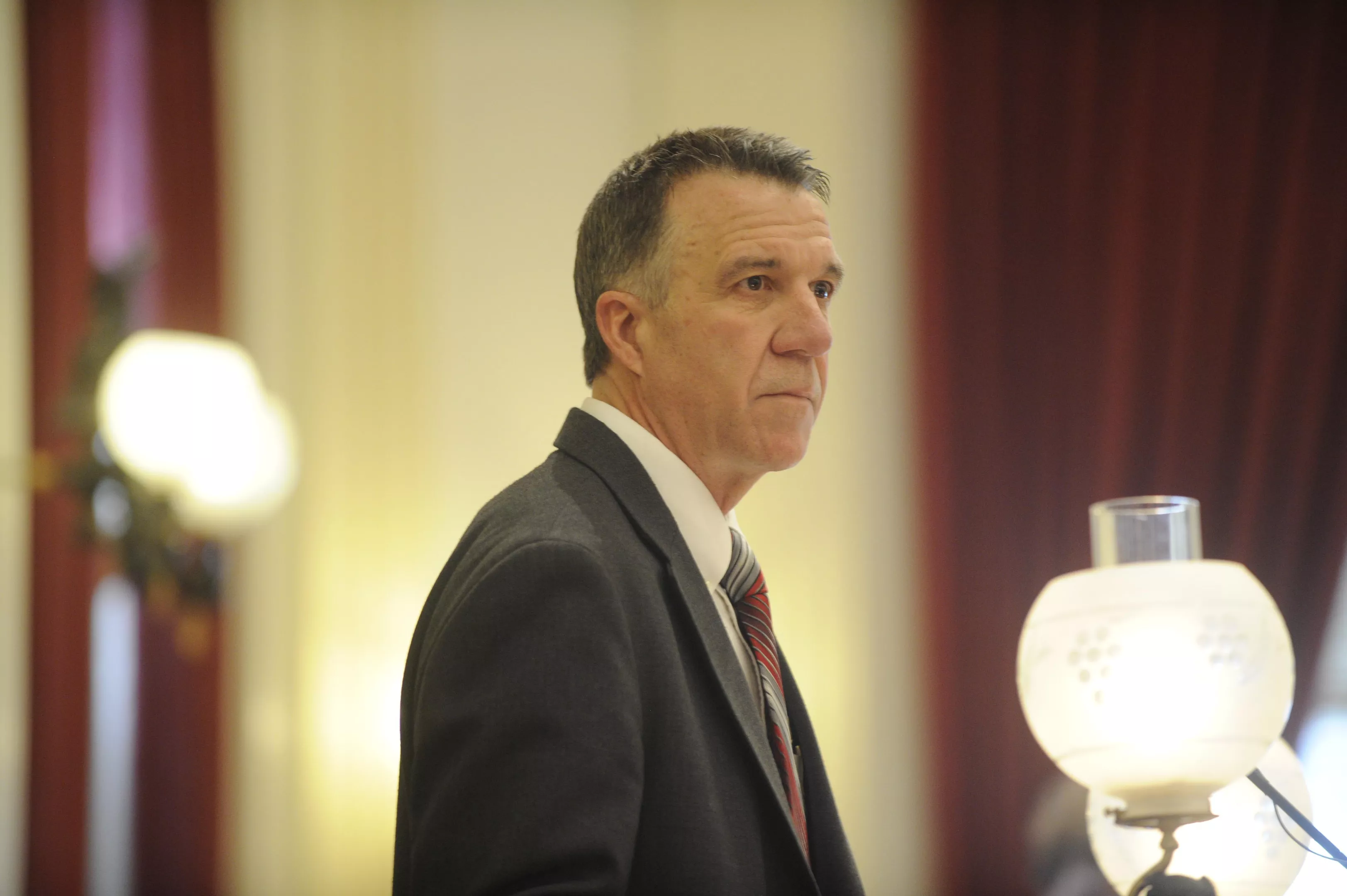
That's because the court's 6-3 vote preserves Vermont's option to abandon its troubled health insurance exchange, Vermont Health Connect, in favor of the federal exchange or a federal-state hybrid. For a year and a half, Scott has urged Gov. Peter Shumlin to make such a move, but the Democratic governor has warned that a different outcome in the King case could have jeopardized the federal subsidies that make other systems viable.
“For 18 months, officials have dismissed repeated calls to explore alternatives to our dysfunctional exchange, saying to do so would put Vermonters at risk of losing their subsidies," Scott said in a statement Thursday after the court released its decision. "Now that the fear of losing subsidies is no longer a valid argument, we must find the best path to affordable, accessible health insurance for every Vermonter.”
Like other states that operate their own exchanges, Vermont was never at risk of losing the federal subsidies that make its health plans more affordable for those with low and moderate incomes. But the three dozen states that use the federal exchange and the three that use a hybrid — Nevada, New Mexico and Oregon — were in such danger.
Scott and other Vermont lawmakers have urged Shumlin to consider a hybrid exchange, among other options.
Tags: King v. Burwell , Vermont Health Connect , Phil Scott , Shap Smith , Peter Shumlin , Lawrence Miller , Image , Web Only
Thursday, June 4, 2015

Kimiko Yumoto, 60, the wife of Burlington Free Press reader engagement editor Aki Soga, died Tuesday, according to her obituary in the Free Press.
After initially being diagnosed with Parkinson’s disease in 2007, Yumoto learned in 2011 that she had multiple system atrophy, her obituary says. That is a degenerative condition that diminishes the body’s involuntary functions, including heart rate and digestion.
“Kimiko chose to end her life through physician-assisted suicide under Vermont's Patient Choice and Control at End of Life Act (Act 39),” the obituary says. “Kimiko left us on the day and in the manner of her choosing, but long before her time.”
Tags: Aki Soga , End of Life Law , Burlington Free Press , Image , Web Only
Monday, June 1, 2015
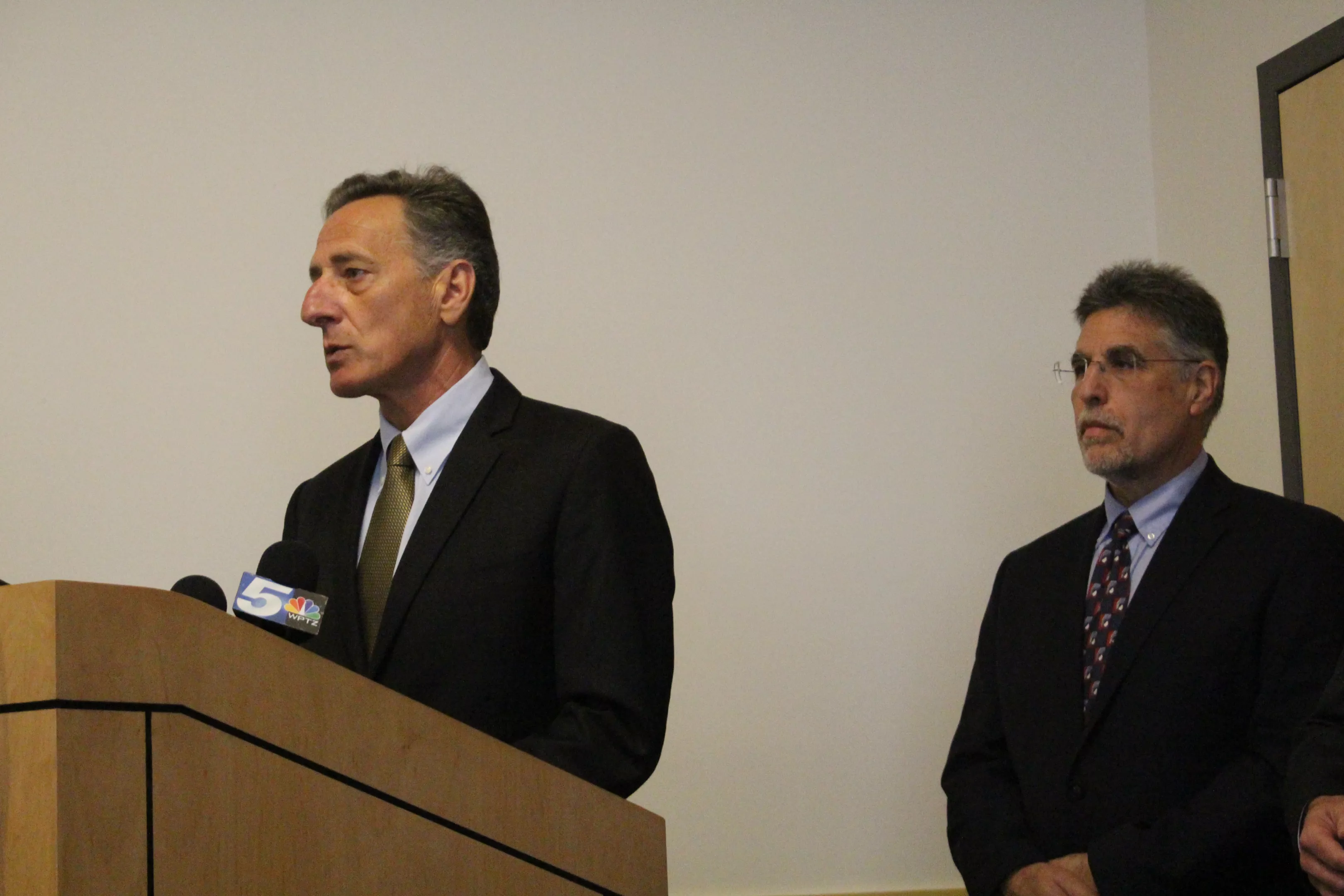
missing change-of-circumstance function — has been solved.
"I am pleased to announce this team behind me has delivered that tool," Shumlin said at a briefing about the upgrade, which adds the ability to make changes to insurance documents that become effective across six systems. The fix was made by the deadline the governor had set in March when he suggested that if this important function couldn't be implemented, it would be time for the state to consider options. One would be to move the state's online health insurance operation to the federal platform.
The new automated change-of-circumstance function will be available only to staff. Lawrence Miller, Shumlin's point man on Vermont Health Connect, said it would likely be October 1 before members of the public can type changes into their own documents. For now, customers must continue to call Vermont Health Connect or fill out an online form to process changes.
While the governor praised the achievement, he noted, "We have plenty of work yet to do." The next big challenge is to introduce automated renewal, which the state wants its contractor, Optum, to have operating by fall, when the bulk of policyholders need to renew for the next calendar year.
Tags: Vermont Health Connect , Peter Shumlin , Optum , Image , Web Only
Wednesday, May 20, 2015
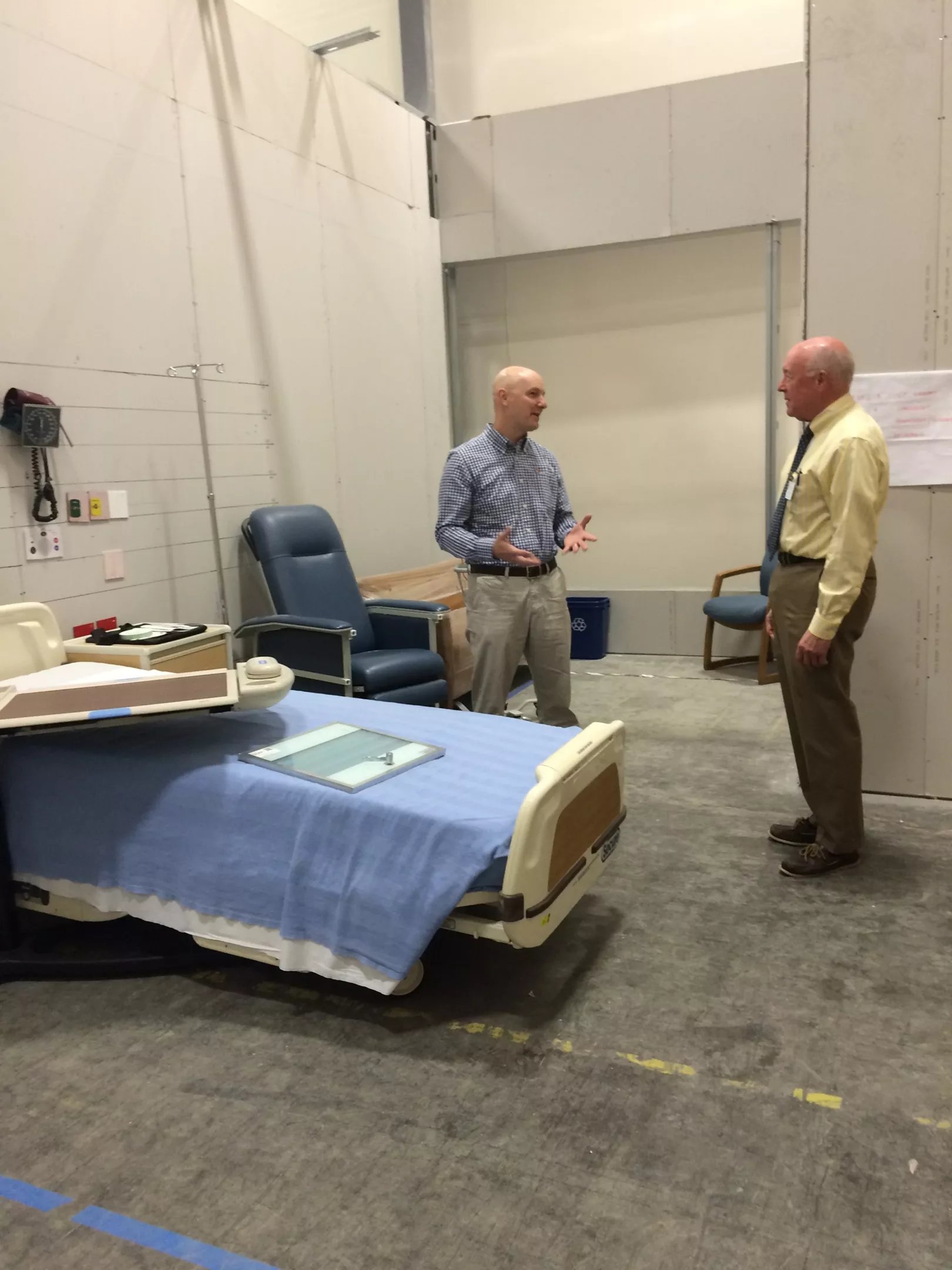
Morris is a partner in the architecture firm Morris Switzer, hired to transform patient rooms at the state’s largest hospital. Most patients admitted today end up in double-occupancy rooms that no longer meet contemporary care standards. Only 30 percent of the hospital’s 447 staffed beds are single-occupancy. The medical center has proposed a $187 million project to replace the oldest double rooms with 128 spacious private ones in a new tower.
A parade of medical center officials and consultants presented the case for the project to the Green Mountain Care Board over two days earlier this week. Considerable testimony focused on the benefits of private rooms, which officials argued are no longer viewed as luxury suites but as the standard when hospitals undertake projects. The medical center’s certificate-of-need application argues that single rooms reduce infection risks, decrease medication mistakes, and enhance patient wellbeing by accommodating families and reducing noise and traffic.
Morris said the mock-ups — built to actual size with plasterboard walls, plywood closets, and paper pictures of outlets and equipment hookups — allowed his firm to tap the expertise of users to refine the design.
Tags: Al Gobeille , Green Mountain Care Board , University of Vermont Medical Center , UVM Medical Center , Image , Web Only
Thursday, May 14, 2015

"We are confident we will make the deadline," Matt Stearns, vice president of external communications, said in an interview after private sessions with legislators. "Testing is ongoing," he said, adding, "It is on track."
Since Vermont Health Connect launched in October 2013, corrections to policies have had to be made using a labor-intensive manual process. That led to backlogs that grew to 14,000 accounts by last summer. The Shumlin administration fired its first contractor — CGI — because of its failure to deliver promised functions such as the automated change of circumstance. Optum was hired to replace CGI. It first attacked the backlog and then turned its attention to creation of the change-of-circumstance function.
Gov. Peter Shumlin put pressure on Optum in March, saying that if the new contractor couldn't deliver a working change-of-circumstance function by the end of May, it would be time to consider abandoning the state exchange and moving its customers to the federal exchange.
If Optum meets the deadline, Stearns said, the function would be available only to staff at the state's health insurance marketplace, not to the public. That has long been the plan. Insurance customers would still need to call Vermont Health Connect to request changes in their accounts. Changes might be as simple as new address, or could involve changes in income that affect eligibility for federal tax credits and state subsidies.
Tags: Optum , Vermont Health Connect , Peter Shumlin , Image , Web Only
Wednesday, May 13, 2015
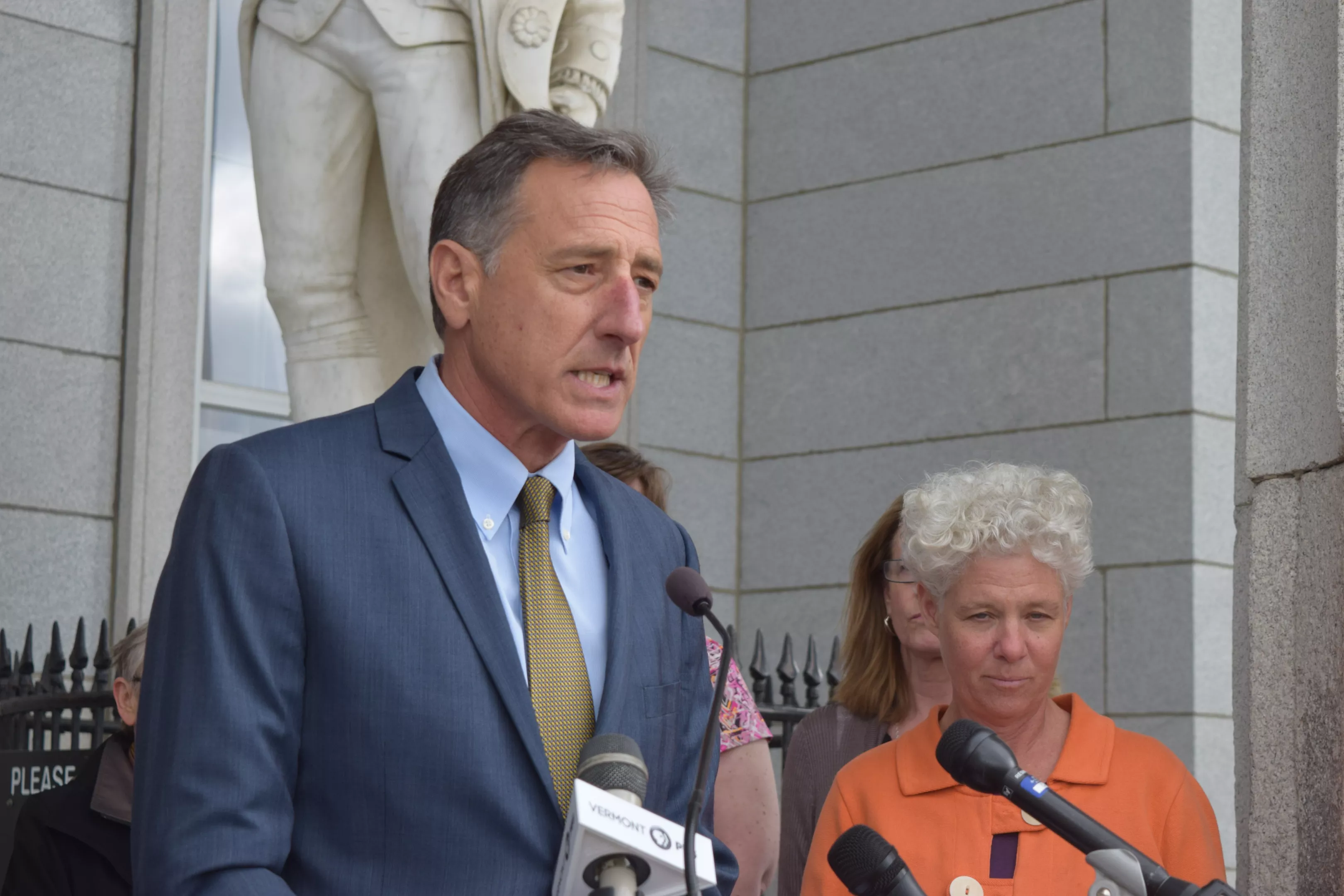
Gov. Peter Shumlin said Wednesday he's likely to sign a bill that would remove the philosophical exemption allowing parents to opt out of vaccinating their children.
Shumlin, who has long argued against removing the exemption, said at a press conference, "I'm inclined to sign it."
He conceded Wednesday that Vermont’s relatively low vaccination rate is not improving. "I'm sympathetic to the notion that we've got to move more quickly," he said.
The measure passed the House on Tuesday by an 85-57 vote after a long debate in which many members said they were torn between wanting to prevent disease and supporting parental rights. Parents would still be able to opt out for religious or medical reasons.
The Senate took a similar vote to remove the philosophical exemption last month and is expected to agree to changes the House made, which include delaying its implementation until July 2016.
Tags: Peter Shumlin , vaccinations , Vermont legislature , Image , Web Only
Tuesday, May 12, 2015
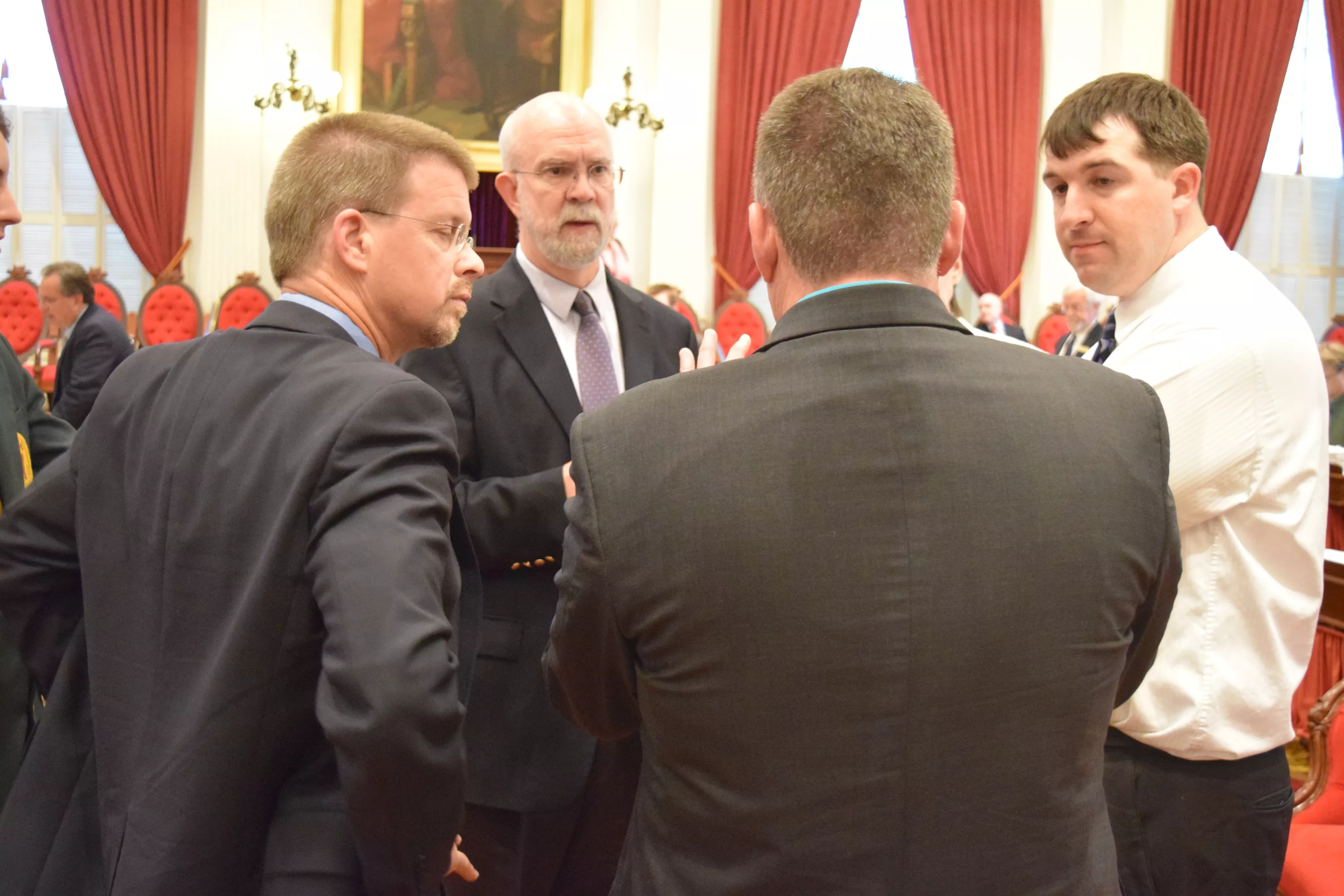
The move would require a nod from the Senate and the governor’s signature to become law. Parents could still opt for a religious exemption, though some argue that fewer will.
“The right of a parent sometimes is trumped by what’s in the best interest of society as a whole,” said Rep. Paul Poirier (I-Barre), who championed the change. “Vermont’s immunization rate is the lowest of all New England states. We need to change that.”
Tags: vaccinations , Vermont legislature , Paul Poirier , philosophical exemption , Anne Donahue , Image , Web Only
Friday, May 8, 2015
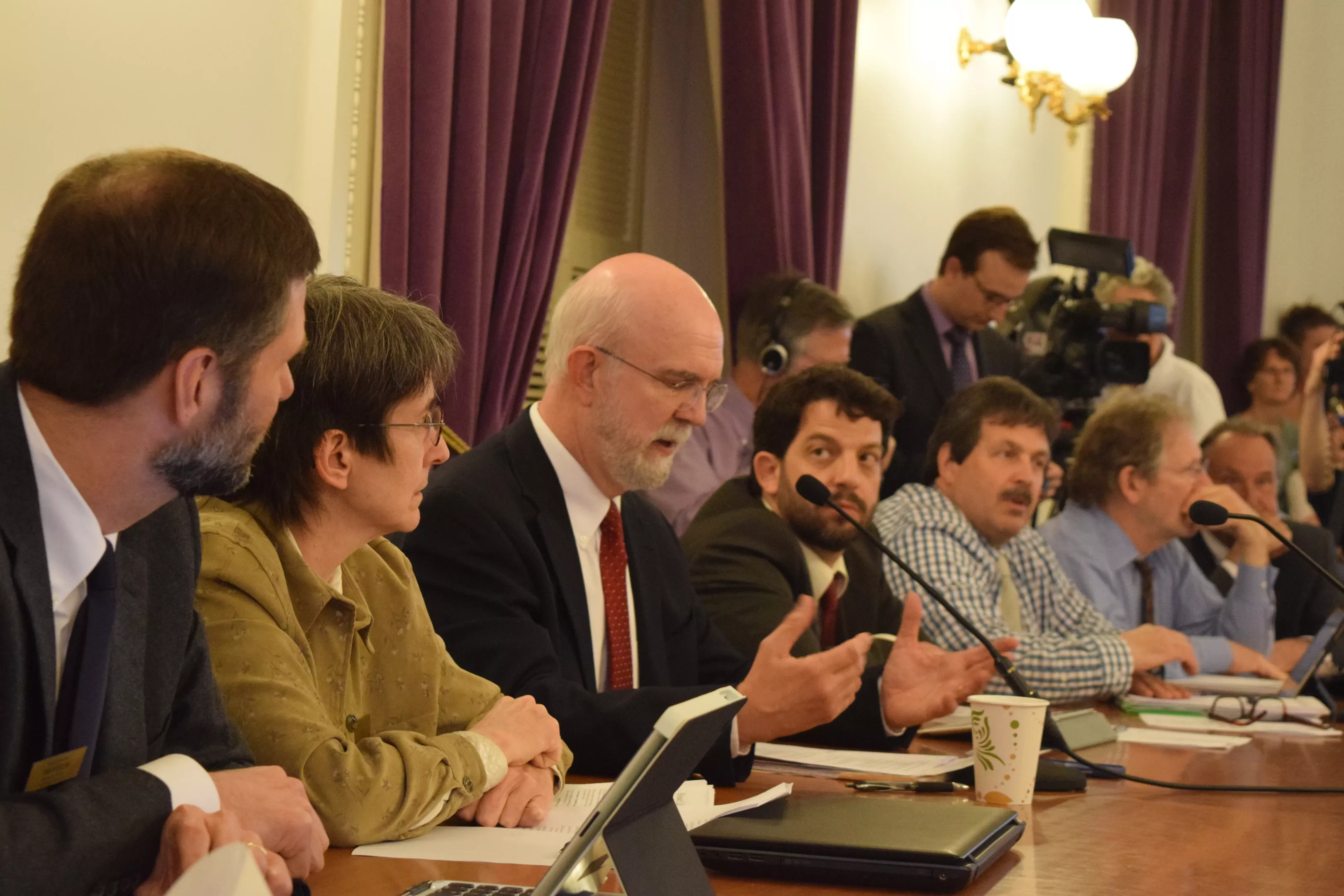
But the giant refused to remain asleep. So, next week — just as the session is wrapping up for the year — the House will have that difficult debate.
“It was not a priority of the House, but it’s here,” House Speaker Shap Smith said Friday.
The issue is here because the Senate voted relatively late last month to remove the philosophical exemption that allows parents to opt out of vaccinations for their children. Senators attached the measure to a House bill that deals with other health records. From the House's perspective, it appears more expedient to tackle the issue this year than to delay it until next year.
Tags: Robert F. Kennedy Jr. , vaccinations , Vermont legislature , Peter Shumlin , Image , Web Only
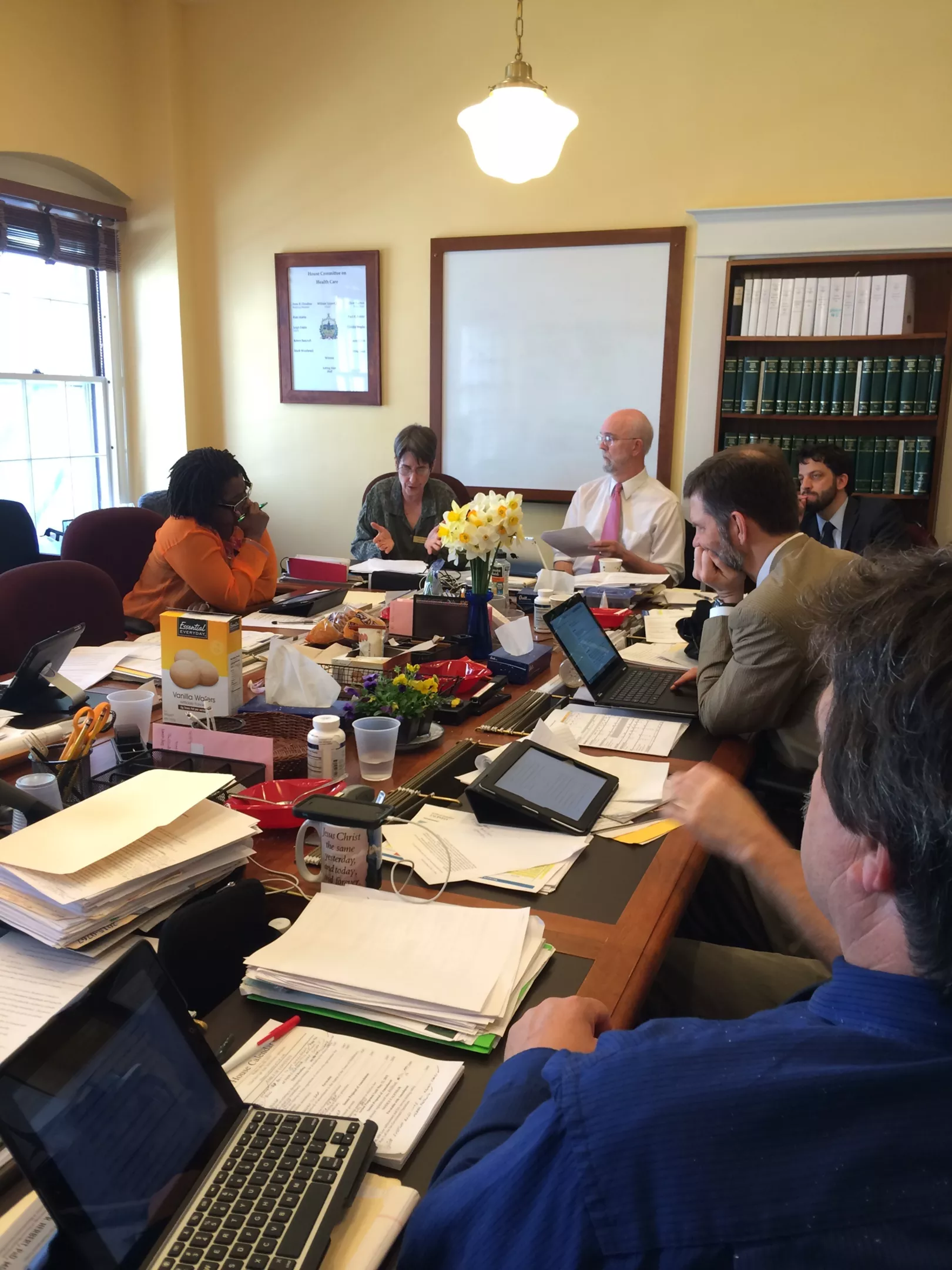
Shumlin had tried to maintain momentum on reform. He proposed a multi-million-dollar initiative to increase Medicaid payments for medical treatment. Right now, when the state's Medicaid shorts providers, they make up the difference by requiring private insurance to pay more. Shumlin's proposal fizzled because lawmakers rejected the funding mechanism — a payroll tax — and questioned whether the investment would lower costs for Vermonters with private insurance.
Next week's negotiations will sort out whether the state can afford just $5.1 million for health initiatives or $8.8 million. The Senate advocates the leaner plan. And the two sides must also find consensus on how to raise this money. The Senate expanded an existing employer assessment while the House suggested taxing candy, soft drinks, vending machine food and tobacco products.
The Senate sent its version of the bill to the House Thursday night. The House Health Care Committee voted 9-0 Friday to disagree and demand negotiations.
Tags: health care , William Lippert , Jane Kitchel , Image , Web Only
Tuesday, May 5, 2015

“The Kennedys have been part of my life since I was 23,” said t

Many in the Statehouse were similarly star-struck Tuesday as the son of the late presidential candidate and nephew of the former president flew to Vermont for the afternoon. He was here to argue against removing a philosophical exemption that allows parents to skip vaccinations for their children. And the Kennedy mystique set him apart from others testifying before legislators.
Kennedy got an audience with Gov. Peter Shumlin and House Speaker Shap Smith. And he got the first slot to testify before the House Health Care Committee, which waited while he was a few minutes late.
His message: Don’t take vaccination decisions away from parents, because the federal government cannot be trusted to regulate the pharmaceutical industry.
“The only thing left that protects that child from that company — the only barrier standing — is the parent and now they want to take the parent away,” Kennedy told the House Health Care Committee. He has worked on the issue for 11 years, but his work has has been widely questioned. His main focus has been on thimerosal, a mercury-containing compound that has already been removed or greatly reduced in childhood vaccines.
Kennedy was invited to Vermont by the Vermont Coalition of Vaccine Choice, which hopes to keep the House from removing the philosophical exemption. The Senate has already voted for removing the exemption. It’s unclear whether the House will vote on the highly charged issue this year. Three years ago, the House declined to do so, but sentiment on the issue has shifted toward mandatory vaccinations following measles outbreaks in California and Massachusetts.
Tags: Robert Kennedy Jr. , Peter Shumlin , vaccinations , Vernont legislature , Image , Web Only