

Wednesday, February 10, 2016

Last Thursday, Doyle forced a second Senate vote on that issue. Since then, Senate President Pro Tempore John Campbell (D-Windsor) found a strategy — and the votes — to block the exemption.
While senators initially rejected a small-employer exemption, they approved an amendment that gave employers with five or fewer workers an extra year after the law went into effect — January 2017 — before the mandate would apply to them. But Doyle later asked for reconsideration, saying he had changed his mind about the rejected exemption.
Campbell bought himself some extra time to respond to this unexpected development by getting senators to agree to delay reconsideration of the exemption until this week. Wednesday afternoon, he proposed that instead of voting on the pending exemption amendment, the Senate consider his amendment calling for a study. He proposed that the Department of Labor research what sick leave benefits small businesses already offer, and effects of the mandate. The report would be due next January — a year before small employers would have to start offering paid sick leave.
Tags: Sen. John Campbell , Sen. Bill Doyle , Lake Champlain Regional Chamber of Commerce , Image , Web Only
Monday, January 25, 2016
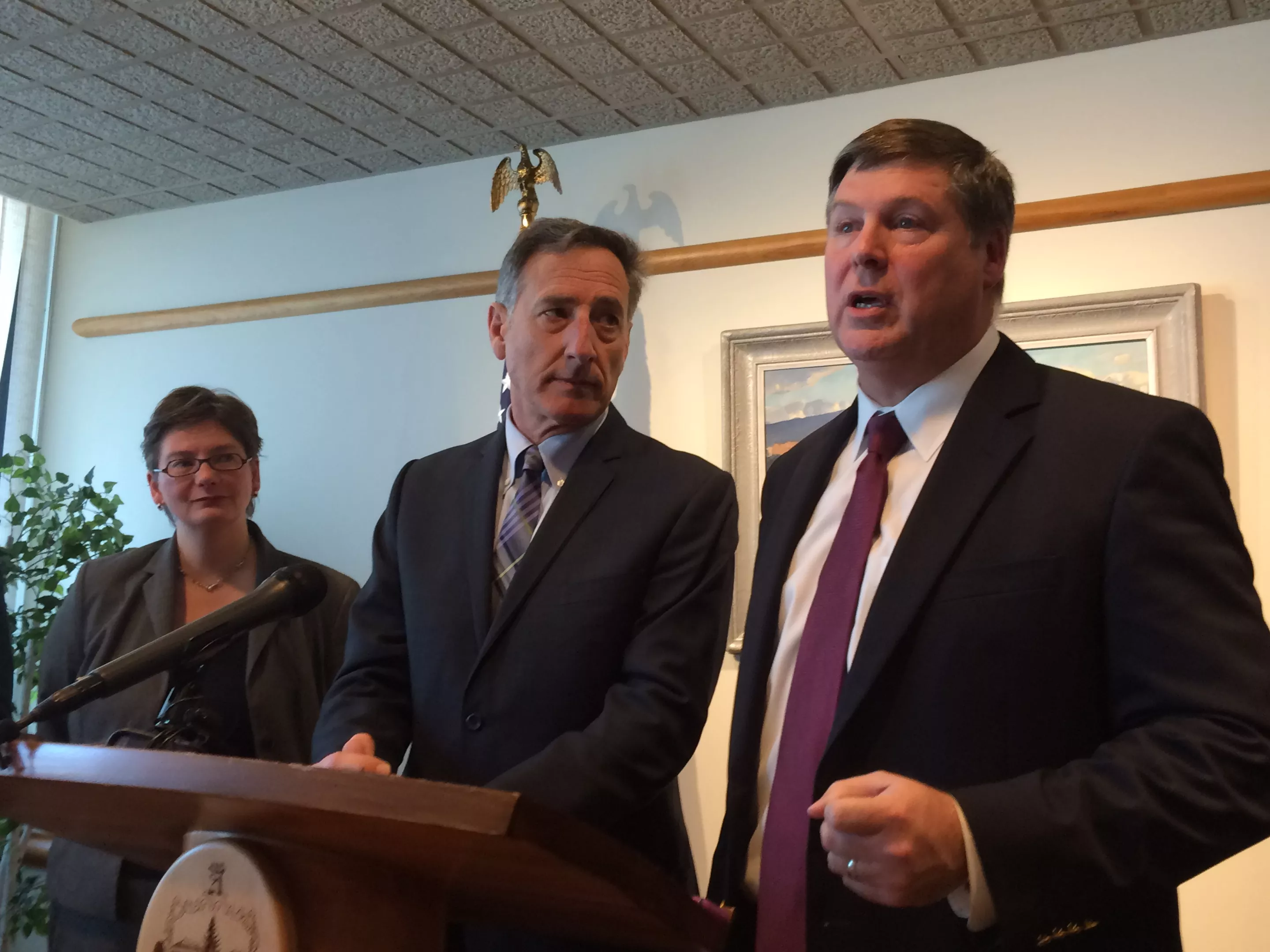
The state needs federal permission because two of the health insurance systems it wants to involve are federal programs — Medicare and Medicaid, which respectively cover the elderly and the poor. The state wants change to include commercial insurance, too.
The state is proposing to move from the current health care model that pays a fee for a service such as a blood test or a physical exam. In the new system, hospitals and doctors would receive set payments for their patient populations and have flexibility to provide appropriate medical care to prevent or manage patient health. The precise payment methodology has yet to be determined.
Monday’s briefing, featuring Gov. Peter Shumlin and Al Gobeille, chair of the Green Mountain Care Board, coincided with the state’s submission of preliminary terms and conditions for the waiver from federal regulations that Vermont seeks.
Tags: Gov. Peter Shumlin , Al Gobeille , Green Mountain Care Board , Medicare , Medicaid , Darcie Johnston , Guy Page , Image , Web Only
Friday, January 22, 2016
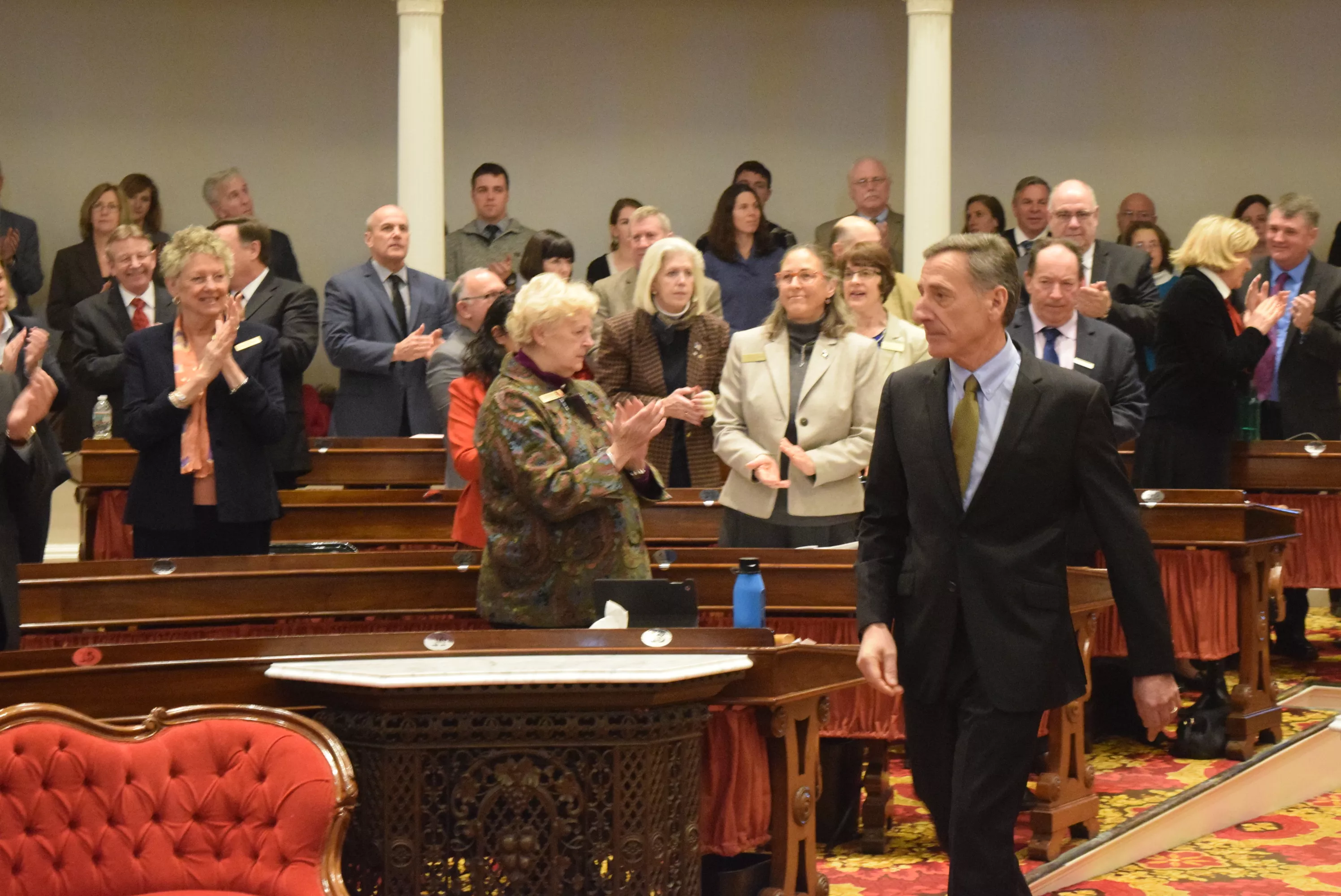
“I don’t want to use this as a way to cost pregnant women more money,” Shumlin said Friday on Vermont Public Radio’s “Vermont Edition” after a caller criticized the plan. “I told my team this morning, ‘This shouldn’t be a savings effort.’”
Shumlin didn't specifically mention the plan in his address, but it was in his written budget summary and was included in details that his administration outlined to media in a briefing Thursday. The plan was to save $4.9 million by changing the income threshold for pregnant women to qualify for Medicaid. Currently, they qualify if their incomes are 213 percent of the federal poverty level. The budget would reduce that to 138 percent of the poverty level.
The women would be able to obtain subsidized health coverage through Vermont Health Connect, Agency of Administration Secretary Justin Johnson said Thursday in the media briefing.
Tags: Medicaid , Peter Shumlin , Vermont Legislature , Image , Web Only
Friday, January 15, 2016
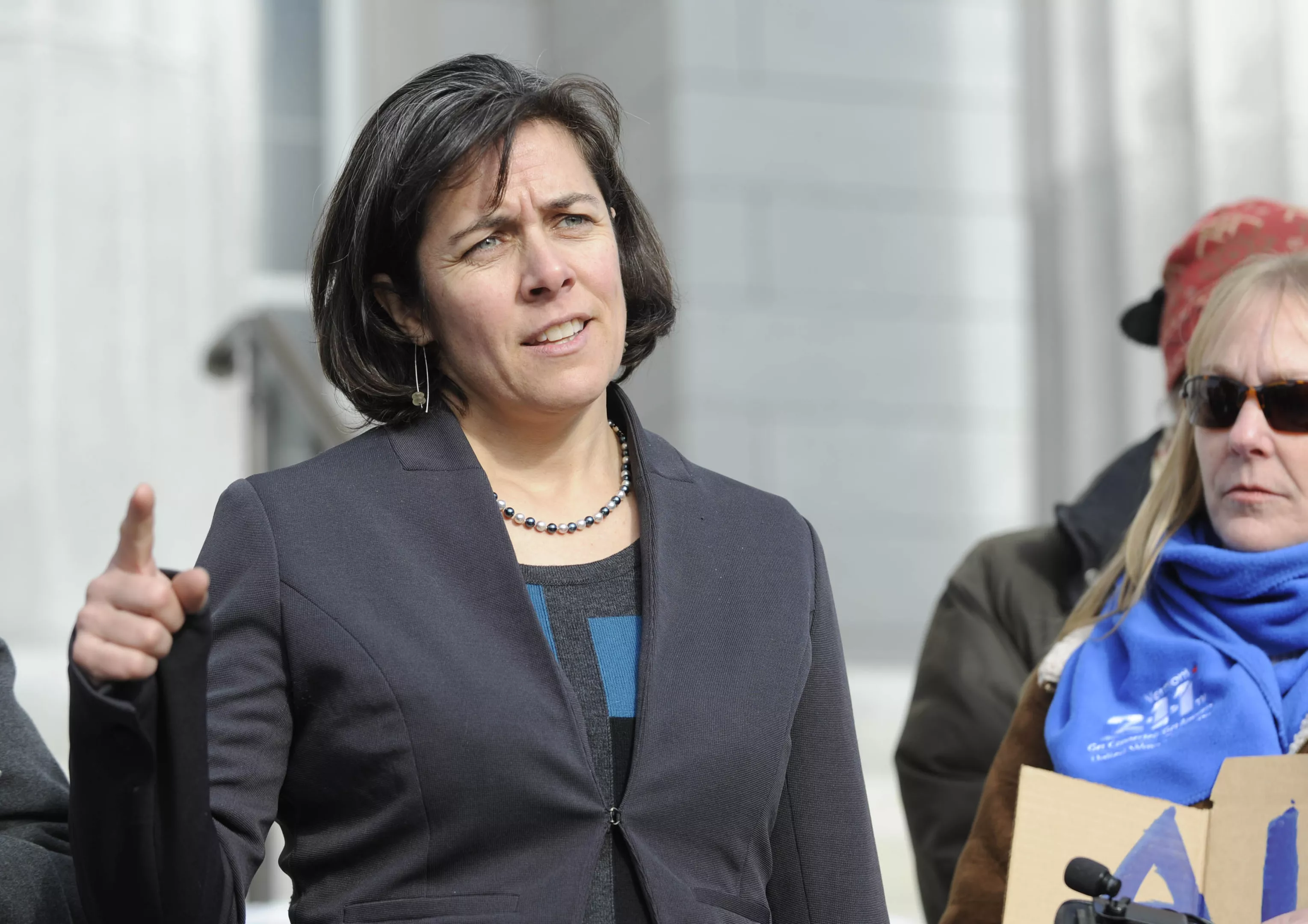
The Shumlin administration says the rate changes are necessary to bring the state into compliance with its federal contract with the Centers for Medicaid and Medicare Services. Officials noted, too, that the state had been paying more for group therapy than most other states.
The administration expects to save $1.8 million in Medicaid costs with the rate change, one of the few reductions in a Medicaid budget that has grown significantly this past year.
But Margaret Joyal, director of outpatient services at Washington County Mental Health Services, told the House Human Services Services Committee that the rate cut could force her agency to reduce the number of group therapy sessions it offers. It would likely double the waiting list for counseling. She predicted many clients would end up receiving more expensive individual therapy — but only after lengthy waits.
"Other agencies are just closing down their groups," Joyal said.
Tags: Ann Pugh , Mitzi Johnson , Margaret Joyal , Medicaid , group therapy , mental health , Image , Web Only
Thursday, January 7, 2016
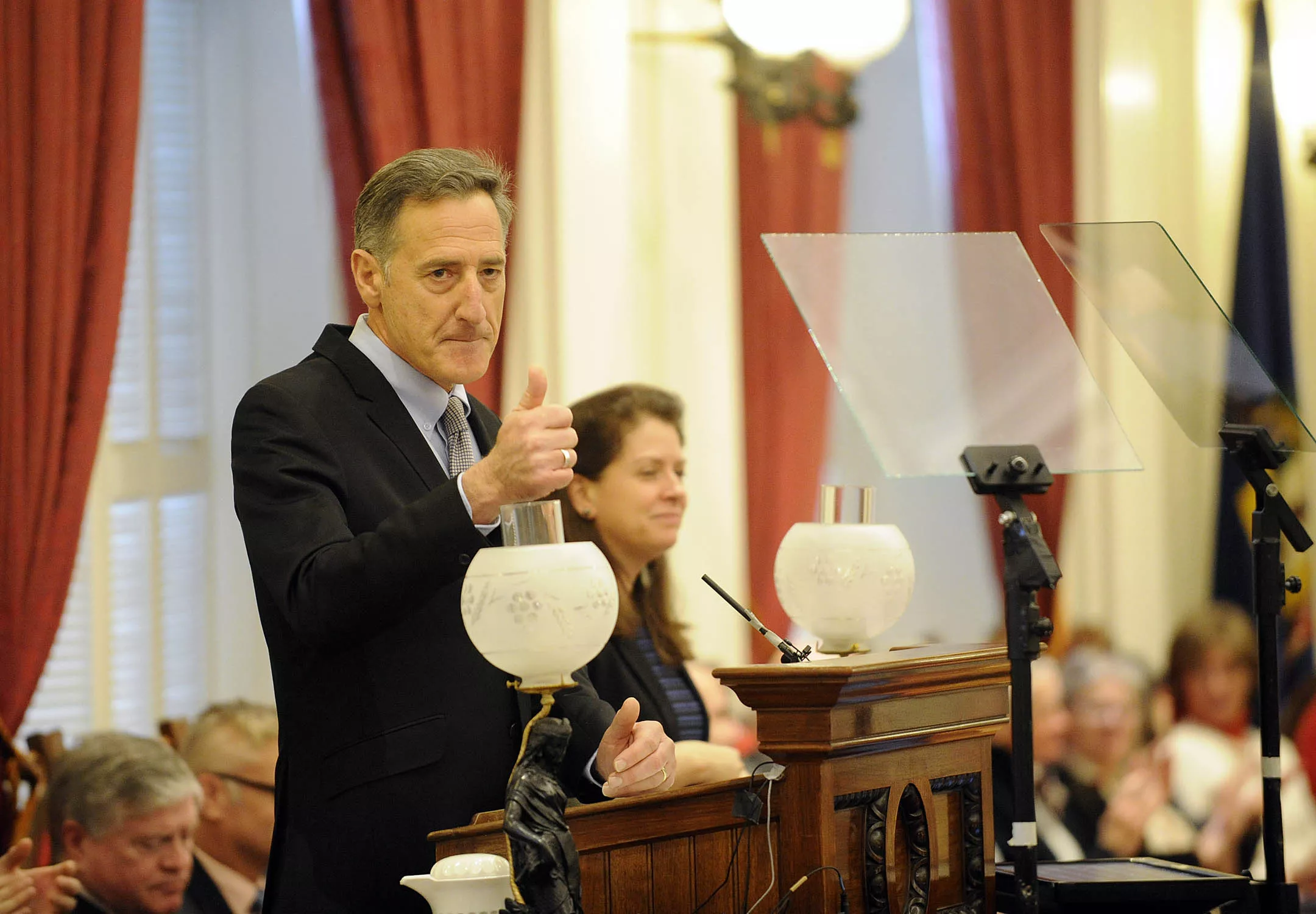
Legalize marijuana, he said, while adding a list of caveats that include ensuring that the state wipes out the drug's black market. And divest state money from fossil fuels, starting with coal and ExxonMobil stocks.
Both the marijuana and divestment statements were new nuances for the governor, who is heading into the last of his six years in office. Shumlin announced in June that he will not seek reelection. He had previously hedged on whether to back marijuana legalization this year and dismissed divestment as impractical.
Shumlin made no outright mention of his pending departure from office a year from now, but the reality was ever-present. Looking to his post-office future, Shumlin made a point of introducing his new wife, Katie Hunt, who sat in the audience, calling her “my love” and referring to her as “your first lady.” He and Hunt were married December 15 and plan to move back to Windham County after his term ends.
Tags: Cannabeat , marijuana legalization , Peter Shumlin , Vermont Legislature , Image , Web Only
Wednesday, January 6, 2016
Dr. James Hebert, a general surgeon at the University of Vermont Medical Center, described being in crowded rooms with patients and their relatives and opening up a computer to review medical records. "It is hard to find a nook where only you can see it," he told the Senate Judiciary Committee. "One of the unintended consequences of electronic medical records is that it makes privacy very difficult," Hebert said.
Paul Harrington, executive vice president of the Vermont Medical Society, argued the new right to sue was unnecessary. Patients already can file complaints with the U.S. Office of Civil Rights or with the Vermont Attorney General, he said.
Allen Gilbert, executive director of the American Civil Liberties Union of Vermont, countered that the Office of Civil rights rarely imposes sanctions in small privacy breaches. He told lawmakers that other states allow patients to sue, "so you would not be doing anything unusual by creating this private right of action."
The provision allowing lawsuits for breaches in the privacy of health data is one of four areas of protection that the Senate Judiciary Committee wants to provide consumers. The bill also would put restrictions on law enforcement's use of drones, electronic communications and images captured by license-plate readers.
Tags: ACLU of Vermont , Allen Gilbert , cannabis related , Paul Harrington , Sen. Dick Sears , Vermont Medical Society , Image , Web Only
Tuesday, December 8, 2015

It wasn't exactly a radical proposal. Hundreds of cities, including major ones such as New York, have passed similar bans, and Burlington banned smoking on Church Street last year.
Proponents of extending the ban to public parks and beaches argued it was a natural — even belated — next step for a city lauded for its healthy habits. Describing the harmful effects of secondhand smoke, they sought to frame the debate as a question of public health, not class. "There is nothing wrong with telling people where it is appropriate to smoke and where it isn't," said Councilor Joan Shannon, who noted that the proposal dates back to 2009.
Councilor Dave Hartnett, considered an advocate for the city's blue-collar constituencies, begged to differ. "Smoking is a class issue. Let's be honest," he said. If the council passed a ban, he argued, it would push poorer people to the margins. For instance: People would have to leave Waterfront Park to light up, while wealthy boat owners parked just offshore would be free to light up on their vessels.
Tags: Burlington city council , smoking ban , Church Street , Image , Web Only
Thursday, November 19, 2015

It's the second time this year that the Office of the State Auditor has pulled the curtain back on one of the most problem-ridden and complicated initiatives of state government.
Vermont Health Connect is an online health insurance marketplace that individuals without insurance from work use to purchase coverage. Launched two years ago, it has lurched unevenly into operation, frustrating thousands of customers with its failed technologies. It was to be the portal for small employers that provide insurance to their workers, too, but that function has never worked.
Tags: Vermont Health Connect , Doug Hoffer , Hal Cohen , healthcare , policy , Image , Web Only
Thursday, October 22, 2015

Struggling to be heard over wailing sirens at the city's downtown fire station, the mayor said the program will provide "better to care to Burlingtonians" at a "very modest cost."
Paramedics have more training than EMTs — 1,600 hours are required, compared with 300 hours for advanced EMTs — and can administer roughly 20 medications that EMTs cannot. The Burlington Fire Department already has five paramedics on staff, and a sixth is close to getting certified; it plans to train three additional people at a cost of $3,200 per paramedic.
At the press conference, Weinberger was flanked by outgoing Fire Chief Seth Lasker and Dr. Michael Sheeser, an emergency room physician at the University of Vermont Medical Center.
Tags: Burlington Fire Department , paramedics , University of Vermont Medical Center , Image , Web Only
Friday, October 16, 2015
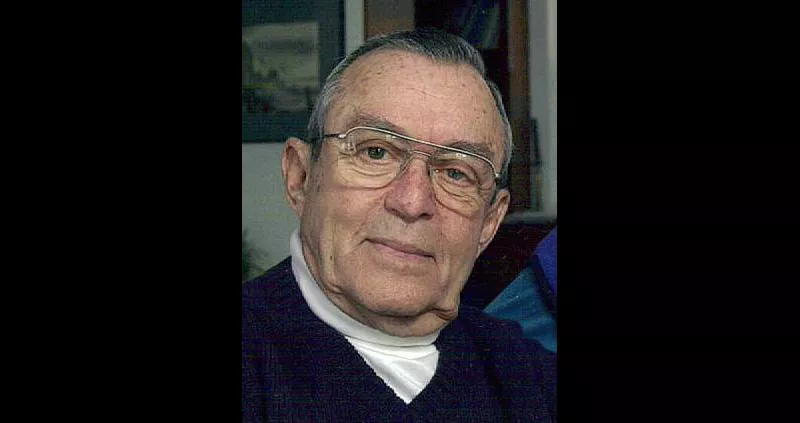
Walters, 90, wasn’t ill when he started the campaign that led to Vermont’s 2013 Patient Choice and Control at the End of Life Act. Walters said repeatedly over the years that he didn’t know whether he would ever need the law himself, but he knew he would want the option.
Walters, who lived at Wake Robin retirement community with his wife, Ginny, was diagnosed with lung cancer in 2014. His health declined rapidly during the past two months, Necrason said.
“Dick was grateful to be able to direct his own end of life under Act 39,” said Necrason, whose firm, Necrason Group, formerly Sirotkin & Necrason, has represented the advocacy group Patient Choices Vermont for more than a decade.
Necrason said Walters’ family told him Friday afternoon that his death was “peaceful, relatively quick and with some cheer.”
Tags: Physician-assisted suicide , death with dignity , end-of-life choices , Dick Walters , Image , Web Only