

Tuesday, February 8, 2022

“We can no longer rely on federal courts to uphold the protection of fundamental reproductive rights,” said Rep. Ann Pugh (D-South Burlington) before the vote.
Tags: abortion , prop 5 , Vermont Constitution , slavery , Web Only , Image
Thursday, February 3, 2022
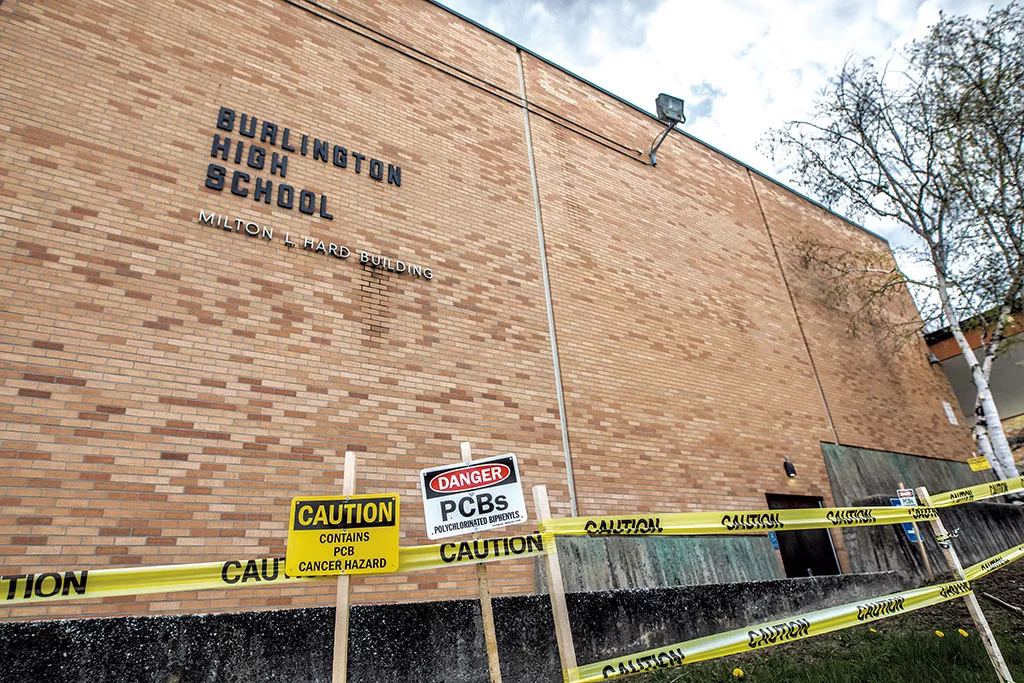
The newest thresholds — dubbed "immediate action levels" — are also three times higher than the "school action levels" the state released in November.
The changes come as the state Department of Environmental Conservation prepares to tests hundreds of schools across Vermont. Results of those tests could prove costly — and disruptive — for school districts if high levels of the chemicals are detected.
Under the new regs, schools can't use rooms with more than 90 nanograms per cubic meter of PCBs in the air for prekindergarten students; more than 180 nanograms for K-6 students; and more than 300 nanograms for seventh graders through adults.
Tags: PCBs , Vermont Department of Environmental Conservation , Vermont Department of Health , EPA , Web Only , Image
Tuesday, February 1, 2022
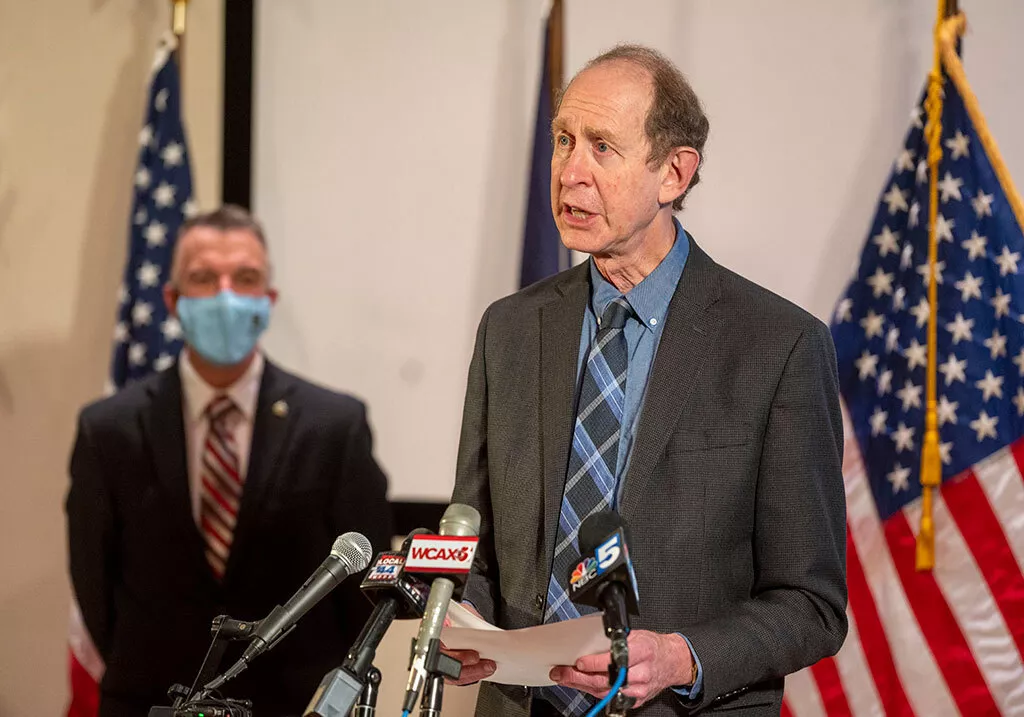
The seven-day case average, while still far higher than it has been for much of the pandemic, continued its precipitous drop this week, sitting at 670 on Tuesday. That’s about a third of what that figure was just three weeks ago and represents the lowest it has been since late December.
Hospitalizations are also trending down, though more slowly. Ninety-four COVID-19 patients were in hospitals on Tuesday, down from a high of 122 on January 19; 26 of those patients were in intensive care.
“The trends continue moving in the right direction, and there's significant improvement across the region,” Gov. Phil Scott said at his weekly press briefing on Tuesday, “so there's not much new for me to say on the COVID front other than I'm very encouraged.”
Tags: Vermont , Health Commissioner Mark Levine , Gov. Phil Scott , COVID , Pandemic , Endemic , Web Only , Image
Tuesday, January 25, 2022
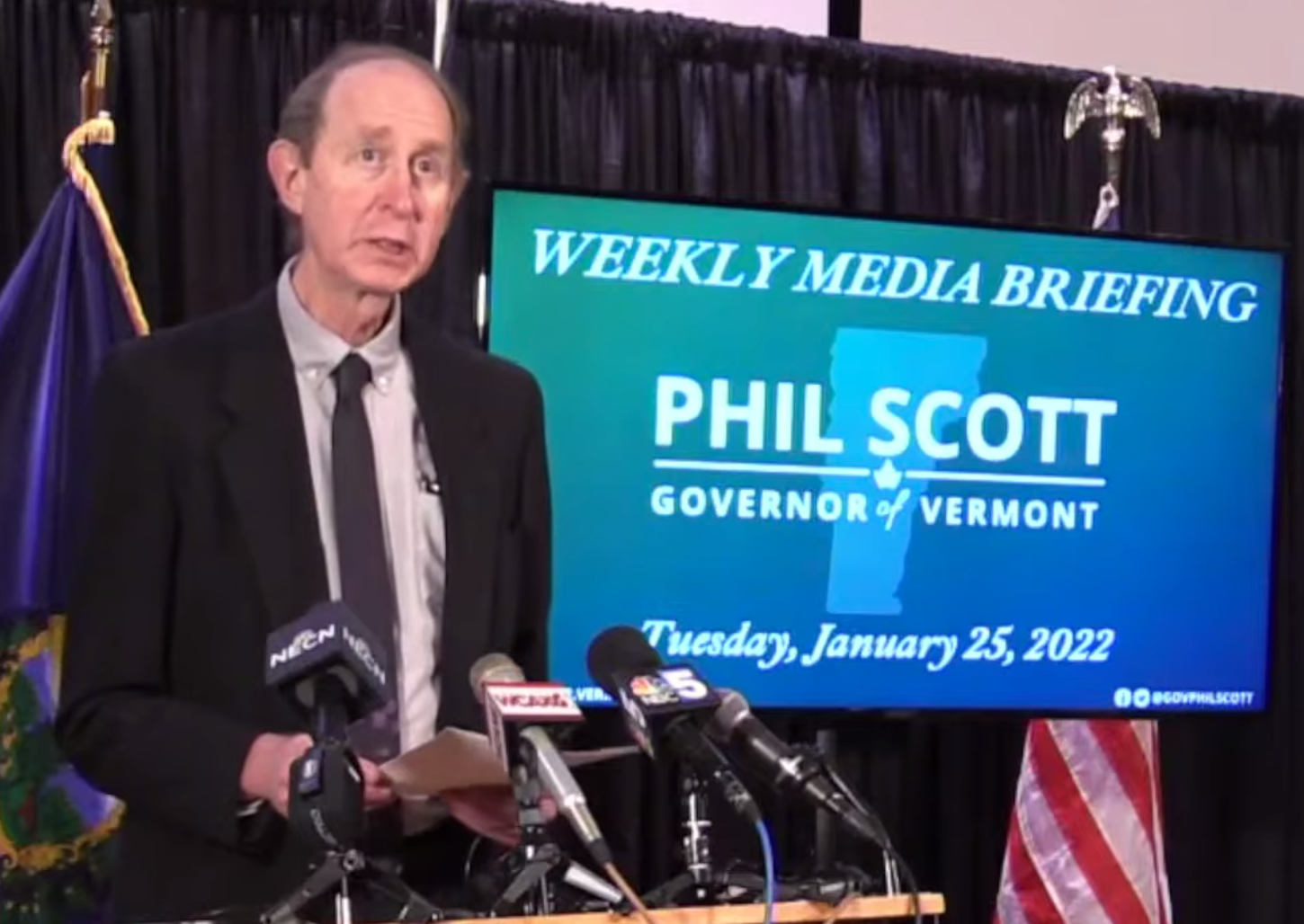
The state logged an average of 1,121 new COVID-19 cases per day over the past seven days — far higher than most other times during the pandemic. But that figure has declined 27 percent in a week, and 37 percent over 14 days, giving officials like Health Commissioner Mark Levine reason for optimism.
“Cases appear to have peaked in the Northeast, and are on the downslope,” Levine said Tuesday at a press briefing. “We hope this will lead to lower rates of transmission here in Vermont over the next coming weeks, something we’d all very much welcome.”
Cases are dropping among both vaccinated and unvaccinated residents. However, cases among the unvaccinated are 2.7 times higher, according to data presented by Finance Commissioner Mike Pieciak.
Tags: Mike Pieciak , Mark Levine , COVID-19 , omicron , Web Only , Image
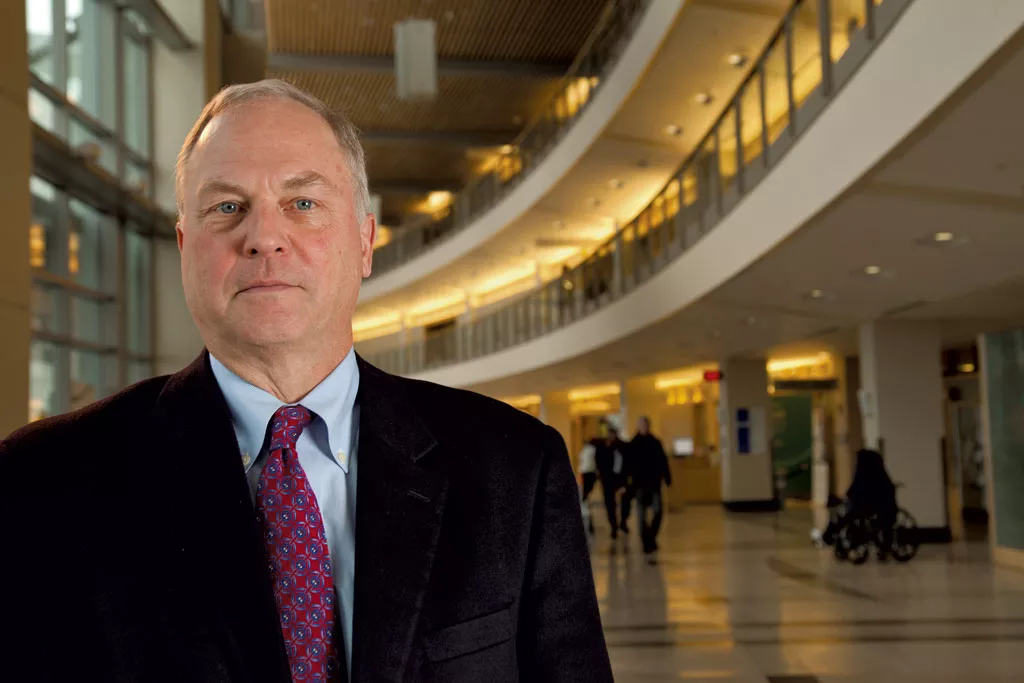
Dr. John Brumsted, president and CEO of the University of Vermont Health Network, will retire at the end of September.
Brumsted has been the network's first and only leader since it was created a decade ago. The health network says it has launched a national search for his replacement.
"We have experienced and accomplished so much together, and we created something new — an integrated health care system — to respond to the needs of the patients we are so privileged to serve," Brumsted said in a press release.
The decision comes at a tumultuous time for the health network, which has rapidly expanded under Brumsted to now include six hospitals in Vermont and northeastern New York.
Network hospitals have been struggling to keep pace with a prolonged surge of patients, COVID-19 and otherwise, while a number of pre-pandemic problems — including chronic staffing shortages and long patient wait-times — have metastasized into a full blown crisis over the last year.
Tags: John Brumsted , University of Vermont Health Network , Retire , Web Only , Image
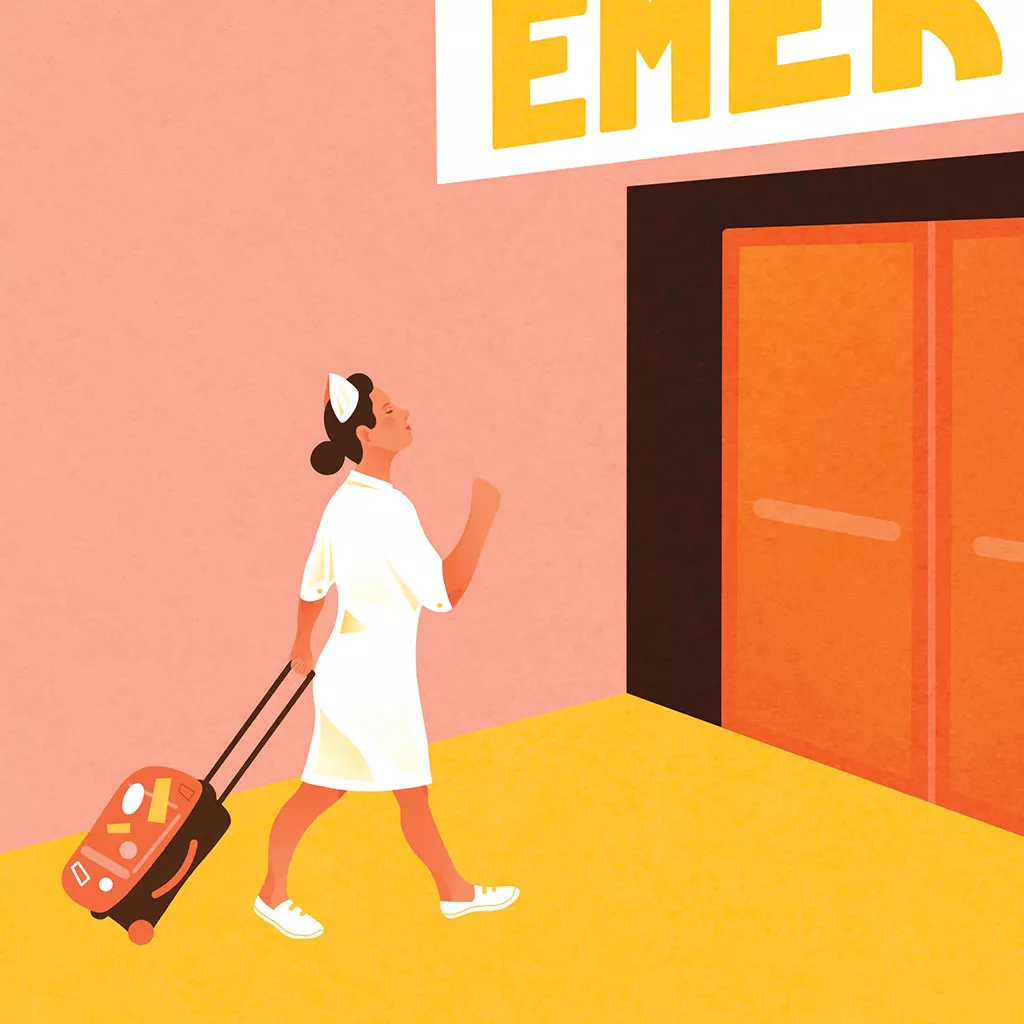
The bipartisan group of lawmakers, led by Welch and Rep. Morgan Griffith (R-Va.), cited reports of travel nurse staffing agencies doubling or tripling their rates during the thorniest months of the pandemic in attempts to profit off the crisis.
In a letter to the White House COVID-19 Response Team, the lawmakers asked for a federal investigation of these price increases to determine whether they violate any anti-competitive or consumer protection laws.
Tags: Vermont , Rep. Peter Welch , Price Gouging , Travel Nurses , Web Only , Image
Wednesday, January 12, 2022
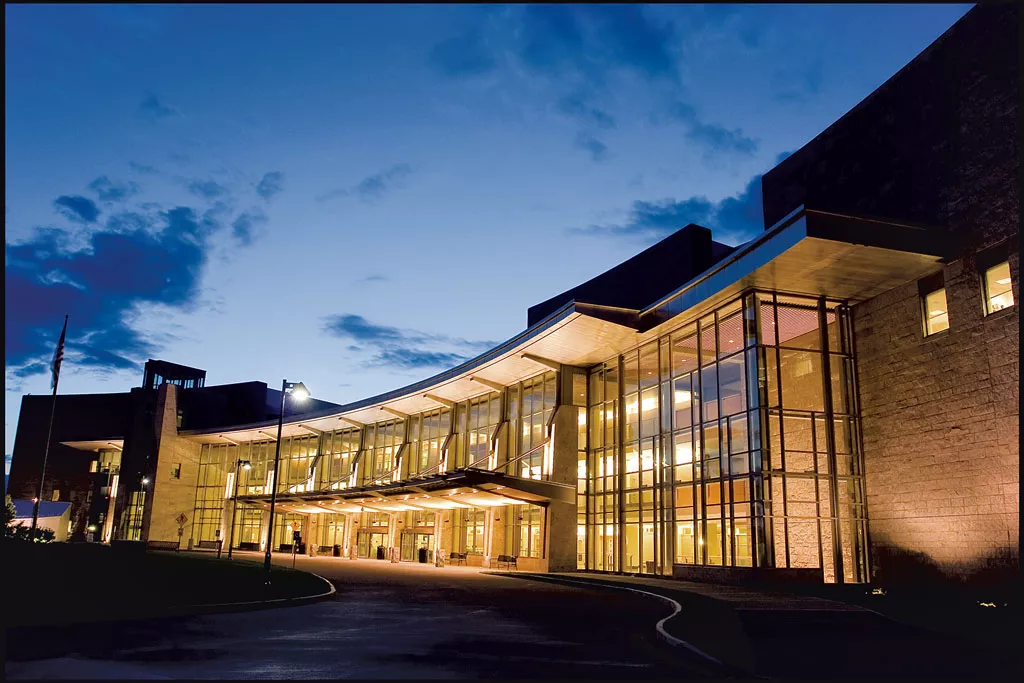
The announcement comes as 422 — or about 5 percent — of the Burlington hospital's 8,500 employees are currently restricted from work because they had COVID-19, experienced symptoms or were exposed to the virus, according to a press release. Other employees need to stay home to care for children or loved ones.
Meanwhile, the number of patients seeking care remains sky-high. The hospital was treating 420 people on Wednesday, which accounts for 83 percent of its overall capacity. Thirty-one of those patients had COVID-19, including seven in the intensive care unit. Another 17 patients — 10 adults and seven children — were boarding in the emergency department for lack of an available inpatient psychiatric bed.
Tags: COVID , hospitals , Vermont , UVM Medical Center , Staffing Plan , Web Only , Image
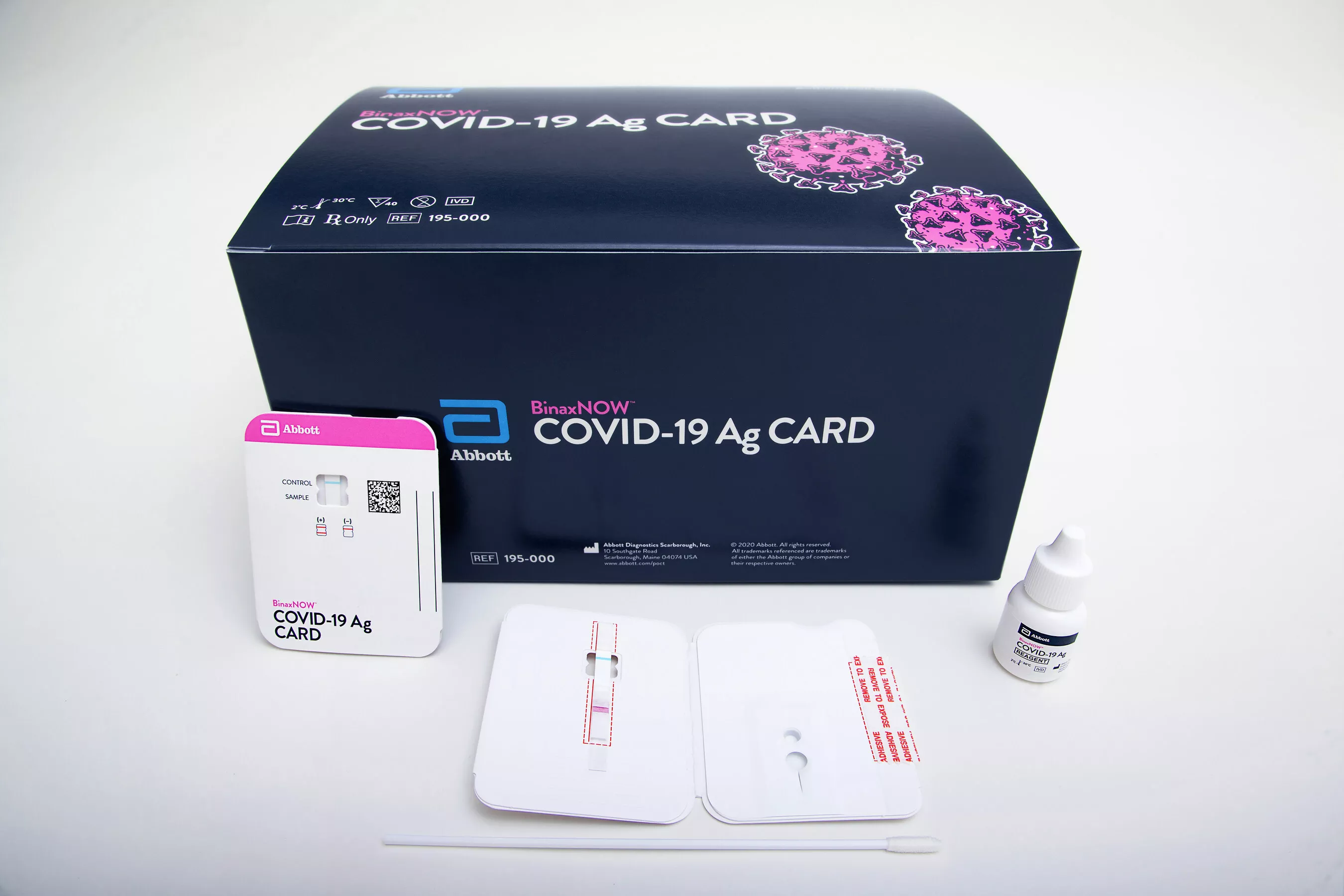
A new website meant to allow Vermonters to order rapid COVID tests directly to their homes was inundated with requests upon its launch Wednesday morning, illustrating a continued high demand for the tests amid the Omicron surge.
Not long after the site went live at 10 a.m., it was asking some requestors to try again within the next hour to due "exceptionally heavy demand." The messages prompted a tweet from the Vermont Department of Health directing people having trouble with the website to keep trying.
"Do not call the Health Department for assistance," the tweet read.
By noon, about half of the 350,000 tests had been claimed and several thousand people were in the process of making orders, according to Jason Maulucci, a spokesperson for Gov. Phil Scott. The remaining tests were gone by 2:45 p.m.
Tags: Vermont , COVID , At-home tests , Rapid tests , Website , Ordering , Web Only , Image
Tuesday, January 11, 2022
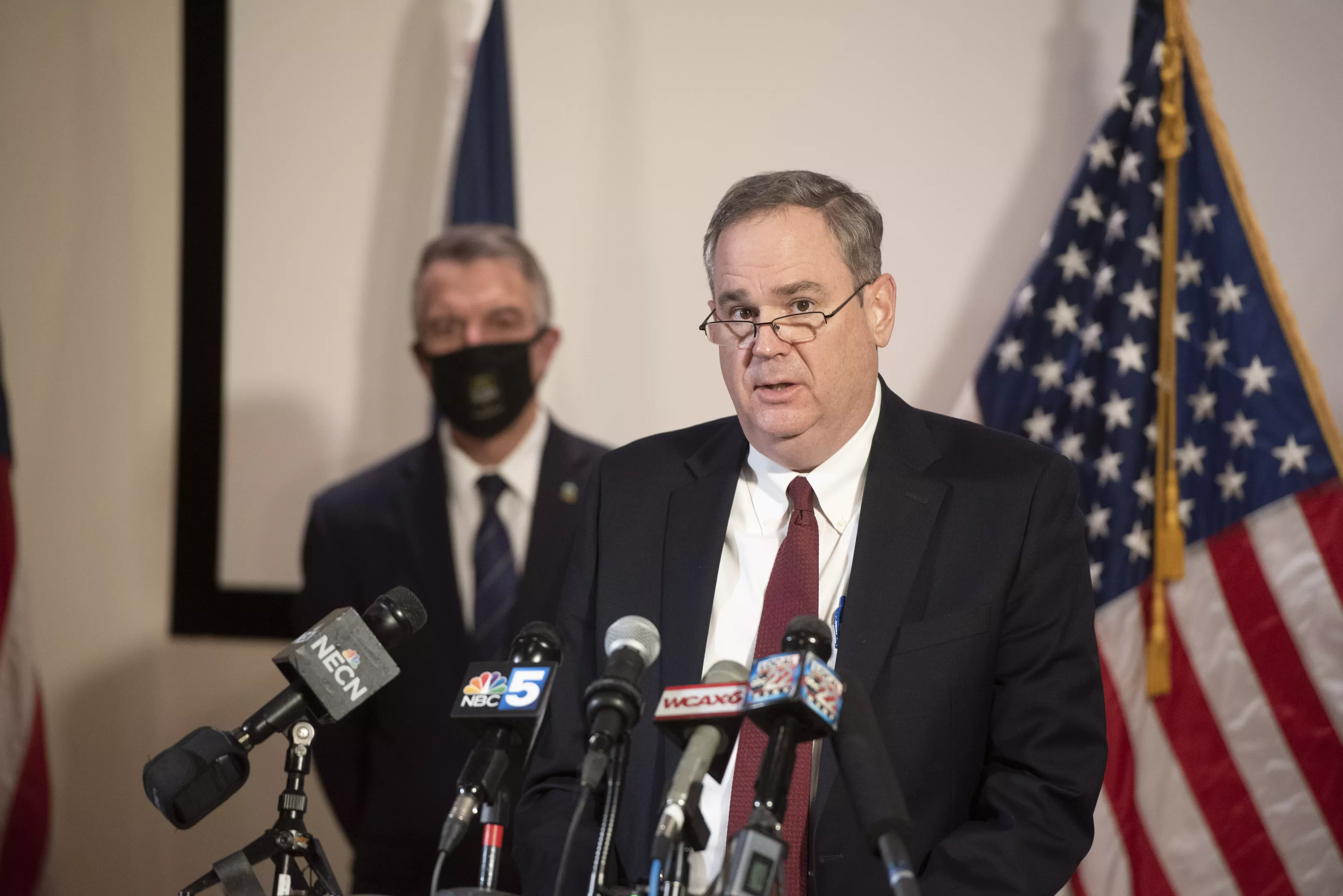
Education Secretary Dan French first teased the new guidance last Friday, saying in an email to superintendents that schools should stop contact tracing and PCR surveillance testing of students and staff. Instead, the new plan shifts testing responsibility from school personnel to families.
If a student is positive while on campus, the school will inform families of all students in that class. Those who have had two vaccine doses will not need to quarantine.
Unvaccinated students and staff who are exposed to COVID-19 in school, meanwhile, will be offered kits containing five rapid antigen tests to be conducted at home. As long as they test negative each morning following their exposure, those students and staff can continue to attend school.
Tags: Vermont Agency of Education , Secretary Dan French , COVID-19 , surveillance testing , rapid antigen testing , "Test to Stay" , Web Only , Image
Thursday, January 6, 2022
Citing the high number of school-age Vermonters vaccinated against COVID-19, Cardona tweeted that "getting vaccinated & boosted is the best way to keep our classrooms safe and schools open year-round." He again praised the state in an interview with National Public Radio.
But educators in those Vermont schools have painted a far less rosy picture. The return to class has coincided with the huge spike in cases and with changing, complicated guidance from the U.S. Centers for Disease Control and Prevention.
Just a few days into the new year, with COVID-19 cases in the state hitting a record high on Thursday, some schools were forced to close because of high numbers of cases or staff shortages. Administrators appealed to parents to help keep schools safe by getting their children vaccinated and keeping students home if they displayed virus symptoms. And some districts had to pause contact tracing and "Test to Stay" programs — which allow close contacts to stay in school with a negative rapid antigen test — due to a lack of resources.
The state attempted to head off the chaos. Over the holiday break, officials set up 51 sites to distribute rapid antigen tests to families. Each K-12 student was eligible for a kit with two tests, which they were advised to use prior to returning to the classroom. Approximately 44,700 kits were given out, though 87,000 were available, according to Vermont Department of Health spokesperson Ben Truman. State agencies were working on distributing the remainder to schools to use at their discretion, Truman said.
Yet school closures — and cases — are already piling up. In a letter to families Wednesday night, the Winooski School District announced it would close on Thursday and Friday due to an onslaught of cases. Since Monday, the letter said, 35 people in the school community had tested positive for COVID-19. Twenty of them were infectious while in school, leading to "an extensive list" of close contacts.
The district said that it wasn't able to contact everyone who had been exposed to the virus while in school, and advised people to monitor members of their household for symptoms. Remote learning wasn't available. Instead, Winooski students will make up the missed days at the end of the school year, the letter said.
In Orleans County — where just 32 percent of 5- to 11-year-olds and 59 percent of 12- to 17-year-olds have received at least one COVID-19 vaccine dose — North Country Union Junior High School went remote on Wednesday and will remain closed through the end of the week due to staffing shortages.
Irasburg Village School, a K-8 school in Orleans County, also closed on Wednesday through the end of the week due to staff absences. The Vermont Agency of Education didn't immediately respond to a question from Seven Days about other schools that had closed.
Tags: COVID-19 , Vermont Agency of Education , Department of Health , Omicron , surge , cases , virus , schools , Test to Stay , Web Only , Image