

Tuesday, July 28, 2020

Scott and other officials argued the state’s low infection rate, demonstrated ability to contain outbreaks and benefits of in-person education for younger children all make it smart for kids to return to the classroom in the fall.
But he also stressed the state would not force local school districts to return to in-person instruction immediately.
Tags: COVID-19 , schools , remote learning , homeschooling , Web Only , Image
Friday, July 24, 2020

Wearing masks in public will be mandatory in Vermont under a new order Gov. Phil Scott announced Friday. Though he'd long resisted issuing such a mandate, the governor described the move as a bid to keep the state’s infection rates the lowest in the nation as COVID-19 cases soar in other states.
Noting that those cases are “inching closer to our borders,” Scott said the time had come to require what is now a mere recommendation — that people wear masks in public settings where social distancing is not possible, effective August 1.
“Looking at the situation in the South and West and knowing we’ll have more people coming to Vermont, and more Vermonters inside as the weather gets colder, we need to be sure we’re protecting the gains we’ve made,” Scott said.
The order, which Scott has resisted for weeks in favor of education and encouragement, will require anyone over 2 years old to wear a mask in public — indoors or outdoors — where they cannot maintain six feet of distance from one another.
Tags: COVID-19 , mask , mandate , Phil Scott , governor , Vermont , coronavirus , Web Only , Image
Tuesday, July 21, 2020
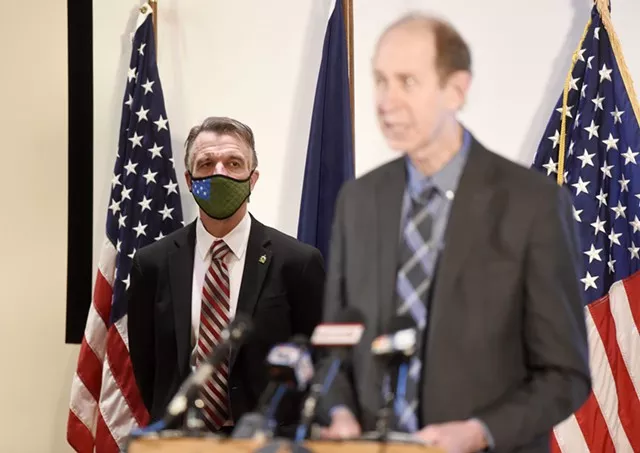
While he stressed he won’t make an official decision until he sees the latest data, the governor said that national trends are troubling and could force him to impose the restriction he’s so far resisted in favor of education and encouragement.
“Looking across the country, we continue to see a forest fire spreading across the South and West, and things could shift back toward us,” Scott said. “We have to keep our guard up.”
Tags: Phil Scott , mask mandate , Vermont , COVID-19 , coronavirus , Web Only , Image
Friday, July 17, 2020
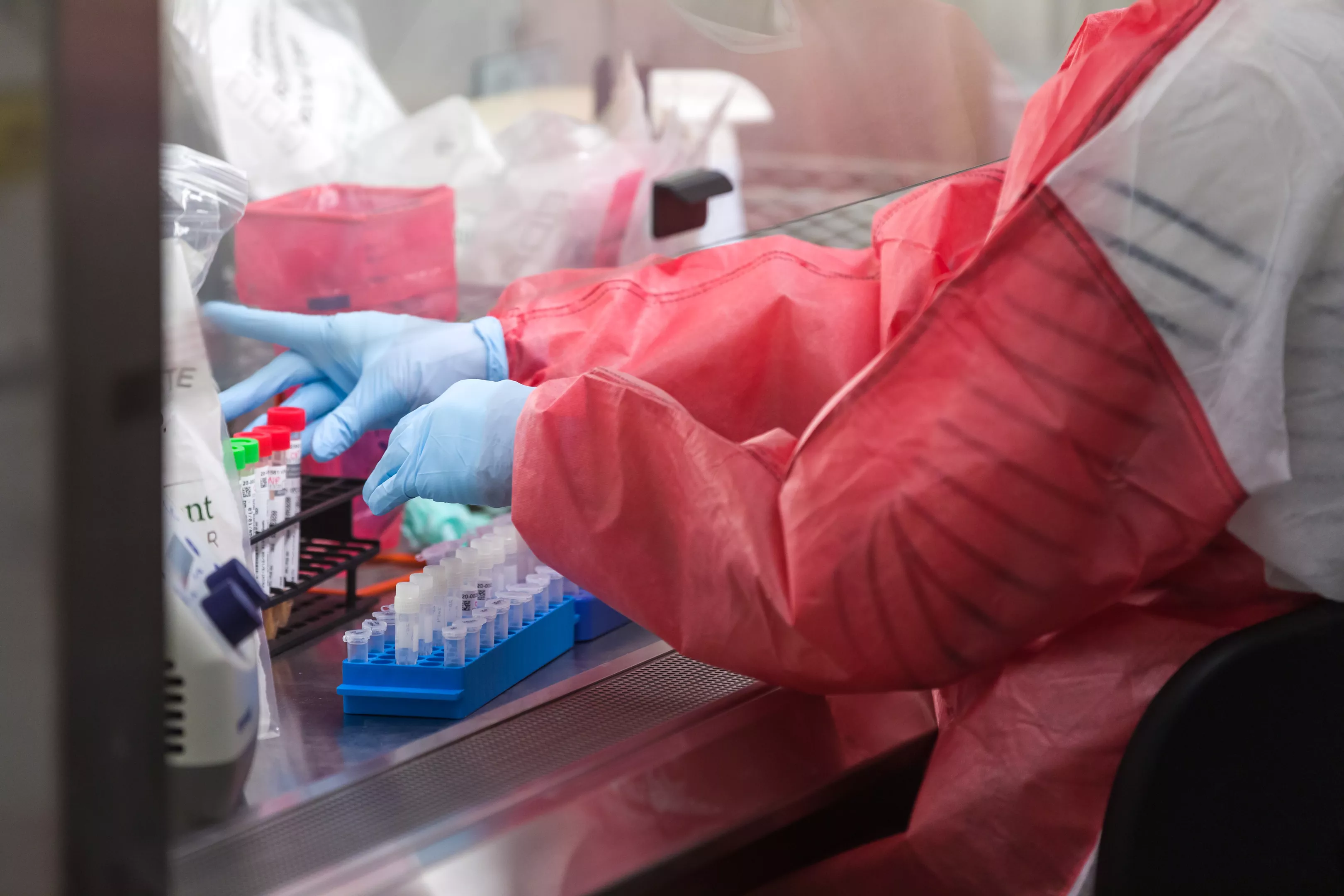
The Vermont Department of Health has only been able to confirm two infections in the Manchester-Londonderry area so far this week, and all 405 samples processed from a pair of emergency testing sites have come back negative for the virus.
“This is a good indication that these cases are not spreading within the community,” Health Commissioner Mark Levine said.
Town residents began panicking last weekend as local doctors at an urgent care clinic reported a sudden spike in positive COVID-19 tests. Manchester Medical Center, an independent commercial clinic, has reported roughly 60 positive tests over the past week — far more than the total cases recorded in nearby towns since the pandemic began. Businesses shut down, the weekend farmers market was canceled, and rumors abounded about the sources and severity of the suspected outbreak.
But the clinic was using a new antigen test for the virus that causes COVID-19, which state health officials don't recognize in their official data. So while the state scrambled to trace patients' recent contacts and set up mass testing sites, it also sought to verify the initial cases by using the traditional polymerase chain reaction, or PCR, testing method.
As of Thursday night, only two of 17 completed retests could be confirmed as positive COVID-19 cases, Levine said at a Friday press conference. The other 15 were negative.
"Although our investigation is not complete, it appears that many of the positive antigen results reported by Manchester Medical Center might have been false positives," Levine said.
State officials said they still don't have enough information to confirm the presence of an outbreak. The state was still waiting for hundreds of outstanding tests, plus dozens of confirmatory PCR tests for those who had tested positive through the antigen method.
The antigen test used at Manchester Medical Center was approved in May by the U.S. Food & Drug Administration, though it is not used widely in Vermont and health officials here consider it relatively unproven. Antigen tests can provide results in just 15 minutes, whereas the traditional PCR tests take days to be processed. The antigen tests, however, are known to miss as many as 20 percent of infections — what's known as a "false negative" result.
A positive antigen result is typically seen as very reliable, making the spate of likely false positives in Manchester especially befuddling. Levine suggested that the problems could stem from a "systematic issue" in how the test kits were being processed at the clinic, but he said the department needed more data.
Levine also noted that many of the antigen tests were performed on patients who did not have COVID-19 symptoms. The tests were only studied on people with symptoms, and current federal and other public health guidance does not recommend their use in general screenings.
Dr. Janel Kittredge-Sterling, one of the clinic's co-owners, has emphatically defended the positive antigen test results on Facebook and in a Thursday interview with Seven Days. On Friday, as Levine called more of those results into question, she continued to express confidence but wrote in a text message that "we have to be critical of all data."
The state recorded nine new coronavirus cases statewide on Friday, bringing the total since March to 1,334. Of those, just over 200 are considered active infections. Four patients are currently hospitalized.
Tags: Manchester Medical Clinic , Mark Levine , Vermont Department of Health , Manchester , COVID-19 , coronavirus outbreak , antigen test , false positive , Web Only , Image
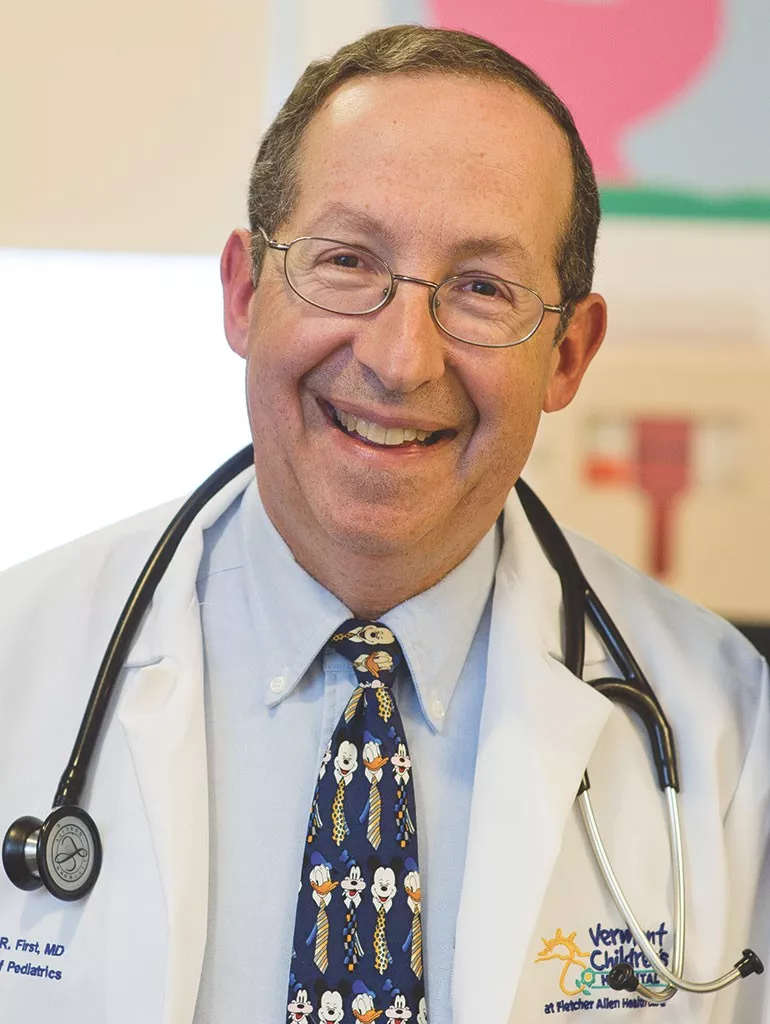
Though Vermont’s infection rate remains among the lowest in the country, COVID-19 cases are skyrocketing elsewhere, with no end in sight.
Further complicating parents’ decisions are the mixed messages coming from the national level. President Donald Trump and U.S. Secretary of Education Betsy DeVos have urged schools across the country to reopen this fall, while the U.S. Centers for Disease Control and Prevention have said that opening them too soon in some areas could further spread the virus and extend the pandemic.

Dr. Lewis First, chief of pediatrics at the University of Vermont Children’s Hospital, is also editor of the AAP’s peer-reviewed journal, Pediatrics. He points out that, as of early July, no children had been hospitalized in Vermont for COVID-19. As he explains below, the benefits of students returning to the classroom far outweigh the risks posed by the virus itself or by children’s continued home isolation — assuming, that is, that the prevalence of the virus remains low.
Tags: Lewis First , Vermont , education , schools , opening , COVID-19 , coronavirus , University of Vermont Medical Center , Web Only , Image
Wednesday, July 15, 2020
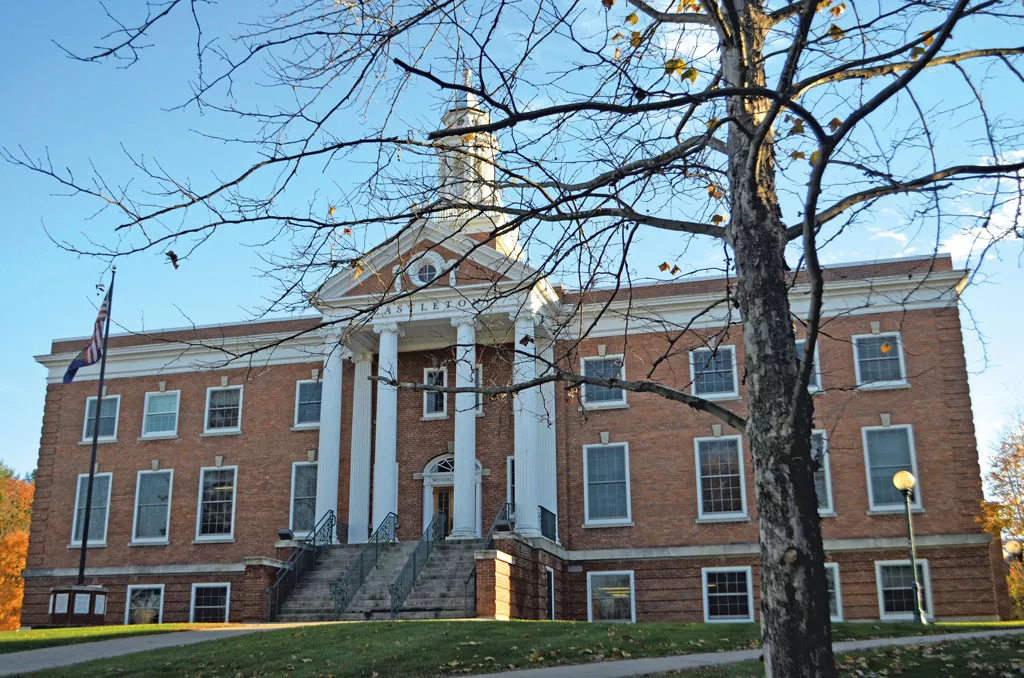

The nationwide spike in COVID-19 cases — including record caseloads and deaths in states such as Texas, Florida and Arizona — prompted the move, Spiro said in an announcement on Wednesday.
“Vermonters are doing a great job of containing the virus. However, the public health situation in the rest of the country has dictated that we move nearly all of our courses online for the fall semester," he said.
Tags: Castleton University , COVID-19 , coronavirus , higher education , Vermont Tech , Northern Vermont University , James Lambert , Jonathan Spiro , Web Only , Image
Tuesday, July 7, 2020


“The State of Vermont aims to make the state the safest place to go to college,” said Richard Schneider, the recently retired president of Norwich University. “All of our college presidents have that in mind and have that as their target.”
Schneider chaired the state higher education task force that drafted the new mandatory guidelines announced Tuesday. Schools are free to enact even tougher rules.
Gov. Phil Scott said he was confident that the new rules were strict enough and the state’s track record in managing the pandemic strong enough to allow Vermont to welcome thousands of students back to school.
Tags: Phil Scott , college , Rich Schneider , Web Only , Image
Monday, July 6, 2020

Rep. Linda Joy Sullivan (D-Dorset) issued a statement Monday that accused Hoffer, a Democrat in office since 2013, of issuing a July 1 health care report to coincide with the start of voting by absentee ballot.
But Hoffer struck back Monday afternoon, defending his office’s work and calling her statement “riddled with errors” and a “back-handed political stunt.”
The spat, the first significant salvo in the so-far subdued statewide race, illustrates the pressure some candidates for political office — and challengers of incumbents in particular — feel to attract attention to their campaigns during a pandemic with the primary now just over a month away.
Tags: Doug Hoffer , Linda Joy Sullivan , OneCare Vermont , Web Only , Image
Friday, June 19, 2020
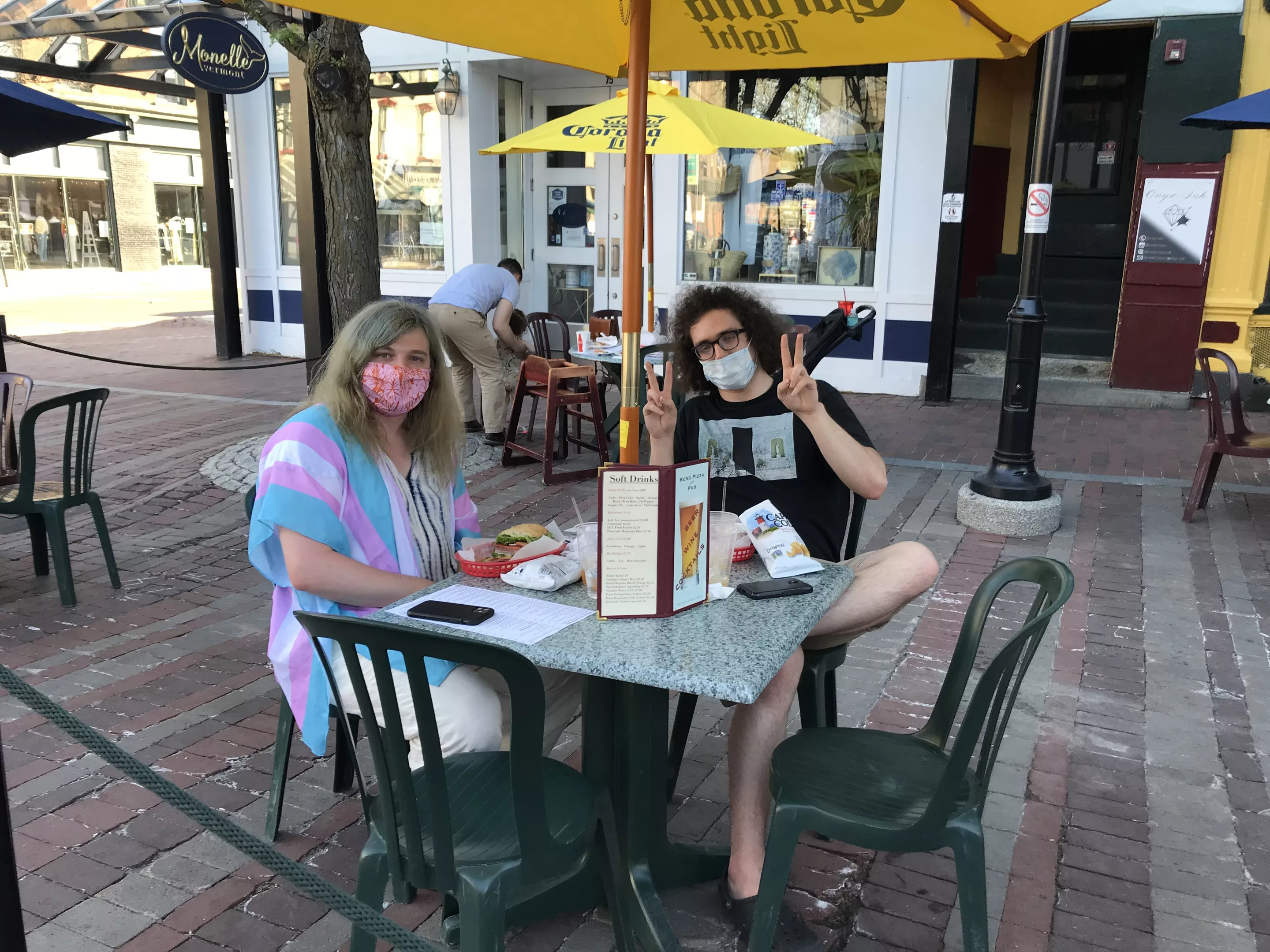
The venues will be able to permit 75 people or up to 50 percent of the space's allowable capacity, whichever is less. Up to 150 people will be able to gather outside, Commerce Secretary Lindsay Kurrle said at an afternoon press conference.
"Our goal at the end of the day is to keep people safe, to keep people healthy," Kurrle said. "In the situation of a restaurant, we're asking people to plan accordingly to try to keep people properly distanced."
Previously, restaurants and entertainment venues were restricted to 25 percent capacity. Gov. Phil Scott said Wednesday that he's considering upping the maximum capacity at retail shops, too, in the coming weeks.
"We are working diligently to open things up as fast as we can. We hope Vermonters will venture out to support these businesses, as they begin to open up," Kurrle said. "Our announcement today will not make the hospitality industry whole, but we hope it's another step in the return to profitability."
The Vermont Department of Health on Friday announced nine new cases of COVID-19. The state reported one new death on Thursday, bringing the total to 56.
Vermont's positive COVID-19 test results are tracking below 1 percent, according to Finance Commissioner Michael Pieciak, who is tasked with data modeling during the pandemic. The rate is the lowest in the country, he said.
"Over the next two weeks, we anticipate having a continued, low-level case count," Pieciak said, adding: "Our reopening metrics ... have been steady and trending positive throughout the outbreak and throughout the reopening process."
The Northeast region "can expect to continue to see improvements" in case counts over the next few weeks, Pieciak said. The number of people who can travel to Vermont without quarantining continues to grow. Since last Friday, the state has counted net increase of 12 counties subject to relaxed quarantine rules.
A total of 75 counties in Maine, New Hampshire, Massachusetts, Connecticut, Rhode Island and New York — or about 6.8 million people — are free from these restrictions, Pieciak said.
Tags: coronavirus , COVID-19 , Gov. Phil Scott , Web Only , Image
Thursday, June 18, 2020
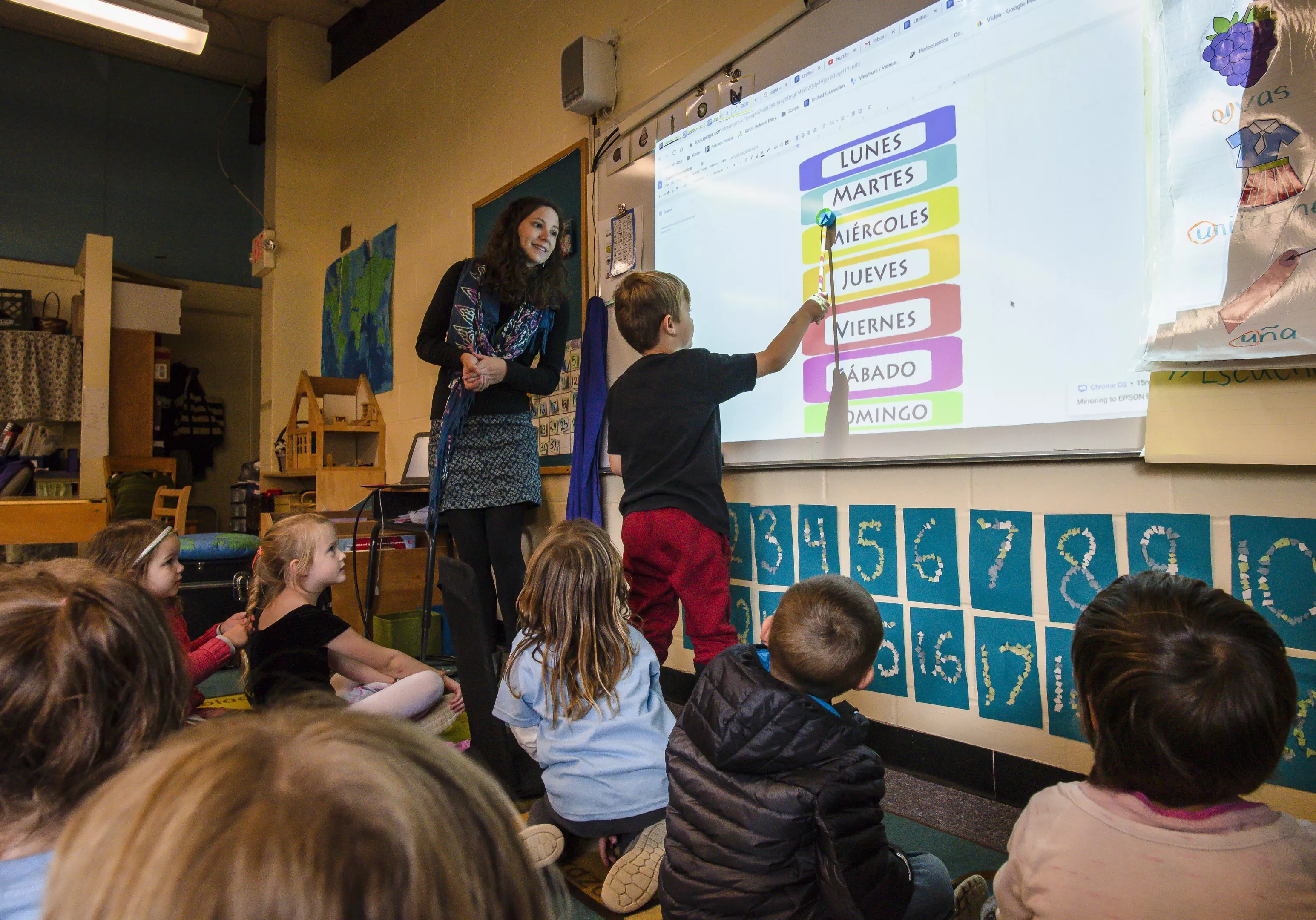

Drafted with input from infectious disease experts, pediatricians, and public health and education professionals, the document — “A Strong and Healthy Start: Safety and Health Guidance for Reopening Schools, Fall 2020” — aims to decrease the risk of transmission of COVID-19 among staff and students.
The document states that the guidance may evolve and will be updated as new information becomes available. What is certain, though, is that schools will look and feel markedly different than they did when students were dismissed in mid-March, with enhanced physical distancing measures in place.
Guidelines include daily health screening for students and staff — involving both verbal questions and a temperature check — at the first point of contact. That means students dropped off at school will be checked before they enter the building. Those who take a bus must be screened before they even board. If a student has a temperature of 100.4 degrees or higher, they will be sent home.
If COVID-19 is confirmed in a student or staff member, the school areas they had used will be closed off, cleaned and disinfected.
Additional measures include hand-sanitizing stations and the disinfecting of common spaces and frequently touched surfaces at the beginning, middle and end of each day.
Both students and staff must wear facial coverings — cloth masks or clear facial shields — while inside the school building. If they can't maintain six feet of social distancing when outside, their faces must be covered. That can be waived for students with medical or behavioral conditions that prevent them from wearing a mask.
Visitation to schools will be curtailed extensively, and parents will not be able to enter when they drop their kids off.
The document outlines physical-distancing measures that should be implemented to reduce contact between students. When feasible, the same group of students should stay in their designated classroom, and the same teachers and staff should remain with those students all day. The guidance notes that this “will need to be addressed differently to meet the needs of high school (and maybe middle school) students,” but it does not specify what this might look like.
Within classrooms, desks should be spaced six feet apart and facing in one direction. The sharing of art supplies and computer and lab equipment should be limited. Communal spaces including the cafeteria and gymnasium should be closed unless they are needed for additional classroom space. Students will eat lunch in their classrooms.
Outdoor recess space can be used as long as physical distancing is possible, and playground equipment should be cleaned frequently throughout the day. The teacher’s lounge should be closed, and physical barriers should be installed in reception areas and employee work spaces where distancing isn’t possible.
Group activities with the potential to generate increased respiratory droplets and aerosols, such as singing and music involving brass and woodwind instruments, are to be avoided.
To aid in contact tracing, students should have assigned seats. Staff members should keep track of all those who enter their classrooms and are encouraged to keep a daily list of those they come into close contact with.
Libby Bonesteel, superintendent of Montpelier-Roxbury Public Schools, shared her initial thoughts about the document via email. She said she was anticipating much of the guidance related to masks, physical distancing and health checks. Her district is already developing plans for those protocols.
Bonesteel said there were several parts of the guidance she found contradictory. The document states that if children are too young to answer the verbal health screening questions accurately before they enter school, a parent should remain with them. But because parents are not allowed in the building, that means that, in her district, there will be upwards of 250 children and their parents who will have to wait outside each day for screening.
The transportation requirements will be an issue, particularly for rural towns and schools, said Bonesteel. “It is not a bus driver’s job, nor should it be, to do health screenings on children," she wrote. "Hiring bus monitors will be extremely hard for school districts.”
Vicki Graf, principal of Jericho Elementary School, also had concerns about the expense of daily health screenings and additional supplies. Said Graf: “I think our school districts are going to need support from the state to cover these costs.”
The guidelines are here:
Tags: back to school , social distancing , COVID-19 , Web Only , Image