

Thursday, February 15, 2018
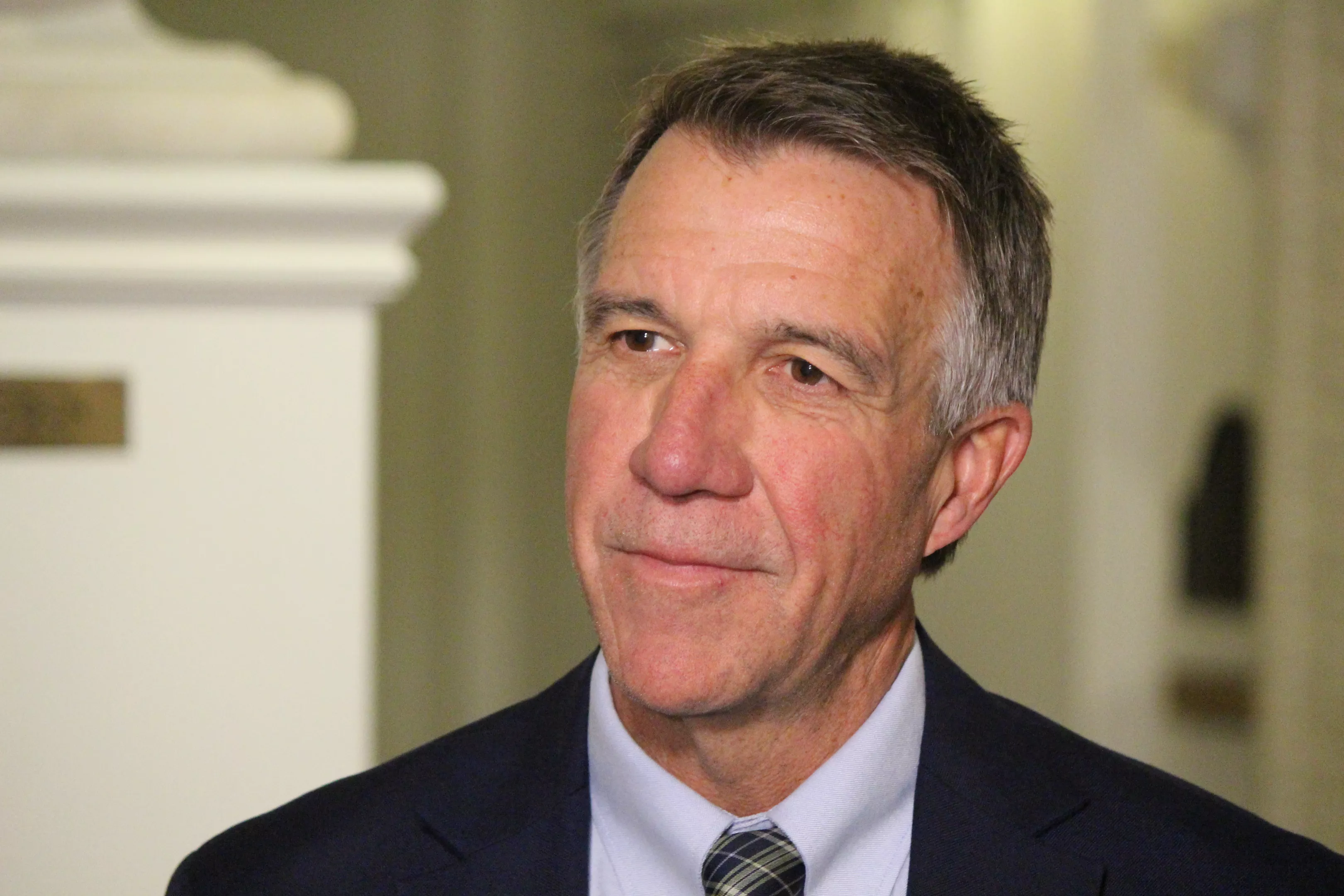
"We’re fortunate we’re one of the safest states in the country, and I believe our gun laws are balanced," the first-term Republican said Thursday afternoon. "They balance public safety with our rights."
Rather than limiting access to firearms, Scott said the state should focus on providing more training and drills in schools so that staff and students can prepare for active-shooter situations.
"We should do more [training], and certainly we should be vigilant at this point in time," Scott said, citing concerns about "copycat" shootings in the wake of the Florida massacre.
Sen. Phil Baruth (D/P-Chittenden), an outspoken gun control proponent, saw it differently. He said the latest incident should "increase the shame" on the Vermont Senate, which he criticized for failing to address gun violence.
"We are doing jack shit about a problem that’s every bit as pressing nationwide as the opioid epidemic," Baruth said Thursday. "And the reason I say that is not to denigrate what’s happening with the opioid epidemic — people are dying — but the mass-shooting epidemic that we’re experiencing is decaying American life at its foundation."
Tags: firearms , guns , gun control , universal background checks , Phil Baruth , Phil Scott , Dick Sears , TJ Donovan , Florida shooting , Image , Web Only
Friday, January 6, 2017

“None of that matters to me,” Baruth said. “It’s so resoundingly ridiculous to me. When you buy a new gun you have to go through a background check. Then I can sell it on the internet without a background check.”
The bill Baruth is sponsoring — S.6 — would require background checks for all gun transactions, except for those between family and law enforcement.
Baruth and other supporters will hold a press conference touting the bill Tuesday afternoon at the Statehouse. He plans to go full steam ahead in hopes of building support. “My read on the Senate is that it would pass if there were a vote,” he insisted Friday.
Tags: gun control , Phil Baruth , Dick Sears , Mitzi Johnson , Evan Hughes , Phil Scott , Image , Web Only
Thursday, August 4, 2016

“I can’t tell you how amazing it is to see you all here,” said the Brattleboro mother of two young children, who founded the advocacy organization Gun Sense Vermont.
Three and a half years ago, when she launched an effort to change gun laws in Vermont, the scene was much different, Braden noted. “All I felt was alone and powerless,” she said.
Thursday’s crowd reflected a change in views among Vermont politicians regarding gun legislation. Standing alongside Braden were all three Democratic candidates for governor and all three Democratic candidates for lieutenant governor.
“This is a sea change,” Sen. Phil Baruth (D-Chittenden), told the crowd. Four years ago, Baruth found himself alone in the Statehouse as he sought to ban assault-style weapons and met resounding opposition.
Baruth organized Thursday’s event to rally support for legislation he plans to introduce in January that would require background checks for all gun purchases, including those made through private sales, at gun shows and online.
Tags: Phil Baruth , Ann Braden , Miro Weinberger , Matt Dunne , Sue Minter , Peter Galbraith , guns , election 2016 , primary 2016 , Image , Web Only
Thursday, July 21, 2016

"But it often takes time for the state capital to catch up to public opinion," says Braden, who founded Gun Sense Vermont after the December 2012 school shooting in Newtown, Conn.
Now, with less than three weeks remaining before Vermont's gubernatorial primary, one candidate is staking her candidacy on the controversial issue. In a television advertisement released Wednesday, Democrat Sue Minter ties firearms to domestic violence and pledges to take on "the gun lobby."
"We need to keep guns away from domestic abusers and require background checks on all gun sales," she says.
It may not be the riskiest strategy in a Democratic primary. The Castleton Polling Institute found last February that 97 percent of Democrats support universal background checks. Even independents and Republicans overwhelmingly support the concept, the poll concluded.
Tags: Sue Minter , Peter Galbraith , Matt Dunne , Ann Braden , Evan Hughes , gun control , universal background checks , election 2016 , primary 2016 , Image , Video , Web Only
Wednesday, July 13, 2016
They’re planning to rally August 4 on the steps of the Statehouse, said Senate Majority Leader Phil Baruth (D-Chittenden). He said that if he’s reelected this fall, he will introduce a bill next year to require universal background checks.
Democratic candidates for governor — Sue Minter, Matt Dunne and Peter Galbraith — have said they’ll attend, Baruth said. So have the three candidates seeking the Democratic nomination for lieutenant governor: Sen. David Zuckerman (P/D-Chittenden), Rep. Kesha Ram (D-Burlington) and House Speaker Shap Smith (D-Morristown), according to Baruth.
The rally is an indication that the debate over gun control — long considered off-limits in hunting-friendly Vermont — is shifting after a run of mass shootings across the country. Any legislation will likely face heavy opposition, however, and the issue is likely to come up in this year’s elections.
Tags: gun control , universal background checks , Phil Baruth , Vermont legislature , Image , Web Only
Tuesday, June 28, 2016
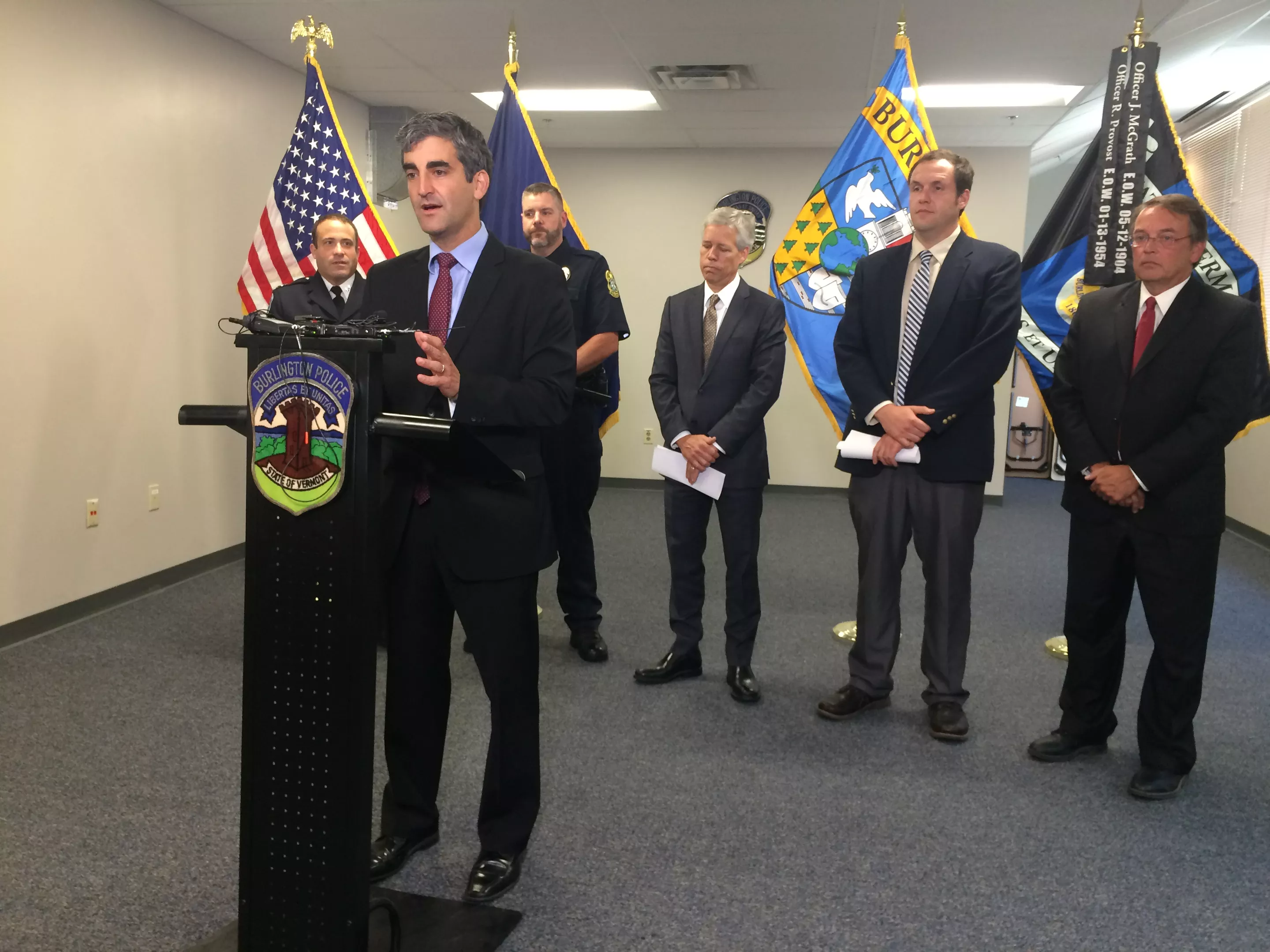
In the wake of the June 12 Orlando nightclub shooting that killed 49 people, Vermont's eight mayors called for a measure that they say would increase safety while respecting the rights of gun owners. Some of the mayors first pushed for background checks after the 2012 murders of 20 children and six adults at an elementary school in Newtown, Conn.
"In the three years since [Newtown], we have seen a terrible series of massacres across the country, [but] we have seen no action from Congress and very little action by state leaders," Burlington Mayor Miro Weinberger said during a press conference at the city's police station. "It would be better for the federal government to act, but in the absence of that, state and local leaders must act."
Tags: Miro Weinberger , John Hollar , Seth Leonard , Thom Lauzon , Phil Scott , Peter Shumlin , guns , firearms , suicide , police , mental illness , Image , Web Only
Thursday, June 23, 2016
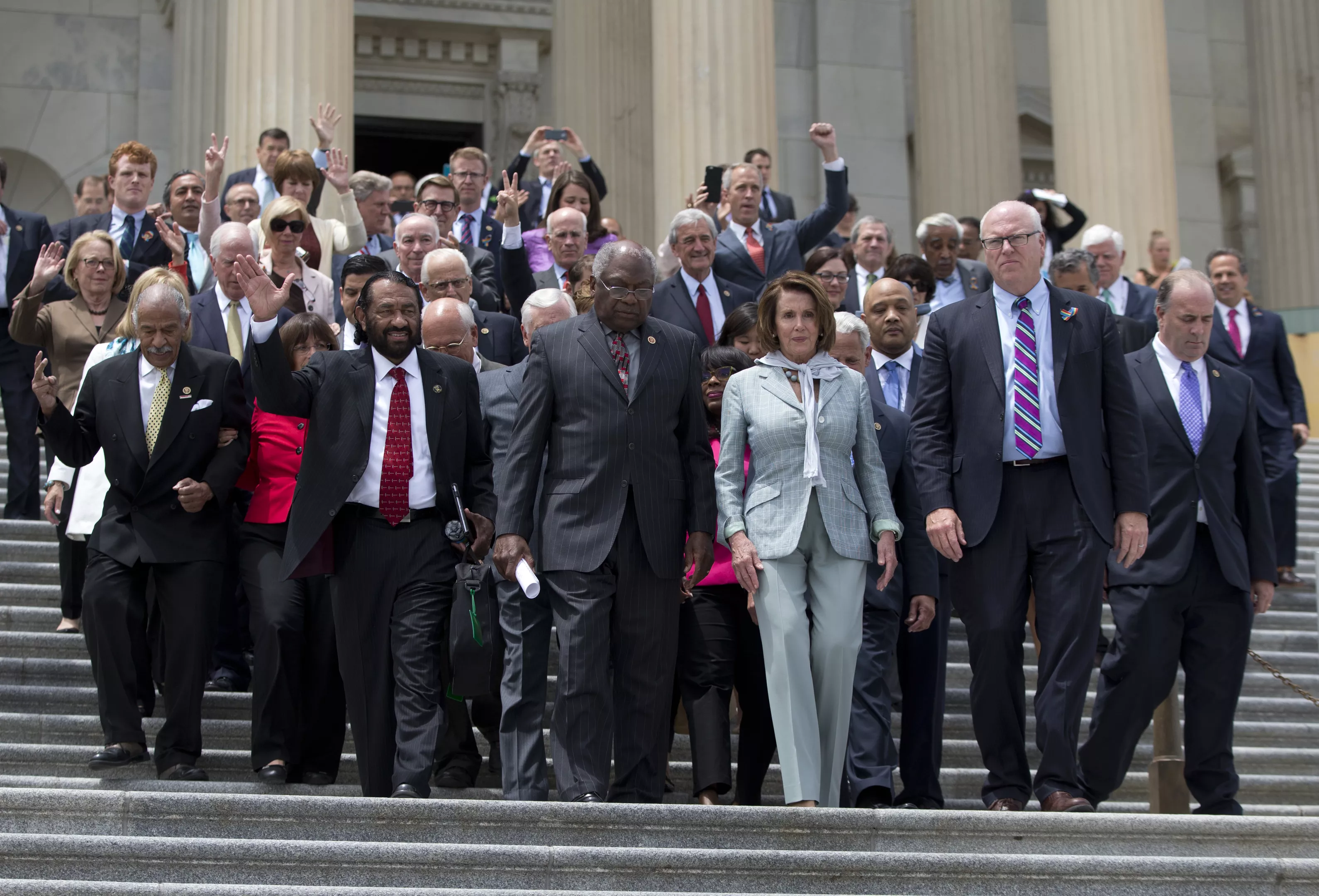
"We focused attention on the obligation of Congress to act," said U.S. Rep. Peter Welch (D-Vt.), who joined his colleagues for much of the protest. "The response I got on social media from Vermonters — the calls to our office — has been greater on this event than anything else since I've served in Congress. And it's been overwhelmingly positive."
Democrats took control of the House floor late Wednesday morning and did not leave until roughly 1 p.m. Thursday. They stalled all congressional action until late Wednesday night, when House Speaker Paul Ryan (R-Wis.) and Republican leaders reconvened to push through a major spending bill and other legislation. GOP lawmakers then left town — despite chants of "no bill, no break!" — for their annual Independence Day recess.
Tags: Peter Welch , gun control , Image , Video , Web Only
Wednesday, June 22, 2016
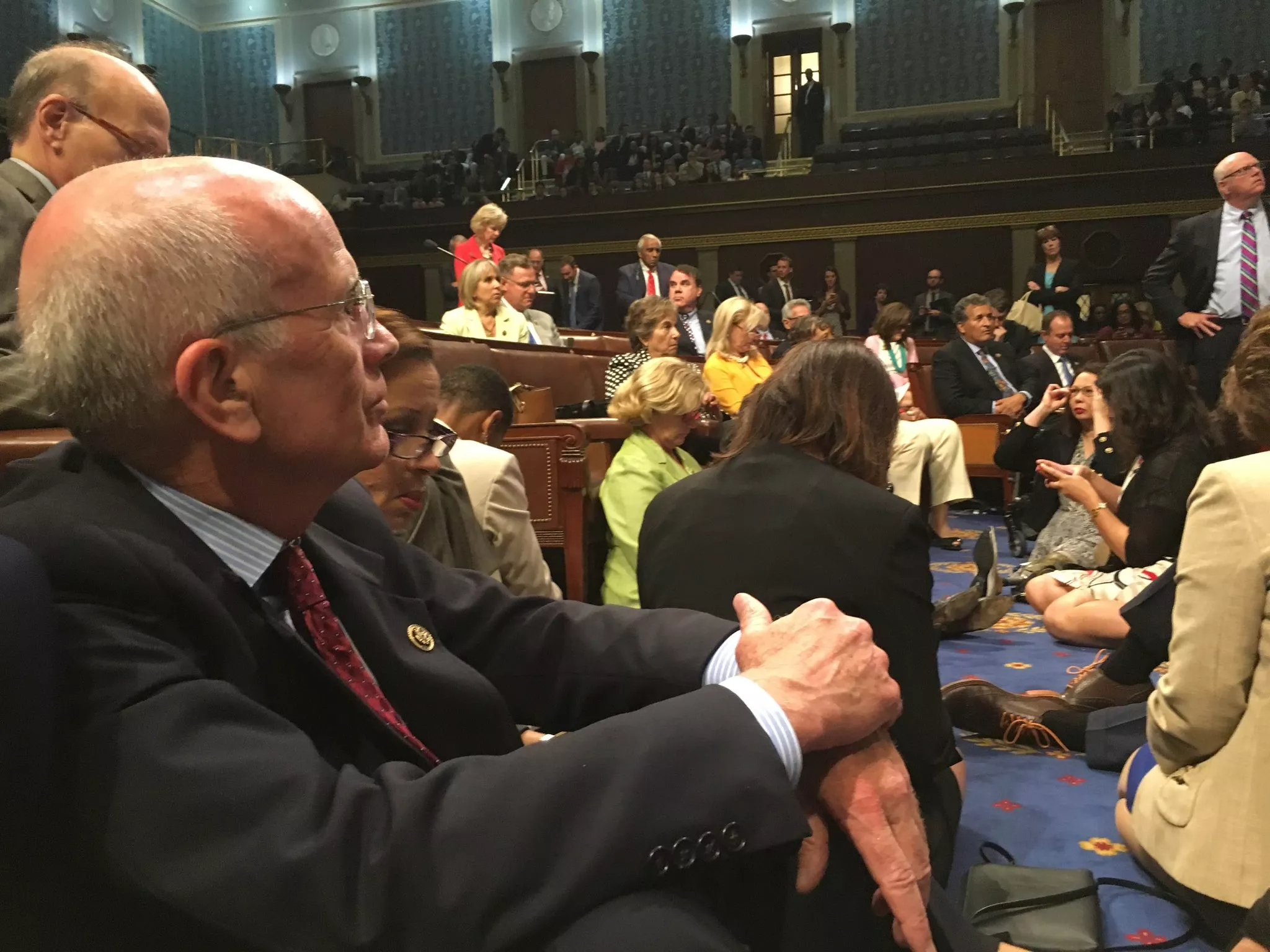
"That's something I've never done in my life," he said. "But every moment of silence has been followed by moments of total inaction, and obviously our job is to do something — to have a debate on a bill and pass some common-sense gun legislation."
Welch took his protest a step further Wednesday, joining a highly unusual sit-in on the House floor to demand a vote on gun-control legislation. Democratic lawmakers interrupted the chamber's proceedings that morning and vowed to remain in the well of the House until Republican leaders scheduled a vote.
"It's been a spontaneous avalanche of support among our colleagues," Welch said Wednesday afternoon during a phone interview from the House cloakroom. "Members feel good that finally we're doing something to indicate clearly and explicitly with our actions that we want action, we want to do our job, we want to vote."
Tags: Senator , Peter Welch , Patrick Leahy , Bernie Sanders , gun control , Recommended Reading , Image , Web Only
Tuesday, June 21, 2016
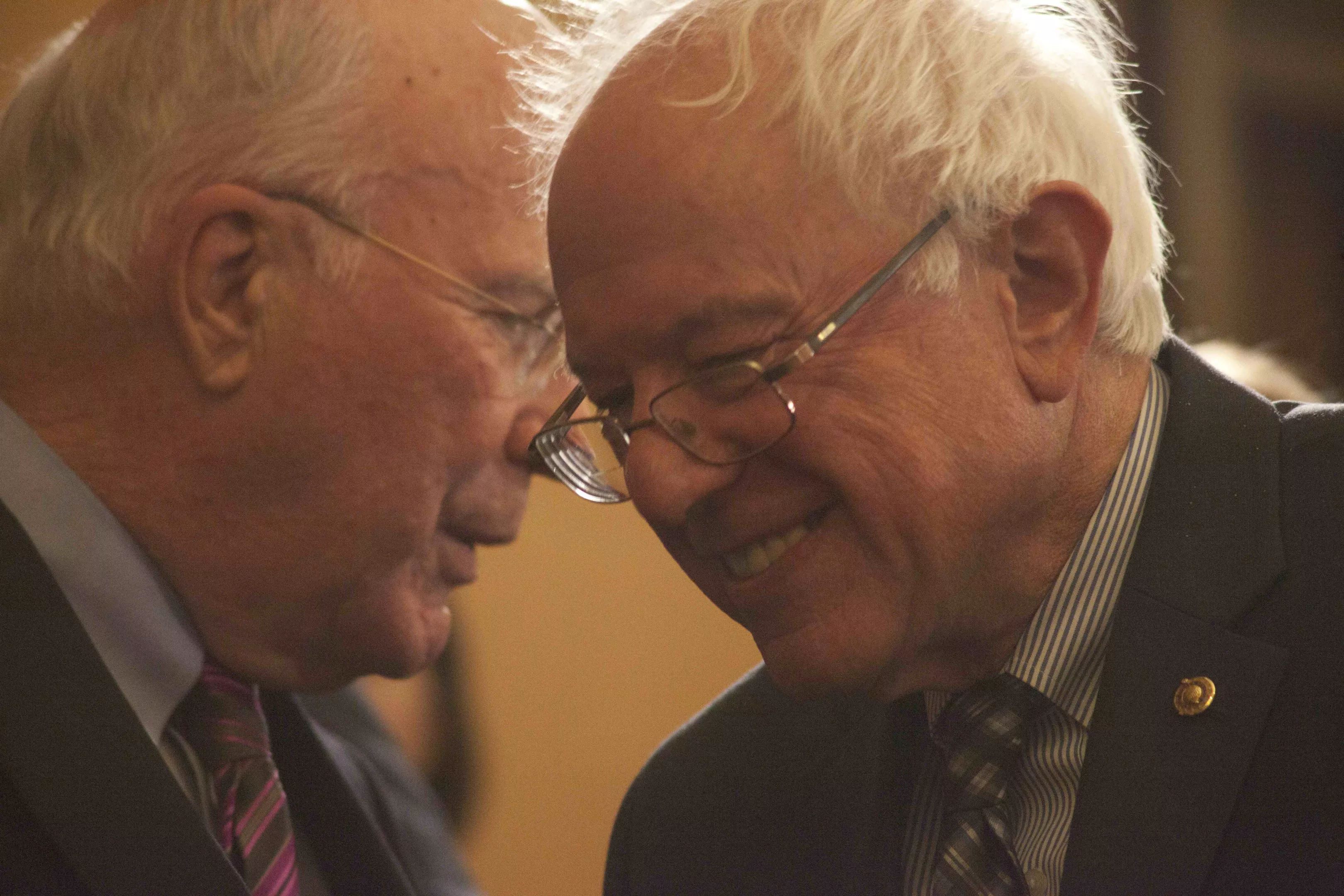
At issue were a series of proposals to strengthen the nation's gun laws. Like his district-mate, Sen. Patrick Leahy (D-Vt.), Sanders supported measures that would bar those on federal terrorism watch lists from buying firearms and require those engaging in private sales to undergo federal background checks. The pair opposed a Republican proposal to delay for 72 hours the purchase of firearms by those on terrorism watch lists.
All of the measures failed.
For Sanders, who has been busy campaigning for the Democratic presidential nomination, the votes were his first since January 12. According to GovTrack.us, Sanders missed another 19 votes last fall. The senator declined an interview request, and a spokesman did not respond to questions about his long absence.
Tags: Senator , Bernie Sanders , Patrick Leahy , Scott Milne , presidential campaign , Recommended Reading , Image , Web Only
Thursday, January 28, 2016
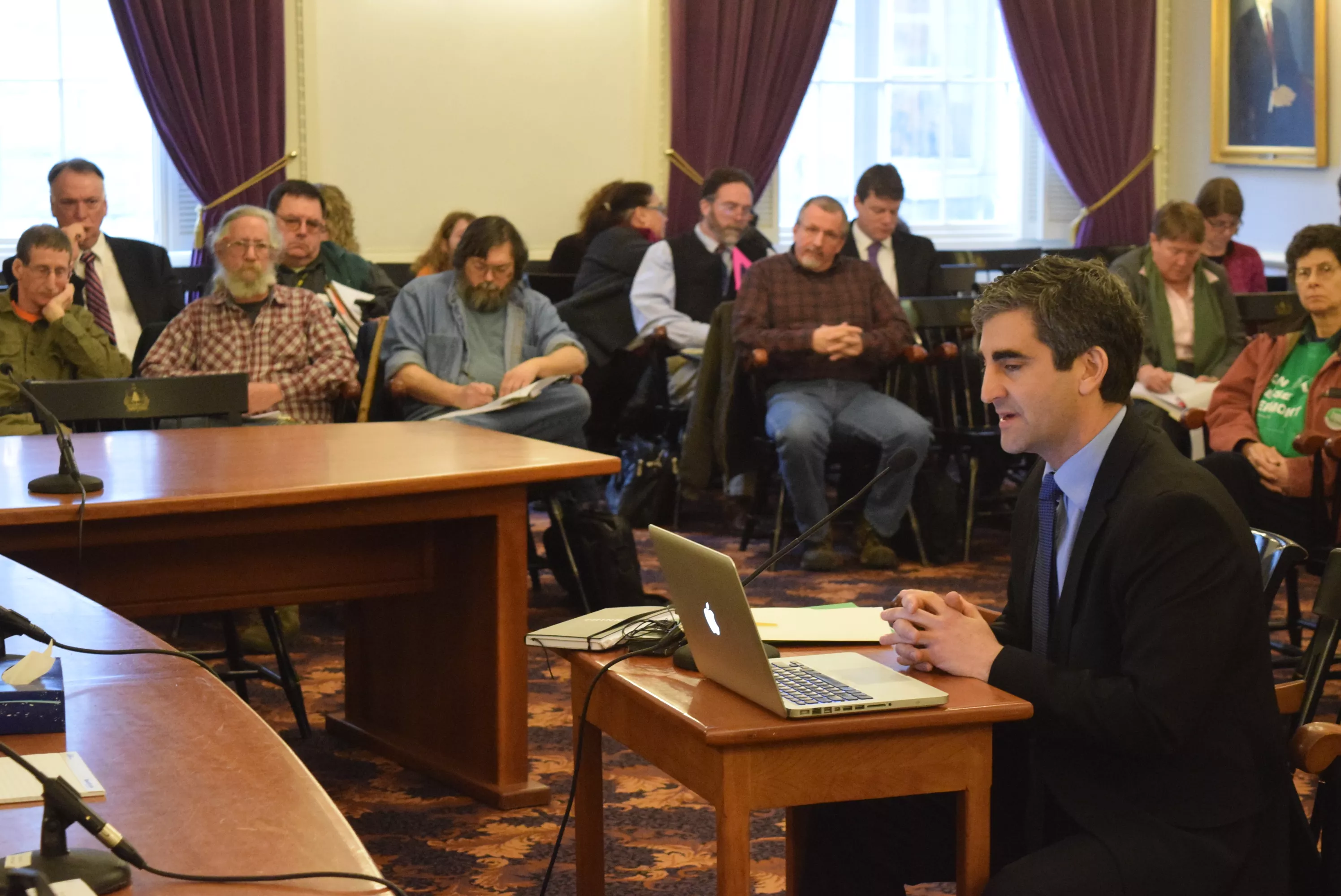
Two years after Burlington residents voted for three gun-control measures — and a year after state lawmakers dismissed the charter changes as unconstitutional — Mayor Miro Weinberger tried to make the case to legislators that there’s nothing outlandish about what the city wants to do. He argued that the three gun-control measures the voters approved are legal, doable and accepted elsewhere.
“I think we made a stronger case this year,” Weinberger said after speaking at the Statehouse. “I sense it’s being treated differently.”
Earlier, Weinberger told the House Government Operations Committee, as about a dozen gun-rights activists waited to counter his arguments: "Gun safety is not an area where Burlington is trying to chart some new path. Today, we are trying to catch up with laws in Texas, Montana, and Alaska."
Sixteen states ban firearms in bars and restaurants, according to information Burlington city attorney Eileen Blackwood supplied the committee.
Tags: Senator , gun control , Miro Weinberger , Shap Smith , Peter Shumlin , Vermont legislature , Image , Web Only