

Wednesday, September 18, 2013
Happy Wednesday, people. Here are the news and politics stories you'll find in the latest edition of Seven Days:
- Vermont's new health care exchange goes live in less than two weeks! In this week's cover story, Ken Picard follows five households and professional "navigators" to untangle how it will work for average Vermonters.
- St. Michael's College fired two longtime custodians, and the campus isn't happy about it. Was it a case of union busting?
- A Vermont-born political strategist is playing a major role in one of the biggest races of the year in Virginia. Some observers think he may feature in the next presidential campaign.
- In looking to revitalize its downtown, is St. Albans turning its back on a piece of history?
- And in this week's Fair Game: After an ineffective 2013 session, Vermont's gun control advocates aren't going away — now they're even hiring a high-powered lobbying firm. Plus, why are F-35s okay for Vermont if missiles aren't?
If those links aren't your style, read these stories in print or on the Seven Days app.
Cover illustration by Michael Tonn
Friday, September 13, 2013
Sanders comes out against Syrian strikes — after the fact.
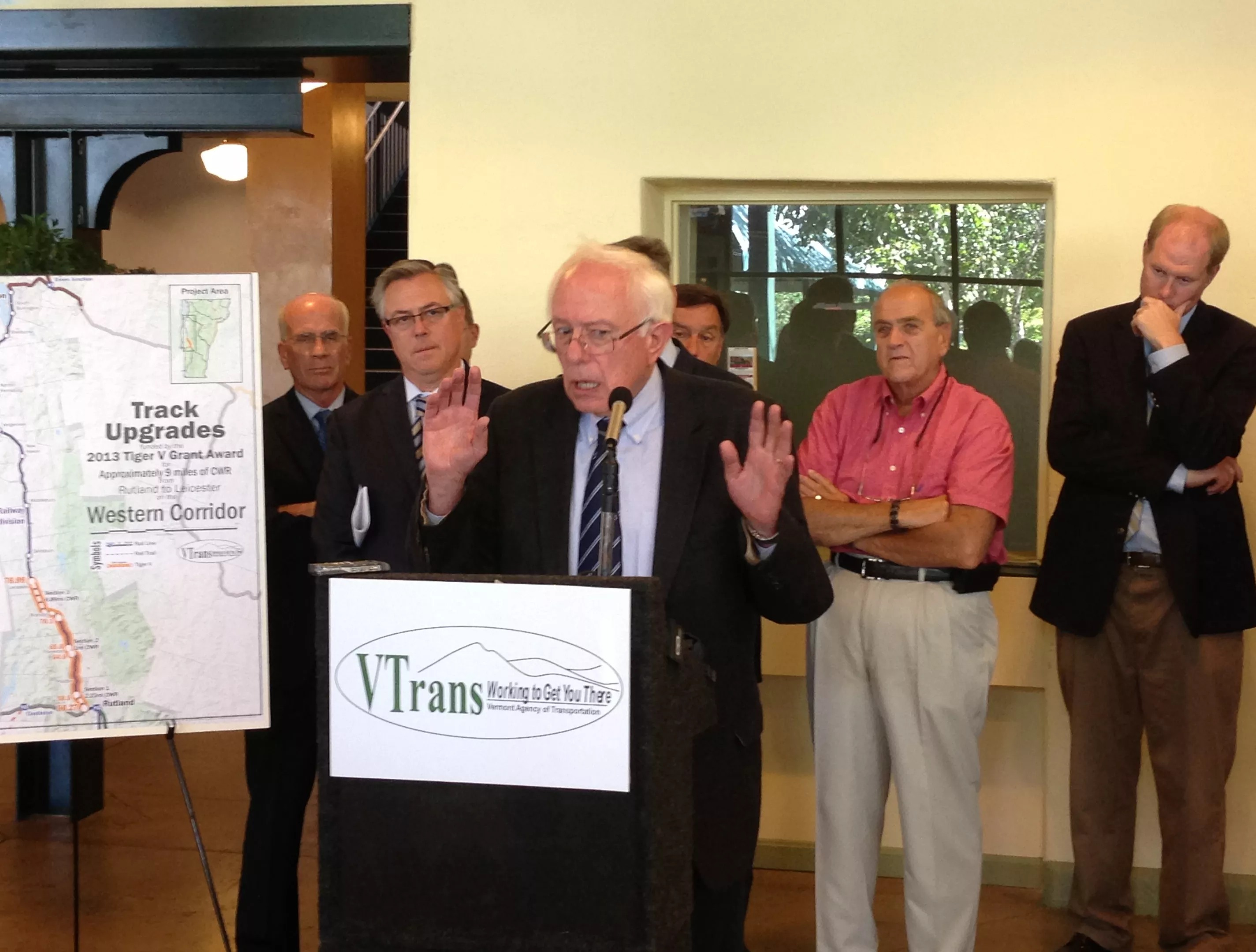
Yes, I know. You're all tired of reading about the Vermont congressional delegation's tortured positions on potential Syrian air strikes, which — at least for now — aren't gonna happen.
Believe me. I'm tired of writing about them.
Buuuuuuuut... Sen. Bernie Sanders' regular "Bernie Buzz" e-newsletter crossed the transom earlier today and something about it struck me as a little odd. Here's the lede:
In the midst of widespread public opposition to military strikes against Syria, which Bernie shares, President Obama seized the opportunity to explore a proposal for international monitors to take over Syria’s arsenal of chemical weapons. Bernie welcomed the president’s new approach.
Sanders "shares" "widespread public opposition" to the strikes?
From what I recollect, Sanders never actually came out in opposition to Obama's proposed air strikes. Sure, he talked Ed Schultz's ear off on a near-daily basis on MSNBC about his reservations. He said time and again that he was hesitant to get "involved in a bloody and complicated civil war in Syria."
But every time I asked him or his staff whether he'd decided to vote against the strikes, they brushed off the question.
Tags: Senator , Bernie Sanders , foreign policy , Recommended Reading , Web Only , Image
Tuesday, September 10, 2013
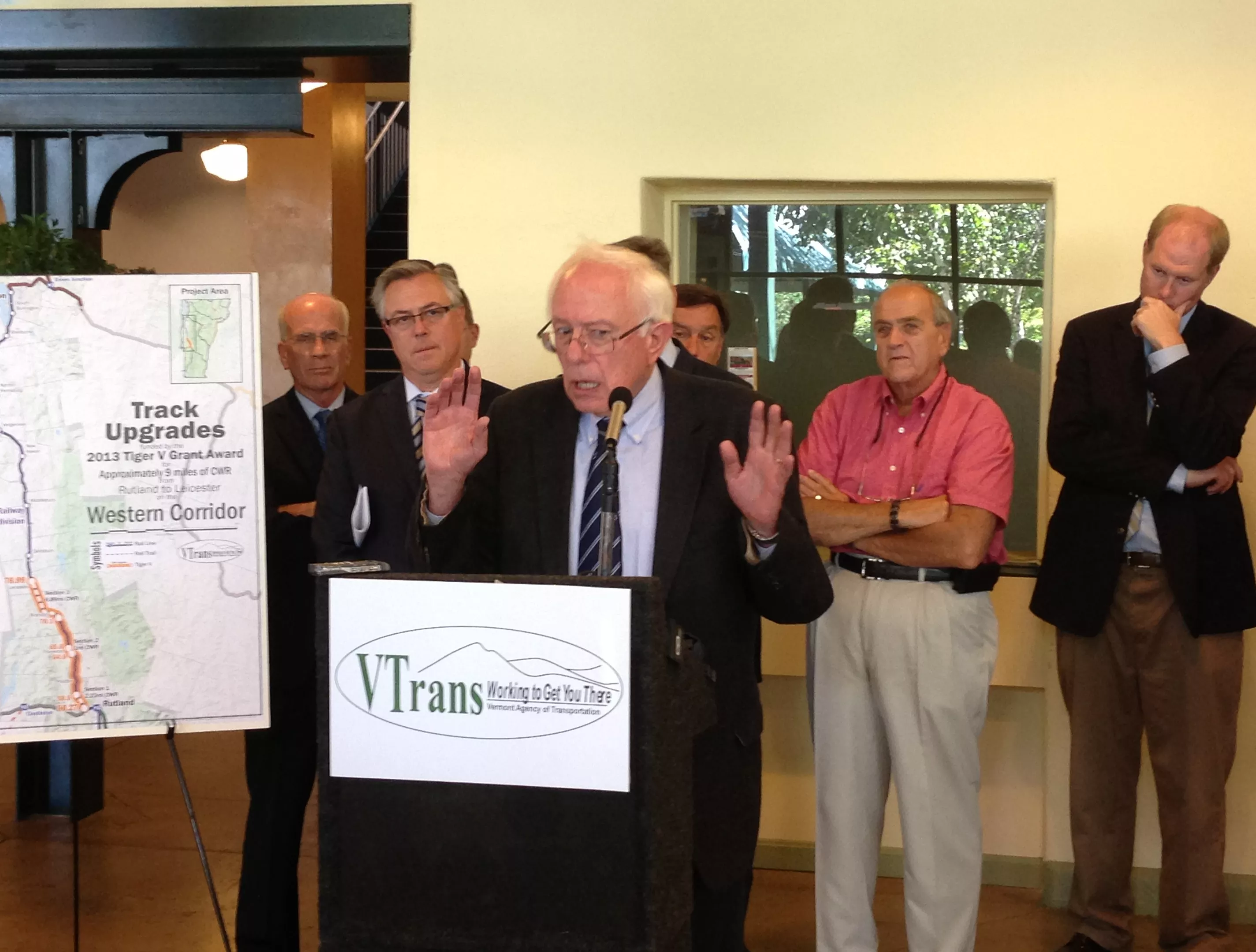
Sanders says he's pleased the Senate won't vote on Syrian strikes.
* Updated below with new comments from Sen. Patrick Leahy *
Sen. Bernie Sanders (I-Vt.) and Congressman Peter Welch (D-Vt.) voiced a cautious optimism late Monday that the United States might yet find a peaceful resolution to its standoff with Syria.
The comments came after a frenetic day of diplomacy and public relations, in which U.S. and Russian officials signaled a willingness to avert a showdown by convincing Syria to surrender its chemical weapons to international monitors. That development prompted Senate Majority Leader Harry Reid (D-Nev.) to postpone a test vote previously scheduled for Wednesday on whether to strike Syria.
In a written statement released late Monday, Sanders said he "appreciate[s] that the majority leader delayed a vote and that President Obama is prepared to work with Russia to have Syria turn over control of its chemical weapons to international monitors."
While Sanders has yet to explicitly state his opposition to Obama's proposed strikes, he has expressed grave reservations about the prospect in countless interviews with the national news media.
"Most Americans would support an effort that could remove chemical weapons from Syria without American military involvement in another Middle East war," he continued in the statement. "I urge the president and Russia to work vigorously to achieve that goal."
Welch, meanwhile, addressed the developments Monday night during an hourlong "telephone town hall meeting" with Vermonters.
Tags: Senator , Bernie Sanders , foreign policy , Recommended Reading , Web Only , Image
Monday, September 9, 2013
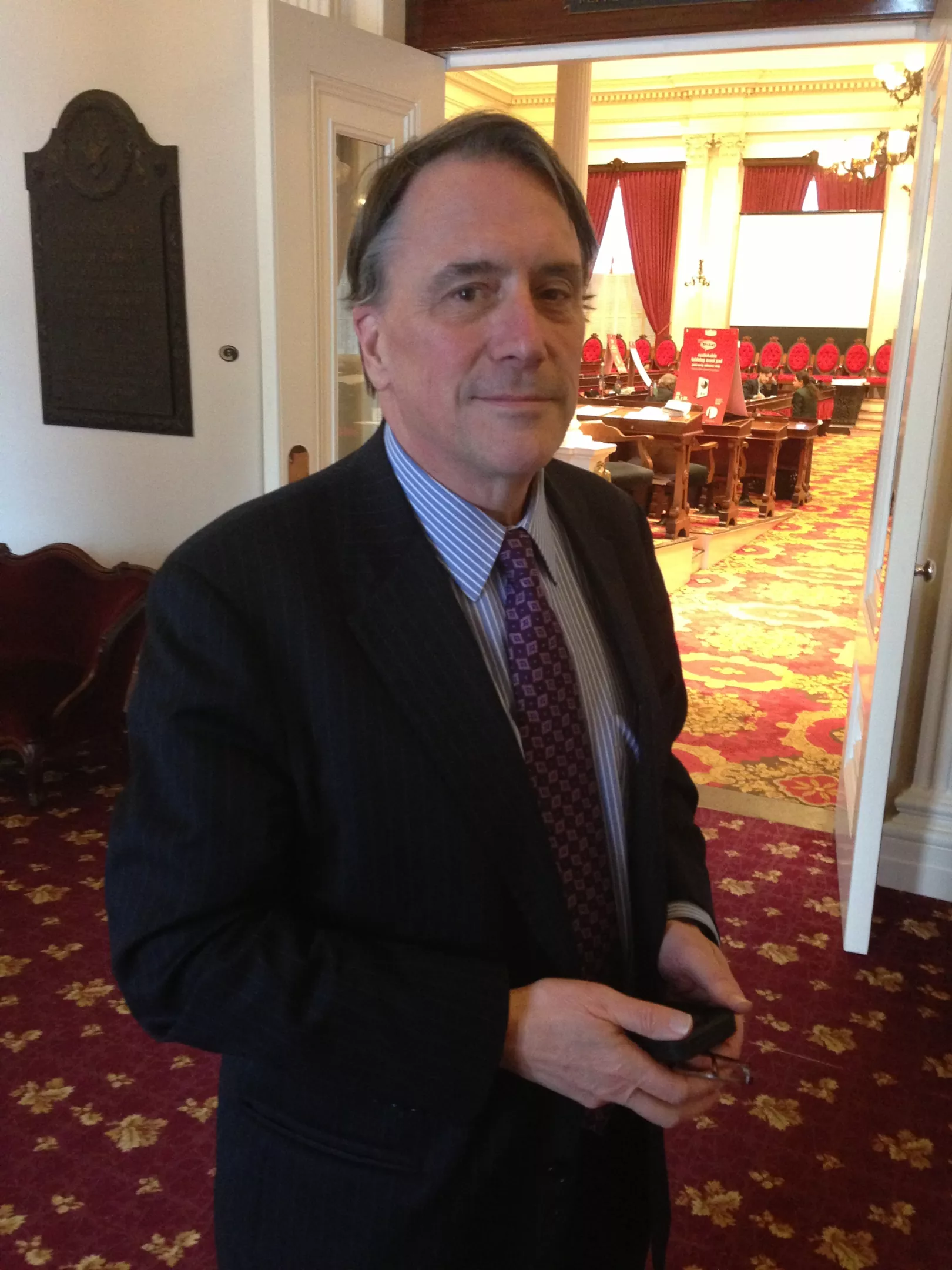
The Vermont politician with arguably the most diplomatic experience in the Middle East won't have a chance to vote this week on whether the U.S. should strike Syria.
That's because former ambassador and veteran diplomat Peter Galbraith now serves in Vermont's state senate, whose foreign policy jurisdiction ends at the New Hampshire border.
But if he could vote, Galbraith says, he'd oppose President Obama's proposed strikes.
"We should not, because the airstrikes won't accomplish anything," Galbraith says. "They are not going to degrade the Syrian government's ability to use the weapons. They are not going to change the military balance. So they're really about making a statement, and that's not, in my view, an appropriate use of military force."
Galbraith knows a thing or two about chemical weapons. Twenty-five years ago this month, while serving on the staff of the Senate Foreign Relations Committee, Galbraith traveled to the Iraqi-Turkish border, where he uncovered evidence of Saddam Hussein's gassing of the Kurds. That discovery led to Senate passage of the "Prevention of Genocide Act of 1988," which Galbraith credits with prompting Hussein to halt his use of chemical weapons.
Wednesday, September 4, 2013
* Updated below with new comments and video from Sen. Bernie Sanders. *
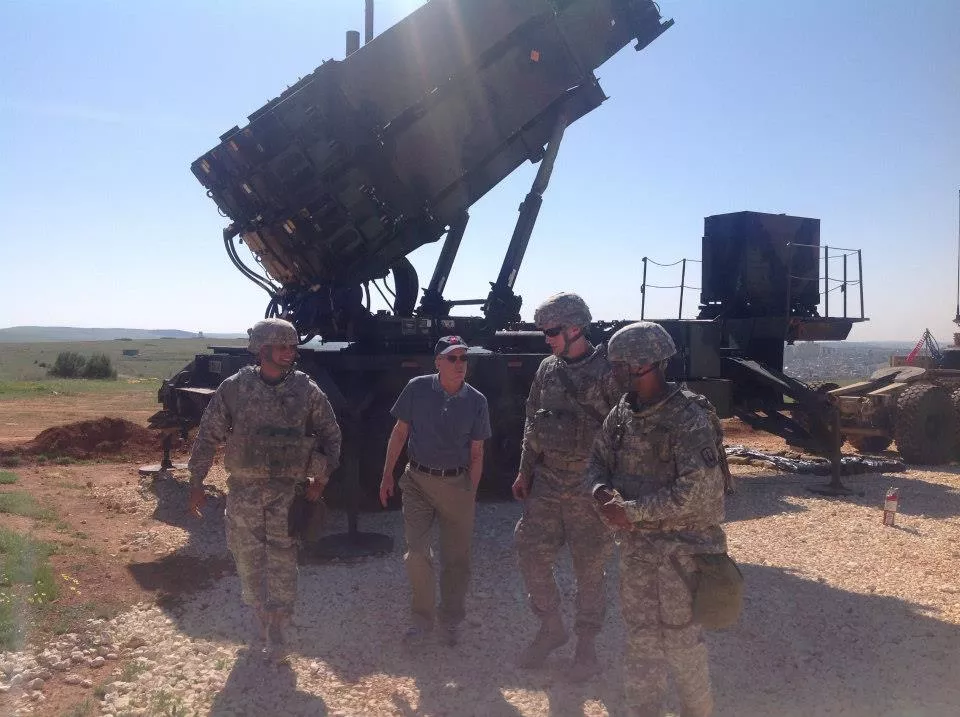
In his first public comments since last month's chemical weapons attacks in Syria, Congressman Peter Welch (D-Vt.) said Wednesday he's "still in the process of deciding" whether to vote in favor of responding with air strikes.
"It's obviously a very wrenching decision," Welch said. "I mean, I've strongly opposed the U.S. getting involved in the civil war in Syria. That tragedy is something that I don't think we can control. We can't micromanage the outcome."
But, he continued, "There's a new question as a result of [the chemical weapons attacks of] August 21st — and that is when the Syrian state uses chemical weapons in violation of an agreement signed by 98 percent of the countries, there's a legitimate and moral basis for punitive action."
Tags: Senator , Bernie Sanders , Video , Web Only , Image
This week's Art Hop issue is on newsstands now. But fear not, news junkies! We've got the usual bunch of news and politics, too. Here's what you'll find:
- Bicycle theft is a never-ending problem in Burlington. Would a police registry help?
- Massage parlors around Vermont were busted for offering sexual services earlier this year. This Chinese spa in Barre fell under intense scrutiny, too — but it's totally legitimate.
- Pine Street sidewalks (where they exist) always get claustrophobic during the Art Hop in Burlington. Why won't the city close off parts of the street?
- Dartmouth College students have fanned out across the Upper Valley, finding immersive, mesmerizing stories for an online literary project.
- A University of Vermont professor is drawing the lightning bolt-shaped line between reading Harry Potter books and the politics of young Americans.
- And in Fair Game: Leahy, Sanders and Welch weigh whether to support President Obama's proposal for air strikes in Syria.
Monday, September 2, 2013
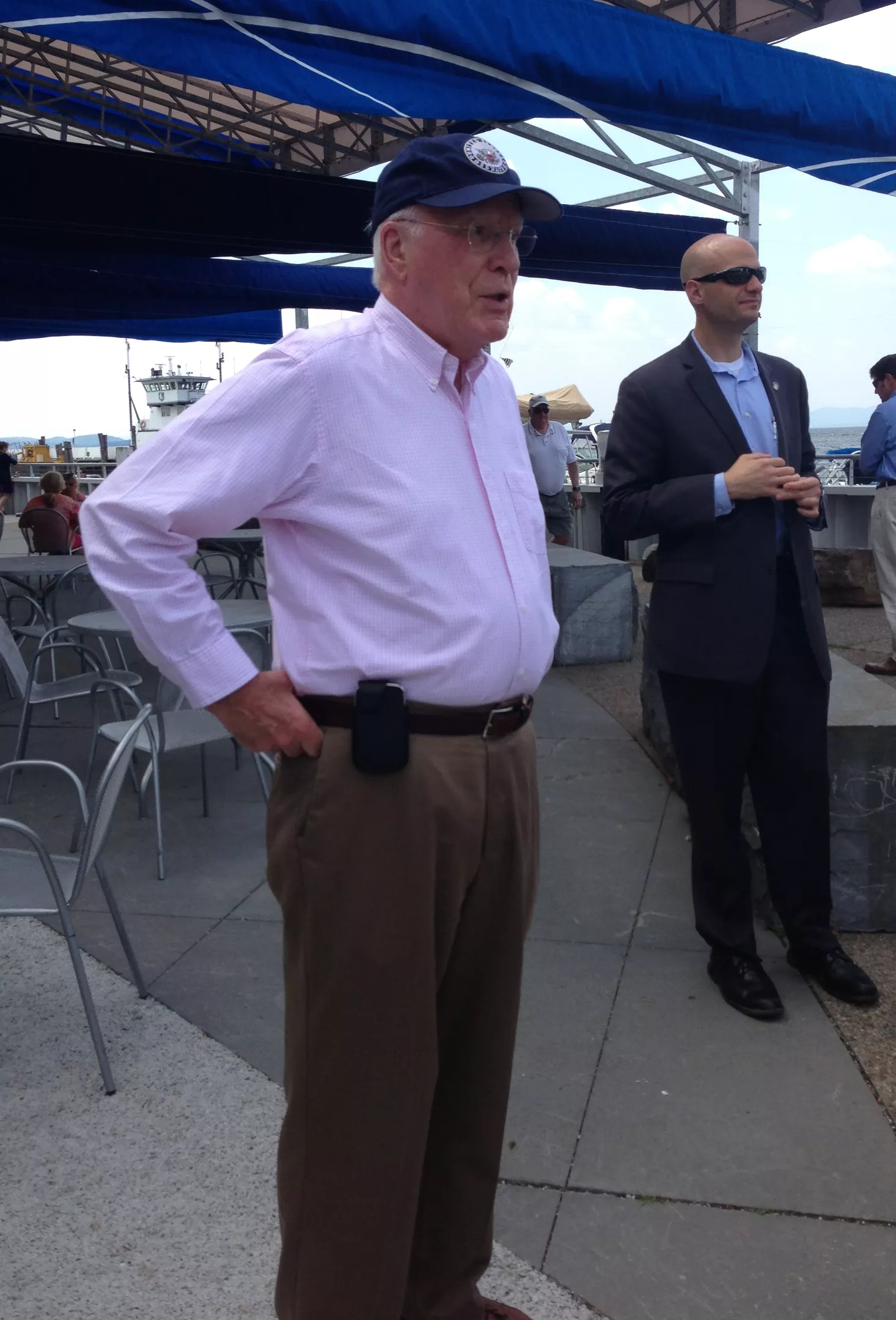
Sen. Patrick Leahy (D-Vt.) on Monday criticized the White House's draft resolution authorizing the use of force in Syria as "too open-ended" and predicted it "will not pass as written."
While the senior Vermont senator said he hoped Congress would narrow the scope of the resolution, he expressed ambivalence as to whether he could support even a whittled-down version.
"I don't know the answer to that — and I'm trying to be as honest as I can. I have no question that the use of chemical weapons is heinous and contrary to everything since the Geneva Conventions," he said. "What I worry about is what happens next."
Leahy's comments came two days after President Obama abruptly reversed course and said he'd seek Congress' approval before launching retaliatory air strikes in response to Syrian president Bashar al-Assad's alleged use of chemical weapons late last month.
Leahy hailed Obama's decision to seek Congress' imprimatur, saying that, no matter the war or the president, "The point is, you need to go to Congress."
But after flying back to D.C. for a classified briefing in the Capitol on Sunday, Leahy told reporters assembled outside that the White House draft was "too open-ended" and would be amended in the Senate.
Leahy elaborated on those comments Monday morning, telling Seven Days that the resolution as written could empower the president to send ground troops to Syria — or elsewhere.
"It's the breadth of what he can do [under the draft resolution] that's the biggest concern now. I mean, there's nothing to stop sending military into Syria or into other countries. See, that's the concern. It's too open-ended. And I've told the White House this. But having said that, I'm not the only one who's told them. They're hearing it from everybody."
Thursday, August 22, 2013
Senator Patrick Leahy (right) with Norwich University President Richard Schneider. Photo by Taylor Dobbs
In Sen. Patrick Leahy’s first public appearance since his office publicly parted with the White House over whether the U.S. has suspended military aid to Egypt, Vermont's senior senator stuck to his guns.
“It’s not being sent,” Leahy said Thursday in an interview after announcing new federal funding for Norwich University.
The answer came on the heels of a Daily Beast story published Monday quoting Leahy spokesman David Carle as saying, “[Sen. Leahy’s] understanding is that aid to the Egyptian military has been halted, as required by law.”
White House spokesman Josh Earnest refuted that report Tuesday — calling it “not accurate” — and said the administration's review of its Egyptian aid policy was ongoing.
But, according to Leahy, it was accurate.
Michael Hastings, the acclaimed journalist who considered Vermont his "spiritual home" after spending parts of his life here, died in a fiery, early-morning car wreck in Los Angeles in June. The strange circumstances surrounding the crash and Hastings' history of reporting articles unfriendly to the powers-that-be prompted a flurry of theories suggesting that the incident was an assassination.
Now an autopsy report and an exhaustive newspaper feature have revealed new details about Hastings and the crash that killed him.
On Tuesday the Los Angeles coroner's office released its official report about the Hastings crash, declaring it an accident and noting that drugs were found in his system, but, in the coroner's view, they did not play a role in the crash. Via the Los Angeles Times:
Coroner's officials said Hastings had traces of amphetamine in his system, consistent with possible intake of methamphetamine many hours before death, as well as marijuana. Neither were considered a factor in the crash, according to toxicology reports.
The cause of death was massive blunt force trauma consistent with a high-speed crash. He likely died within seconds, the report said.
Tags: cannabis related , Web Only
Monday, July 29, 2013
Like many prophets, Garry Davis was egotistical, single-minded and ... uniquely in touch with a higher truth. The Vermont-based founder of the World Government of World Citizens, who died in Williston last week at age 91, gets a full-scale, strongly sympathetic send-off in today's New York Times.
"His rationale was simple, his aim immense: If there were no nation-states, he believed, there would be no wars," the Times observes.
Davis, the longtime companion of local philanthropist and activist Robin Lloyd, launched his world government in 1953 from the steps of the Ellsworth, Maine, town hall. His organization has since issued some 2.5 million "world passports."
Davis was a regular at public meetings in and around Burlington. He often took advantage of the Q&A portion to pitch his project. Seven Days profiled Davis in 2001. Last month, a new documentary about his life was released, entitled My Country Is the World, and the World Is My Stage: The True Story of Garry Davis.
"Whether Mr. Davis was a visionary utopian or a quixotic naïf was long debated by press and public," the Times recounts. "His supporters argued that the documents he issued had genuine value for refugees and other stateless people. His detractors countered that by issuing them — and charging a fee — Mr. Davis was selling false hope to people who spent what little they had on papers that are legally recognized almost nowhere in the world."
It's clear, though, where the Times and writer Margalit Fox stand on Davis' unparalled act of chutzpah in declaring himself head of a world government.
"What is beyond dispute is that Mr. Davis’s long insistence on the inalienable right of anyone to travel anywhere prefigures the present-day immigration debate by decades," the obit opines. "It likewise anticipates the current stateless conditions of Julian Assange and Edward J. Snowden."
Read the full New York Times story here.