

Wednesday, March 4, 2020
Though nearly 23,000 more Vermonters cast ballots in the Democratic primary on Tuesday than in 2016, roughly 36,000 fewer cast ballots for Sanders.
"I think we had a little bit of the new shiny toy phenomenon in 2016 ... It was exciting for Vermont," said Rich Clark, a pollster and Castleton University political science professor. "The bloom is off the rose, to some extent."
To be sure, Sanders still did remarkably well in Vermont. He won nearly 2.5 times as many votes as former vice president Joe Biden, who collected 22 percent, and more than four times as many votes as Sen. Elizabeth Warren (D-Mass.), who picked up just 12.5 percent. (Warren, meanwhile, came in a devastating third place in her home state of Massachusetts.)
Sanders won a plurality in every town and city in Vermont, except two. In Dorset, he and Biden each won 208 of 621 votes. And in the tiny Northeast Kingdom town of Brunswick, he and Biden each won seven of 20 votes.
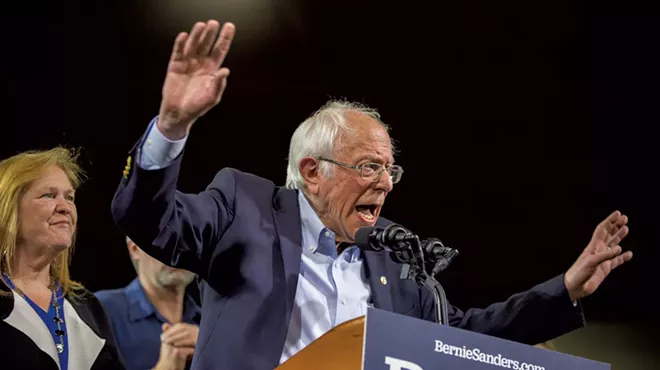
But Sanders' inability to keep all of his rivals below the 15 percent "viability" threshold dramatically changed the delegate math in Vermont. According to Vermont Democratic Party chair Terje Anderson, Sanders will likely pick up 11 of the state's 16 pledged delegates, while Biden will take the remaining five.
Four years ago, Sanders shut out former secretary of state Hillary Clinton in Vermont and claimed all 16 delegates.
Tags: Senator , Bernie Sanders , Joe Biden , Michael Bloomberg , Elizabeth Warren , Web Only , Image , Video
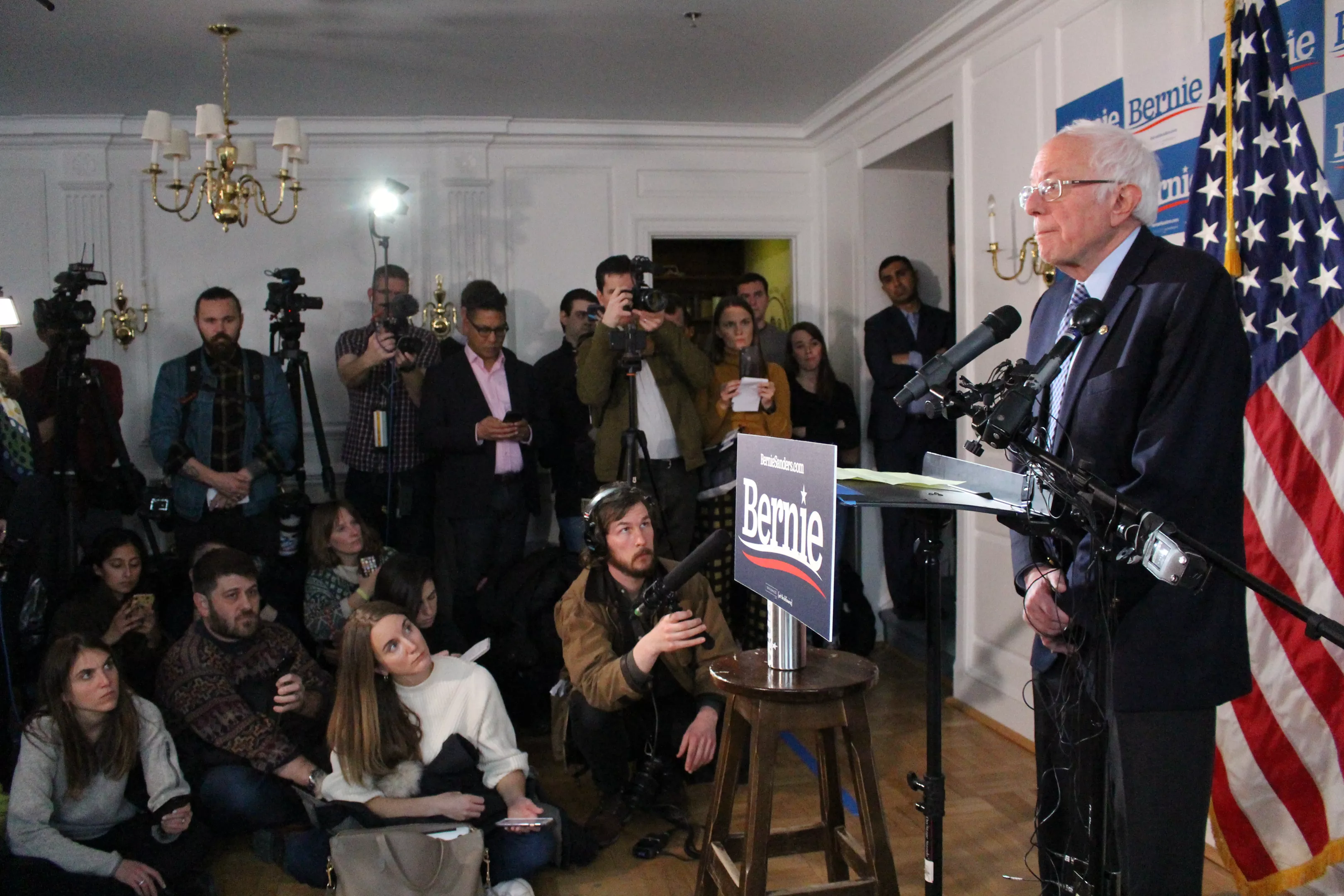
"I have every reason to believe that we're gonna win this thing," Sanders told reporters during a press conference Wednesday afternoon at his Church Street campaign office in downtown Burlington.
According to an NBC News projection, Biden won at least 458 delegates in the 15 contests held Wednesday, increasing his total to 511. Sanders collected 399, bringing his total to 459. Those numbers are expected to rise as more results are tallied, particularly in California, where Sanders outperformed Biden.
"Now I haven't seen the latest delegate count, but my guess is that after California is thrown into the hopper, it's going to be pretty close," Sanders said. "We may be up by a few. Biden maybe be up by a few. But I think we go forward basically neck and neck."
Tags: Senator , Bernie Sanders , Joe Biden , Elizabeth Warren , Michael Bloomberg , Super Tuesday , Web Only , Image
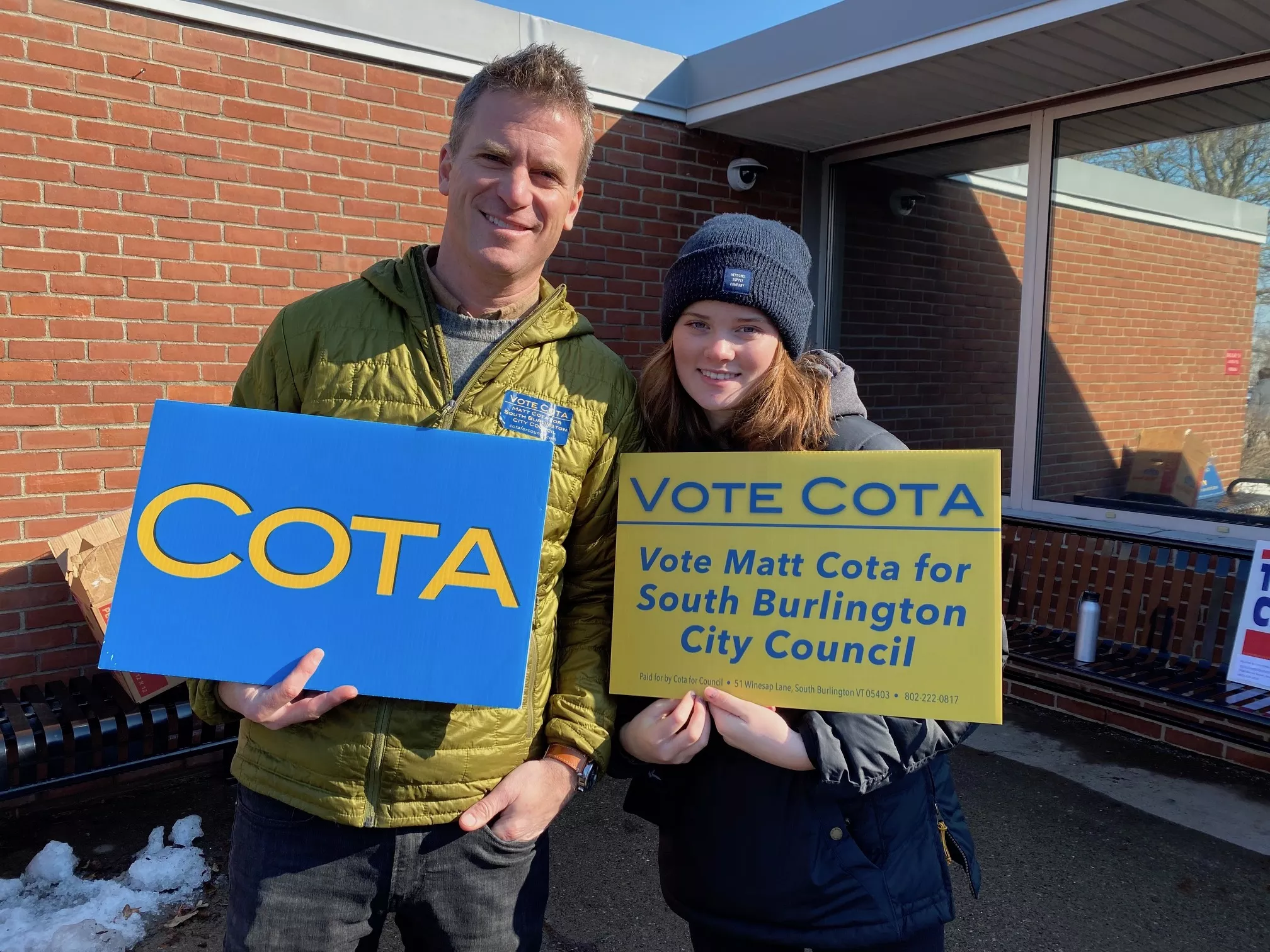
After losing by only 74 votes Tuesday, South Burlington City Council candidate Matt Cota has successfully sought a recount in his race against incumbent Meaghan Emery.
She won with 3,940 votes compared to 3,866 for Cota, which equates to 50.47 percent of the total vote to Cota's 49.52 percent. That outcome easily meets the statutory requirement that allows for a recount when the margin of victory is less than five percent.
Cota said he requested the recount Wednesday morning not only because the results were so close, but also because the city was swamped with a much higher turnout than normal on Town Meeting Day. The city ran out of ballots and had to make copies, which meant officials had to hand count a portion of them.
"Given these sort of odd circumstances where we ran out of ballots, this will ensure that we have a final tally that reflects every vote," Cota said. He added: "I would fully expect that anyone in my position, including my opponent, would do the same thing."
Tags: South Burlington , Town Meeting Day , recount , Meaghan Emery , Matt Cota , city council , election , Web Only , Image
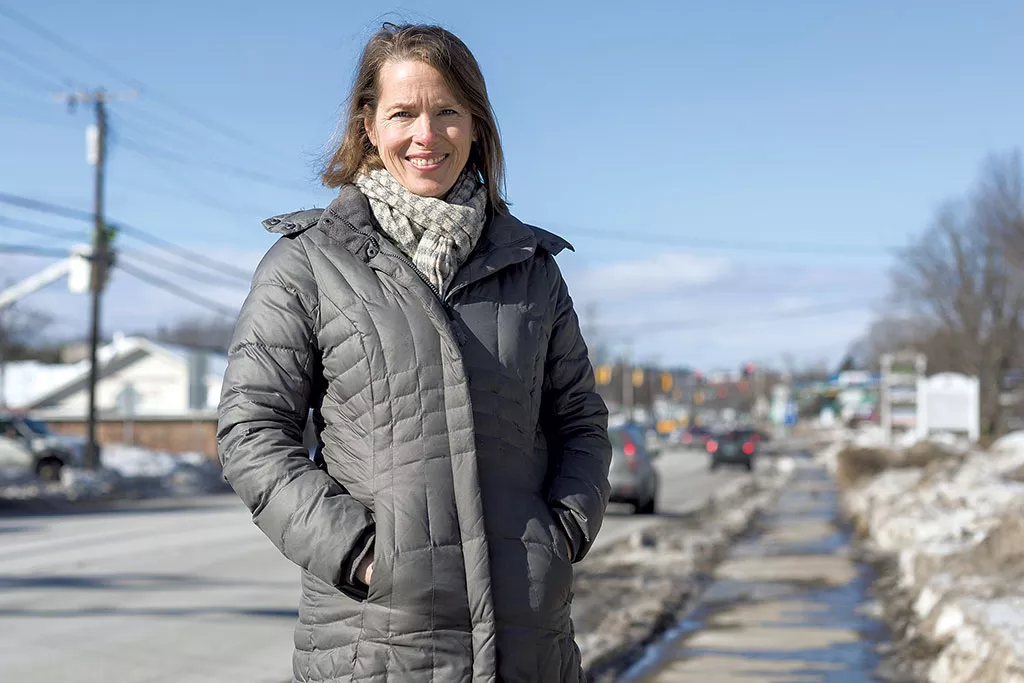
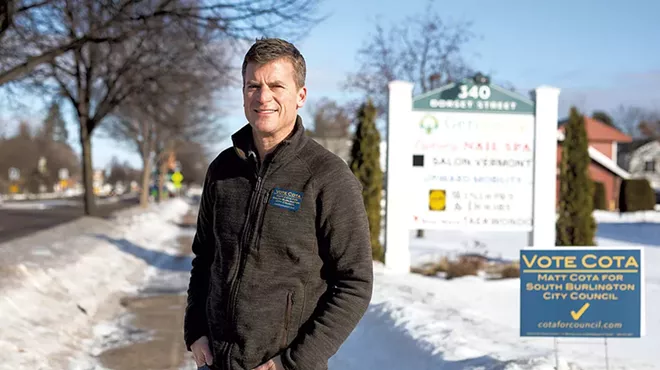
Emery earned 3,940 votes — just 74 more than Cota's 3,866. That's 50.47 percent for Emery to 49.52 percent for Cota.
Reached by phone around midnight Tuesday, Cota said the results were "disappointing, but we'll pick back up tomorrow and see what happens." He was unsure if he'd request a recount.
"I'm just really proud of the way we ran our campaign," Cota said. "This was my first campaign, and it tells me that people in South Burlington really wanted a change."
He added: "It's been an experience of a lifetime. I had so many people come out and work so hard for this."
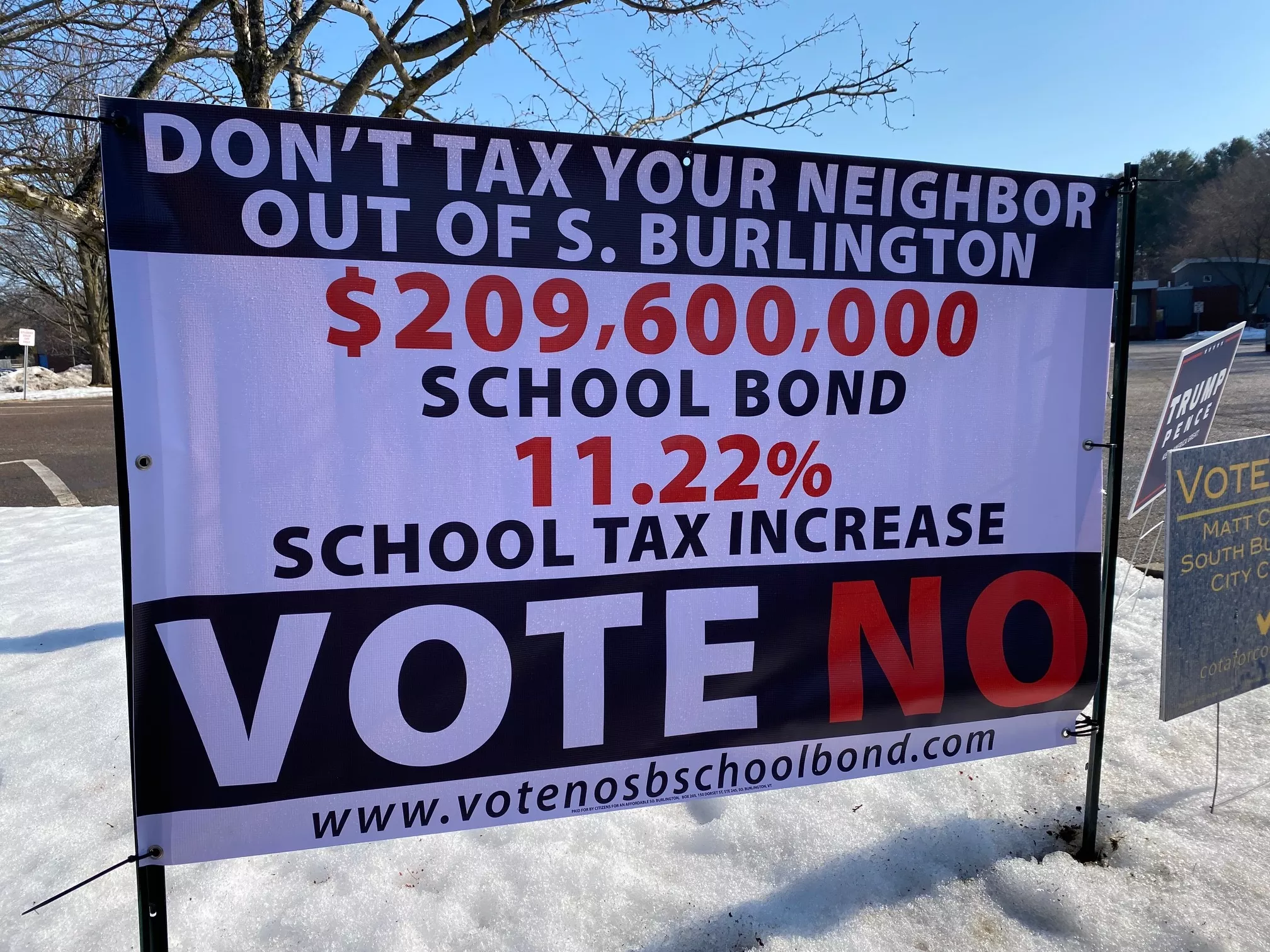
Meanwhile, South Burlington voters overwhelmingly rejected a proposed $209 million bond for a new middle and high school facility. About 79 percent of voters — 6,514 — cast ballots against the bond. About 20.8 percent — 1,712 — voted in favor.
The sentiment spilled over into voting on the school budget, which residents also rejected. About 57 percent — 4,711 people — voted against the $55.8 million budget.
Tags: Town Meeting Day , education , South Burlington , Meaghan Emery , Matt Cota , bond , school , budget , Web Only , Image
Tuesday, March 3, 2020

Political newcomer Zoraya Hightower, a Progressive, unseated 32-year incumbent Sharon Bushor, an independent, in a three-way race in Ward 1. Until this election, Bushor had been endorsed by the Progs every year since she first ran for city council in 1987. She also sought, and lost, the Democratic nomination.
Hightower earned more than twice as many votes as Bushor, notching 912 to Bushor’s 408. The Democratic contender, University of Vermont student Jillian Scannell, won 369 votes.
“I’m incredibly excited,” Hightower said at the Progs' party at Rí Rá Irish Pub on Church Street. “I think it’s a huge vote of confidence to have more than half of the voters vote for me. I know I have big shoes to fill, but I look forward to the challenge.”
Tags: Town Meeting Day , Burlington , City Council , election , Web Only , Image
Tags: Senator , Sen. Bernie Sanders , presidential campaign , Super Tuesday , Joe Biden , Elizabeth Warren , Web Only , Image , Video
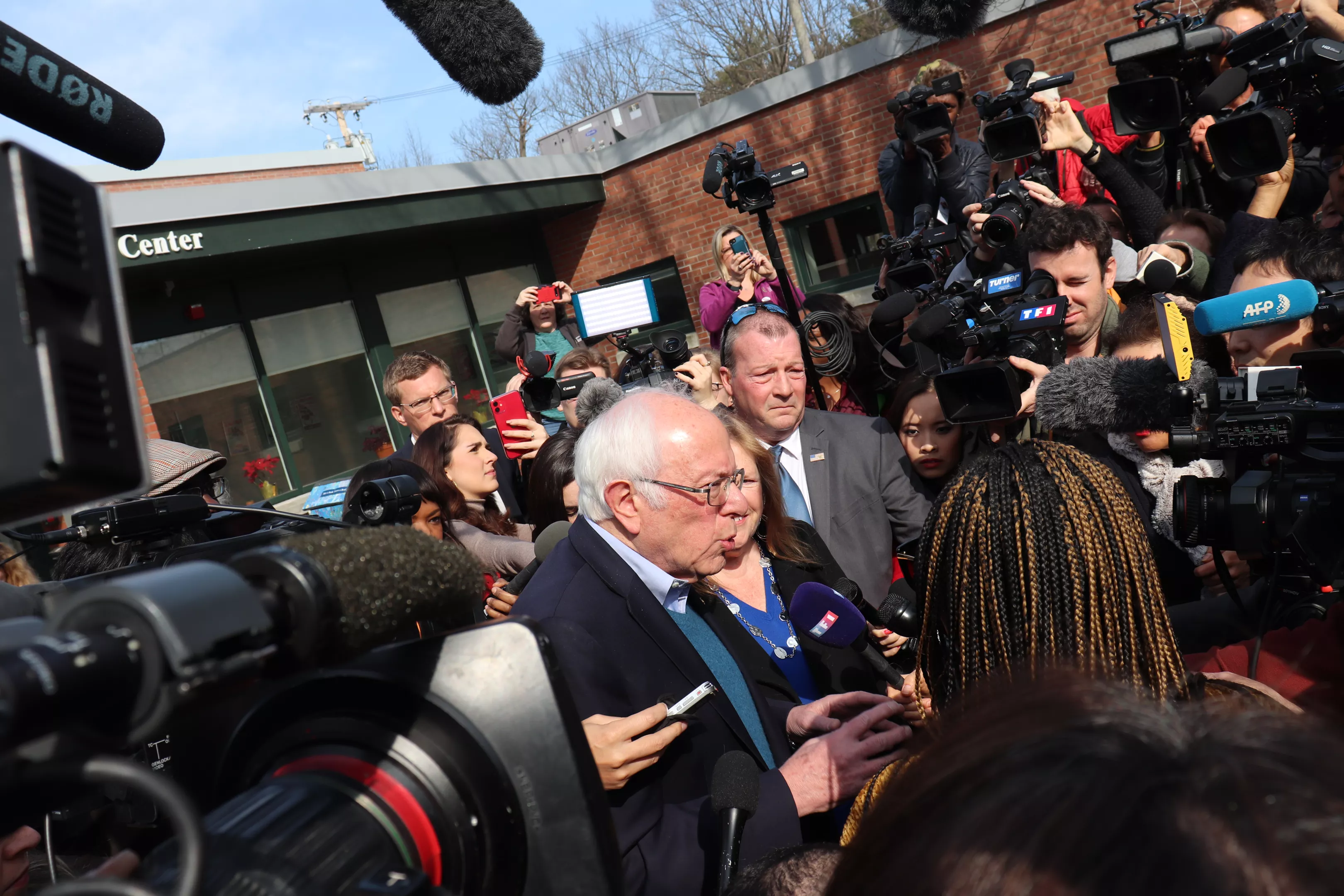
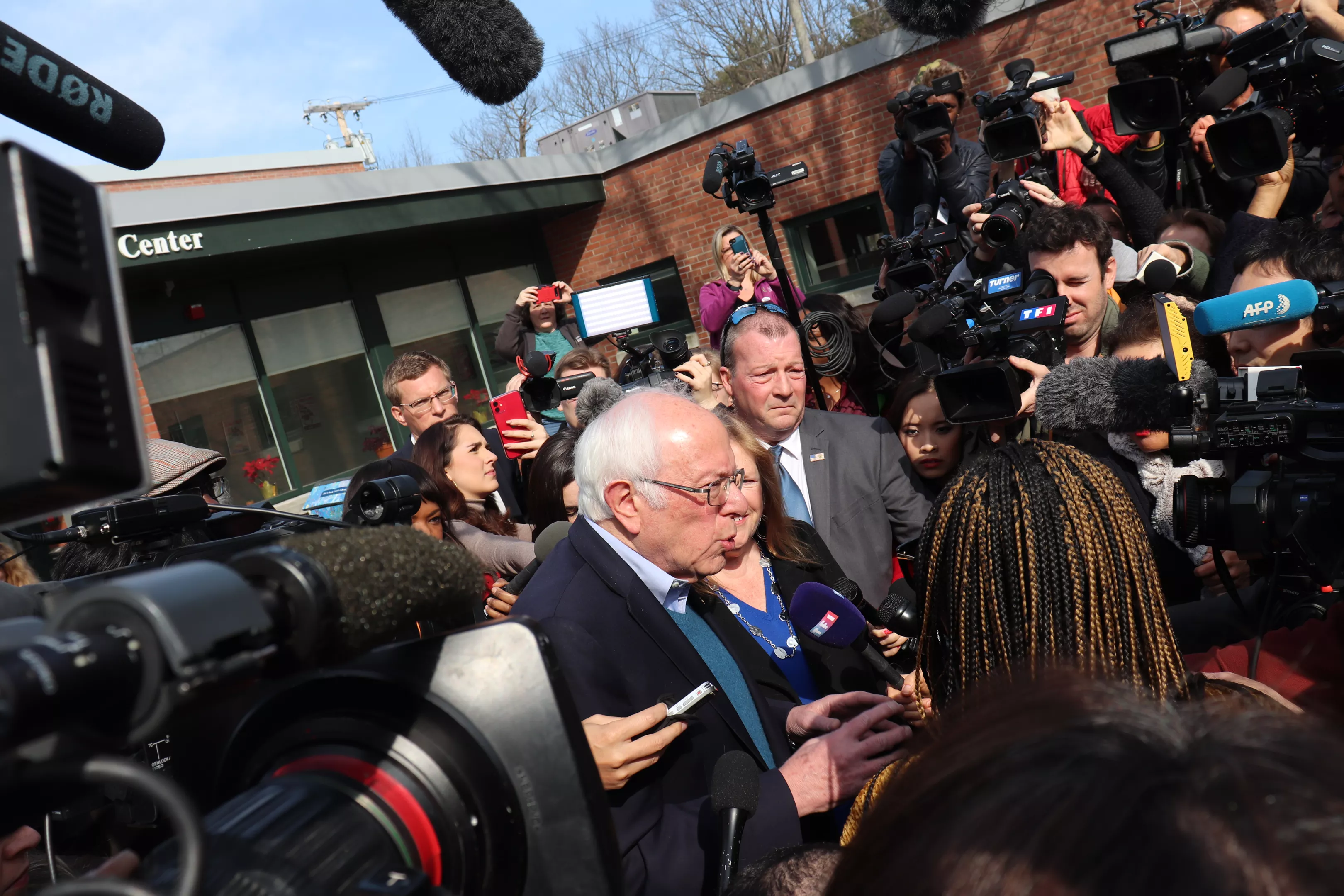
Driving a green Subaru Forester, Sanders and his wife, Jane O'Meara Sanders, arrived at the Robert Miller Community and Recreation Center in Burlington's New North End around 10:30 a.m. They were met by a media scrum of dozens of reporters and camera crews who had traveled to Vermont ahead of Sanders' election night rally in Essex.
"Welcome to the state of Vermont. You've increased the GDP by 16 percent," Sanders quipped.
Tags: Bernie Sanders , Democratic presidential primary , Election , Election 2020 , primary 2020 , Senator , Super Tuesday , Town Meeting Day , Town Meeting Day 2020 , Vermont , Web Only , Image
Saturday, February 29, 2020

Former vice president Joe Biden, whose campaign had largely been written off after poor performances in Iowa and New Hampshire, trounced Sanders and the rest of the field in South Carolina on Saturday. With more than 90 percent of precincts reporting, Biden had picked up 49 percent of the vote. Sanders trailed with 20 percent and former hedge fund executive Tom Steyer with 11 percent.
Steyer, who had staked his campaign on a win in South Carolina, announced Saturday night that he would leave the race.
Speaking earlier that evening at a campaign rally in Norfolk, Va., Sanders highlighted his past successes in Iowa, New Hampshire and Nevada. "But you cannot win 'em all," he said. "A lot of states out there, and we did not win in South Carolina."
As the crowd booed, Sanders continued. "And that will not be the only defeat. There are a lot of states in this country. Nobody wins them all," he said. "I want to congratulate Joe Biden on his victory tonight. And now we enter Super Tuesday."
Tags: Bernie Sanders , Election , Election 2020 , Joe Biden , Primary 2020 , Senator , Tom Steyer , Web Only , Image
Friday, February 28, 2020
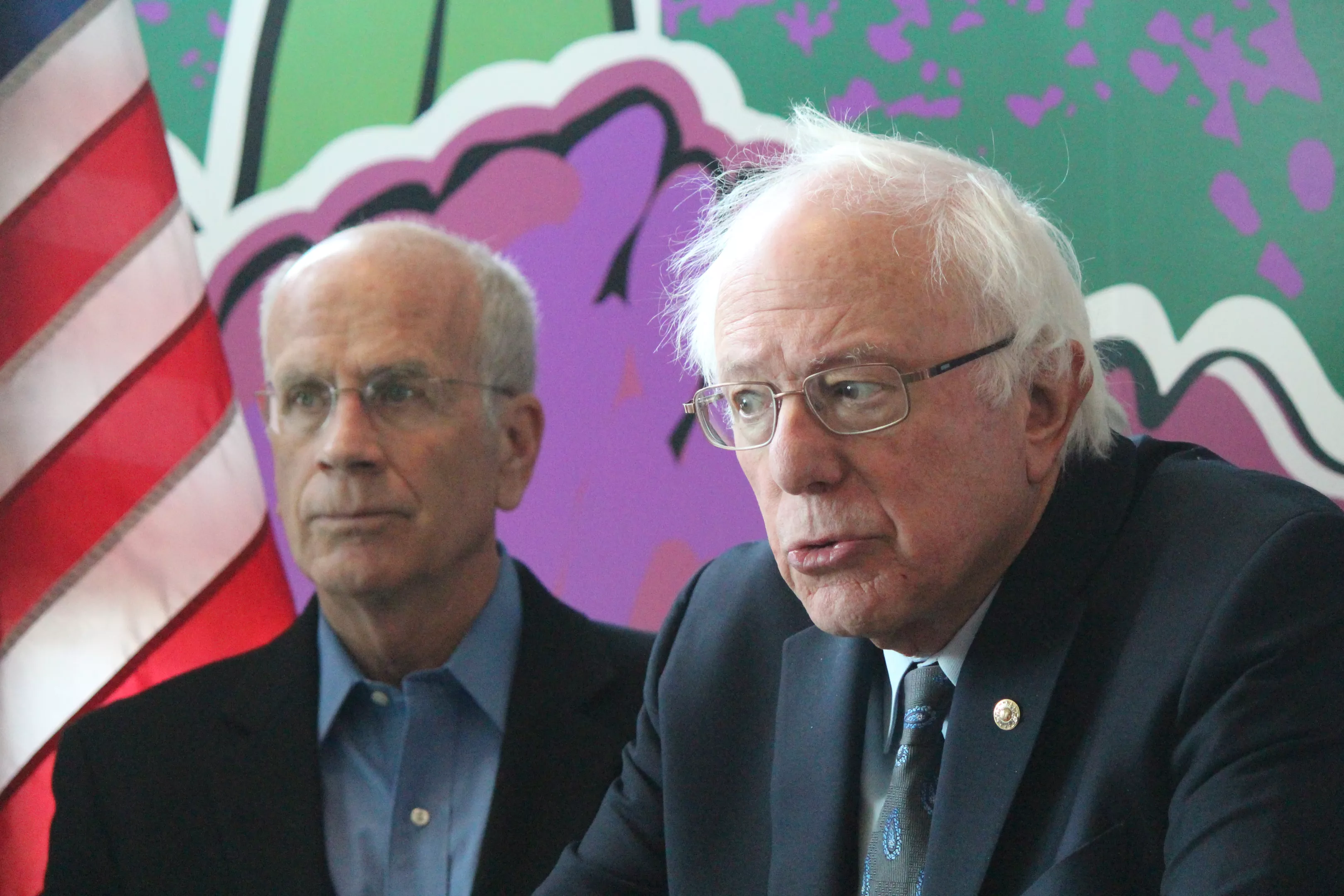
If Sen. Bernie Sanders (I-Vt.) continues to outperform a crowded field of presidential rivals, he could show up at this summer's Democratic National Convention with a plurality of delegates — but not the majority he needs to claim the party's nomination.
That's prompted some nervous Democrats to consider how they might deny him the nomination and install an alternative, even if he's favored by more voters. In interviews with 93 party officials this week, the New York Times found that many of them would be "willing to risk intraparty damage" to stop Sanders at the convention.
Several top Vermont Democrats, however, think that would be a bad idea.
"You know, we've got to keep our eye on the prize here, and the prize is beating Donald Trump," U.S. Rep. Peter Welch (D-Vt.) told Seven Days. "If a candidate, including Bernie, clearly demonstrates the broadest support in the primary and then the convention outcome is different, I think that would be a challenge ... for our success in November."
Said state Rep. Mary Sullivan (D-Burlington): "I think it would be a big mistake."
Tags: Bernie Sanders , Election , Election 2020 , Howard Dean , Mary Sullivan , Patrick Leahy , Peter Welch , Primary 2020 , Senator , Terje Anderson , Tess Taylor , Tim Jerman , Web Only , Image
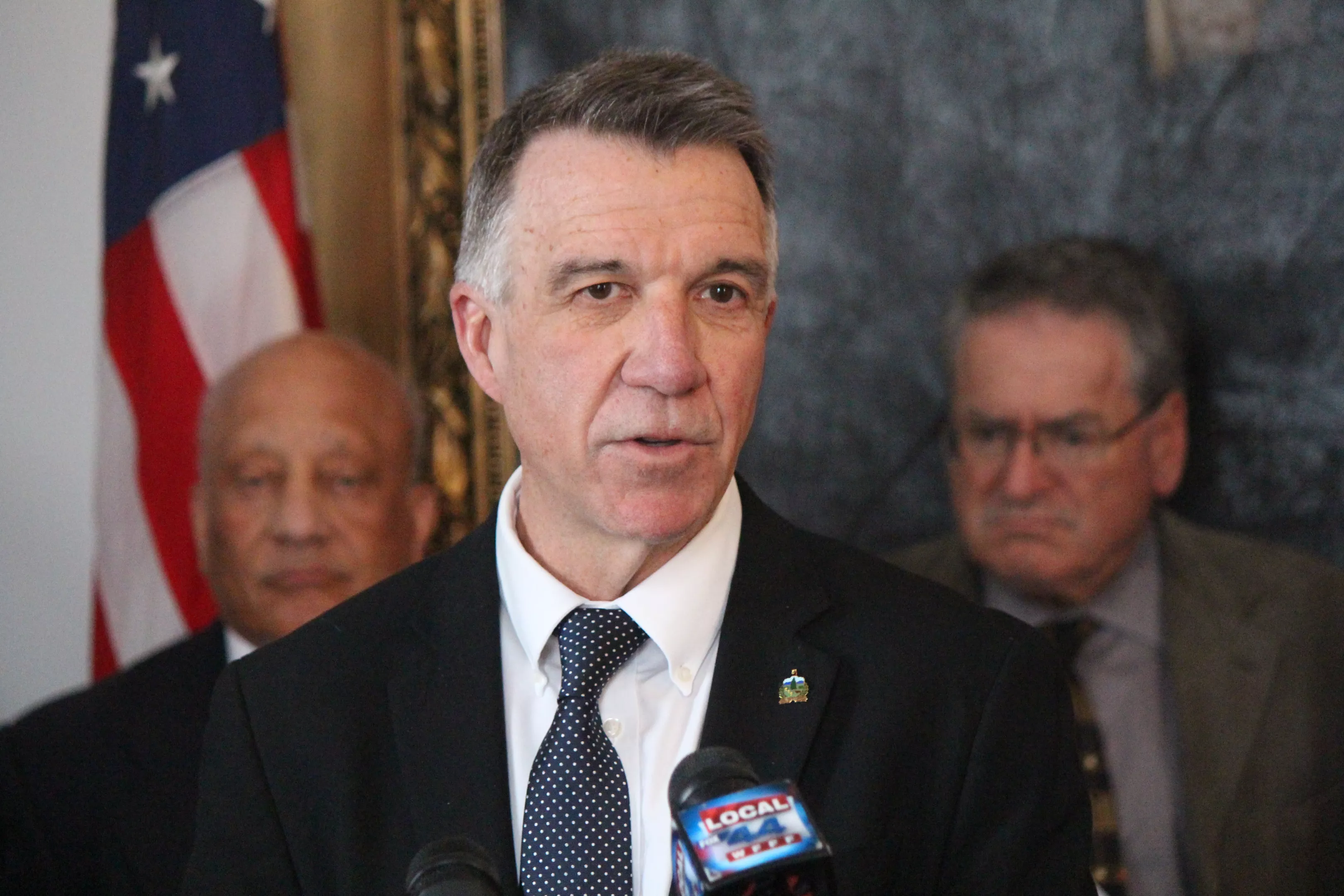
"I mean, there's a lot of ifs there, obviously, but this conversation is probably much different today than it was a month ago," Vermont Gov. Phil Scott said Thursday.
So what would happen to Sanders' Senate seat if he were to move up Pennsylvania Avenue?
Under Vermont law, the governor has six months from the date a vacancy occurs to hold a special election. The winner would complete Sanders' term, which expires in January 2025. The governor is also empowered to appoint an interim senator to fill the post until the special election took place.
Scott, a Republican, said he would abide by Vermont's tradition of naming a replacement from the same party as the outgoing officeholder — in Sanders' case, an independent. The governor said he would not appoint anyone to the interim position who planned to run in the special election because doing so would give that person "a leg up" in the race.
Tags: Bernie Sanders , David Zuckerman , Election , Election 2020 , Phil Scott , Primary 2020 , Rebecca Holcombe , Senator , Web Only , Image