

Thursday, April 26, 2018
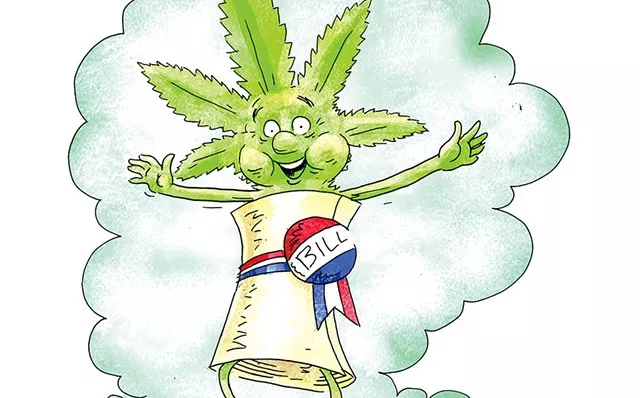
González said she’s been working toward the proposal for most of the legislative session, and that recent conversations suggest there are enough votes to pass it. She said it’s got support among some Republicans who voted against January’s legalization bill because it didn’t establish a means to tax and regulate sales.
“Ultimately what we need are the votes, and in our conversations it looks like we have them,” González said.
Tags: Cannabeat , marijuana , Diana González , Image , Web Only
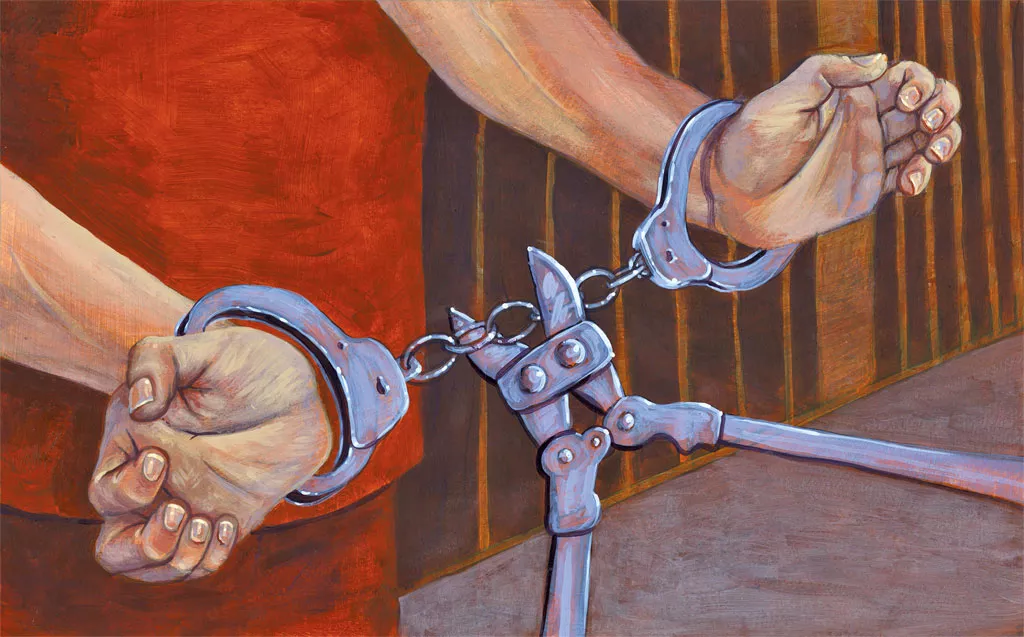
Inmates are currently taken off their buprenorphine or methadone after 120 days. The bill, which cleared the Senate last month, would eliminate the time limit. And it would allow inmates to get a prescription while in prison, instead of limiting treatment to those who had one before they were incarcerated.
“This is a really important step for us … in the fight against the opioid epidemic,” said Rep. Selene Colburn (P-Burlington), who pushed for the change.
Rep. George Till (D-Jericho), a doctor, said the bill underscores the fact that addiction is a disease.
Last November, Seven Days wrote about inmates who were being taken off their addiction medication and forced to endure excruciating withdrawal. Some of those inmates sought street drugs when they were released, and they overdosed.
A week after the story was published, the Department of Corrections announced that it would expand treatment, previously limited to 30 days in most prisons, to 120 days.
Tags: buprenorphine , Department of Corrections , Opioid Crisis , opioid treatment , Vermont House , Image , Web Only
Friday, March 30, 2018
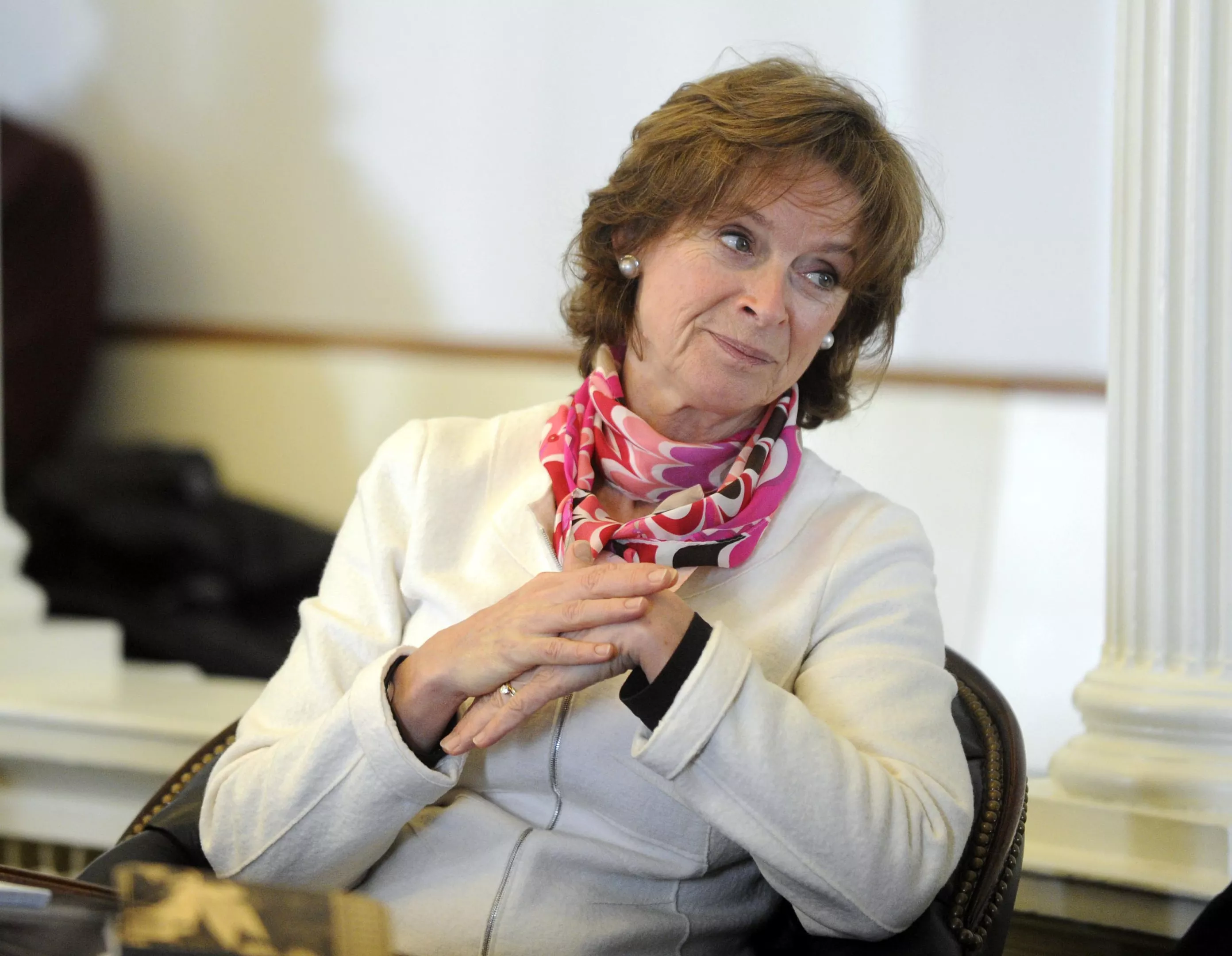
Sen. Claire Ayer (D-Addison), chair of the Health and Welfare Committee, outlined the idea in a Friday morning committee hearing, which also featured testimony on how the proceeds of a tax might best be used.
Ayer said that she and Senate President Pro Tempore Tim Ashe (D/P-Chittenden) happened upon the idea in Governing magazine, which examined how states are trying to fund substance abuse programs. According to legislative fiscal analyst Nolan Langweil, several other states have considered an opiate tax, but none has enacted one.
Tags: Ann Cummings , Bob Bick , Claire Ayer , opiate tax , Opioid Crisis , opioids , Phil Scott , Tim Ashe , Image , Web Only
Thursday, March 29, 2018
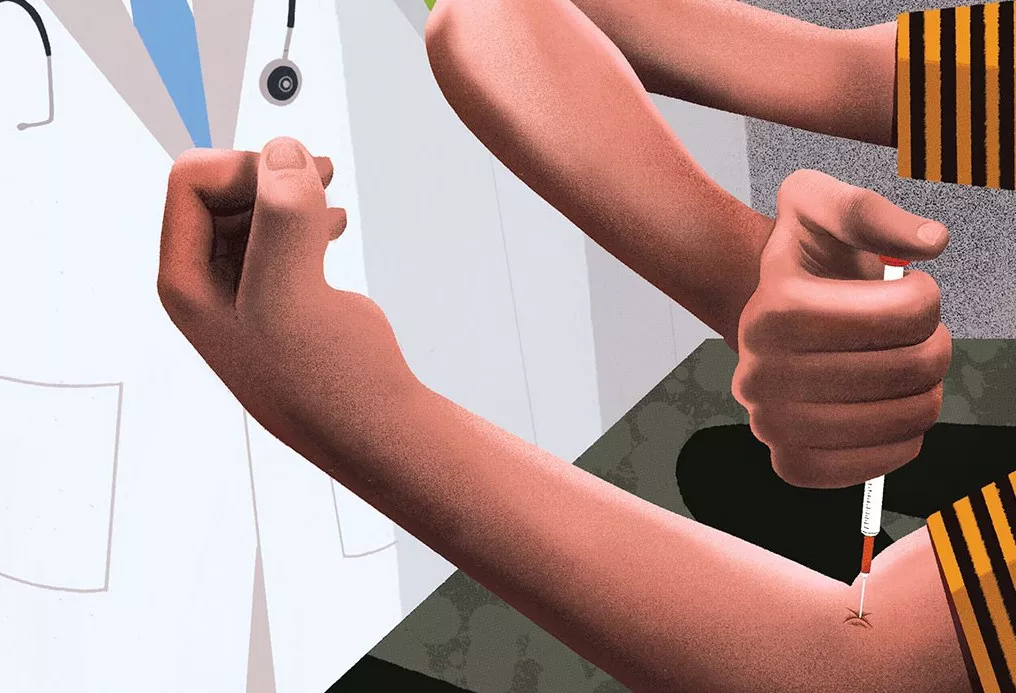
About 70 people attended the presentation at the Dealer.com building in Burlington, where a seven-person panel made up of law enforcement, medical and government officials weighed the costs and benefits of such sites.
Last year, Chittenden County State's Attorney Sarah George, one of the panel members, created a commission to study the idea of bringing a site, where heroin users could go to inject drugs under supervision, to Burlington.
But in January, the Vermont Senate Judiciary committee decided not to take up a bill that would have enabled them this year.
Tags: Brandon del Pozo , Burlington , Grace Keller , heroin , Mark Levine , opiates , Opioid Crisis , overdose , safe injection site , Sarah George , Image , Web Only
Thursday, March 22, 2018

Vermont registered 107 non-suicide fatal overdoses in 2017, up from 106 in 2016 and 75 in 2015.
Health Department data make clear that the spread of fentanyl, a synthetic opiate many times more powerful than heroin, has been a major driver of the problem.
Two-thirds of the fatalities in 2017 involved fentanyl, up from 50 percent in 2016, according to the department. The number of opiate overdose fatalities involving fentanyl in Vermont has nearly quadrupled since 2014.
Meanwhile, fatal overdoses that involved heroin and prescription drugs fell in 2017, though many people overdose with a mixture of drugs in their system.
Tags: fentanyl , Health Department , heroin , opiate , Opioid Crisis , overdose , Tracy Dolan , Image , Web Only
Wednesday, February 28, 2018

Rep. Barbara Rachelson (D-Burlington) believes the bill infringes on Constitutional rights. "If we're going to do that, we'd better have darn good evidence that it's justified," she said. "I'm having a hard time getting why most of my colleagues don't see that."
The saliva test would detect the presence of various drugs in a person's system, but would not establish whether a driver is impaired and could not be used as evidence in court. Still, supporters see H.237 as another means to improve traffic safety.
Tags: Cannabeat , Chip Conquest , Barbara Rachelson , Janssen Willhoit , Chloé White , marijuana , saliva test , Image , Web Only
Wednesday, January 24, 2018

The comedy show on Tuesday spoofed the state's recent decision to legalize marijuana with a satirical Vermont tourism ad. The two-minute clip touts legal weed, and encourages visitors to explore the outdoors in the Green Mountain State — "or just stay inside on the couch, laughing with your friends!"
"Ski Stowe Mountain," the narrator intones, "or spend hours staring at your hands, thinking about things!"
This ad, though, is not state-sanctioned. Are any of those stock images or shots actually from Vermont? Not the mountain scene at "Stowe." And it's full of tired clichés about weed smokers, including a Grateful Dead reference and a description of getting high and thinking about the size of the universe (and food). But hey, it's worth a watch.

Check out the full video, titled "Like Pot? Visit Vermont!" here:
Tags: Cannabeat , Stephen Colbert , Image , Web Only , Video
Monday, January 22, 2018
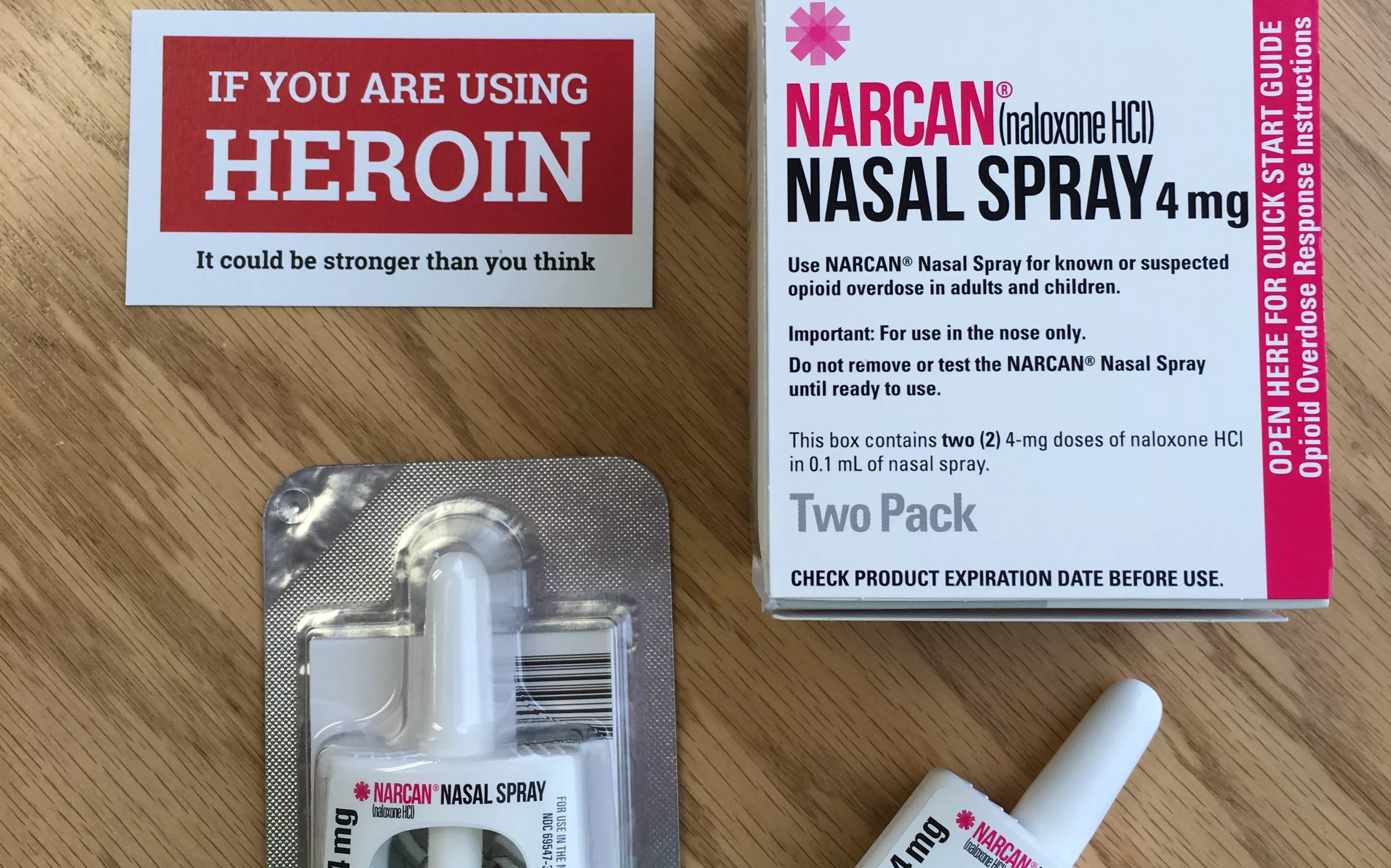
Authored by University of Vermont professor Richard Rawson, the study found that hub and spoke patients recorded an 89 percent decrease in emergency department visits after they received treatment and a 90 percent drop in police stops and arrests. By several measures, the report found that users receiving care in the treatment system were dramatically better off than users who were not receiving care.
Perhaps most encouragingly, none of the participants in treatment had overdosed in the three months leading up to the study interview, compared to 25 percent who had overdosed in the three months before entering treatment.
Tags: Health Department , Mark Levine , opiates , Opioid Crisis , overdoses , Richard Rawson , University of Vermont , Image , Web Only

His signature makes Vermont the first state to legalize pot by legislative action; other states used public votes on the issue.
The signing was not a surprise. Scott said last week that he planned to sign the bill privately before his Monday night deadline. The bill could also have become law if he hadn't signed or vetoed the legislation before the deadline.
Scott said in a statement Monday that he signed "with mixed emotions."
Tags: Cannabeat , marijuana , Phil Scott , H.511 , cannabis policy , Image , Recommended Reading , Web Only
Tuesday, January 16, 2018

During a presentation at the Statehouse, members of the Marijuana Advisory Commission also recommended education and prevention programs for young people, along with data collection to measure and track the effects of cannabis legalization on traffic deaths, youth drug use, substance use disorders and criminal activity.
Gov. Phil Scott created the commission by executive order last August. It's tasked with investigating three primary areas: taxation and regulation, education and prevention, and highway safety.
Tags: Cannabeat , marijuana , legalization , legislature , Phil Scott , Jake Perkinson , Mark Levine , Image , Web Only