

Thursday, March 23, 2017
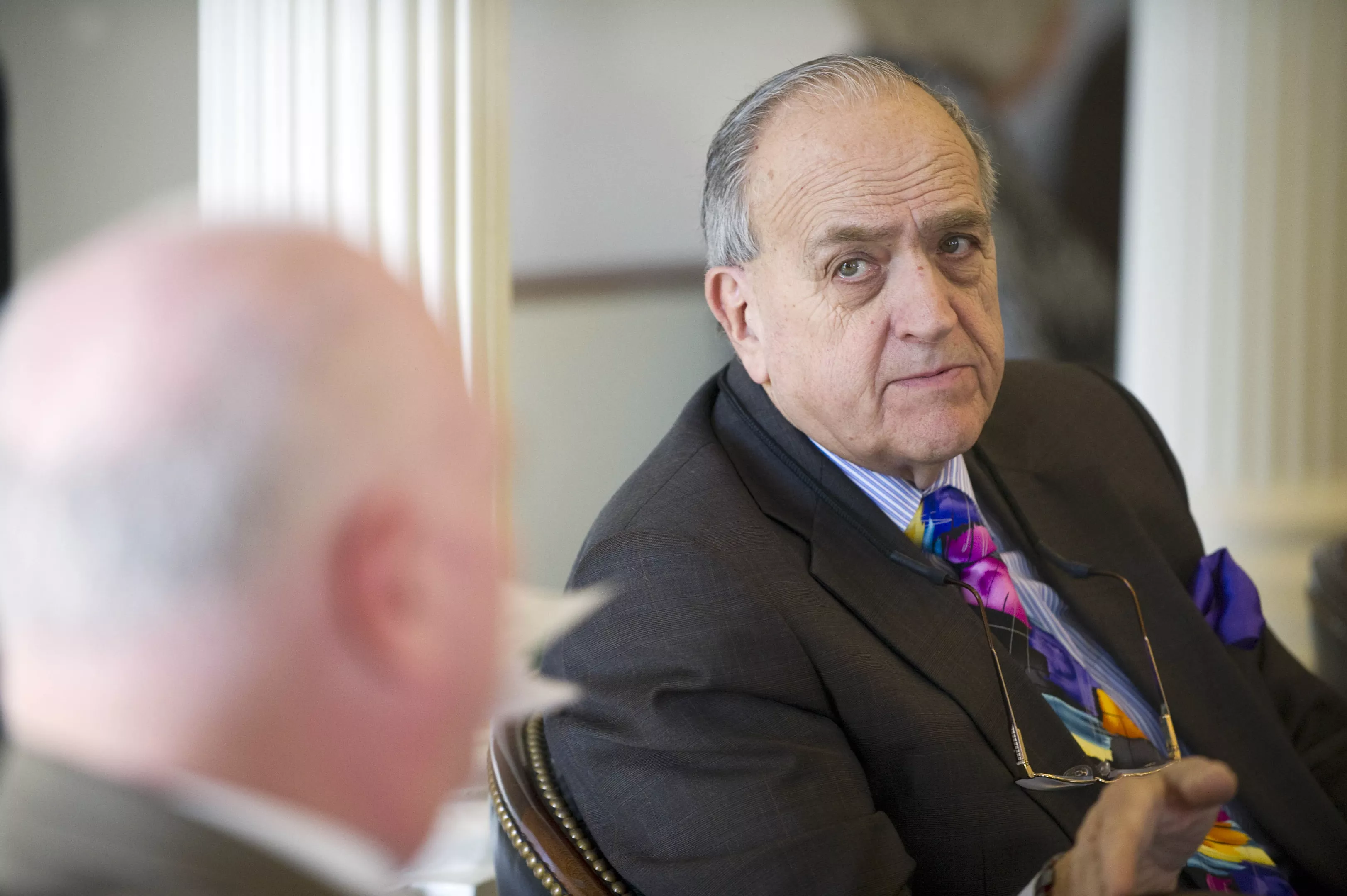
Last weekend, federal agents arrested two suspected drug dealers and seized more than a kilo of heroin — street value as high as half a million dollars —outside Almighty Peaks Painting, a business located in a Colchester strip mall owned by Sen. Dick Mazza (D-Grand Isle).
The mall is across the street from Mazza’s renowned general store, and includes nine storefronts. Mazza told VTDigger.org that business owner Darrick Holmes, who has also been arrested by the feds, had been his tenant for about seven years.
Word hit the Senate like a big ol’ blanket drenched in cold water. Mazza’s colleagues were uniformly discomfited by the news. They clearly sought to minimize Mazza’s responsibility, and wanted the story to just go away.
Tags: Dick Mazza , Darrick Holmes , Tim Ashe , Dick Sears , Phil Baruth , Doug Allen , Tyler Kinney , Shawn Alonso , Tamara Moody , Image , Web Only
Thursday, March 16, 2017
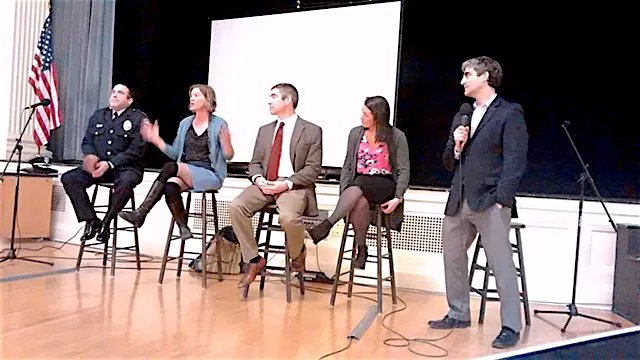
By most measures, the prognosis wasn't good. Burlington should be ready for a "multi-year slog" to fight opiates, Weinberger told the crowd that filled Burlington City Hall Auditorium.
Police Chief Brandon del Pozo, Rep. Selene Colburn (D/P-Burlington), University of Vermont Medical Center chief operating officer Stephen Leffler and Chittenden County State's Attorney Sarah George fielded questions from the audience and described their steps to address the problem.
The city has redoubled its efforts over the last 18 months, Weinberger said. Its strategies included hiring opioid policy coordinator Jackie Corbally, increasing data collection to measure success and forming a CommunityStat group to collaborate on solutions.
Tags: MIro Weinberger , Selene Colburn , Brandon del Pozo , Stephen Lefler , Sarah George , Image , Web Only
Wednesday, March 1, 2017
The drug, which can be 100 times more potent than heroin, has been linked to an unprecedented number of overdose deaths in Vermont. Health officials cited the drug on approximately 50 death certificates in 2016 — compared to 29 in 2015.
A total of 105 people died of opiate overdoses last year.
While the synthetic drug is already illegal to possess without a prescription, the proposed bill establishes additional penalties.
“I think the important thing is we create a crime that our prosecutors can use when fentanyl is involved and someone knowingly does this,” said Sen. Dick Sears (D-Bennington), who chairs the judiciary committee and is leading the effort.
Heroin and other substances are often laced with fentanyl unbeknownst to the person who buys it. But Sears added: “The bill will distinguish between those who knowingly are cutting heroin with fentanyl versus those who are unknowingly selling heroin laced with fentanyl.”
Tags: Dick Sears , drug penalties , fentanyl , heroin , Opioid Crisis , Vermont legislature , Image , Web Only
Tuesday, February 21, 2017

Rep. Sam Young (D-Glover) is the lead sponsor of a bill due to be introduced Wednesday. On Tuesday, he collected cosponsors and said he expected to have about 15 lawmakers sign on.
"If we're going to legalize marijuana, I think we should also tax and regulate it," said Young, who is vice chair of the Committee on Ways & Means.
Young said he's received no assurances from legislative leaders that his bill would pass. Taxing and regulating marijuana is an approach the Senate passed last year, but that failed to gain traction in the House.
Tags: Cannabeat , marijuana legalization , Phil Scott , Sam Young , Vermont legislature , Image , Web Only
Thursday, February 16, 2017
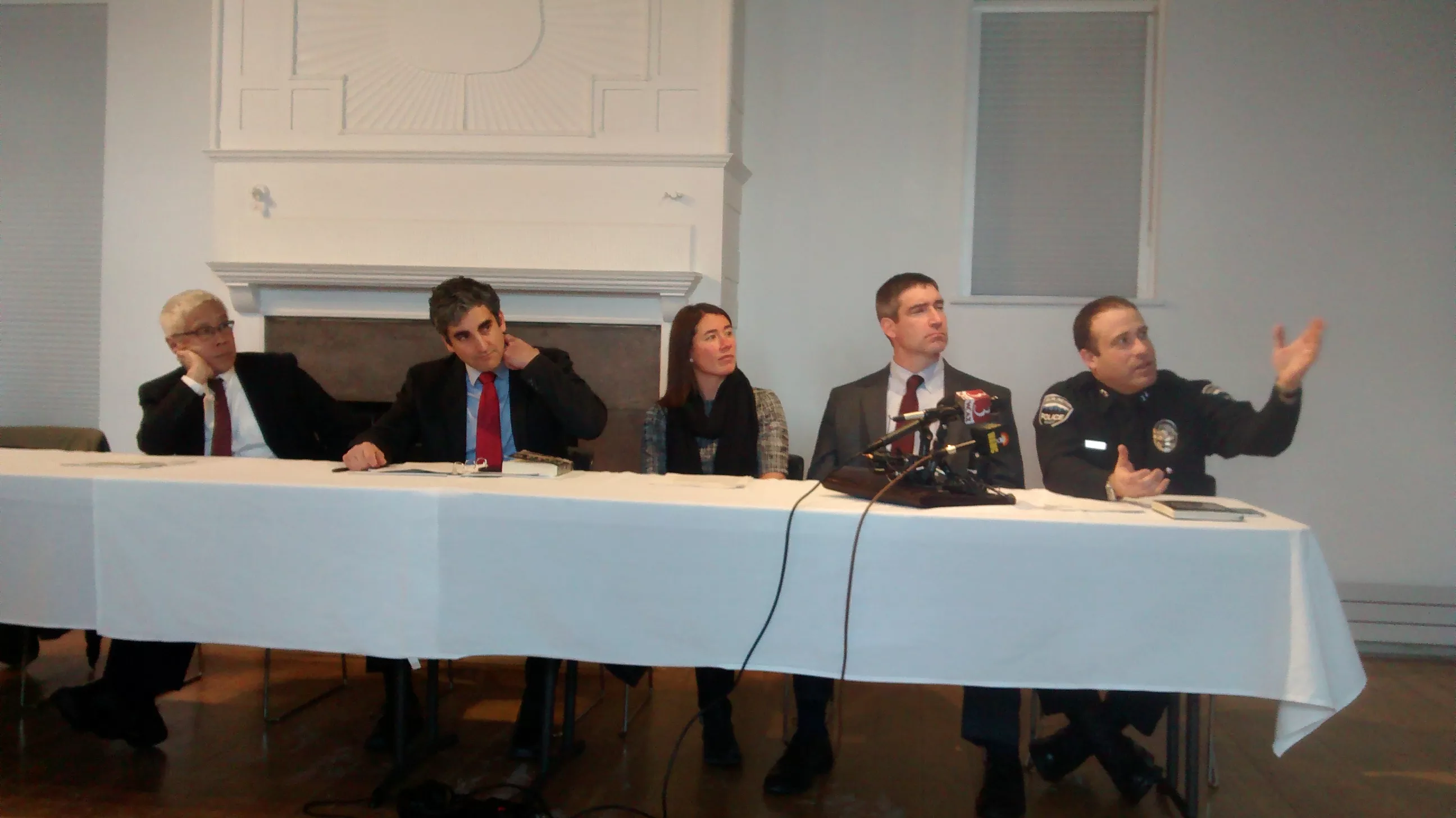
Mayor Miro Weinberger presented 11 "opioid principles" at Burlington City Arts to describe and guide the city's approach to the ongoing crisis. The principles include basic statements that establish the danger of prescription opioids, label addiction as a public health crisis, and assert the importance of "data collection, data sharing, analysis and transparency."
To effect change, the city plans to increase collaboration with the University of Vermont Medical Center, other local police departments, the Vermont Department of Health, and the Chittenden County State's Attorney's Office.
"We are orienting ourselves as a city for a long-term struggle with this problem," Weinberger said.
Tags: Mayor Miro Weinberger , Brandon del Pozo , Jackie Corbally , Sarah George , Burlington Police Department , Image , Web Only
Wednesday, February 8, 2017

The preliminary report shows that 105 people died from opiate overdoses, up from 75 in 2015. The finding, revealed by Barbara Cimaglio, deputy health commissioner, on Vermont Public Radio's "Vermont Edition" on Wednesday, confirmed Seven Days' recent report that opiates claimed a record number of Vermonters last year.
Cimaglio said that overdoses on prescription drugs such as oxycodone fell in 2016, continuing a recent trend. But heroin, which has widely varying levels of potency, and fentanyl, an opiate that can be 50 times as potent as heroin, are killing more people than ever before.
Fentanyl, a prescription drug that is also manufactured illicitly, was involved in 50 overdoses in 2016 — up from 29 in 2015 and 18 in 2014.
Tags: Barbara Cimaglio , Department of Health , fentanyl , Heroin , opiates , Opioid Crisis , Image , Web Only
Thursday, November 10, 2016

Speaking to the press at Burlington City Hall, Weinberger announced the hiring of opioid policy coordinator Jackie Corbally, who will fill a new position working as a public health adviser for the Burlington Police Department and managing opiate-response efforts across departments and organizations.
The announcement followed a gathering of more than 40 government officials, nonprofit leaders and medical workers in the first meeting of a new initiative called CommunityStat. The model will emphasize data collection, coordinated approach and rapid follow-up. Weinberger called the initiative a "a new front in the city's response to the opiate challenge that is gripping the city."
Later, Seven Days met with Corbally in her office in the Burlington Police Department to discuss the details and challenges of her work. The conversation was edited for clarity and brevity.
Seven Days: How does your background qualify you for this position?
Jackie Corbally: First and foremost, I'm a social worker. And I've been a social worker for 30 years. Social work is about community change and it's about teaming and it's about working with various partners. I've worked at Spectrum. I've worked at the Baird Center. I've done internships with the state hospital; I've worked for Women Helping Battered Women. I feel like my career has been really varied. I worked for the Health Department's Alcohol and Drug Abuse Program for 10 years. [Most recently] I went back and was a clinician on the ground because I had to get back to my roots and have some really real conversations with the people who were in the throes of addiction.
SD: What are the initial steps you'll take as opioid policy coordinator?
JC: I think we started today, by bringing community partners around the table [and] beginning to have some really hard and honest conversation about what we're doing well and what we're not doing well and recognizing where the barriers are and how we need to knock those down. Secondarily, working with the police department ... providing education and support to the department.
SD: What is the data you'll be collecting and how do you plan to apply that to your work?
JC: When we demonstrated the data we had today ... it was clear there were holes. What we're hoping is that the data will show where we're having success in the city and where we're not. Are people able to get housing in a timely manner? Are people able to get treatment? One thing we know about addiction is, when the person's ready to make the life change, you have got to be there to offer the services. If you delay, there's the potential you're going to lose them.
SD: What kind of on-the-ground changes can the public expect to see, in terms of the police department's response and the city's approach?
JC: The police department's response is tying folks into assessments. Folks might come in and we hook them up with somebody who can give them an assessment within 24 hours to move them along their treatment path. Someone who has been arrested, someone who just comes to the police department and needs help. We're just in the beginning and this is going to evolve.
When we do this, when we get to a place where we're operating at full capacity, this will be a really vibrant place where the community can access treatment, can access the prevention that they need. If we're doing it the right way, there won't be any silos. The systems will be talking to each other as one and be able to augment the services in a timely fashion.
SD: How will you determine your metrics for success?
JC: We are just deciding that. Today was the first conversation with the community partners around what are the data elements that they're collecting in their agencies; where are the gaps. Now we're taking it back and doing a debrief next week and then we'll make a measure of that.
SD: Holistic opiate treatment involves a lot of different components including health care, housing, et cetera. What impact do you see this initiative having on the community as a whole or in other areas long-term?
JC: I think first and foremost, we look at this disease as a chronic health disease. Meaning that you just don't go and get treatment for six weeks and then you're better. Another thing is to recognize that this disease is based in shame and humiliation. Having a level of understanding that you don't choose this.
When we talk about opiate addiction, it's more than just someone committing crime, or somebody losing their children. It's a chronic health disease. It changes the brain structure, and it takes time when somebody engages in recovery to get to a place where they're fully functioning.
SD: What have you seen as the biggest gap in the cooperation or coordination in the programs across Burlington?
JC: The system is really stretched right now. It really is, when you have a 50-person caseload, and you have a person who has done criminal behavior ... You've also got someone who's suicidal and kids who are being taken away. These folks are just really overwhelmed. Part of it is just how can we alleviate that burden.
We need to norm the data. I can promise you that the people in the community are like, 'I'm dealing with people right now, I don't have time for that.' What we're trying to do ... is to shift the lens. Data can be a fantastic tool, but you've got to invest in it.
Tags: addiction , Burlington Police Department , CommunityStat , Jackie Corbally , Miro Weinberger , opiates , Opioid Crisis , Image , Web Only
Monday, August 15, 2016
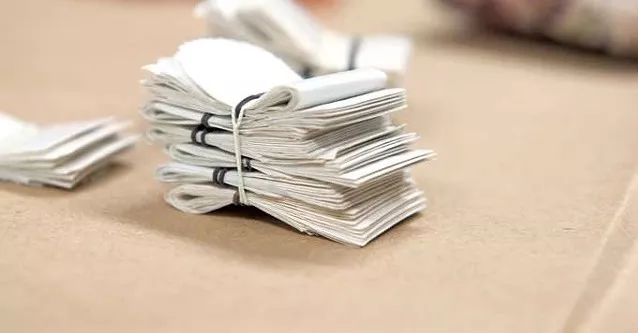
A potentially deadly strain of heroin is being dealt in central Vermont, the Northeast Kingdom and other parts of the state, according to state health officials.
The Vermont Department of Health issued a warning Monday morning after emergency responders reported at least 10 overdoses over the weekend that required more than one dose of Narcan to revive the person. The news release notes that some of those incidents have been linked to a strain of heroin labeled "Game of Thrones," which may be laced with fentanyl, a synthetic painkiller that can be up to 50 times more potent than heroin.
Tags: fentanyl , heroin , Narcan , Opioid Crisis , Vermont Health Department , Image , Web Only
Wednesday, June 8, 2016
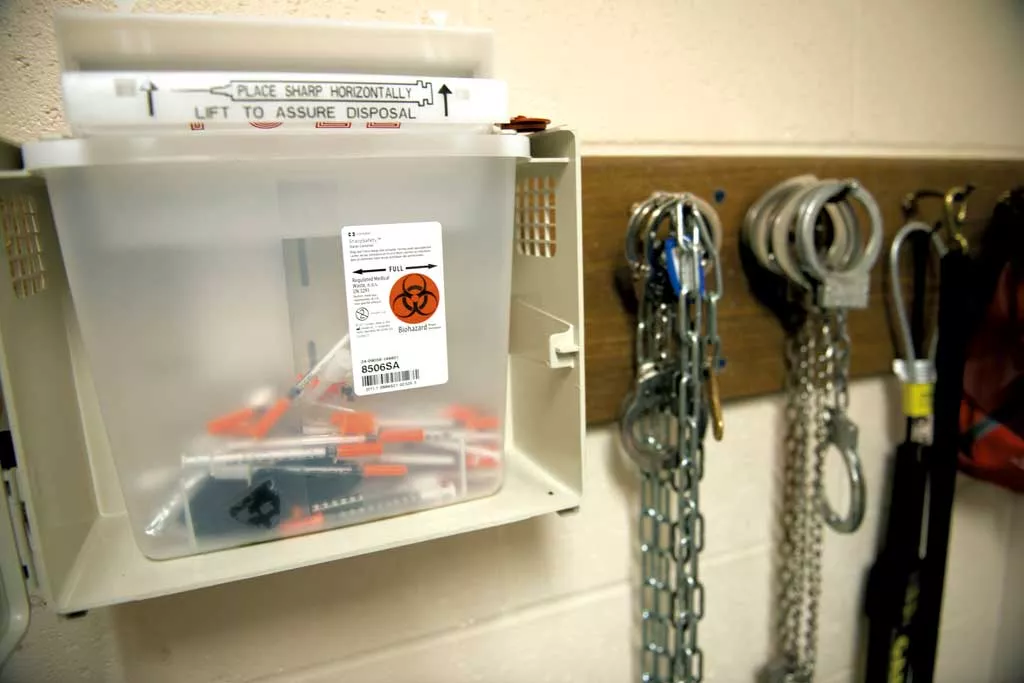
The victims all survived, police said. Authorities used naloxone, a overdose-reversing drug that Burlington police carry, to save some of them, police said.
Fentanyl is impossible for users to detect. It has been showing up in batches of heroin in Vermont with increasing frequency, police said. It caused 29 fatal overdoses in the state in 2015, up from 18 in 2014, according to the Vermont Department of Health.
Musician Prince fatally overdosed on fentanyl in April at his home in Minnesota.
Tags: Brandon del Pozo , Burlington police , fentanyl , heroin , Opioid Crisis , overdose , Image , Web Only
Friday, May 6, 2016
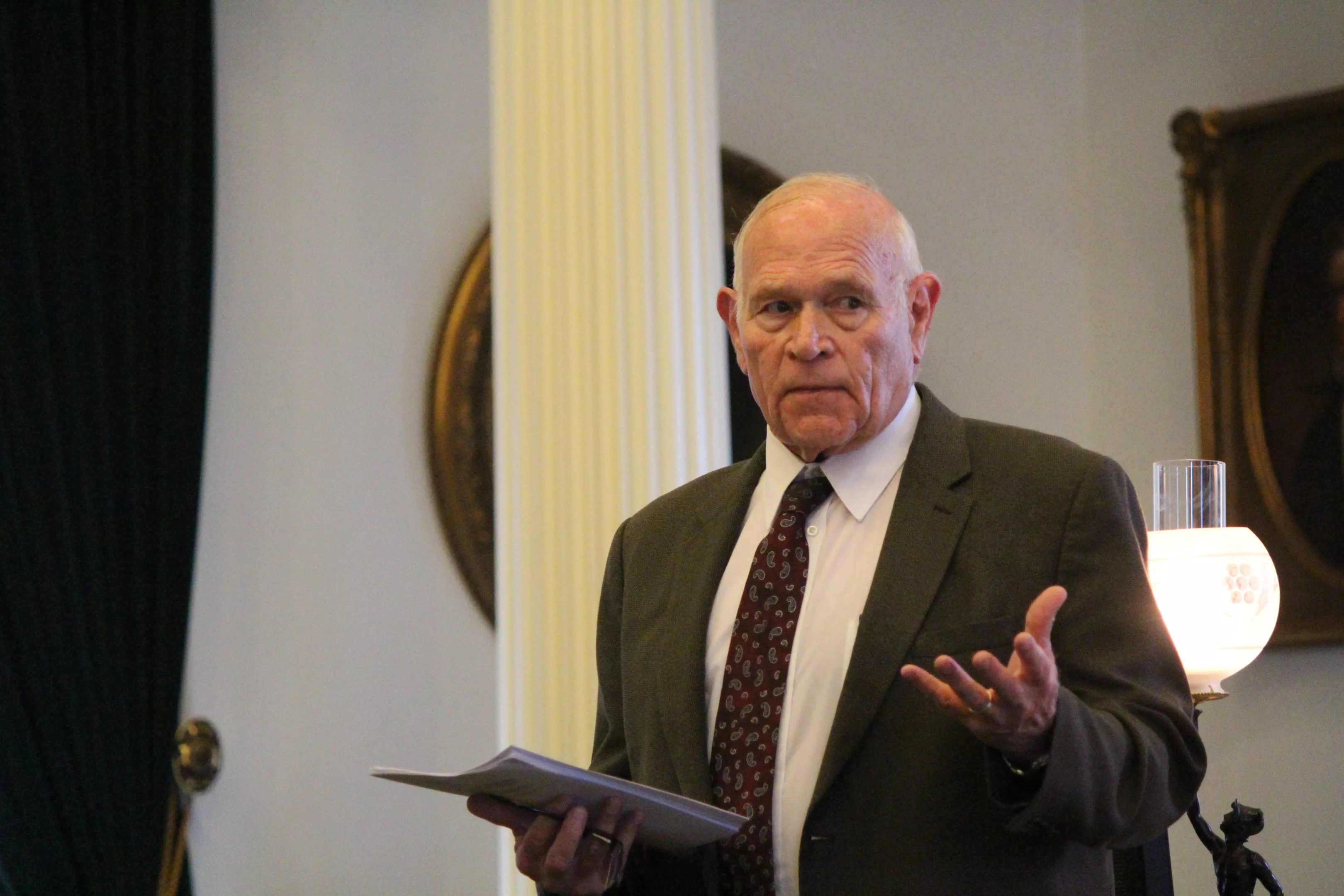
The Joint Legislative Justice Oversight Committee will convene six hearings this summer and fall to look at issues surrounding legalizing and regulating marijuana, Senate Judiciary Committee chair Dick Sears (D-Bennington) said Friday.
With marijuana legalization likely coming to neighboring states, Sears said, it’s important to plan for the impact on Vermont.
“I’m tremendously concerned about what’s happening in Massachusetts and Maine,” Sears said. Those states have voter initiatives on the ballot this November. “We’d be better prepared.”
Tags: Cannabeat , Dick Sears , marijuana legalization , Maxine Grad , Peter Shumlin , Image , Web Only