

Monday, April 26, 2021
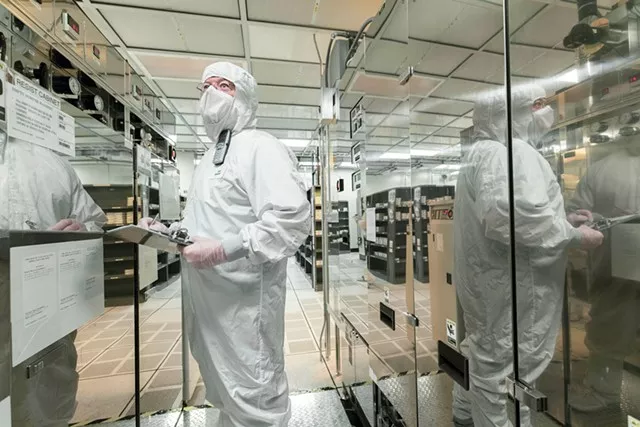
The shift was hailed by Senate Majority Leader Chuck Schumer (D-N.Y.) at a press conference at the company’s newest fabrication plant in Malta, N.Y, outside Saratoga Springs.
“This is a huge shot in the arm for our Capital Region economy, and it’s a giant step in our goal to enhance Albany’s position as one of the chip fab capitals, not just of America, but of the world,” Schumer said.
The move puts the company's top decision makers just a three-hour drive from the Vermont facility where 2,189 people churn out massive quantities of semiconductor chips for use mostly in the telecommunications industry.
GlobalFoundries didn’t consider a move to the Green Mountain State, however, spokeswoman Gina DeRossi said.
CEO Tom Caulfield is a native New Yorker and was already based in Malta. The plant there, known as Fab 8, is the company’s newest and most advanced, “which makes it the logical choice for our global corporate HQ,” DeRossi told Seven Days. The company’s other New York fab is in East Fishkill. It also has a factory in Germany and six in Singapore.
GlobalFoundries will continue to have a strong presence in California. The shift of senior leadership and administrative functions from the West Coast to Malta have already taken place, DeRossi said.
Tags: globalfoundries , semiconductor , essex junction , chuck schumer , Web Only , Image
Monday, April 19, 2021
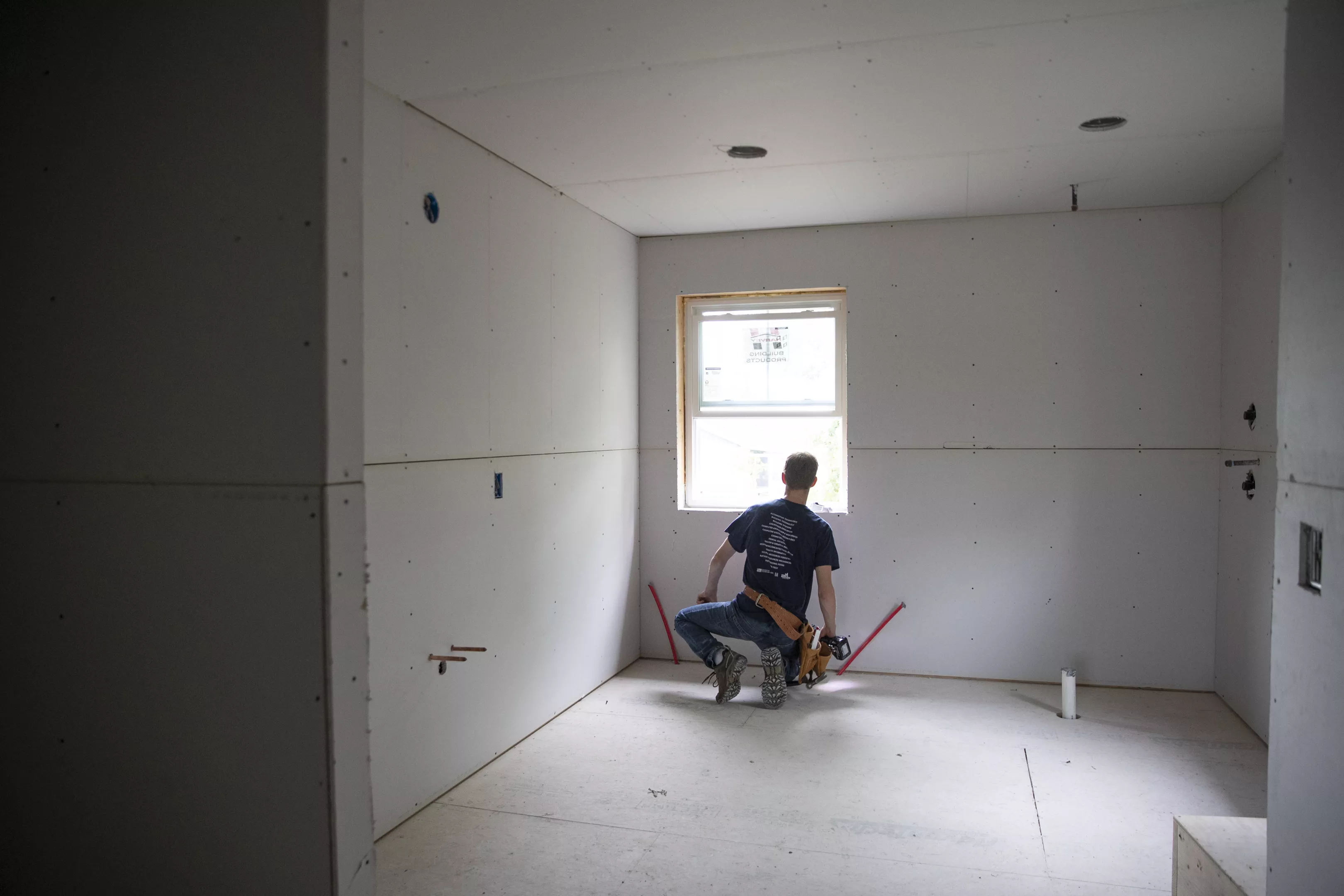
She was seeking a home, and she knew other people were, too. There are fewer than a half dozen homes for sale in the Vermont capital — one priced at over $1 million.
“She was looking for something where potentially she could age in place,” said O’Brien. “But her general statement was that Montpelier is in dire need of housing of all sorts.”
O’Brien was a logical person to call, because Williston-based S.D. Ireland constructs about 100 units of housing each year. But the company builds only in Chittenden County, and O’Brien said the company has no plans to expand its range. Salaries in the rest of the state aren’t high enough to support the rents landlords would charge, and it’s too expensive to enter an unknown political and permitting landscape, he said. And the company already owns land in Chittenden County.
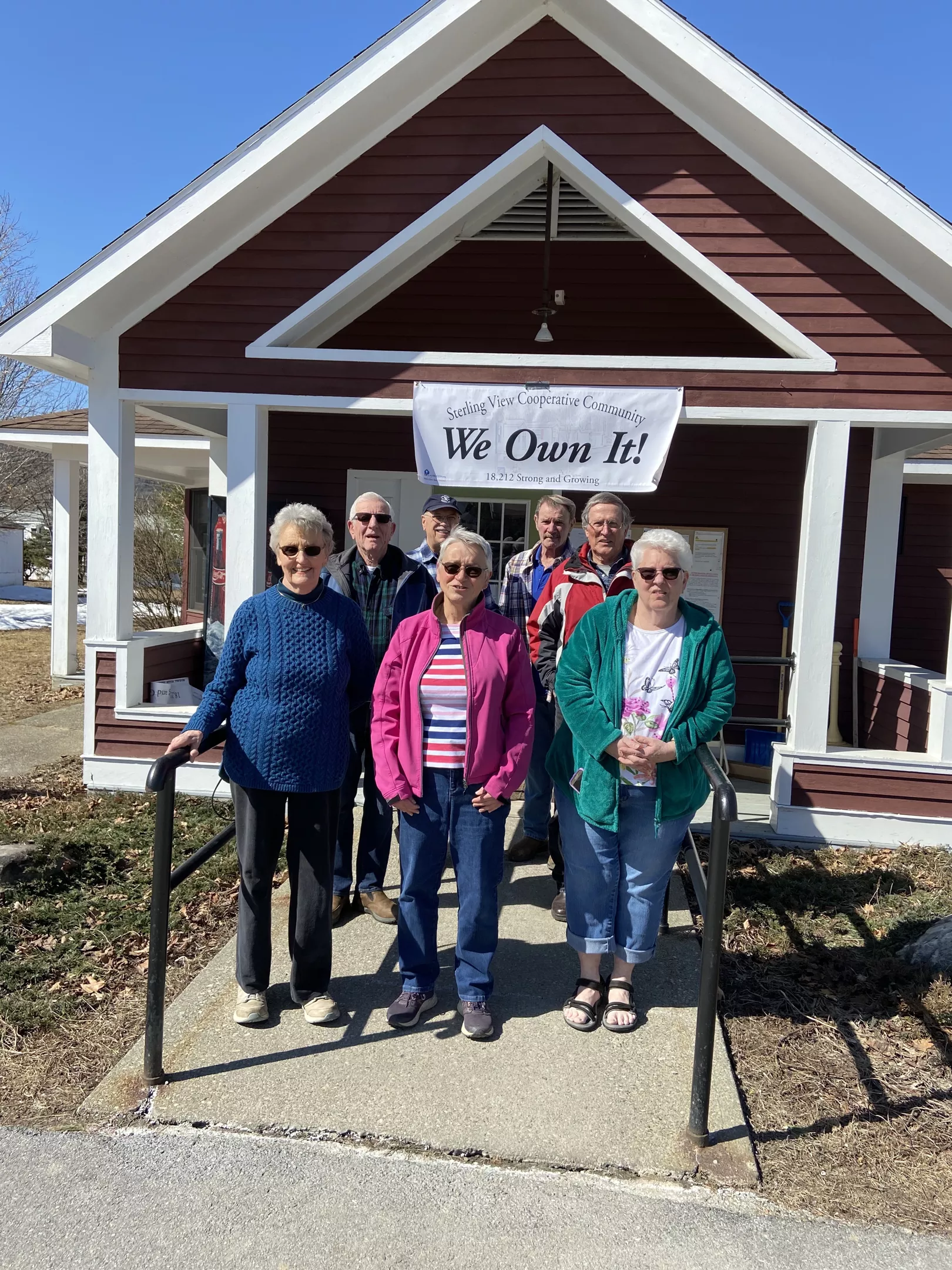
“We went from celebrating in the morning to not celebrating in the afternoon,” said Jan Kuhn, a retired elementary school teacher and resident who worked to put the deal together.
Fortunately, the former owner of the park had a new pump in storage and he donated it. The celebratory mood returned.
“It’s been an adventure, and it’s just beginning,” said Paul Nesky, president of the mobile home park’s board.
Tags: Mobile homes , co-ops , housing , affordability , Web Only , Image
Wednesday, April 14, 2021
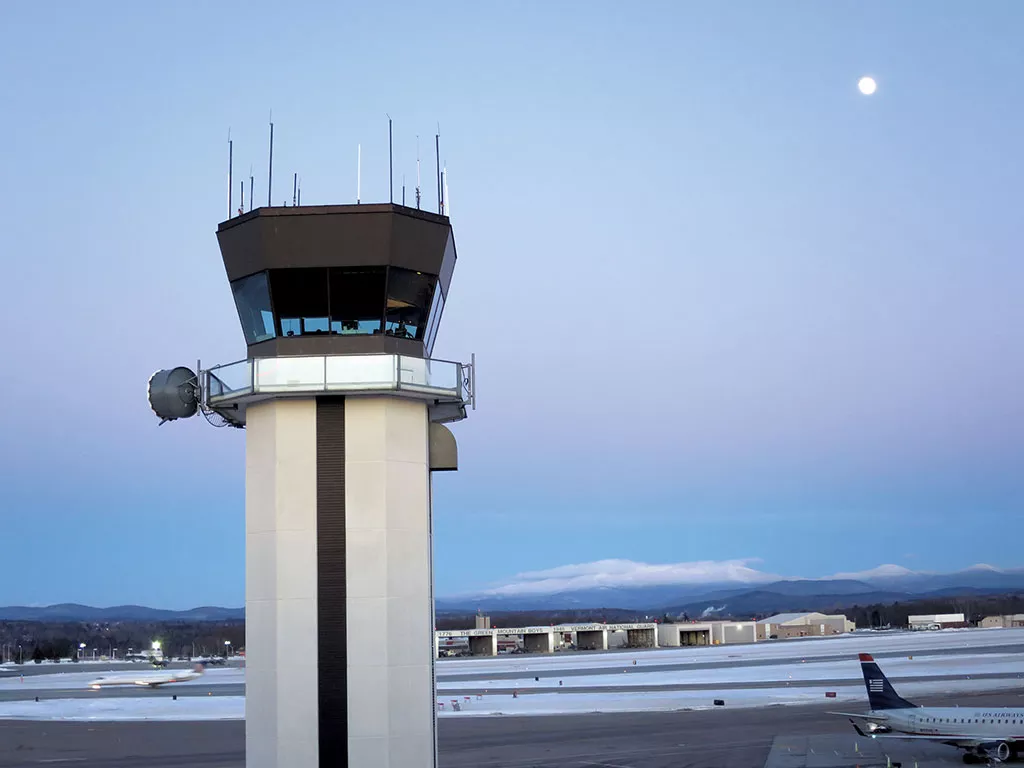
Burlington International Airport is ready. On Wednesday, the airfield announced its first direct connection with Dallas, starting on July 3. And on April 7, the airport announced a direct connection with Boston, starting April 29. It will be the first time BTV has provided direct service to and from Boston since 2008.
“There seems to be a lot of pent-up demand,” said Gene Richards, the airport’s director of aviation.
BTV has seen a massive dip in passengers during the pandemic, particularly before the state started vaccinating residents in mid-December. Before COVID-19 came along, about 10,000 passengers came through the airport each week, a number that rose to 15,000 in the summers, said Richards. During the darkest days of 2020, that dwindled to as few as 800 a week, he said.
These days, with direct connections between Burlington and 10 cities, the airport is seeing about 5,000 passengers each week, according to Richards.
Tags: Burlington International Airport , Dallas , direct flight , planes , Boston , Boutique Air , Web Only , Image
Thursday, April 8, 2021

South Burlington-based startup Beta Technologies has a deal with United Parcel Service to sell up to 150 of its experimental electric aircraft to the logistics company.
The agreement announced on Wednesday is a milestone for the Vermont company and for the emerging industry of electric vertical takeoff and landing aircraft, or eVTOLs, which promises to reduce fuel emissions and enable new methods of transport.
“A purchase order from UPS really gives the team here, who's really focused on the mission of the business, an opportunity to make a meaningful difference in the sustainability of aviation in the future,” founder and CEO Kyle Clark said in an interview.
UPS intends to use the aircraft for express delivery services in small- and mid-size markets, the company said in a press release, as part of an effort to transition away from fossil fuels.
Tags: Beta Technologies , United Parcel Service , eVTOLs , electric aircraft , Kyle Clark , Martine Rothblatt , Web Only , Image
Tuesday, April 6, 2021
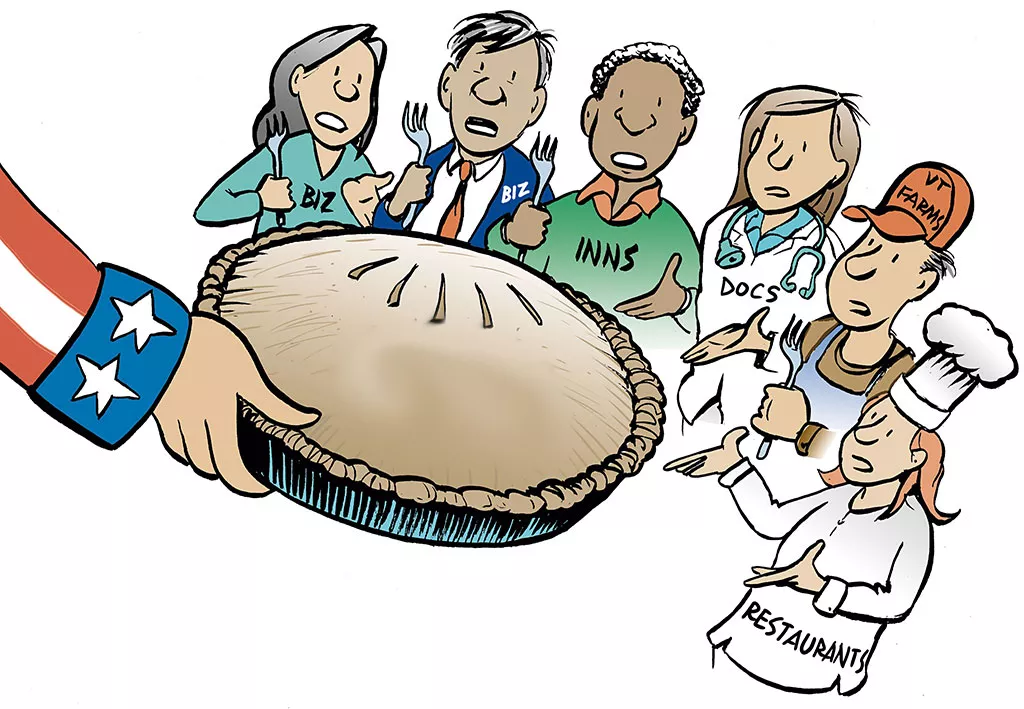
Vermont is receiving $1.03 billion from the American Recovery Plan Act, or ARPA. The state has until December 2024 to allocate the massive pot of money.
The administration plans to present its plan to lawmakers in this legislative session, although the spending would be distributed over the next few years, "with needed adjustments on the way," said Administration Secretary Susanne Young.
The proposal calls for the state to spend $250.5 million to improve broadband in underserved rural areas. Of that, $225 million would be allocated as grants to Communications Union Districts, the governor’s office said.
Another $200 million is proposed for climate change mitigation and adaptation, including $25 million to add to Vermont’s existing 292 public electric vehicle charging stations. More than $20 million would go to improve energy efficiency in buildings and provide incentives for consumers to buy energy-efficient electric equipment for heating, cooling and transportation.
The administration also proposes to spend $250 million to create 5,000 units of housing, addressing a critical shortage that is seen as a contributor to rising home prices in Vermont. Housing has been a major economic development priority in the legislature for the last few years; employers have said they can’t find workers because prices are too high.
The money would be used to increase the capacity of emergency shelters, build new permanent multi-family housing, and pay for mixed-income rentals, manufactured homes, and farmworker housing, said Housing Commissioner Josh Hanford.
Chris Donnelly, director of community relations for the Champlain Housing Trust, said he was pleasantly surprised at the size of the proposal.
“It’s quite a demonstration of priority that we share,” said Donnelly. He noted 2,000 Vermont families are living in motels. “It’s going to make a huge difference,” he said. “People will hopefully have more choices about where they can live. And if we can move people out of motels and into permanent housing, that should be a moral imperative.”
Rep. Laura Sibilia (I-Dover), a longtime proponent of broadband expansion, also said she liked what she saw. “I was kind of holding my breath” before seeing the administration’s plan, she said. “I was really pleased to see that we continue to kind of be moving along conceptually in the same way.”
Also on the list: $143 million for economic development and recovery. That includes $50 million in business grants, a number that disappointed business advocates who have said the unmet need is closer to $400 million. The state gave out $340 million in grants to businesses last year to help them stay afloat in the face of COVID-19 closures.
“If you’re [in] lodging, you’ve been pretty much shut down by virtue of the travel guidance for the longest time now, and restaurants have not been operating at full capacity,” said Austin Davis, government affairs manager for the Lake Champlain Chamber. “It’s difficult for these folks. There’s a lot of pain across the state.”
The overall economic development package is designed to incentivize business growth, said Commerce Secretary Lindsay Kurrle. She said the administration has been working with lawmakers for the last four months to come up with a program that will direct aid to businesses that aren’t eligible or federal relief such as the Paycheck Protection Program.
About $25 million would create a statewide hazard mitigation program targeted to low-income communities that repeatedly suffer losses from climate-related emergencies such as flooding. And another $100 million would support implementation of Vermont’s climate action plan.
The administration also included $170 million to develop and improve water and sewer infrastructure, saying that there are several areas of the state where work in these areas is long overdue.
“Projects can range in size from serving a small number of properties to connecting a whole village,” the administration said in prepared materials.
Brian Shupe, executive director of the Vermont Natural Resources Council, questioned a measure to exempt development projects from Act 250 land use regulation.
“We appreciate that the governor is prioritizing climate change, clean water and affordable housing in the use of the money,” said Shupe. “We applaud that, and share those priorities.” But “we have four years to roll out this spending plan, and it shouldn’t come at the expense of our environmental standards.”
Administration officials have said exempting ARPA-funded projects from Act 250 would help developers meet the timeline set by the federal government for use of the relief money. ARPA projects in designated downtowns, village centers, new town centers, neighborhood designated areas, and existing industrial parks would be exempt from that environmental review, as would state bridge replacement and road projects.
Developers often point to Act 250 as the primary reason for project delays and added expense.
“Development is occurring at a pretty rapid pace in the state now,” with Act 250 in place, Shupe said. “If I were a private developer I would ask, ‘Why does this set of projects get priority over mine?”
Tags: ARPA , economic development , Phil Scott , Web Only , Image
Tuesday, March 30, 2021
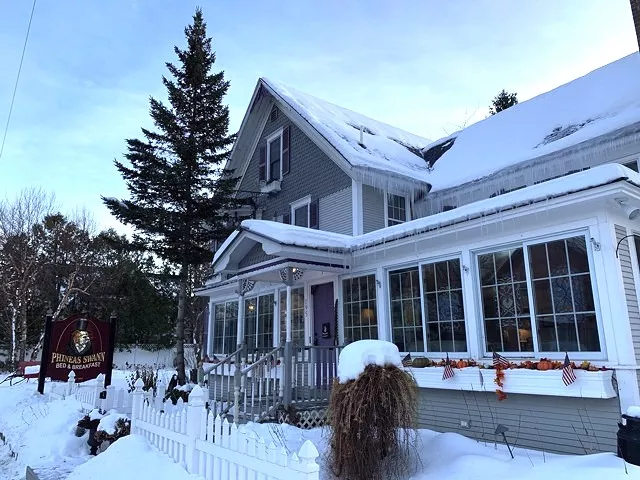
The Senate on Tuesday approved S.79, a wide-ranging bill that aims to improve enforcement of health and safety standards for apartments around the state. The measure would include short-term rentals such as Vrbo and Airbnb in that registry. Owners of conventional lodging have said for years they’re competing on an uneven playing field.
Drevik noted that when the state shut down all inns, hotels and B&Bs last year because of the pandemic, it had no way of knowing who was operating an Airbnb.
“We had state troopers literally coming to our door and checking to make sure that there were no cars in our parking lot from out of state and no guests in our inn,” said Drevik. “And then we had short-term rentals in my town with cars from New York and Massachusetts.”
Tags: short-term rentals , Airbnb , lodging , Web Only , Image
Tuesday, March 23, 2021

But the Senate Committee on Economic Development, Housing and General Affairs isn’t taking any chances when it comes to attracting new residents. This year, it’s seeking to make its popular move-to-Vermont incentives permanent.
The panel has proposed a $1 million program that would reimburse a worker who is new to the state $5,000 for moving expenses. That amount would rise to $7,500 for someone who moves to an area with a higher-than-average unemployment rate or lower-than-average annual wages.
Vermont’s popular remote worker program garnered international headlines when it debuted in 2018 offering a $10,000 moving reimbursement for any new resident who would work remotely. Its success shows that these programs should continue, said Sen. Randy Brock (R-Franklin), a supporter of the bill. He sees the new measure, which would combine two earlier versions, as something similar to the business incentive programs that are used to lure companies.
“There are some states in the South literally spending hundreds of thousands of dollars per job to bring in auto plants and other things,” said Brock. “These are situations a state like Vermont can’t afford.”
Tags: remote worker program , Statehouse , worker shortage , Web Only , Image
Friday, March 19, 2021

A broad COVID-19 recovery bill that would plow $105 million into everything from business grants to affordable housing to free diapers advanced toward approval Friday afternoon.
The Senate unanimously approved H. 315, setting it up for a final vote next week. The bill is lawmakers’ latest attempt to ensure a combination of federal and state funds are spent as soon as possible on programs that will help the state “build back better,” as Sen. Jane Kitchel (D-Caledonia) put it.
“It seems like this bill has touched just about every committee in the Senate,” Kitchel, chair of the Senate Appropriations Committee, told her colleagues.
The bill still needs to return to the House for final reconciliation with the Senate’s numerous changes. But House leaders have been in close communication with their Senate colleagues and are committed to ironing out any differences quickly, said Connor Kennedy, spokesperson for House Speaker Jill Krowinski (D-Burlington).
“We’re probably at the five-yard line, to be honest,” Kennedy said.
About $80 million of the money is coming from $1.25 billion Vermont received from the American Rescue Plan Act of 2021. Some funds are left over from last year's federal CARES Act. The balance will be from state funds, which are flush thanks to a surprise $210 million largely from higher-than-expected tax revenues.
The bill includes funding for a number of key Democratic priorities, including affordable housing, grants for struggling businesses, environmental cleanup and workforce development.
One of the largest chunks is $15 million to help schools address indoor air quality, a significant concern as children have returned to the classroom during the pandemic. There’s also $14 million to help clean up and redevelop some of the state’s numerous contaminated industrial sites, or brownfields. Another $10 million would help affordable-housing developers get projects moving that would help hundreds of homeless people still living in motels around the state, Kitchel said.
The Senate also increased to $10 million funds for “gap grants” to businesses that didn’t qualify for previous funding, such as for new businesses that couldn’t demonstrate previous revenues. Outdoor recreation would also enjoy a big boost, with $5 million going to the Agency of Natural Resources for trail work and another $5 million dedicated to the Vermont Outdoor Recreation Economic Collaborative, an economic development effort around recreation businesses.
The bill includes a number of education initiatives, including $3 million to train teachers to improve how they teach literacy, $1.4 million to train new nurses in collaboration with nursing homes, and $1 million to help schools find students they’ve lost track of during the pandemic, a phenomenon she referred to as "ghosting."
"We're really going to have to make some concerted effort to reconnect students with schools," Kitchel said.
Not all expenditures are big-ticket items, however. The Senate also set aside $25,000 for an audit of state deputies, and increased by $82,000 the funds set aside for needy families with children to pay for diapers.
Senate Minority Leader Randy Brock (R-Franklin) asked whether what was characterized as one-time spending would result in programs that the state would need to continue paying for when federal relief dollars dry up. Kitchel said her committee was "absolutely vigilant" to make sure that wasn't the case.
The bill references holding $20 million in reserve to help solve the state’s pension crisis, but Kitchel said her committee didn’t have the time to drill down on that issue and will have to return to it later in the session.
“We intend to address this problem before we leave this year,” she said.
Tags: COVID-19 , Vermont Senate , Web Only , Image
Wednesday, March 17, 2021
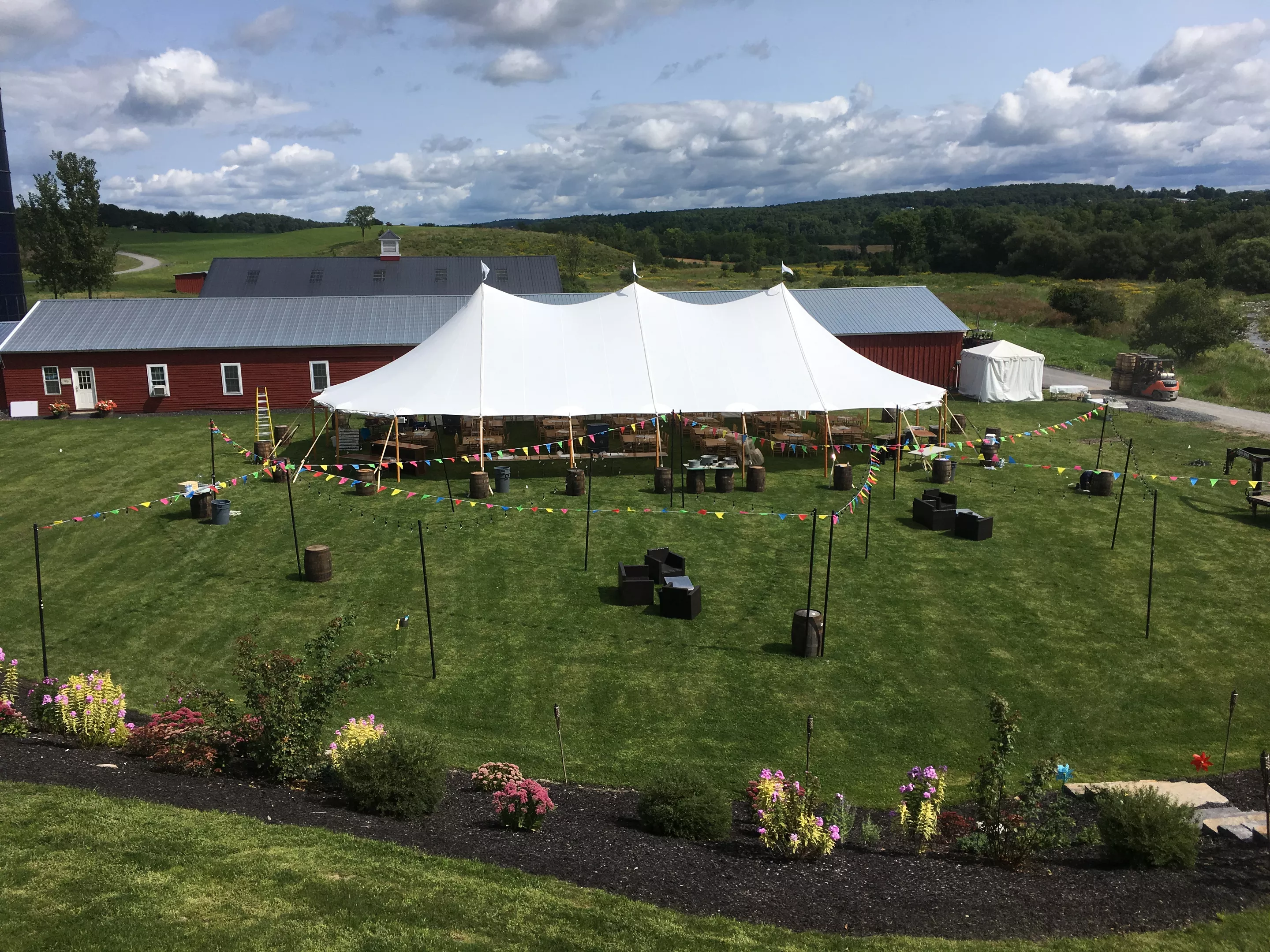
Lubas has raised pay about 25 percent this year; starting wages are $15 to $20 per hour. Although he prefers to have a full-time workforce, he’s also offering flexible, part-time hours. His company's summertime business typically involves weddings and special events.
In the past, “we didn’t hire a lot of part-time people unless we had to,” said Lubas. “Now we’re open to hiring almost anybody if they are good employees. We’ll take them if they want to work two days a week, or part-time every day. The bottom line is, we’re just looking for good employees who will show up when they are supposed to.”
Vermont employers were talking about a worker shortage long before the COVID-19 pandemic upended the economy. But a year after it began, the pandemic is still having a big impact on employment. While the state Department of Labor usually has 6,000 to 8,000 people receiving benefits at its busiest period, in winter, this past January 35,000 people were receiving benefits, according to the department.
Tags: unemployment , Vermont Tent Company , Web Only , Image