

Wednesday, March 26, 2014
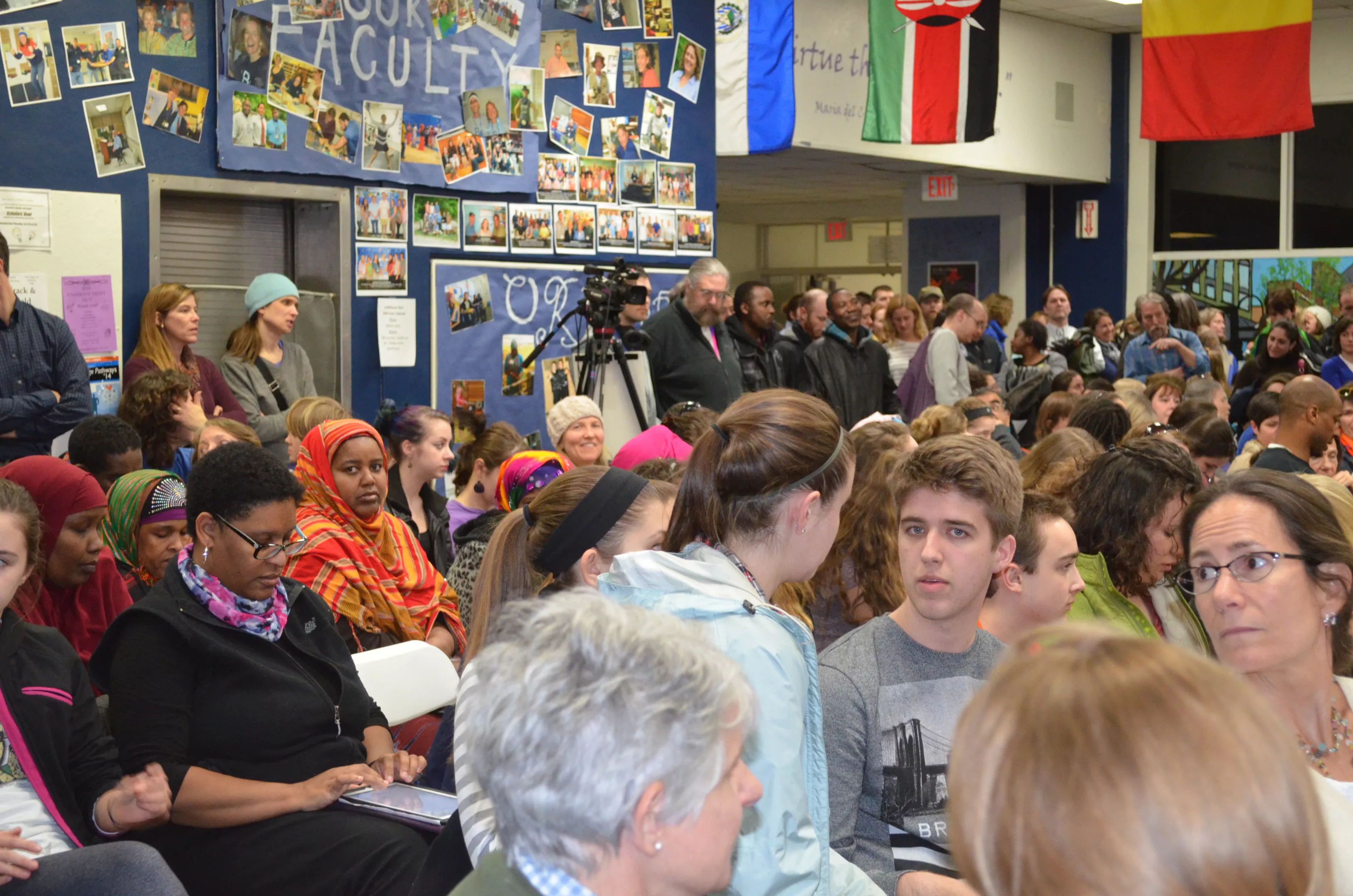
In reference to the high school cafeteria's fire code restrictions, one school official joked, “If anyone asks, we have under 500 people. We aren’t counting.”
The rest of the night, however, entailed a lot of counting. A long procession of teachers — several on the verge of tears — came before the school board, each emptying the contents of a plastic bag on the table next to them. These were the teachers, generally in their first or second year, whose jobs are in jeopardy; their names have landed on the “reduction in force” (RIF) list, which identifies 48 positions that could be cut. The teachers had brought wooden blocks — one for each child they teach — to demonstrate how many youngsters would be impacted by their absence.
“Cutting even one of these teachers will be damaging,” said Megan Fitzpatrick, a second grade teacher at the J.J. Flynn Elementary School. “Cutting dozens will be devastating.”
Tags: Burlington School Board , Jeanne Collins , Mayor Miro Weinberger , Burlington High School , Image , Web Only
Tuesday, March 25, 2014
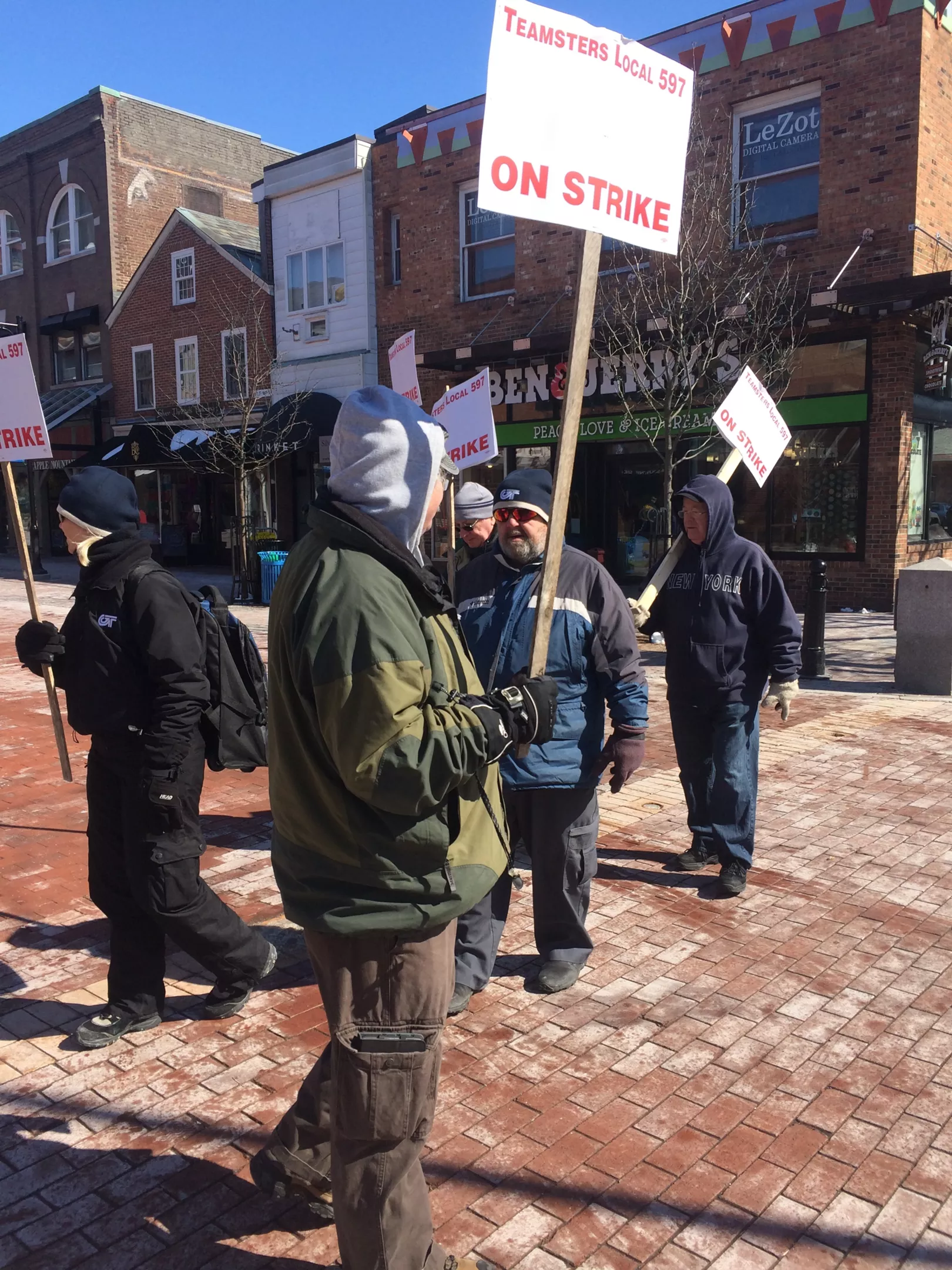
The board may also consider allowing the agency to hire short-term replacements for the strikers so that the buses can once again roll, CCTA General Manager Bill Watterson said in an interview this morning. Before the strike, the agency was providing 10,000 rides a day to commuters who include students, workers and people traveling to medical and social service appointments.
"It's too early to say what kind of options the board would give preference to, but you have identified a couple of approaches," Watterson said in an interview with Seven Days. He stressed that the board has not yet set a meeting date and its members would be the ones to make a final choice. "I'm not authorized to unilaterally take those steps. There's a chance it may come to a resolution by the time they schedule a meeting. (But) the responsible thing for them to do is assess what the potential ways forward are. It's what we need to do."
Watterson stressed that the agency has given only preliminary thought to any of those measures, which outside experts said would be unprecedented in recent Vermont history, and declined to discuss them in detail. CCTA remains focused on reaching an agreement on a new drivers' contract at the bargaining table, he said.
Watterson said he saw three paths to a deal. The union could bring CCTA's latest contract offer — which union representatives rejected on Saturday — to a vote of their 71-driver membership. They could accept CCTA's offer to resolve their differences in binding arbitration, a step that Burlington Mayor Miro Weinberger has urged but drivers have rejected. Or the drivers can come forward with a new offer.
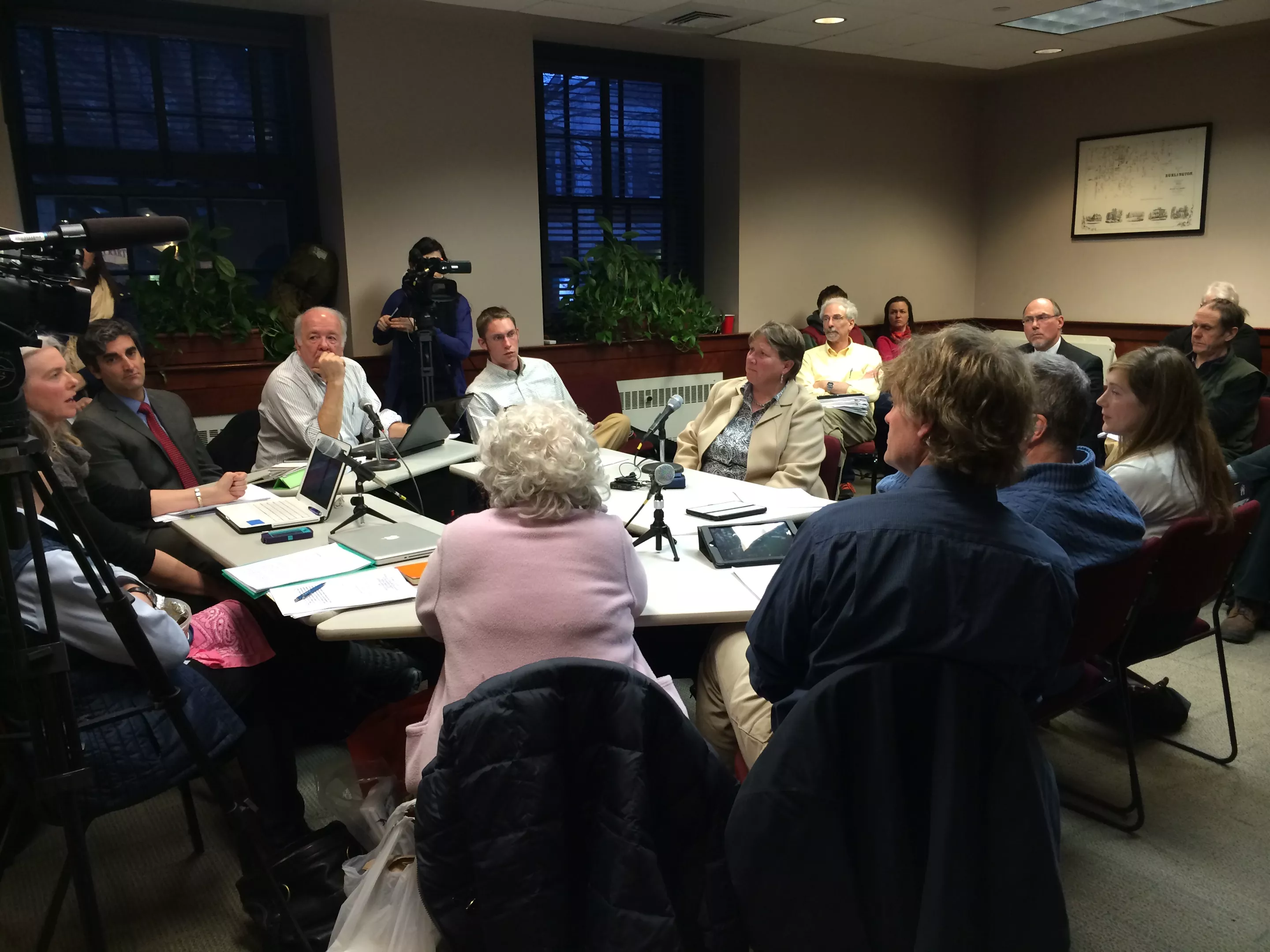
Mayor Miro Weinberger described this decision as the next big step in the settlement agreement announced in early February. Citibank financed the infrastructure for the city-owned utility, and it went to court two years ago to recoup its debt, demanding that the city pay $33.5 million for the cost of the network.
Two financial institutions — their names have not been disclosed — have offered to furnish the $6 million bridge loan the city needs to secure to move the settlement forward, Weinberger said. City council members held a special meeting Monday night and they spent most of it — about two hours — discussing the two candidates in an executive session.
“That conversation was not fully conclusive,” Weinberger reported at the end to members of the public. “There were some questions that have come up that require additional work on the part of the administration and our consultants before the questions can be fully answered.”
The council is convening a second special meeting on Wednesday, and members expect to make a decision then. As part of the settlement, the city is supposed to file this information by Friday for review by the Vermont Public Service Board.
Tags: Burlington City Council , Mayor Miro Weinberger , Citibank , Burlington Telecom , Image , Web Only
Monday, March 24, 2014
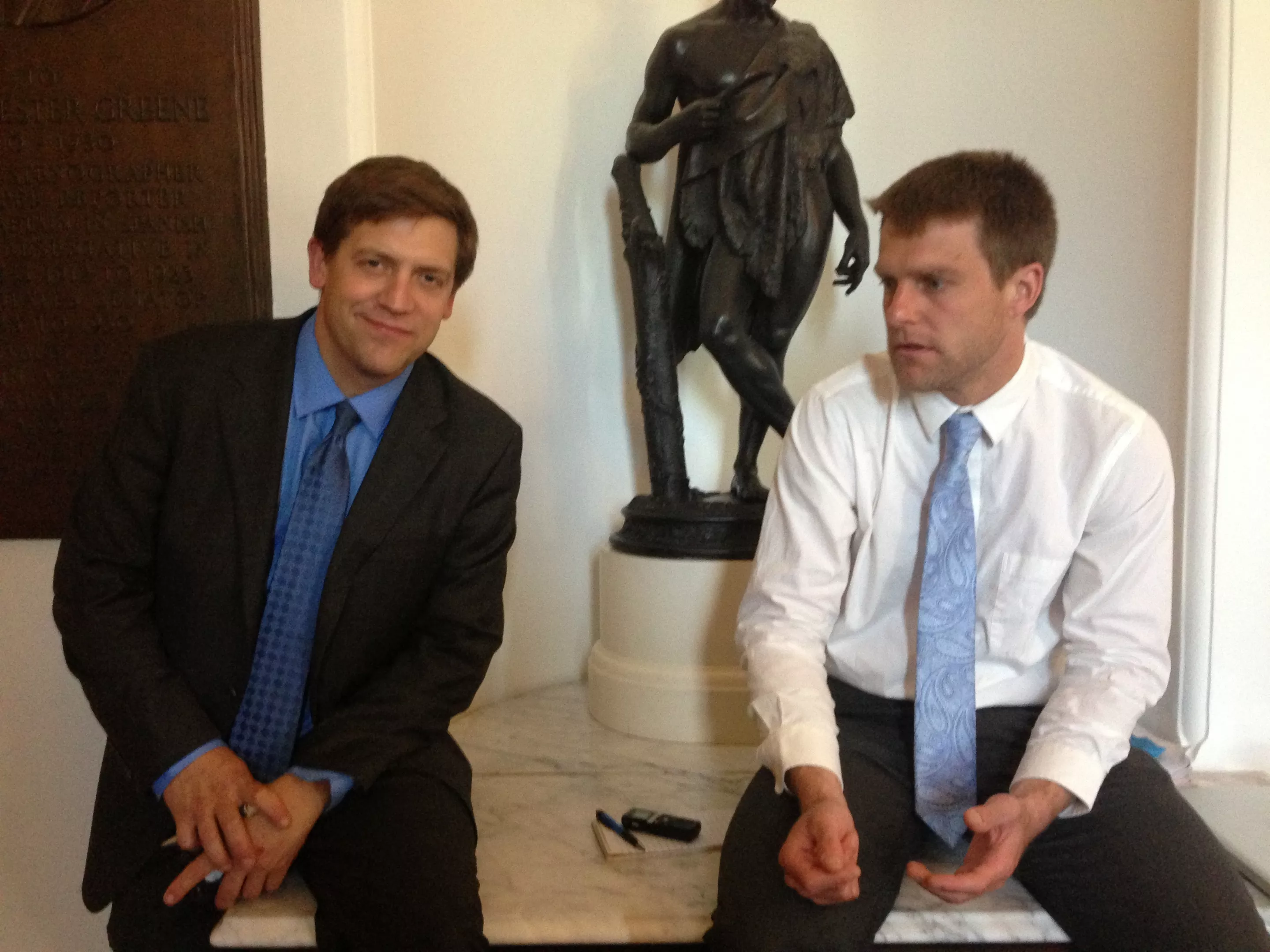
The governor announced on Monday that Louis Porter, his secretary of civil and military affairs, will succeed Patrick Berry in May as commissioner of the Department of Fish and Wildlife. Berry is leaving the department to become vice president for philanthropy at the Vermont Community Foundation.
"Louis Porter's devotion to Vermont's tradition of hunting and fishing, and to making sure there is continued access to land and water for those that follow that tradition, will serve the department well," Shumlin said in a written statement.
Tags: fish and wildlife , louis porter , patrick berry , vermont community foundation , Image , Web Only

With a bus strike entering its second week, relations between Chittenden County Transportation Authority management and drivers appear to be getting worse, not better.
The sides failed to reach an agreement on a new contract over the weekend and started issuing statements that show they don't even agree on what went wrong on Saturday.
CCTA said that it offered a new compromise on Saturday but that union representatives "walked out of negotiations without notice while the CCTA team was still actively engaged with the federal mediators at 8:20 p.m." The bus agency's statement continued, "CCTA’s proposal included compromises in areas identified by the union as priorities. However, union demands continue to be out of line with CCTA’s obligation to operate a safe, affordable and reliable public transportation system."
At a press conference Monday at Church and Cherry Streets, where drivers and supporters have been picketing for a week, drivers accused their bosses of "stonewalling." The drivers left the bargaining table only after CCTA made it clear it would not meet the union's demands, said drivers' spokesman Rob Slingerland.
"CCTA had already told them they couldn't meet their demands," Rob Slingerland said. "We didn't walk out."
Moreover, Slingerland said that CCTA management officials showed up three hours late to the Saturday negotiating session, then took a lengthy break to consider the drivers' position — which the union had given them 48 hours earlier.
"There may have been two hours of honest bargaining," Slingerland said. "They're stonewalling with loopholes and nitpicking. It's a (strategy) of wearing us down, and we aren't wearing down. They're telling half truths to the public in order to sway the public."
No negotiating sessions are currently scheduled, and the strike is now in its eighth day with no end in sight. CCTA normally provides nearly 10,000 rides a day in Central Vermont, and the strike has forced droves of low-income residents, Burlington school students, and HowardCenter patients to walk, find alternate transportation, or be stranded.
Experts say a Vermont judge or the Vermont Labor Relations Board could be brought in to end the stalemate, but both processes are complicated.
"CCTA is disappointed an agreement was not reached and is deeply concerned about the impact on its passengers," the agency said.
"If they were so concerned, we would have a fair contract," Slingerland said.
Joining the drivers today were Burlington Rabbi Joshua Chasan and representatives from other union groups, including the Vermont State Labor Council AFL-CIO.
"This strike appears to be about respect for a group of men and women who are highly respected by the people who ride their buses," Chasan said, later adding, "Management needs to look into its own heart so that it can recognize that its lack of trust for its workers is a major source of disrespect."
Slingerland and union steward Mike Walker said drivers have no plans to offer any more proposals, and reiterated that they will not settle their differences in binding arbitration, as CCTA and Burlington Mayor Miro Weinberger have urged.
"If they don't like it, they can drive the bus themselves," Union Steward Mike Walker said at one point, later referring to CCTA management as "flying monkeys," in an apparent reference to the The Wizard of Oz movie. "If they're going to continue to stonewall, enough is enough, we're drawing a line in the sand."
But, according to CCTA, the union made fresh demands on Saturday on items they had previously compromised on: Drivers asked for wage increases, despite public declarations that their strike was not about pay, and demanded a 12.5 hour limit on the "spread time," the time from the beginning of a morning shift and the end of an evening run. (Drivers often work split shifts with time off in the middle of the day.) The drivers had previously agreed to increase the spread time to 13.5 hours.
Slingerland and Walker said the drivers did not seek raises, and made the 12.5-hour demand only because their offer to go to 13.5 hours was contingent on CCTA offering similar compromises in their negotiating priorities.
CCTA said drivers are also insisting that the agency not be able to investigate anonymous complaints of driver misconduct. Slingerland said that is because drivers simply "don't trust" their bosses and believe the agency is too eager to punish them for minor infractions.
As the press conference began, a passing motorist slowed, stuck his head out the window and yelled to the drivers, "Get back to work, you hostage takers."
Friday, March 21, 2014
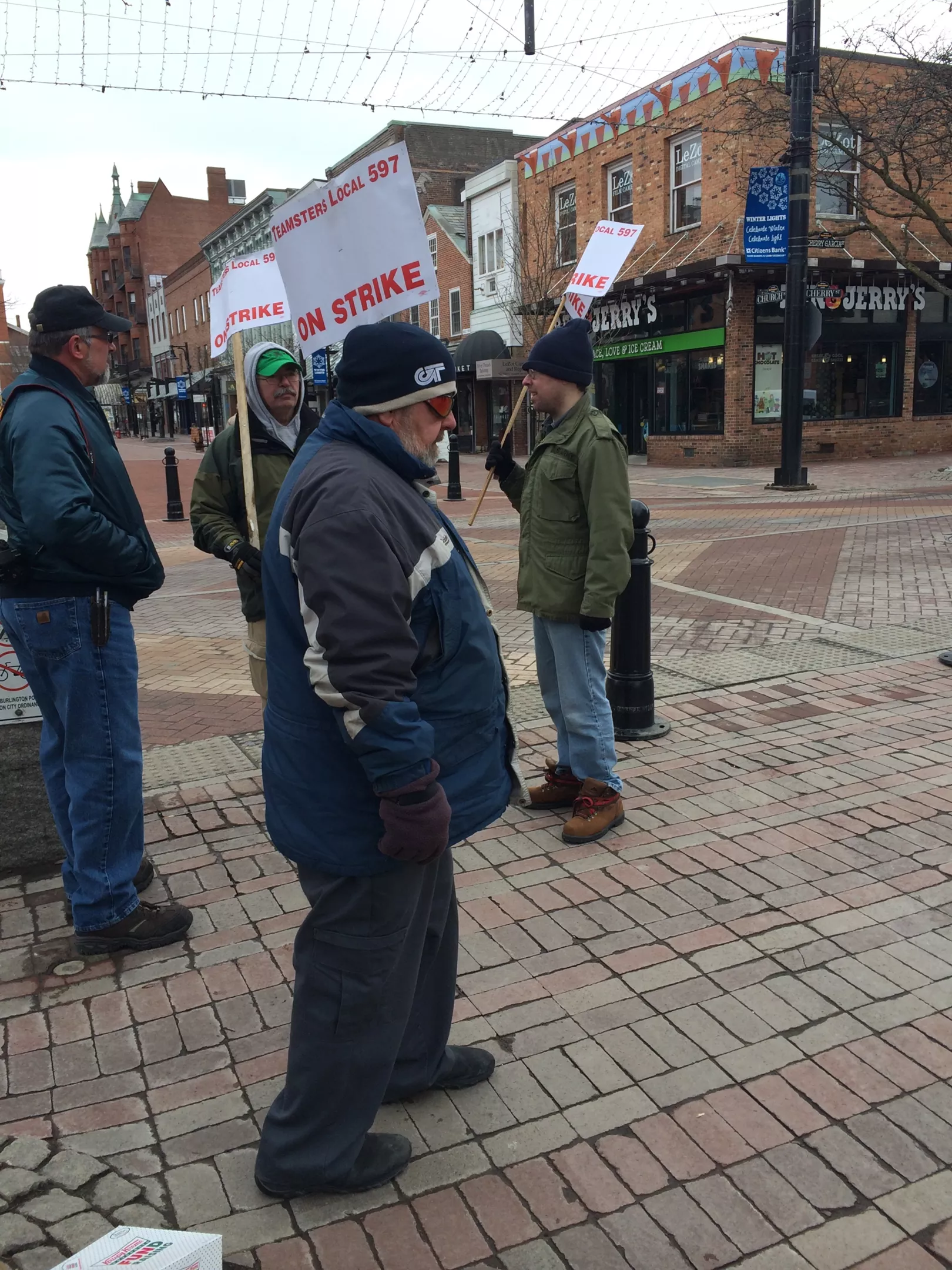
The state Agency of Transportation is threatening to leverage its contract with CCTA to encourage an end to the bus strike, but Chittenden County communities who rely on CCTA aren't willing to take similar action.
Leaders from several Chittenden County communities said that, while they're frustrated with a strike now in its fifth day, they're not focused on seeking repayment for missed service this week. For now, they're content to remain on the sidelines and hope that a resolution to the contract dispute will soon come.
Why?
Individually, towns don't have a lot of leverage or financial clout, and they need a vibrant public transit system in order to reach their goal of clustered, walkable communities. Perhaps more significantly, unlike VTrans, local communities don't have individual contracts with CCTA. Instead, they are considered members of CCTA, paying their bills based on a complex formula.
“It’s a membership organization. The communities decided to get together and support the transit system," said Shelburne Town Manager Paul Bohne, whose community pays CCTA $93,000 a year. "People will be more concerned about the health of the transit system than if they are missing a few thousand dollars. I wouldn’t want to start jeopardizing it by suggesting that we want [one or two weeks'] refund.”
Once they decide to join CCTA, towns are considered members, as CCTA's charter with the legislature spells out — some core communities have belonged for decades. The relationship is similar to that between towns and counties, in that members have little say in the organization's costs and are obligated to pay. (Most member towns have one representative on CCTA's board of directors, who in turn answer to local select boards and town managers. Burlington has two members. The CCTA board chairman has voiced strong support for CCTA management during the labor feud.)
CCTA raises roughly $2 million of its $13.5 million budget from member communities.
“We don’t have too much of a choice," said Essex Town Manager Pat Scheidel, whose community pays $240,000 annually. "They say what we should pay, and that is what you pay. We are joined at the financial hip with CCTA ... In all honesty, I haven’t read the CCTA agreement in a while."
Others voiced more frustration. Winooski City Manager Katherine Decarreau said the city council would discuss at its next meeting the possibility of seeking repayment from CCTA for missed service. The town pays $150,000 annually.
“A lot of our citizens are struggling. Many don’t have alternate transportation and are having to walk in very cold weather. It’s a tough event," Decarreau said. "We’re trying to give them time to figure it out, but our patience is not unending. Our citizens are really struggling.”
CCTA spokeswoman Meredith Birkett did not respond to a request for comment.
It does not appear that any community is considering leaving CCTA, however, and most town managers say they wouldn't consider seeking financial payback unless the strike lasts significantly longer.
“I haven’t thought of that," said Williston Town Manager Richard McGuire, whose community pays $168,000 annually. "I guess that’s something we would have to look at."
Many local communities have poured their energies in recent years into sustainable planning initiatives, hoping to cluster development and encourage residents to get out of their cars. Without CCTA, those dreams would be impossible, managers said.
“It’s been a part of our plans for having a new town core that is walkable, that has housing and density, and we have viewed a transportation system as something that would help make that happen,” said Milton Town Manager Brian Palaia. Milton pays CCTA $50,000 annually.
The largest local payment to CCTA comes from Burlington — more than $1 million this year, according to city records.
Mike Kanarick, chief of staff for Burlington Mayor Miro Weinberger, did not respond to requests for comment for this story. Weinberger is currently traveling in Japan.
Officials from St. Albans and South Burlington also did not respond to requests for comment.
Meanwhile, bus drivers yesterday morning continued to picket at Cherry and Church streets. The half dozen strikers quietly walked in a circle and declined to comment, saying that the union had declared a "media blackout."
Town managers were similarly reluctant to weigh in on the negotiations.
“It’s not our fight, and we’re not going to be used as [pawns] to help make the case for one side or the other," Scheidel said. "I’m hopeful there will be a happy medium. The definition of a perfect contract is that both sides walk away equally dissatisfied. I’m hoping both sides walk away equally dissatisfied soon.”
Tags: CCTA , labor , Burlington , Chittenden County , Image , Web Only
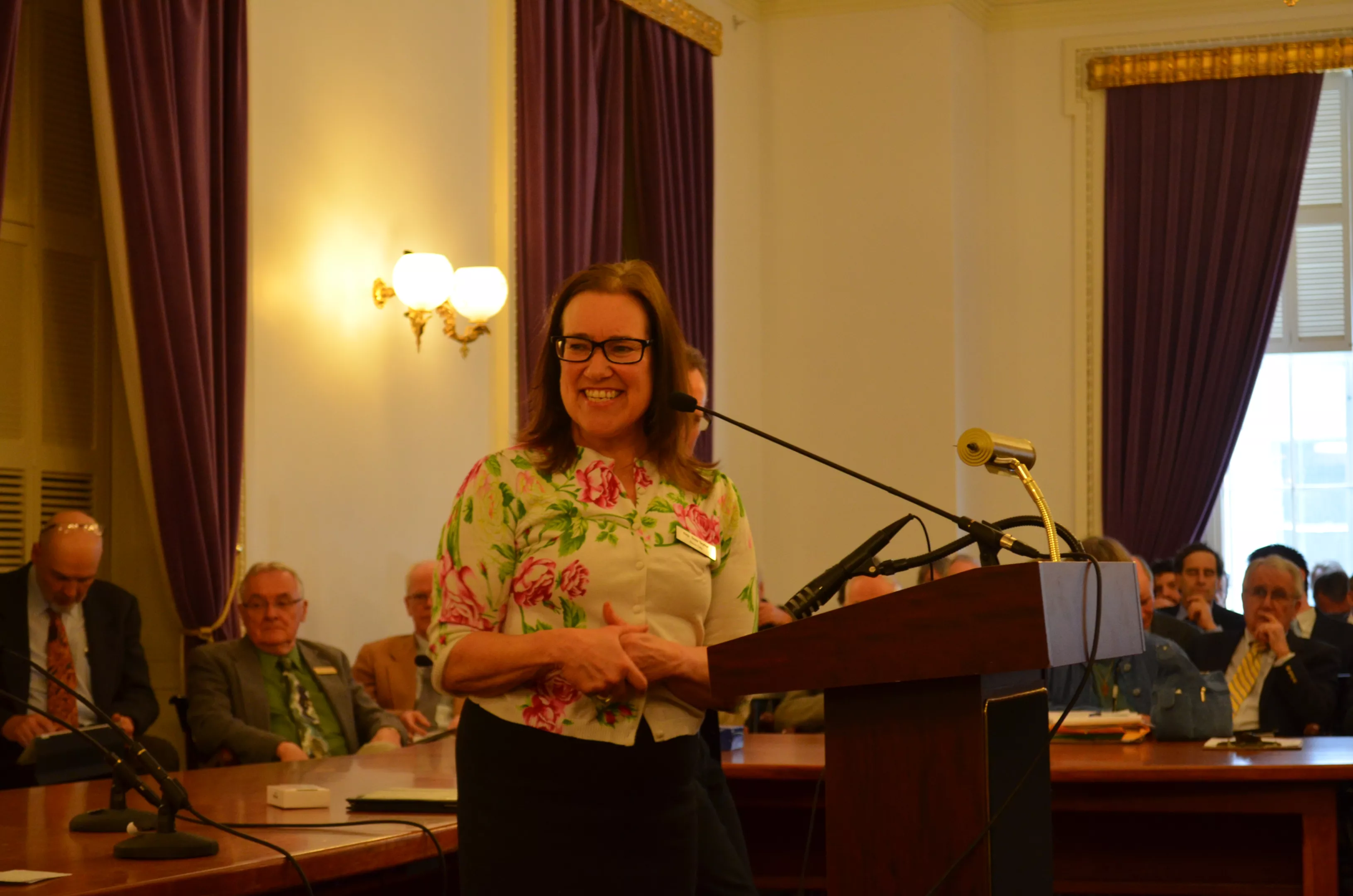
Rep. Tess Taylor (D-Barre), the majority whip, told her colleagues at a Statehouse meeting of the Democratic caucus that she had been hired Thursday as executive director of Vermont's CURE, a 501(c)4 founded in January to advocate for universal healthcare. House Democrats will hold an election Tuesday to fill her leadership post, and Gov. Peter Shumlin will appoint a replacement to her House seat.
"As late as last night, people always say to me, 'Do you like what you're doing? Do you like being the whip? Do you like having to do all that work?' And I have to say, truly, I have loved it," Taylor told her colleagues. "I loved being your whip. It's just been an honor."
The existence of Vermont's CURE was not widely known until Wednesday, when Vermont Public Radio first reported on it. On Thursday, KSE Partners lobbyist Todd Bailey disclosed that the group had received just one, $100,000 pledge, from the American Federation of Teachers. Bailey, a cofounder and consultant to the organization, said it plans to seek more funding from "individuals, foundations and other organizations."
Taylor says she was first approached by Bailey and fellow KSE lobbyist Bob Sherman "a couple weeks ago" but wasn't formally offered the job until Thursday night, after Vermont's CURE's board met for the first time.
Thursday, March 20, 2014
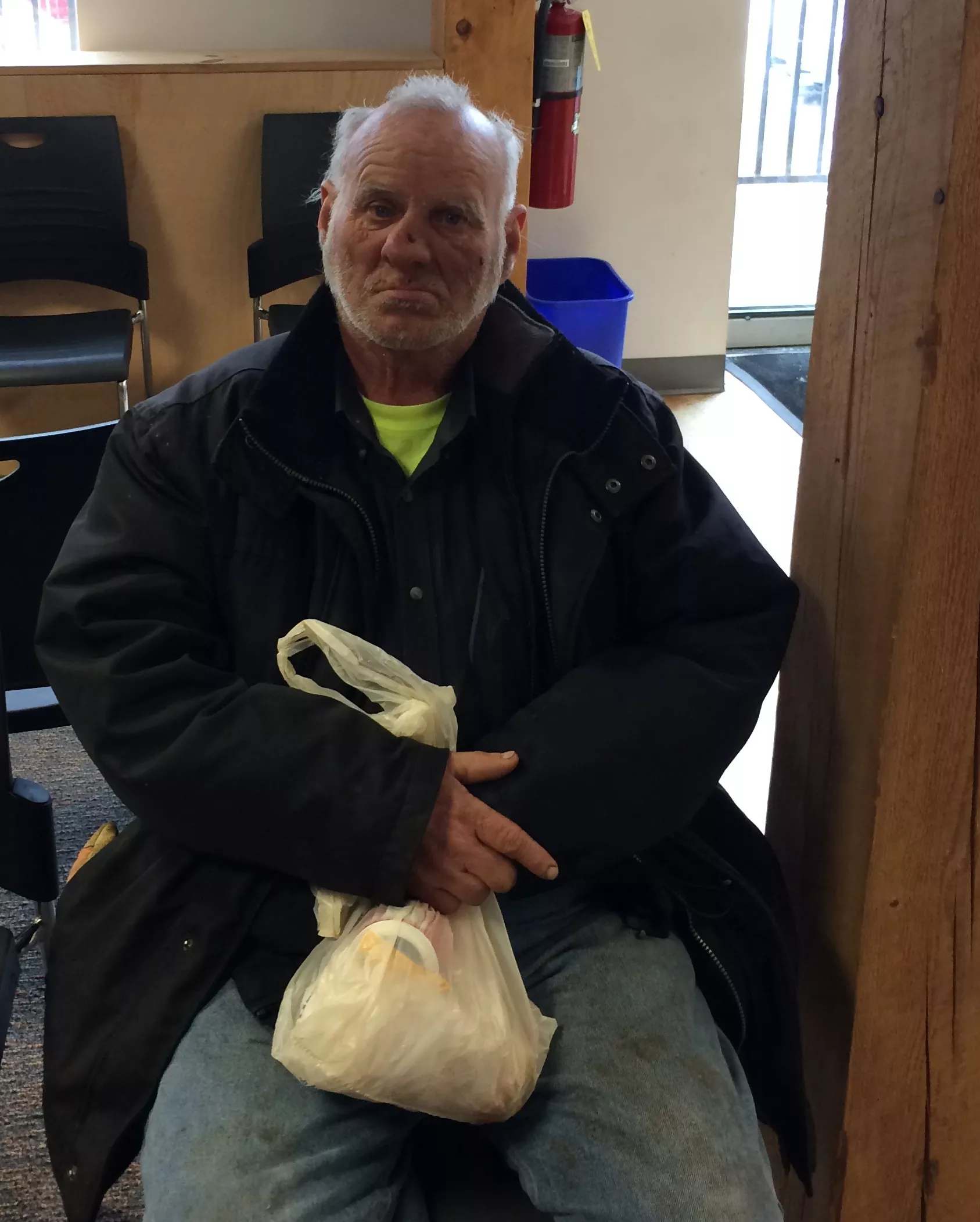
On Thursday morning, Wallace walked to the Champlain Valley Office of Economic Opportunity (CVOEO) on South Champlain Street in Burlington, looking for help. The Queen City resident, who lives nearby on Shelburne Road, said he was biking early Tuesday evening, carrying a bag of two-liter bottles to recycle, when the bag hit his tire, sending him over the handlebars.
Sitting in the CVOEO waiting room, Wallace said he would normally take the bus to see his doctor at the Ethan Allen Medical Center in Colchester. From where he lives on Shelburne Road, he estimates it's a five-mile trip. "It's hard to get up to my doctor's. I've got no money for a cab or anything," he said.
Wallace, whose nose was crooked and visibly swollen, said he'd held off trying to get medical attention in the hopes that the strike would end soon. By Thursday, he'd given up. "I'm in pain. I can't breathe. I've got dried blood in my nose," he said.
When he can't bike, the bus is his only mode of transportation, Wallace said, adding that biking on slushy roads can be treacherous, especially at his age.
CVOEO staff scrounged up cab fare for Wallace to get him to Colchester, but until the strike ends, he said he'll be out of luck when it comes to getting anywhere else.
Clearly distressed, he described his frustration at the strike: "It's bad for everybody. Everybody depends on this bus."

The American Federation of Teachers has committed at least $100,000 to a new advocacy group called Vermont's Coalition for Universal Reform. The 501(c)4 plans to unleash a lobbying, organizing and advertising campaign in support of Gov. Peter Shumlin's plan to provide universal health insurance in 2017.
"We have an extremely un-nuanced position on Green Mountain Care," said Vermont AFT president Ben Johnson, whose union represents 4,000 nurses and educators. "We like it. We want it for everybody."
Vermont Public Radio's Peter Hirschfeld first reported on Vermont's CURE's existence Wednesday, but its organizers initially declined to disclose its funding source.
"We are not going to disclose our donors," KSE Partners lobbyist Todd Bailey, who is advising the group, told Seven Days on Thursday. "If the donors make a proactive decision to inform the public that they are funding us, they will make that decision."
Upon further questioning, Bailey revealed that, thus far, Vermont AFT is its sole source of funding — and plans to cut a $100,000 check to the organization. He said Vermont's CURE will seek additional contributions from "individuals, foundations and other organizations."
Tags: labor , health care , politics , Image , Web Only

Helping two of them along in no small way was a familiar name: Lenore Broughton, the conservative donor who’s channeled large donations to conservative candidates and causes through the Vermonters First super PAC. Broughton gave $1,000 apiece to Scot Shumski and David Kirk, successful candidates in Wards 4 and 7, respectively.
Both men stood out among the school board candidate pool for their opposition to the proposed 2015 school budget, and their criticism of the current board as being ineffective stewards of that spending plan. (Tuesday’s campaign finance filings also show Broughton contributed $10,000 to Vermonters First last August. She also gave $1,000 to the Vermont Federation of Sportsmen's Clubs, which advocated, unsuccessfully, for the defeat of the three gun control items on Burlington's Town Meeting Day ballot.)
Broughton made her contributions to Shumski and Kirk on February 25, one day after the last campaign finance filing deadline leading up to Town Meeting Day. Until then, Shumski had largely financed his campaign through loans he took out and donations under $100; Kirk also took out a loan and he received $790 from Shumski in two installments on February 11 and 19 for a joint ad in the North Avenue News. Contributions made after the February 24 deadline aren't disclosed until two weeks after the election.
Shumski, who raised a total of $2,702 and spent an additional $1,000, unseated Bernie O’Rourke by a wide margin — 1,096 to 558. Shumski said he's been friends with Broughton for more than a decade and he welcomed her generosity. Raising a hefty amount of money was necessary, according to Shumski, given the low-profile nature of school board races and the fact that he was taking on a current member of the board.
"A hard and fast rule about incumbents is that it's difficult to unseat them," he said, adding: "No one was doing any articles on me, and no one was shining the spotlight on me."
Tags: Kurt Wright , Miro Weinberger , Partnership for Burlington's Future , Vermonters First , Burlington school board , Image , Web Only