Friday, April 12, 2013
Vermont Senate Votes 24-3 to Overhaul Campaign Finance Rules, Ban Corporate Donations
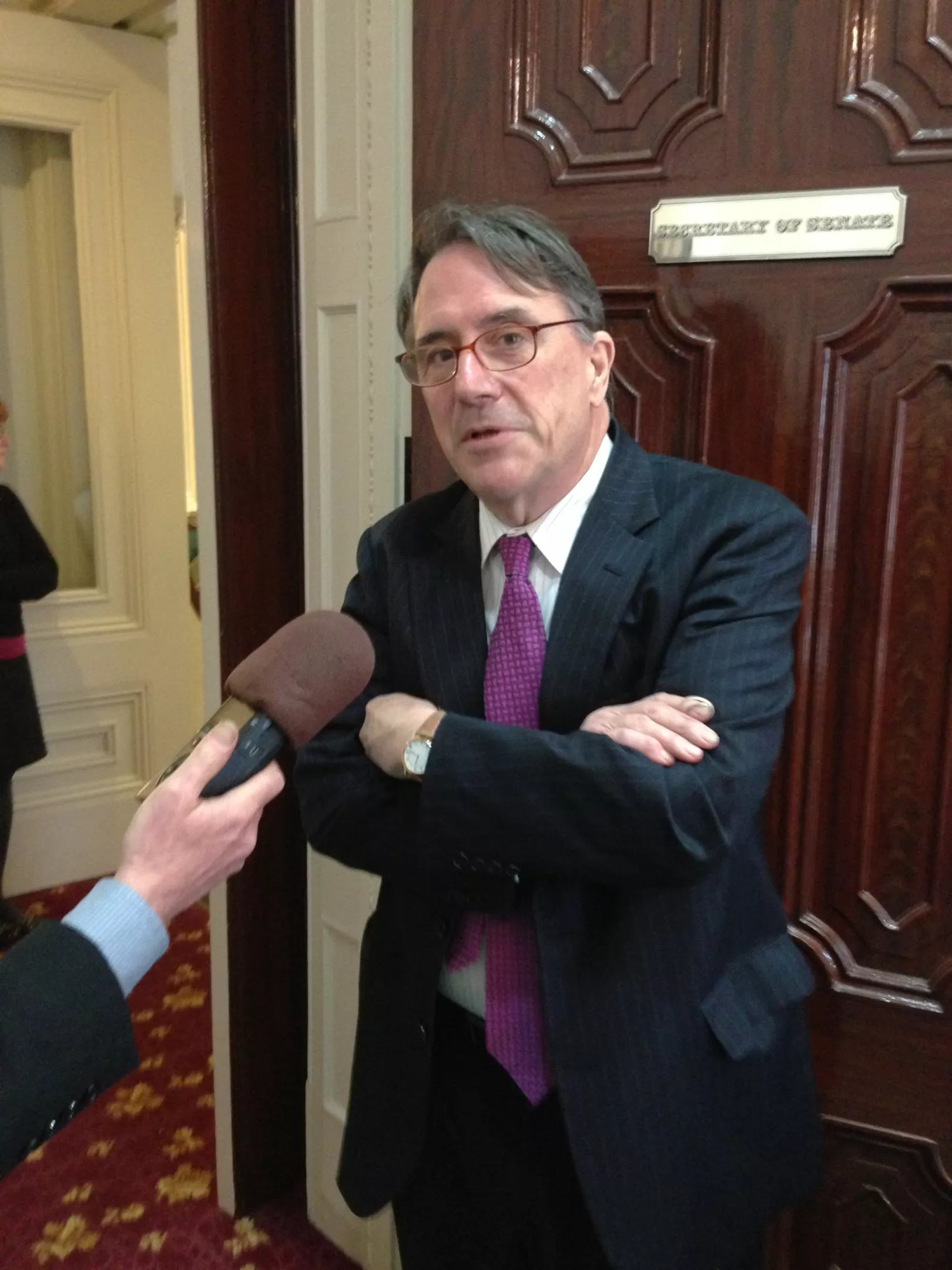
A years-long debate over whether to update the state's campaign finance laws came to a surprisingly swift close in the Vermont Senate Friday morning. With hardly a word of discussion, the body voted 24 to 3 to send an ambitious, 50-page bill forward to final passage.
"That was kind of the sound of a logjam breaking," said Vermont Public Interest Research Group executive director Paul Burns.
That's not to say it was an easy lift.
The bill was almost derailed several times — including as recently as Thursday evening, when Democrats meeting in caucus debated whether to strip out a previously passed amendment banning corporate contributions to candidates. Two weeks before, the bill had been abruptly pulled from the floor after senators unexpectedly approved that amendment by a 21 to 8 margin.
But in the end, the ban on direct corporate contributions remained intact, potentially dramatically changing the way private industry seeks to influence Vermont elections.
"I'm pleasantly surprised, given the tortured history of the bill," said Sen. Peter Galbraith (D-Windham), whose two-year quest to ban such contributions has irritated the hell out of many of his colleagues. "I think it sends a very clear signal that Vermont wants to ... have clean elections."
(Pictured above: Galbraith)
In brief remarks explaining his vote in favor of the overall campaign finance bill, Senate President Pro Tem John Campbell said he nevertheless strongly objected to Galbraith's amendment. He argued that because employees of a corporation could still donate to candidates through independent political action committees, the ban would simply result in masking corporate influence — not ending it.
"The reality is, it takes away from transparency when it comes to corporate donations, while only truly restricting small, local businesses," Campbell said.
His remarks represent a second major turnaround for Campbell on the issue. While he opposed Galbraith's amendment last year, he was one of the 21 senators who voted for it two weeks ago. Now he's clearly back in the anti camp.
Opposing the overall bill were just three members: Sens. Peg Flory (R-Rutland), Bob Hartwell (D-Bennington) and Diane Snelling (R-Chittenden). Not present for the vote were Sens. Claire Ayer (D-Addison), Joe Benning (R-Caledonia) and John Rodgers (D-Essex/Orleans).
Snelling explained on the Senate floor that while she strongly supported many provisions of the bill, she could not vote in favor of the ban on corporate donations.
"I thoroughly object to the premise throughout this bill that Vermont is like Washington and that the contributions on the local level can cause Vermont candidates to be corrupt," she said. "I have yet to see any evidence that this is so."
Final passage of the bill is expected in the Senate next Tuesday, at which point the baton will be passed to the House Government Operations Committee.
In addition to banning corporate contributions, the bill would:
- Decrease the amount individual donors can give candidates for state representative to $750 and state senator to $1500. It would increase the amount donors can give to statewide candidates to $3000. Under current law, contributions to any candidate are capped at $2000.
- Decrease the amount political action committees can raise from a single donor from $6000 to $3000 per two-year election cycle.
- Increase the amount political parties can raise from a single donor from $2000 to $3000.
- Create a searchable, online campaign finance database.
- Ask political donors contributing more than $100 to disclose the name of their employer.
- Increase the frequency by which candidates, PACs and parties must disclose contributions and expenditures.
- Extend the period during which candidates must immediately disclose spending on mass media to 45 days prior to an election.
- Require super PACs and parties who derive more than 25 percent of their contributions from a single donor to list that donor's name in advertisements.
Sen. Jeanette White (D-Windham), who wrote the bill and has been fighting to pass it for years, says she is pleased the Senate finally moved it forward — even though she opposed the Galbraith amendment.
"It's like the budget," she said. "Everybody can find something in there to hate, but in the overall bill, I think we did a good job."
About The Author