

Sunday, July 23, 2017

Torres has led the emerging maker space for two and a half years, during which time the facility moved from Memorial Auditorium to the South End. While the board looks for a new director, founding board member Michael Metz will serve as interim director.
"Throughout his tenure," a press release by board member Dan Harvey reads, "Lars oversaw some important growth in membership, programs and partnerships, and managed the move to our new home at 40 Sears Lane in Burlington. We thank him for his contributions and wish him well."
Torres was unable to comment
This post will be updated as information becomes available.
Clarification, July 23, 2017: This article previously indicated portions of the Generator website were taken down; that was due to a technical problem and unrelated to Hasselblad Torres' departure.
Tags: Generator , Lars Hasselblad Torres , Michael Metz , Burlington , maker space , Image , Web Only
Friday, June 9, 2017

For the first hour of the Stitch and Bitch, her handler, Bruce Duncan, assisted the attendees in asking her questions about life, politics and her own "humanity." The results were more than a bit amusing — and sometimes frightening.
Tags: BINA48 , Bina Rothblatt , Martine Rothblatt , Bruce Duncan , Lucy Leith , Generator , Image , Web Only , Video
Thursday, April 13, 2017
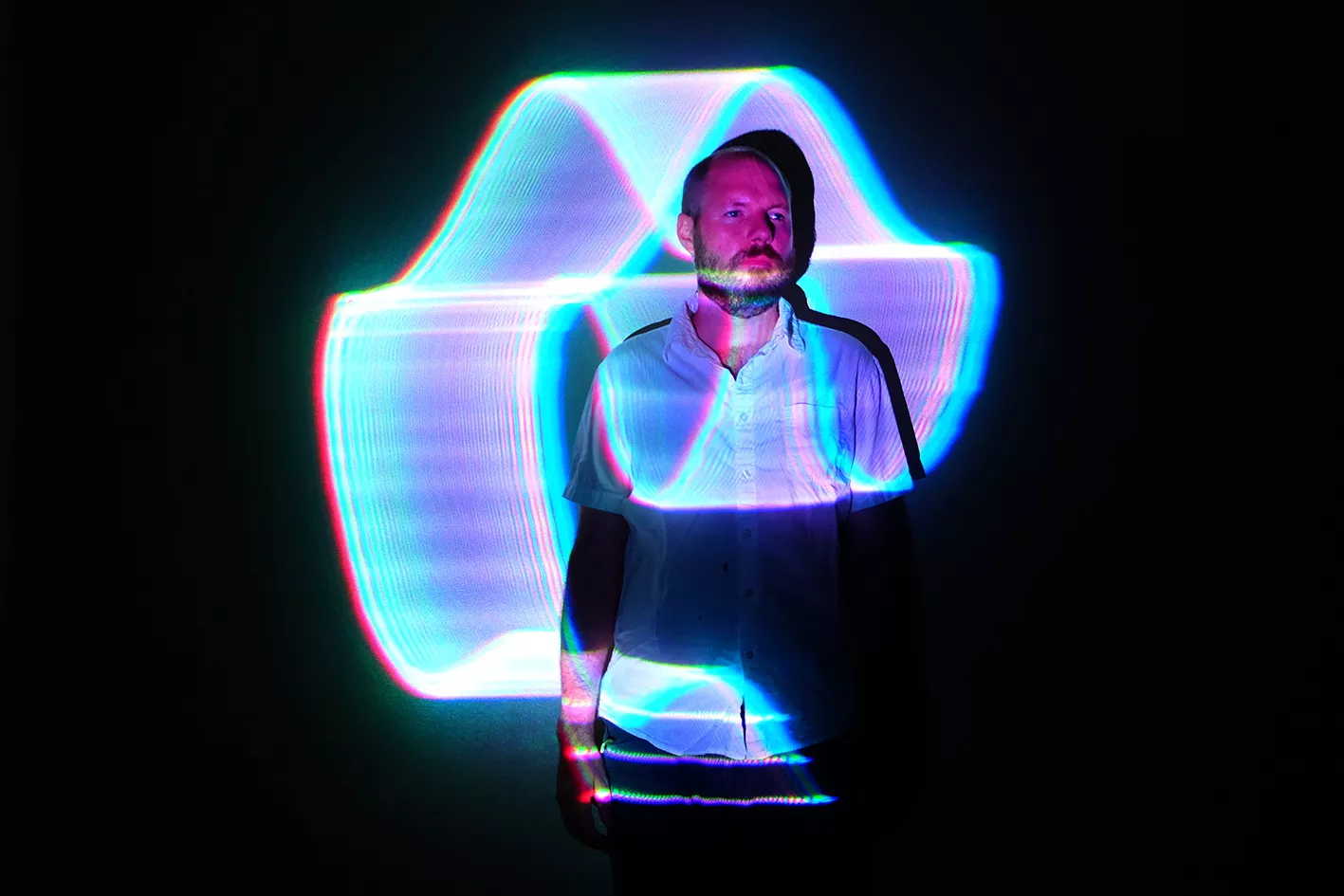
Tags: Soundtoys , Greg Davis , Koen Holtkamp , experimental , avant-garde , music , Image , Web Only , Video
Monday, January 9, 2017
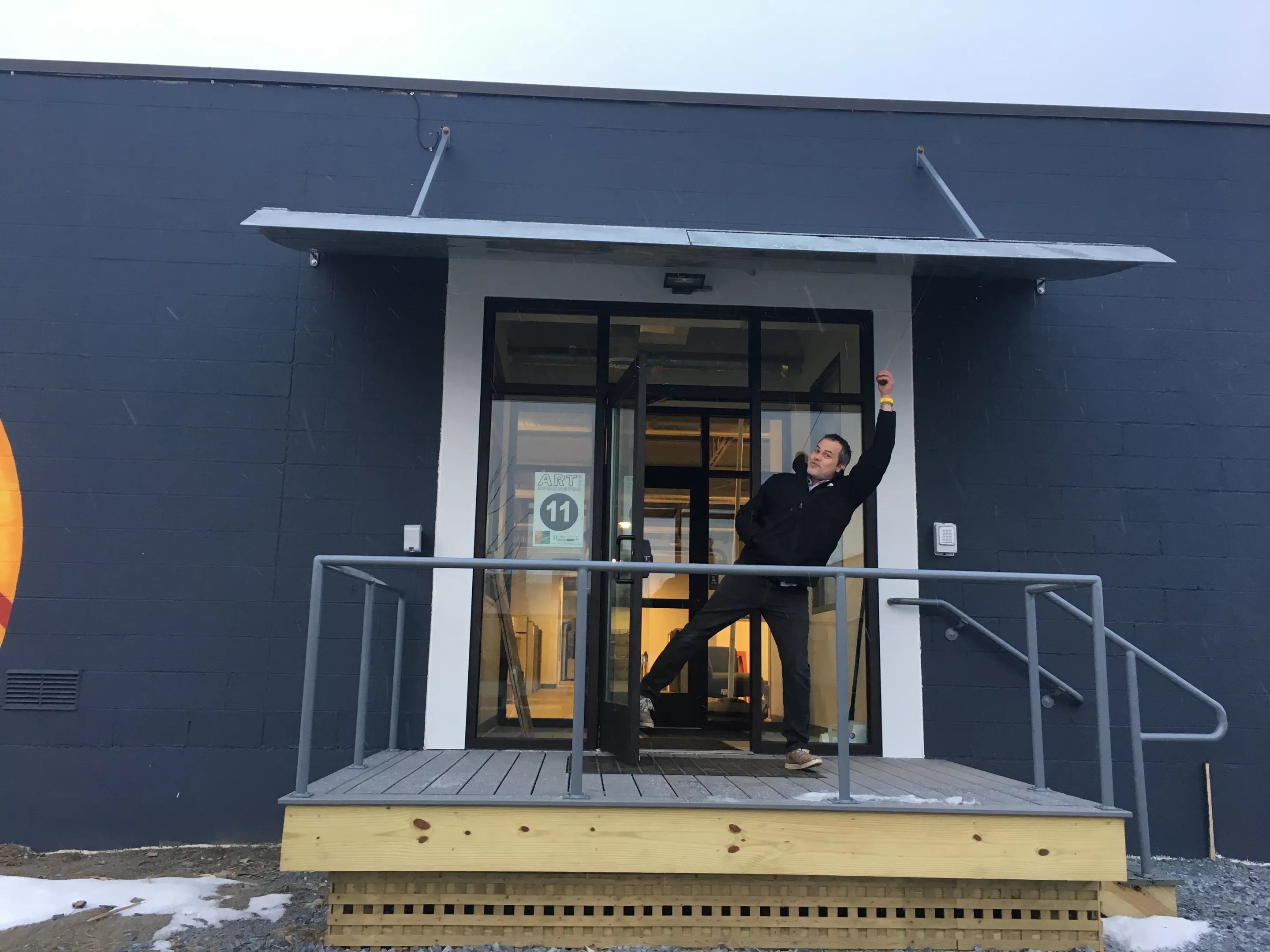
One of them, explained director Lars Hasselblad Torres, is a new key card system installed by John Yasaitis, a former Generator member and a cofounder of the Alternator lab on Pine Street. The system allows studio members to access the studio any time of day or night.
Generator's educator-in-residence program is also new. The maker space is offering a Vermont educator two months of free studio time and a $500 monthly stipend. The goal, said Torres, is to provide the teacher with the time, and physical and intellectual resources, to develop a new curriculum.
Tags: Maker space , Lars Hasselblad Torres , Generator , Burlington , Image , Web Only
Saturday, January 7, 2017

Kochalka is known for his adorable, emotive comics such as American Elf and Johnny Boo — and for being Vermont's first comic laureate. (His successor, Edward Koren, now holds that title.) He's also the front man for band James Kochalka Superstar, with fans around the world.
Generally, Taylor's episodes — which run about 10 minutes long — focus on tech-centric businesses such as Marguerite Dibble's Game Theory or Richmond-based robotics company Greensea Systems. For his segment, however, Kochalka focused less on the tools usually associated with innovation and more on its source.
Tags: Comic artist , James Kochalka , Vermont PBS , Victoria Taylor , Image , Video , Web Only
Thursday, November 17, 2016
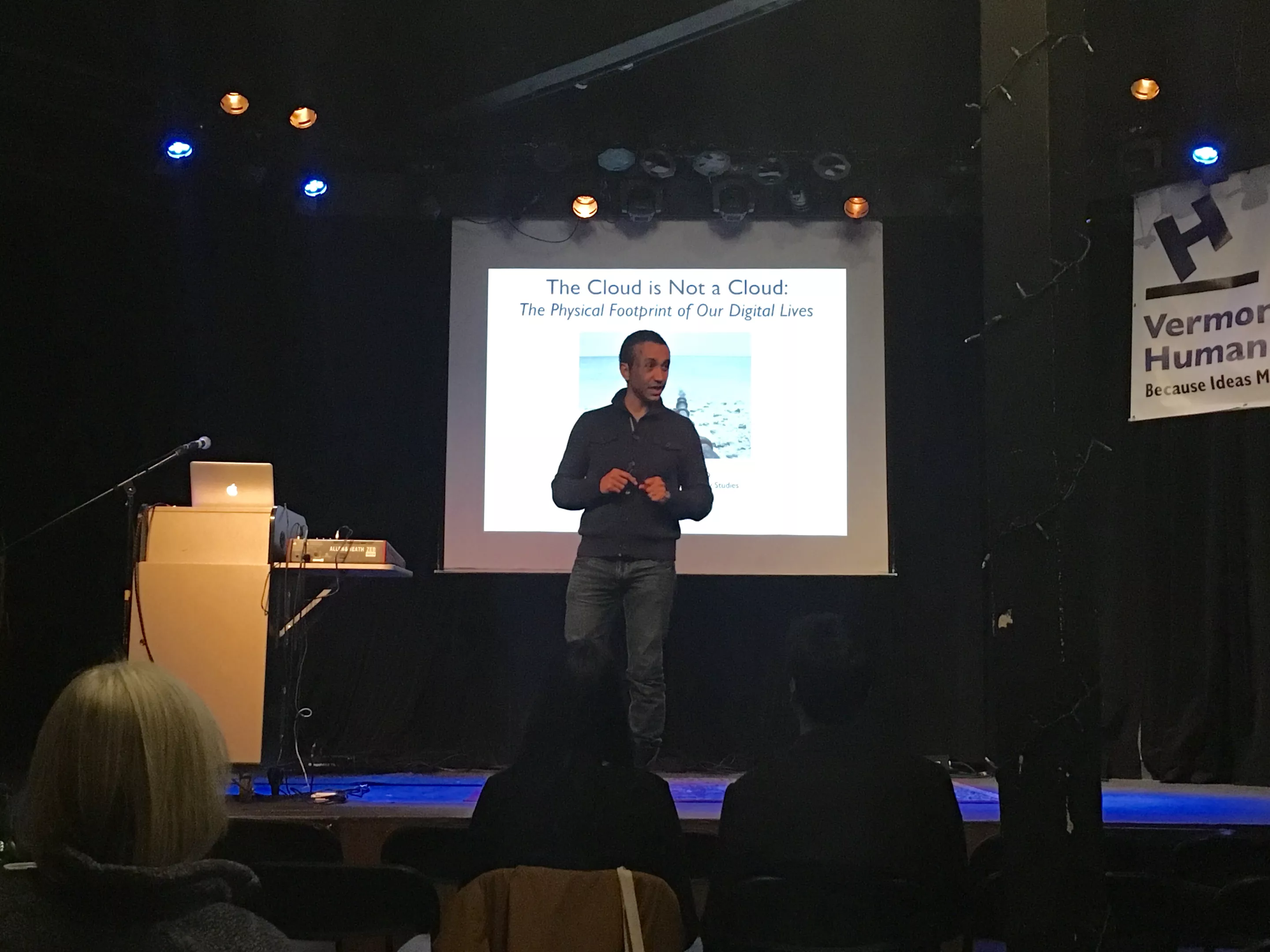
Murphy was the first speaker in the fall season of the Vermont Humanities Council's Ideas on Tap series, which started in spring 2015. VHC collaborates with the Humanities Center at the University of Vermont to produce the events. The aim is to deepen conversations about the environment, society or history, pairing a scholarly lens with good food and beer. Not to mention, it's free.
Tags: Brian Murphy , Vermont Humanities Council , ArtsRiot , Ideas on Tap , Champlain College , the cloud , Image , Web Only
Monday, October 17, 2016

His presentation, titled "Disrupting Everything: How Biological Technology Will Fuel the Sustainable Revolution," is on the fourth floor of the Davis Center at 4 p.m. Its sponsors are UVM's Community Development and Applied Economics, the Energy Alternatives class, and Vermont Businesses for Social Responsibility.
The furniture joins Ecovative's existing line of biodegradable packaging materials, which are used by corporate giants including Dell and Crate & Barrel, as well as smaller folks such as Rich Brilliant Willing, a lighting designer and manufacturer. Those molded items, Bayer says, are incredibly lightweight. They're also a heck of a lot better for the planet than Styrofoam, or polystyrene, which takes hundreds of years to decompose. Not to mention it's a carcinogen.
Tags: Mushrooms , Design , Art , Furniture , Image , Video , Web Only
Thursday, October 13, 2016
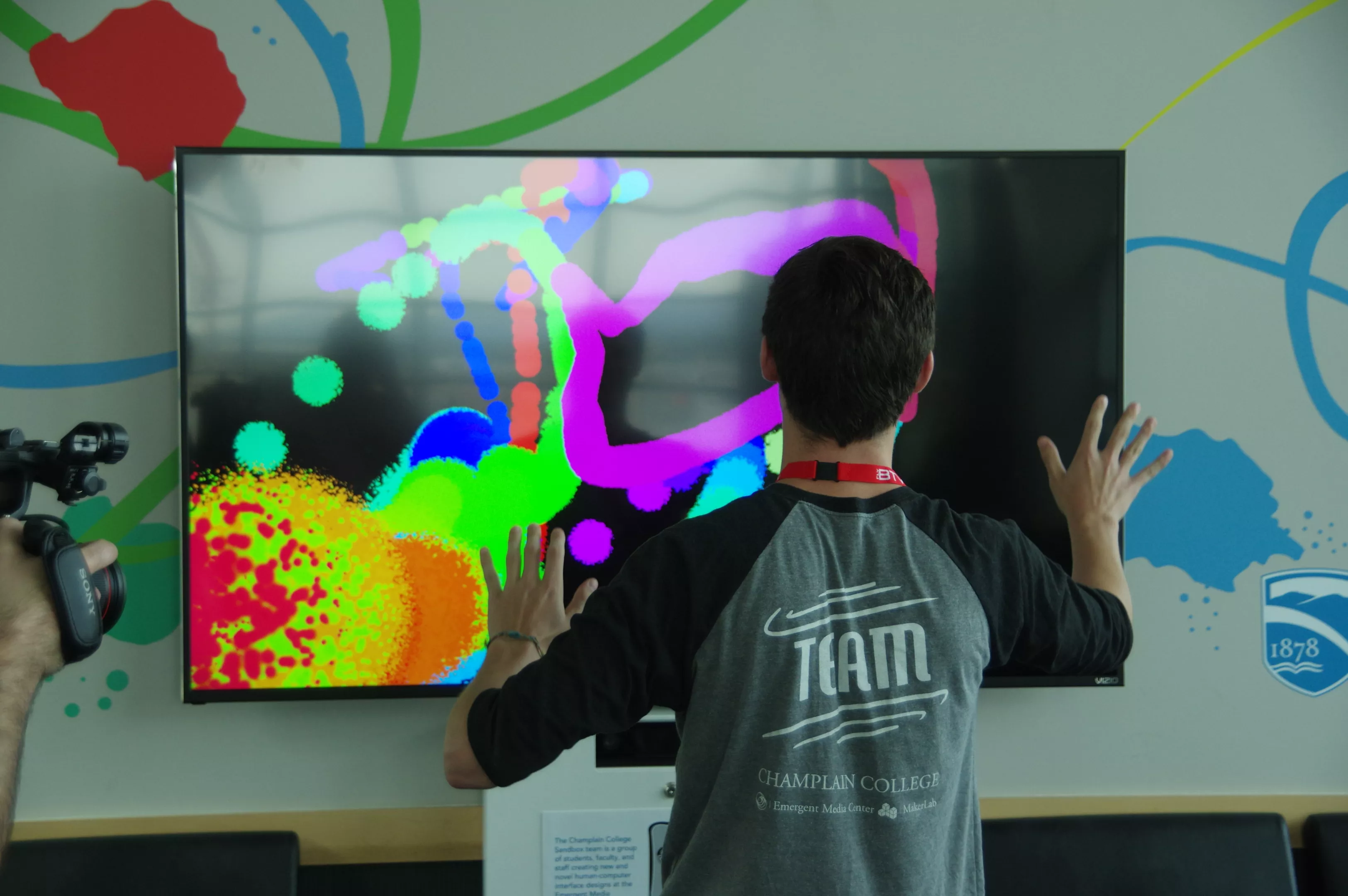
In game programmer James Keats' words, "Flight" lets passengers and passersby do that thing that we all do as little kids: "pretend to be a plane." Adapted from a Microsoft Xbox 360 Kinect, the experience uses skeletal tracking technology — motion detectors — to let viewers standing in front of the screen "become" the plane/pilot and control its gentle, ever-forward trajectory through their own movement.
Wednesday, July 13, 2016
The smartphone augmented-reality game, released last week, uses the phone's GPS to show players a map of their real-world surroundings — with the Pokémon world layered on top. Landmarks and local businesses become "Pokéstops" where nearby players can check in to collect items, or virtual "gyms," where players can train their Pokémon. While walking around in the real world, players may encounter Pokemon, which appear on screen and can be captured using the phone's camera.
This combination of real and virtual reality is proving to be addictive — in less than a week, the game has reportedly been downloaded some 15 million times; its players now outnumber active daily Twitter users. Reports abound of Poképlayers across the country crashing cars, walking into things while staring at their screens and getting lured to PokeStops where they've been robbed.
In Burlington, local Poképlayers have headed to central locations to battle, collect items and socialize. Kids VT intern Andie Pinga found some of them wandering the Church Street Marketplace on Tuesday afternoon.
Elsewhere in Vermont, park rangers had some fun in the field:
The folks at My Little Cupcake spotted a Meowth in their ingredients:Trying #PokemonGO and admit it's pretty fun. Anyone finding any Pokemon on summits or in parks? #VT #Vermont pic.twitter.com/F1NsBxMzDm
— Vermont State Parks (@VTStateParks) July 12, 2016
The Vermont Secretary of State is hoping to lure gamers to the voting booth with the promise of Pokémon:
Rumor has it many #PokemonGO characters will be found in Vermont voting booths on Aug 9 and Nov 8. Be there. pic.twitter.com/Ff7GB47Kbc
— VT Sec. of State (@VermontSOS) July 13, 2016
And the organizers behind Vermont Comic Con have already added a Pokémon Go meet-up to their schedule of events in late August.
So is the app a fun diversion or have we reached the Poképocalypse? You decide — and please, don't walk into traffic while you're staring at your screens.
Tags: Pokémon Go , gaming , Burlington , Church Street , apps , technology , Image , Video , Web Only
Sunday, May 1, 2016
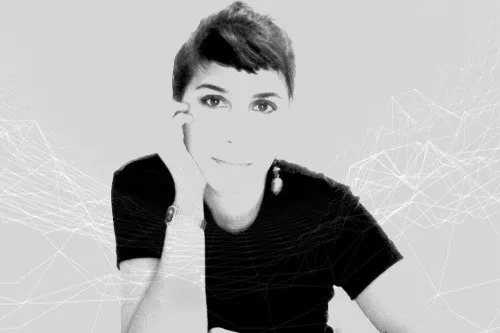
The Iranian-born artist and activist was the fifth speaker to participate in Generator's BIG Maker series. She was there to discuss her ongoing project "Material Speculation: ISIS," which, according to her website, "inspects petropolitical and poetic relationships between 3D printing, plastic, oil, technocapitalism and jihad."
Tags: Generator , art , Morehshin Allahyari , 3D printing , ISIS , Mosul Museum , Image , Video , Web Only