

Tuesday, July 14, 2020
The film:
Homemade (2020)
Where to see it:
Netflix
The deal:
Want to check out Maggie Gyllenhaal’s home in Vermont? Here’s your chance. Let’s be clear, though: Nosiness about the celebrity next door is not the best reason to watch Homemade, Netflix’s new collection of 17 short films created by filmmakers in quarantine. With offerings from celebrated directors around the world, all pitting their creativity against the restrictions of lockdown, this wildly diverse anthology has a lot more to recommend it than voyeurism.
Tags: Homemade , Maggie Gyllenhaal , Vermont , Paolo Sorrentino , Pablo Larrain , Rungano Nyoni , Ladj Ly , Rachel Morrison , short film , Web Only , Image
Tuesday, July 7, 2020

The film:
The Vast of Night (2019)
Where to see it:
Amazon Prime Video
The deal:
No need to adjust your television. If your HD picture is suddenly fuzzy black-and-white, that’s because it’s the 1950s and you’re watching “Paradox Theater,” an anthology of tales of the unexplained. This week: What caused the bizarre noise that rippled over the airwaves in the town of Cayuga, N.M., one dark night while everyone was in the high school gym cheering on the basketball team?
Well, almost everyone. That doesn’t include our main characters: Everett (Jake Horowitz), a hot-shot young radio DJ; and Fay (Sierra McCormick), a 16-year-old bobby-soxer/science enthusiast who works at the telephone switchboard. The story opens with Fay showing Everett her new prized possession: a portable cassette tape recorder.
Tags: The Vast of Night , The Twilight Zone , Twin Peaks , The Magnus Archives , Jake Horowitz , Sierra McCormick , Web Only , Image
Saturday, July 4, 2020
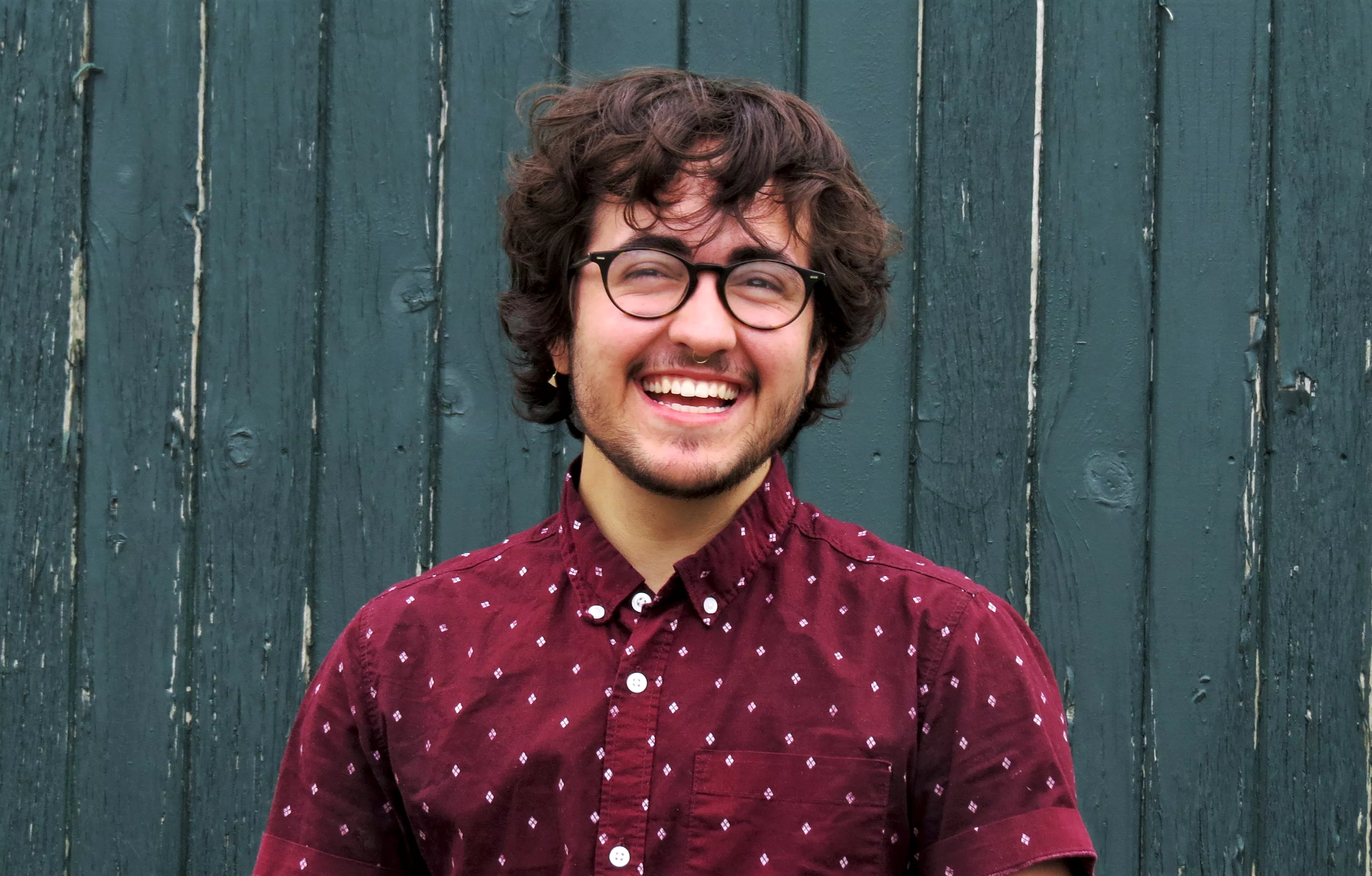
On a Monday night in early June, Alex Escaja was waiting his turn to speak in support of defunding the police during a Burlington City Council Zoom meeting when he got an email from GLAAD, a national organization that advocates for LGBTQ equality through the media. He had been selected as one of GLAAD’s “20 Under 20 Rising Stars,” a cohort that included gun control activist Emma Gonzalez and TLC reality show protagonist and trans spokesperson Jazz Jennings.
Seeing his name among so many queer youth icons was overwhelming: “I looked up to many of those people, so it was pretty disorienting and also incredibly exciting,” he said.
Escaja grew up in a trilingual household in South Burlington. He speaks Spanish with his mother, Tina Escaja, an artist and feminist scholar who teaches Spanish and directs the Gender, Sexuality and Women's Studies program at the University of Vermont; his father, scientist and entrepreneur Uwe Heiss, communicates with him in German. (When the whole family is together, said Escaja, Spanish prevails.)
At 20, Escaja already has an impressive résumé as an activist and filmmaker. From his first major accolade — at age 11, he won third place in NASA's Optimus Prime Spinoff Film Contest — to his leadership roles in Outright Vermont and LGBTQ student groups at UVM, Escaja has been finding ways to merge his artistic talents with his passion for advocacy.
Seven Days spoke with Escaja about how he got his start in filmmaking, queer representation in the media, and what Pride should look like in 2020.
SEVEN DAYS: I feel like everyone is sick of this question, but here goes: How has your quarantine experience been?
ALEX ESCAJA: It was pretty tough at the beginning. I was part of a study-abroad program in New York City — “abroad” being the city — in January, through the University of Vermont. I had an internship that was wonderful, and then, two months in, the pandemic hit. So I was stuck in the city and quarantined alone in a dorm room for about two months. Mentally, that was not very comfortable, and the city was kind of a scary place to be. It’s definitely a relief to be back in Vermont and to be close to nature and family and friends.
SD: Yikes. That sounds rough. How has the pandemic affected your plans?
AE: My original plan was to stay in the city over the summer, after my program ended. I was considering transferring schools — I’d been accepted into the NYU Tisch program for cinematic arts and I was really excited about that. But the pandemic certainly changed the course of things. NYU was going to be online, which I didn't find worth it, and going into film means, you know, working on films with other people. We obviously can’t do that, which kind of defeated the purpose. So I decided to come back to Vermont and stay at UVM, and I’m on the path to graduate a year early, in May 2021.
SD: How did you find your way into filmmaking?
AE: I went to Frederick H. Tuttle Middle School and they had a broadcasting club where students got to produce a news segment. That introduced me to the resources to start making media. Then, when I was 14, I watched a film that inspired me to become a filmmaker, called My Prairie Home, which really changed the way I perceived myself and influenced my process of self-discovery. I have a passion for advocacy and a love of the technicalities of filmmaking, and combining the two brings me joy. That’s what I want to dedicate my life to; watching that movie solidified that.
SD: What’s My Prairie Home about?
AE: It’s a low-budget, independent Canadian film about a nonbinary artist, Rae Spoon. I watched it on a plane, and it was the first time I ever saw a genderqueer experience on screen that was authentic and beautiful. I actually watched it twice on that flight, and I walked off the plane transformed.
SD: That feels very symbolic — you’re on a plane, the most liminal of spaces, and you see this movie, and then you disembark a different version of yourself.
AE: That’s very true. It didn’t give me all the answers; I didn’t walk off the plane knowing who I was, exactly, and in a lot of ways I’m still discovering myself. But at that age, I was starting to question my gender and my sexuality, and the film gave evidence that it was possible for me to live in a space that was different from what was assigned to me. And what was really powerful for me is that the film is about an artist who’s happy. They’re just a normal human being, with normal human experiences, and that felt radical for me.
SD: Totally. In so many movies about queer and nonbinary people, the focal point is their struggle to accept themselves or to gain the acceptance of others, to come into their personhood, in a sense. It’s rare to see those characters have conflicts that aren’t somehow connected to their sexuality or gender identity.
AE: There’s a lack of complexity in representations of queer people. I haven’t really seen a film, besides My Prairie Home, that depicts nonbinary experience in the same way. The representation of LGBTQ-plus people is often for audiences who aren’t LGBTQ. So the stories are distorted — if there’s a queer person onscreen, they’re often caricatures, or they exist to advance the plot of straight or cisgender characters.
Recently, there have been more sympathetic coming-out films, but, again, the focus is usually on the drama of coming out, and how that person is affecting the straight or cisgendered people around them: Their families are tortured, or they’re bullied and they have to overcome it. And while that is a realistic experience, it de-complexifies a person; it paints this picture of being queer as very difficult and painful.
SD: Looking Back at Me, your 2017 documentary, is about an 18-year-old nonbinary Vermonter, Sade. There’s a joyful, youthful exuberance to it, and you can sense this deep comfort and trust between the two of you, even though the viewer only sees Sade on screen. How did you two end up making that film?
AE: Sade and I both went to South Burlington High School, and I really wanted to make a film that talked about queer and nonbinary experience in a way that was educational for a wider audience and relatable for people who are actually queer and nonbinary. Sade had a YouTube channel, so I knew they were comfortable speaking to the public about queerness. So I reached out to them, and we got coffee, and immediately we became very good friends.
The film felt like a collaboration in a lot of ways. We were both young and figuring ourselves out — I, in particular, was figuring myself out — and I looked up to Sade.
I really appreciate my younger self for making that film. I was 17 years old, and I feel like part of the reason that film feels special to me is that you can tell that a 17- year-old is behind the camera and talking about their own community. That really makes a difference in filmmaking — if an outsider comes in, the gaze of the camera feels different, kind of voyeuristic.
It’s so important for people to tell their own stories. We need to have more LGBTQ people behind the screen, creating the stories and producing the films. That applies to any other marginalized group — the stories will be more powerful and, in many ways, they’ll inherently be better, because people will be talking about the real thing, their real experiences.
SD: Did you have queer role models growing up?
AE: I’m really grateful for Outright Vermont, which serves LGBTQ youth ages 22 and under. I attribute a lot of the self-confidence I’ve developed over the years to them. I have a very supportive and loving family, too, but in terms of finding community and representation, Outright is run by queer-identified individuals. They were the first queer adults I’d ever met in my life, and they taught me that it’s possible to have a thriving, happy future as a queer person. If it hadn’t been for that experience, I don’t think I would have been able to go back into the greater world with the same amount of security and comfort.
SD: Over the past few years, Pride has become an increasingly mainstream cultural event, and that acceptance is so good on so many levels. But there’s also been a lot of whitewashing of LGBTQ history, and among the many refrains of protestors in the past few weeks is “Black Trans Lives Matter.” It was a black trans woman, Marsha P. Johnson, who started the protests that grew into the LGBTQ movement. From your perspective, what would an authentic Pride “celebration” look like?
AE: Pride originated as a riot, led by black transgender women and people of color. It’s really amazing that we’ve reached a point where we can celebrate openly, but there’s also something that feels wrong about that — because in a lot of ways, we haven’t achieved liberation.
Racism and xenophobia are prevalent within the LGBTQ community, and if you observe a lot of Pride celebrations in large cities, it’s often the cisgender white gay men who are doing most of the celebrating. I think it’s great that we’re revisiting the roots and starting to critique some of the issues in our community. We need to focus on how we can be anti-racist in the LGBTQ community. I don’t feel like we can celebrate, in the way that we have been, until we’ve secured liberation for everyone.
Tags: LGBTQ , nonbinary , genderqueer , Alex Escaja , GLAAD , Outright Vermont , filmmaking , Web Only , Image
Monday, June 29, 2020
The series:
“Curon” (2020)
Where to see it:
Netflix
The deal:
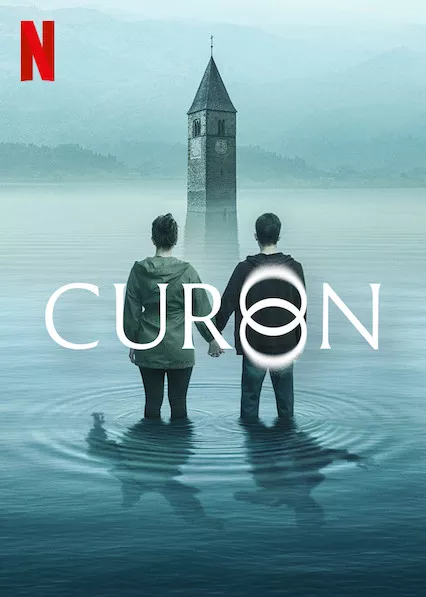
The top of a bell tower pokes bizarrely from a lake in Curon, Italy, part of a village that was drowned beneath the sparkling waves. The tower’s bells have been removed, but sometimes, locals say, people still hear them ring. Then bad things happen.
Something bad happened to Anna (Valeria Bilello) when she was a teen — a nightmarish experience that ended with her mother dead. Now an older Anna returns from Milan to the hotel her father owns in Curon, fleeing an abusive husband with her teenage twins, Daria (Margherita Morchio) and Mauro (Federico Russo).
Tags: Curon , Dark , Black Spot , The Returned , Les Revenants , Netflix , Twin Peaks , Web Only , Video , Image
Monday, June 22, 2020
The movie:
Fast Color (2018)
Where to see it:
Amazon Prime Video, Hulu; rentable on iTunes.
The deal:
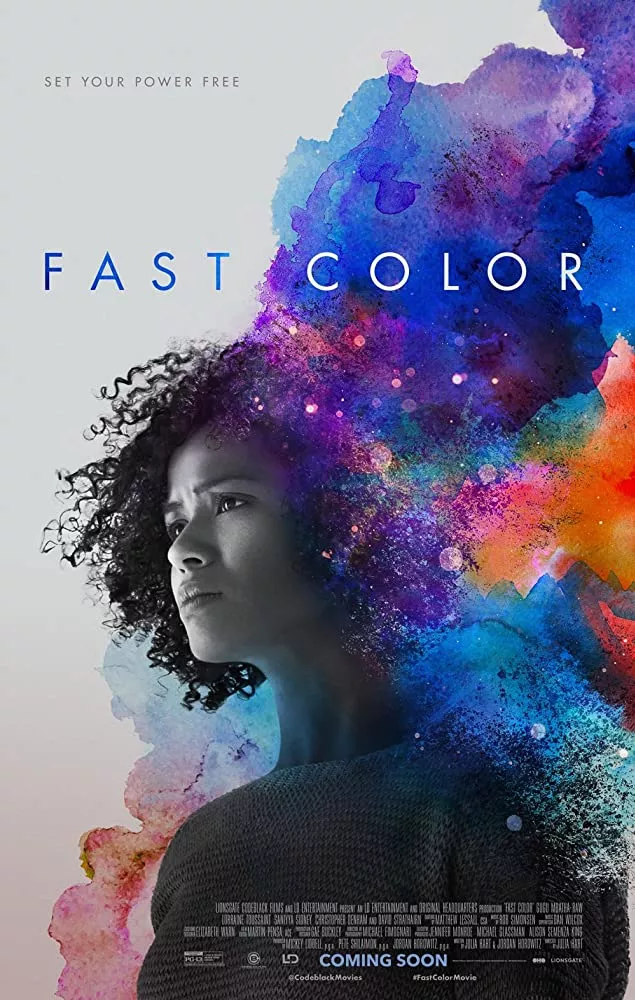
The future is here, and it’s parched. In the world of Fast Color, rain hasn’t fallen for eight years, water is strictly rationed, and grocery-store shelves are sparsely stocked.
But Ruth (Gugu Mbatha-Raw) has bigger problems to worry about: We meet her fleeing from a warehouse with rope burns on her wrists. As she drives across the wasted landscape, we soon learn who imprisoned her and why: Ruth has seizures that can cause earthquakes, opening new seismic faults. Hunted by government agents, she’s continually being betrayed by a power she can’t control.
Out of options, Ruth eventually makes her way to her childhood home, an isolated farmstead where her mother, Bo (Lorraine Toussaint), welcomes her with misgivings. Bo has devoted herself to providing a safe haven for preteen Lila (Saniyya Sidney), the daughter whom Ruth abandoned in her infancy.
Tags: Fast Color , Julia Hart , Gugu Mbatha-Raw , Web Only , Image
Monday, June 15, 2020

The movie:
Shirley (2020)
Where to see it:
Hulu; rentable on various services; and at VTIFF Virtual Cinema.
The deal:
At midcentury, Rose Nemser (Odessa Young) accompanies her professor husband (Logan Lerman) to Bennington College, where he’s secured a job. The young couple boards with older prof Stanley Hyman (Michael Stuhlbarg) and his wife, Shirley Jackson (Elisabeth Moss), who recently became a literary celebrity for her dark short story “The Lottery.”
At Stanley’s urging, pregnant Rose takes over the domestic tasks of the household for Shirley, who is depressive, borderline-agoraphobic and struggling with her next novel. Meanwhile, Stanley enjoys his pick of a “harem” of adoring female students. Shirley knows he’s unfaithful, and wicked barbs fly between the pair.
Tags: Shirley Jackson , Elisabeth Moss , Bennington College , Michael Stuhlbarg , Josephine Decker , Susan Scarf Merrell , Web Only , Image , Video
Monday, June 8, 2020

The movie:
Blindspotting (2018)
Where to see it:
HBO Max, HBO Go; rentable on other services.
The deal:
In this explosive indie film from first-time feature director Carlos López Estrada, Daveed Diggs (Tony Award winner for Hamilton) and Rafael Casal play Collin and Miles, best friends who grew up together in Oakland, Calif. They work for a moving company, reluctantly facilitating the influx of affluent hipsters who are reshaping their beloved city. Together they banter, talk shit and freestyle about their frustrations.
But sometimes their concerns diverge. Collin is black; Miles is white. Collin is a convicted felon who is determined to stay out of trouble for the last three days of his year of probation. Miles is a fast-talking hothead who sometimes carries a gun.
Tags: Blindspotting , Daveed Diggs , Rafael Casal , Carlos Lopez Estrada , Web Only , Image
Monday, June 1, 2020

The movie:
The Half of It (2020)
Where to see it:
Netflix
The deal:
Edmond Rostand’s Cyrano de Bergerac offers an irresistible template for romantic comedies. What if the wordsmith who’s been hired to help a tongue-tied oaf win the girl of his dreams … is also in love with her?
An award winner at the Tribeca Film Festival, this fresh-faced update from writer-director Alice Wu is set in rural Washington. Ellie Chu (Leah Lewis) is a bright, lonely teen who helps support her widowed dad (Collin Chou) by selling term papers to the popular kids. When football player Paul Munsky (Daniel Diemer) asks her to write a letter to Aster Flores (Alexxis Lemire), who’s dating one of his teammates, Ellie initially refuses because she has a crush on Aster herself.
Tags: The Half of It , Alice Wu , Saving Face , Never Have I Ever , The Miseducation of Cameron Post , Web Only , Image
Monday, May 25, 2020
The movie:
The Wolf House (La Casa Lobo) (2018; released in the U.S. 2020)
Where to see it:
Currently available for rent on the Vermont International Film Foundation’s Virtual Cinema platform.
The deal:
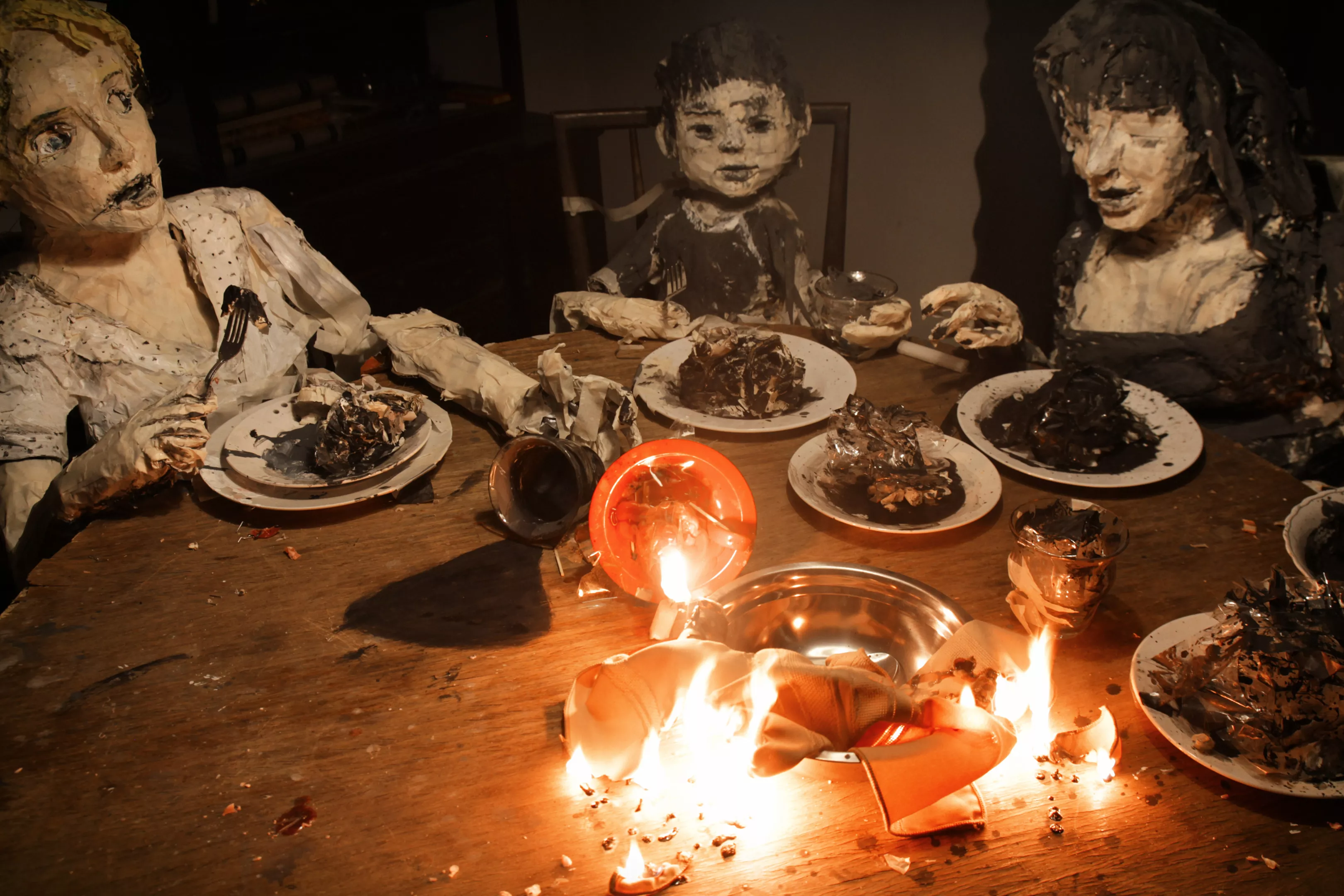
This 73-minute stop-motion animation took Chilean artists Cristóbal León and Joaquín Cociña five years to create. It’s immediately clear why — every second is mesmerizing.
Tags: The Wolf House , La Casa Lobo , Vermont International Film Foundation , Cristóbal León , Joaquín Cociña , Web Only , Image
Monday, May 18, 2020

The series:
“Normal People” (Season 1, 12 episodes, 2020)
Where to see it:
Hulu
The deal:
Based on the best-selling 2018 novel by Sally Rooney, “Normal People” follows the evolving relationship between Marianne (Daisy Edgar-Jones) and Connell (Paul Mescal), who grew up in the same town in Ireland’s County Sligo. We meet them as high schoolers: Both are intellectual achievers, but Connell is a beloved athlete and Marianne a pariah. Social class separates them, too: Connell’s mom (Sarah Greene) cleans the mansion where Marianne’s mom (Aislín McGuckin) presides.
Tags: Normal People , Sally Rooney , Hulu , Sarah Clarke , Daisy Edgar-Jones , Paul Mescal , Web Only , Image , Video