

Saturday, March 19, 2016

The Everson may not catapult DJ Hellerman as it did Pei, but taking a job there as curator of art and programs is a certain step up the career ladder for the BCA Center chief curator and director of exhibitions.
Burlington City Arts executive director Doreen Kraft revealed in a newsletter this week that Hellerman would be leaving in April. He's been with BCA since July 2012.
Tags: curator , Everson Museum , Syracuse , Image , Web Only
Superstar is famous for two things. It was effectively banned by a court order (about which more below), and it uses Barbie dolls as its main “actors.” The dolls are not animated, but are operated, with deliberate crudeness, as puppets, manipulated by unseen hands in real time as the camera rolls.
Tags: what i'm watching , film , movie , superstar , superstar the karen carpenter story , carpenters , music , soft rock , todd haynes , banned , copyright , youtube , Video , Web Only
Sunday, March 6, 2016

It's a new move for BCA, which has been criticized for exhibiting out-of-state contemporary artists at its Church Street gallery. (Though it's noteworthy that half of the artists in current ceramic exhibit "Dysfunction" are based in Vermont.)
For this pilot year, $35,000 has been allocated for the Burlington City Arts Community Fund. The BCA board raised $15,000, and the City of Burlington contributed $20,000. Both are outside of BCA's annual operating budget.
Tags: Burlington City Arts , art , arts funding , grants , Image , Web Only
Friday, March 4, 2016
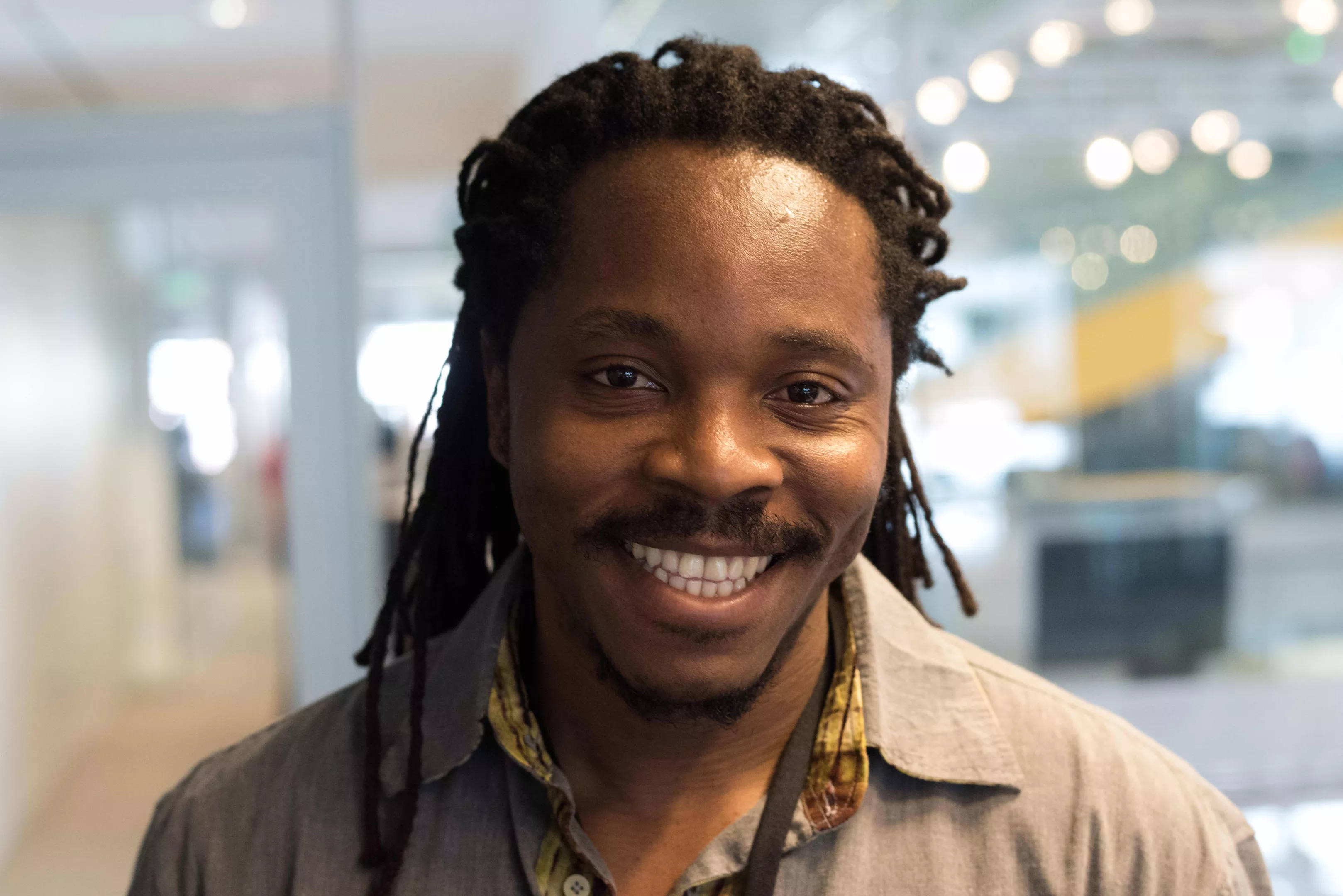
That's one reason Sengeh devoted his graduate career to solving a globally applicable problem: the fact that most prosthetic sockets, where the limb attaches to the prosthetic, are incredibly uncomfortable. Last night at Champlain College, as part of Generator's ongoing BIG Maker series, Sengeh spoke about his work in that area.
Tags: David Sengeh , Generator , BIG Maker , Champlain College , biomechatronic engineering , prosthetics , Image , Video , Web Only
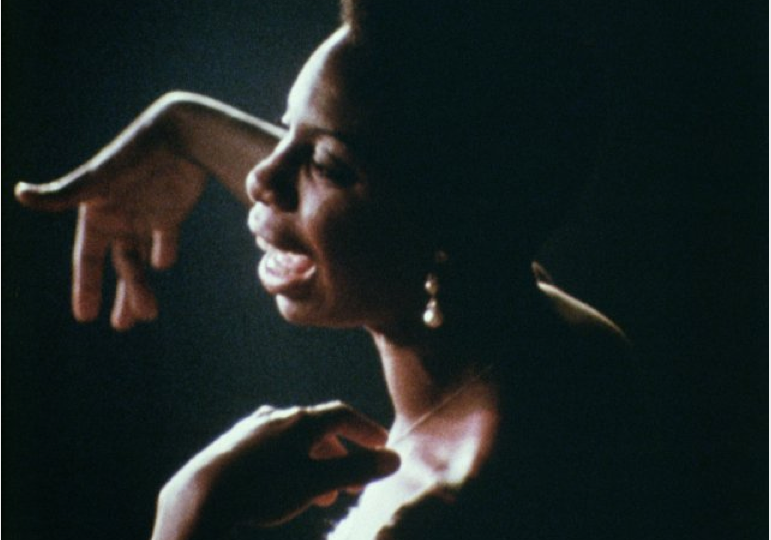
Perhaps that has changed in the past week. The trailer for the forthcoming Nina biopic —starring Zoe Saldana with dark makeup and a prosthetic nose — is now making the internet rounds, drawing strong reactions on Twitter and elsewhere.
It was that flap that made me realize it was time to correct my own ignorance about Simone. Fact is, almost all I knew about her came from references in movies. For me, Simone was the chain-smoking diva Julie Delpy imitates at the end of Before Sunset, or the source of the song that Gugu Mbatha-Raw performs unforgettably in Beyond the Lights.
Tags: what happened , miss simone , liz garbus , nina simone , amy , oscars , film , movie , Movies you missed , Image , Web Only
Thursday, March 3, 2016
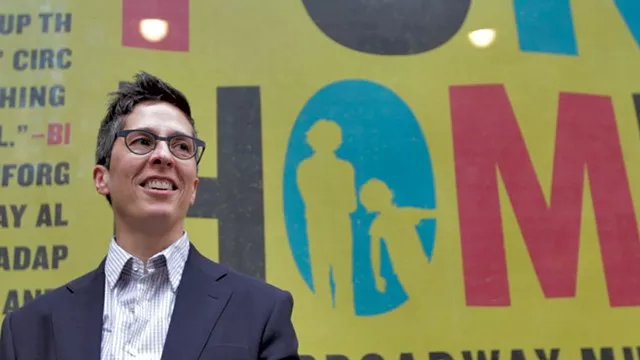
Today, a Reuters story (as reported on joemygod.com) heaps more accolades on Fun Home from an unexpected source: U.S. ambassador to the United Nations Samantha Power. According to the story, Power took 15 fellow ambassadors from countries around the world to see the Broadway show as part of an effort to promote LGBT rights. She told Reuters that the lesbian coming-of-age story "brings home the challenges that LGBTI are facing every day around the world."
Tags: Alison Bechdel , Fun Home , Broadway musical , United Nations , LGBT , Image , Web Only
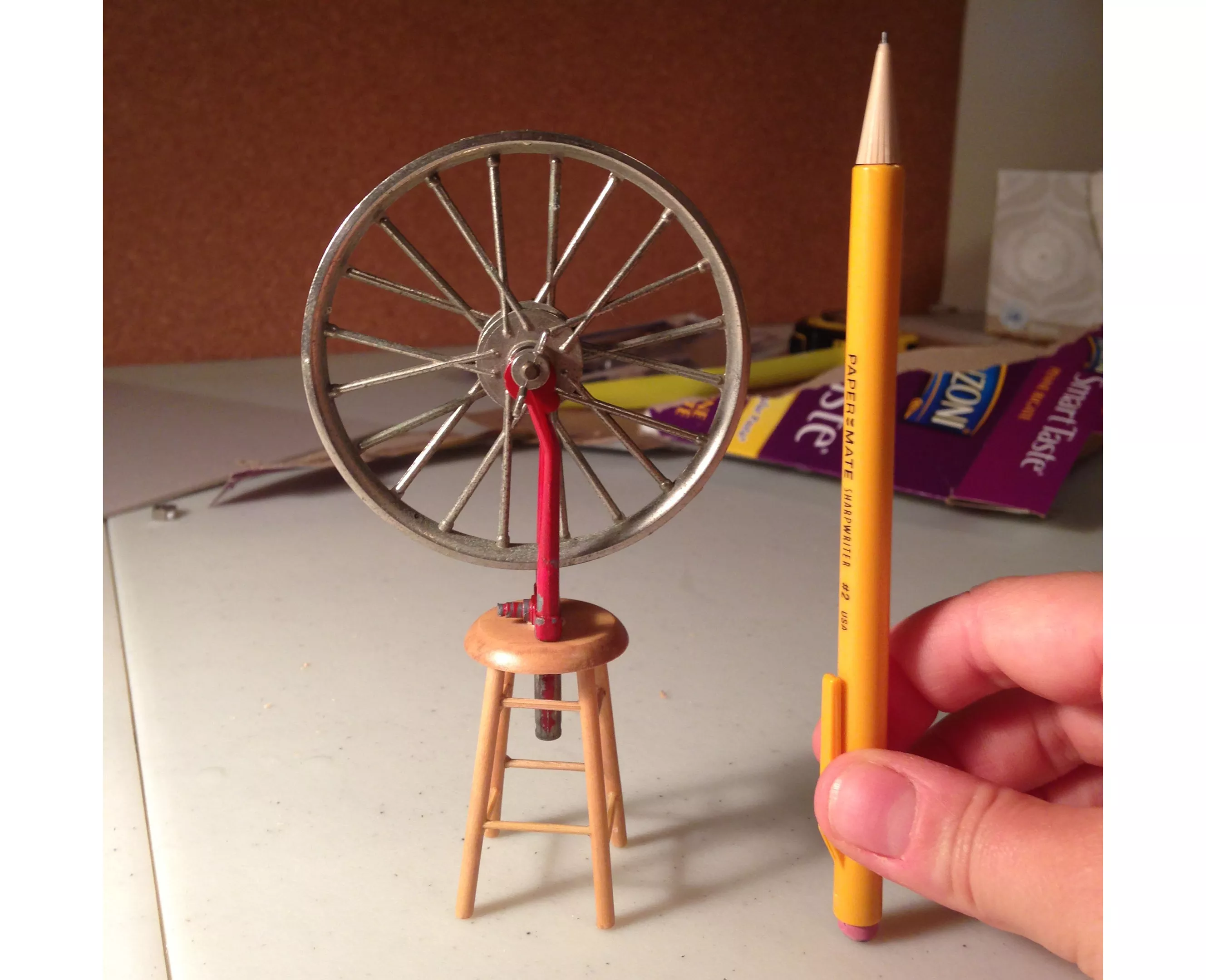
Rosen related this early memory to a small but invested audience during her March 2 lunchtime lecture, "Small Worlds: Miniatures From the Fleming Collection."
Tags: special collections , artifacts , miniatures , Image , Web Only
Wednesday, March 2, 2016
You'll recognize several of the singers from a video some of his very talented constituents released in January. Vermont musicians Dwight Richter, Nicole Nelson, Kat Wright and Brett Hughes belted the gospel-inspired, acoustic arrangement, joined by Sanders staffer Paul Stovall (who earlier performed the national anthem) and Folds on piano. Wife Jane O'Meara Sanders, son Levi Sanders and a collection of grandchildren also joined the candidate onstage.
Without further ado, here's the video:
- Video by James Buck
Tags: Senator , Bernie Sanders , presidential campaign , campaign trail , Image , Video , Recommended Reading , Web Only