

Friday, December 12, 2014
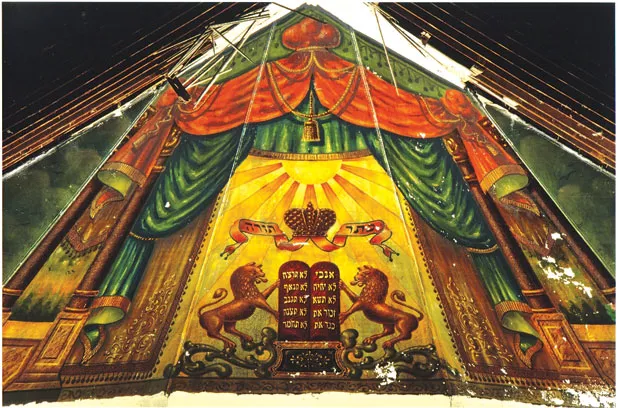
The Lost Shul Mural, which was nearly lost beneath layers of paint and decay in an apartment building in the city's Old North End, will be made available for public viewing for just two afternoons: 1-3 p.m. on Sunday, December 14, and Sunday, December 21.
After these viewing opportunities at 105 Hyde Street, the mural will undergo extensive restoration and relocation to nearby Ohavi Zedek Synagogue on North Prospect Street.
The Lost Shul Mural, which dates from 1910, occupies a unique historical intersection of religious, state and neighborhood history. The campaign to raise funds for its restoration are still ongoing. When the project is complete, Burlington will have reclaimed a fragment from its history that was nearly lost forever.
Correction 12/13/14: The viewings are on Sundays, not Saturdays as originally stated.
Tags: mural , lost shul , synagogue , ohavi zedek , art , burlington , old north end , restoration , Image , Web Only
Thursday, December 11, 2014

Winter Tales has been an audience favorite since it launched a decade ago, says VSC producing artistic director Cristina Alicea. "It was wildly popular the first year, and just one of the things that consistently draws in our audience," she says. New stories are performed each year, and no two shows have been the same.
The 2014 edition of Winter Tales includes stories written by state Sen. Philip Baruth; D.C.-based journalist Lauren Ober (formerly a staff writer at Seven Days); and Vermont authors Chris Bohjalian and Stephen Kiernan. Poetry by participants in Vermont's Young Writers Project is interspersed throughout the performance.
This year's audience has something extra to anticipate: In celebration of the show's 10th anniversary, VSC is publishing a limited-edition anthology of favorite stories from past years. Titled Ten Years of Winter Tales and edited by Alicea, the book includes stories by Baruth, Kiernan, Kathryn Blume and others — plus a forward by former VSC director Mark Nash, who first conceived of Winter Tales in 2004.
Tags: vermont stage company , flynnspace , flynn center for the performing arts , holidays , performing arts , winter tales , books , storytelling , Image , Web Only
Monday, December 8, 2014
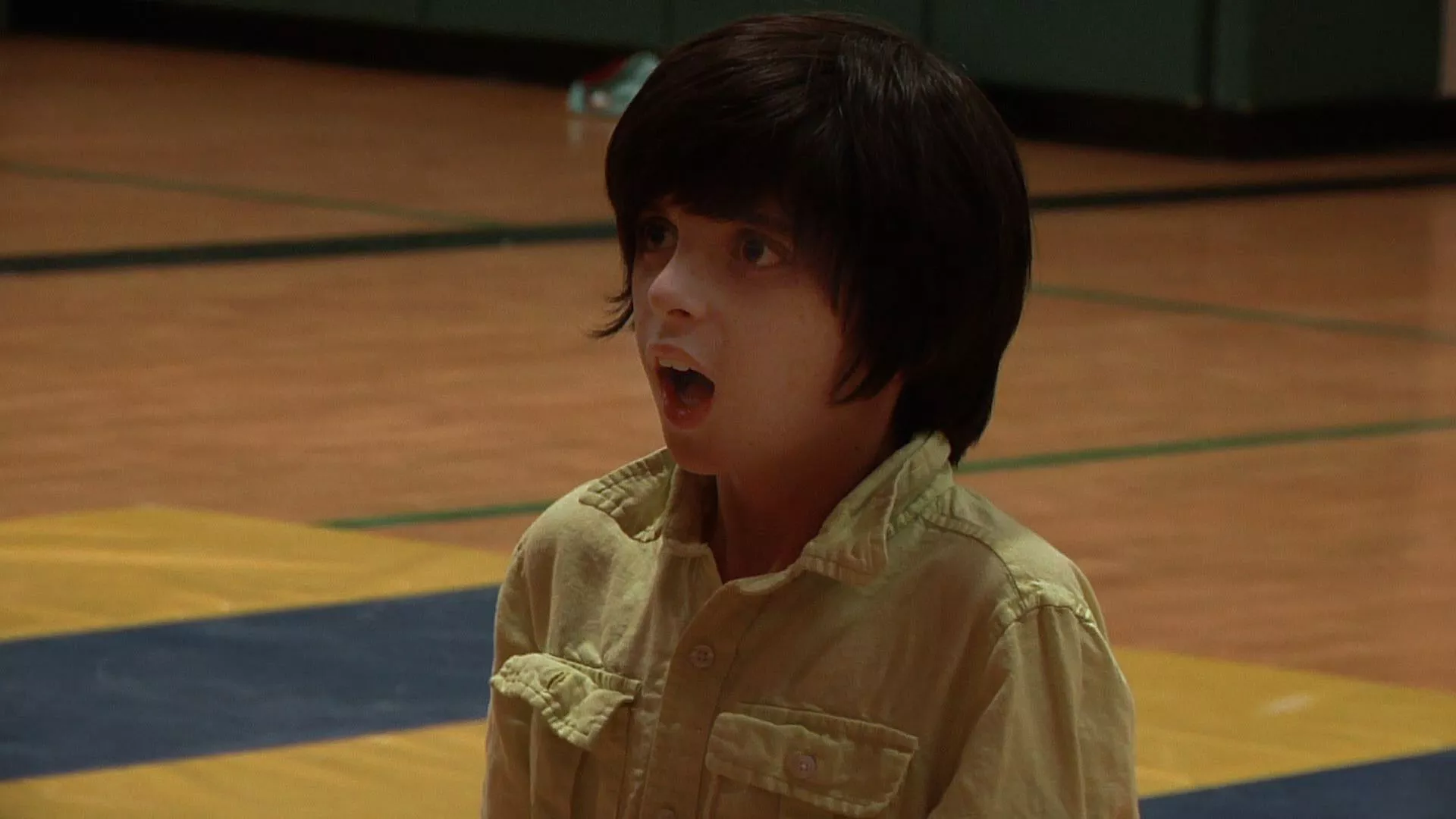
Last month, Seven Days multimedia producer Eva Sollberger followed Oscar from a Burlington hair salon to Mary Hogan Elementary School in Middlebury, where he was rehearsing for Oliver! The show, produced by Middlebury Community Players, ran at Town Hall Theater, and featured Oscar's dad, Tom, as the Artful Dodger. If you missed that episode of "Stuck in Vermont," you can watch it below or here.
Oh, and that New York City audition? Oscar nailed it!
According to today's Playbill, he has earned a part in the Broadway production of Fun Home. The musical, based on the coming-of-age graphic memoir by Vermont cartoonist Alison Bechdel, launched off-Broadway at New York's Public Theater in October 2013, and will open at Circle in the Square on March 27, 2015. The book and play follow the story of the lesbian artist's early life in a family-owned funeral home, and the tragic death of her closeted father. Jeanine Tesori and Lisa Kron wrote the musical.
Several actors who performed at the Public Theater have been tapped for the Broadway show, including Beth Malone and Sydney Lucas as grown and little Alison, respectively. Oscar's role is Christian, one of Alison's two brothers.
Congratulations to a young Vermont actor whose very name may portend his future. We'll be watching.
Tags: oscar williams , vermont actor , broadway , fun home , alison bechdel , circle in the square , musical , Image , Video , Web Only
Saturday, December 6, 2014
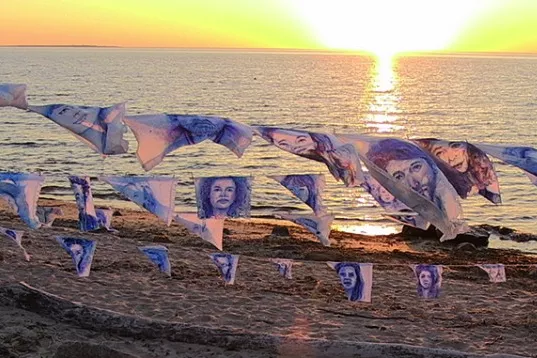
In practice, that means established artists from the "New York City/Chelsea art world" will come to the Green Mountain State, and organizers intend to rent a Chelsea gallery space for a monthlong show of Vermont contemporary artists, Clark hints.
"The primary goal is to build connections," she says. "We want visiting artists to meet a lot of [Vermont] artists and gallery curators and patrons, and we want that artist to go back to New York or wherever they came from and share our Vermont artists with their community."
Tags: art , one arts center , aubry roemer , the connect series , Burlington , Vermont , Image , Web Only
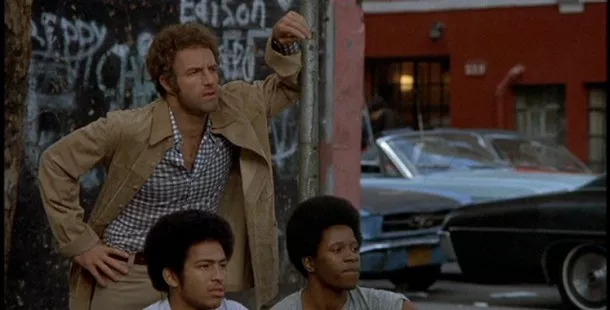
I suppose the imminent theatrical release is the reason Netflix "pushed" the original my way. (Not that I'm complaining. Point me to a 1970s James Caan film that I've never seen before, and I'll be first in line.)
In some ways, The Gambler is a curious choice for a remake. Not because the story (which concerns the slow self-debasement of a gambling addict) is irrelevant. Inasmuch as James Toback's original script was (sort of) adapted from the Dostoyevsky short story of the same name, the narrative is pretty close to timeless. But, to me, the 1974 version of The Gambler feels very much a product of a historical moment.
Not that I think the remake can't do justice to the original; every work of art should be taken on its own terms. But the 1974 Gambler is so strongly informed by several artistic and historical currents that I'm willing to wager the remake's main similarity to the first one will be its title. Which is fine — it's even intriguing.
Tags: film , movie , what i'm watching , the gambler , new hollywood , new american cinema , karel reisz , james caan , art cinema , hollywood , mark wahlberg , Image , Web Only
Friday, December 5, 2014
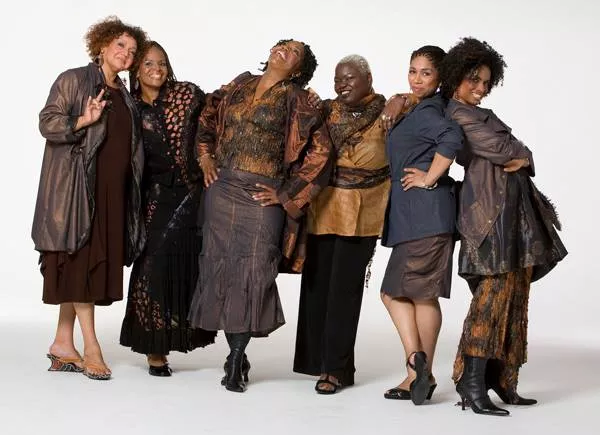
Tags: Sweet Honey in the Rock , concert review , Flynn MainStage , Flynn Center for the Performing Arts , Burlington , Image , Video , Web Only
Thursday, December 4, 2014
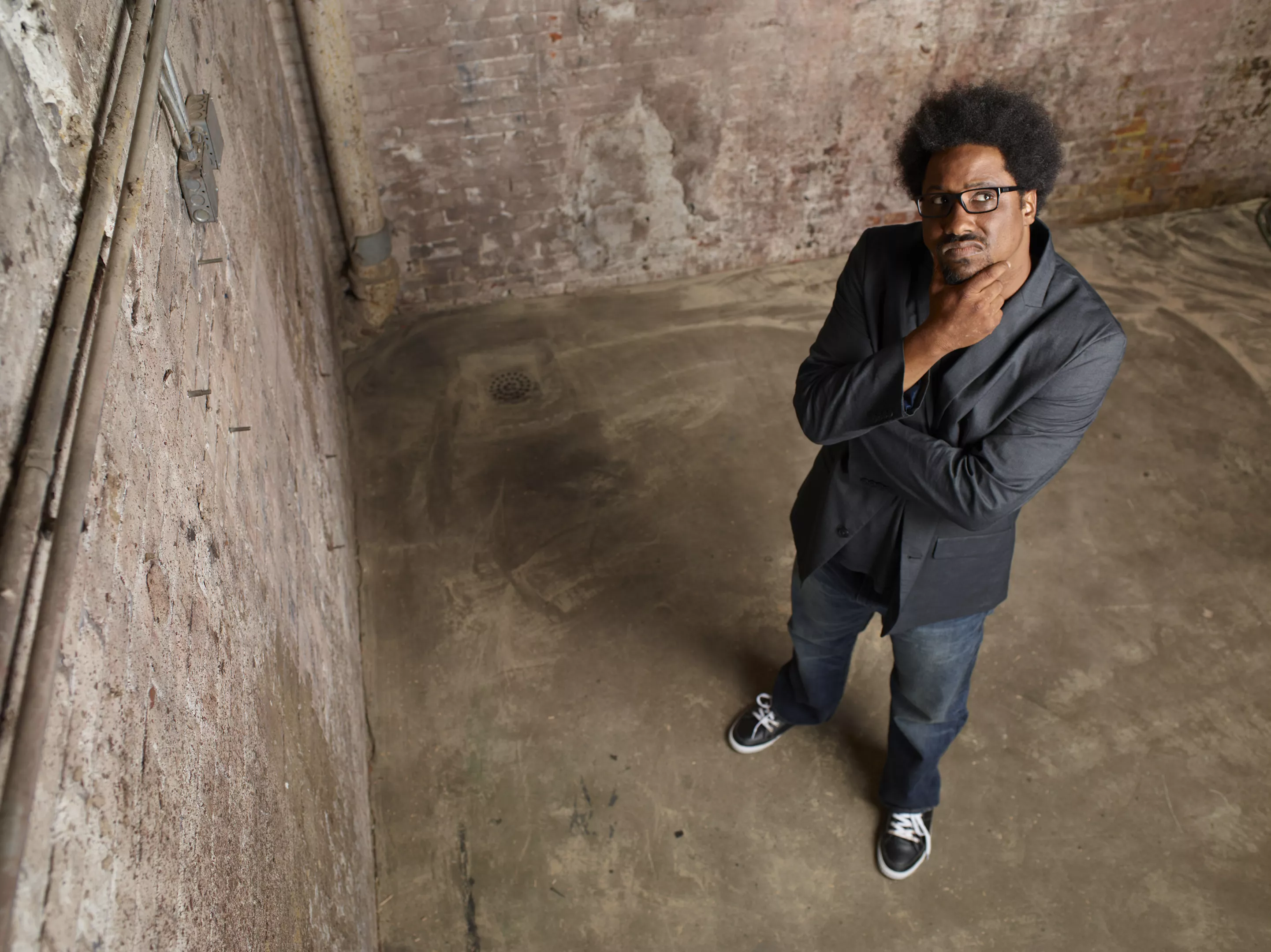
What happened next is a tragicomedy of errors that Bell details in a recent online piece for Vanity Fair. When he arrives at the bodega, Bell, like Brown a 6'4" black male, goes through a checklist that is likely standard operating procedure for many BBMs — per Bell's VF piece, that's short for Big Black Male. First, he drops the hood on his sweatshirt to appear less suspicious or threatening. He keeps his hands out of his pockets while he browses, only touching items he's certain he'll buy and keeping his palms visible, just like his mother taught him. When he's ready to check out he slowly, "gingerly" as he writes, places his items on the counter. Just as carefully, he reaches for his money. Then something goes wrong.
The elaborate parade of thoughts that marches through Bell's head at that moment — a series of imagined events that culminates with Bell being gunned down, ice cream sandwich in hand, by police — is absurd. So much so that it would almost be funny, except for the fact that the scenario that plays out in his mind contains elements of the shooting deaths of not only Brown, but several other BBMs recently. Though he's one of the country's bright, up-and-coming comedic stars, Bell's story is no joke. And it highlights the unique day-to-day reality of being a large black man in America in a way few of us who aren't large black men likely ever think about.
Bell is hailed as among the sharpest young sociopolitical comedians working today. He's perhaps best known as the host of the critically acclaimed but sadly short-lived late night FX talk show, "Totally Biased with W. Kamau Bell." But it's his standup act that has really set him apart. To wit, the New York Times called him "the most promising new talent in political comedy in many years."
On Thursday, December 4, Bell will bring his latest show, "The Oh Everything! Tour" to Club Metronome in Burlington. In advance of that performance Seven Days recently caught up with Bell by phone.
———-
SEVEN DAYS: The ACLU named you an Ambassador of Racial Justice. That's quite a grand title. What does it mean, exactly?
W. KAMAU BELL: You know, I'm still figuring it out. I'm just worried about messing it up. I think when you take a comedian and give them respectability, sometime comedians don't know how to handle when they're meant to be respectable — but we're not talking about Bill Cosby.
SD: Yeesh …
WKB: My thing is that I just keep doing what I do and if I do the wrong thing they'll take it away from me. They have a bunch of different ambassadors. Harry Belafonte is one them, and all Harry Belafonte has to do is continue to be Harry Belafonte. So I have to get better, faster, stronger.
SD: I imagined you swooping in wearing a mask and cape wherever racial injustice rears its ugly head.
WKB: Nope. I do it from onstage. I just wish it came with a badge so I could be walking down the street and randomly break up racism.
SD: I really appreciated what you wrote for Vanity Fair after the Darren Wilson grand jury verdict. Being a five-foot-eight white guy, it made me think about some things I probably don't think about as often as I should.
WKB: The thing that I'm trying to put out to the world is that we can argue all day long — and we are arguing all day long — about whether you think that was justified. I certainly don't think the killing of Michael Brown was justified. However, you can't, or at least shouldn't argue how people feel. You can't tell me I shouldn't feel this way or that there's not a reason to feel this way. And since that piece came out, a lot of BBMs — "Big Black Males," as I put in the piece — have come out saying, "Yeah, exactly."
I think we're finally coming to a place, for the most part, in places where adult discussions are happening, that women walk around in the world a lot of times feeling like they have to protect themselves from being a victim. And I feel like this is the flip-side of that. We haven't really talked about that. There is fear of black people of any size. But for black people over six feet tall who have some size and girth to them, as I do — I've got some dad weight on me — there's a way that I have to walk through the world, too, to try and limit the possibility that something bad will happen, even if I'm just going out for ice cream.
I sort of wrote that for the Vanity Fair audience. I don't need to tell black people that story. If that piece was in Essence magazine they'd be like, "Yes. I know." It was for people that that idea had never even crossed their mind before. And there are million different versions of that story. But this one literally happened the night of the grand jury decision. I was up and anxious and it was 12:30 and I needed to take a walk and that all happened. So the lingering feeling from that story I felt was inarguable. And if you do argue it, which many people have, then you … are … a … dick.
Tags: W. Kamau Bell , Ferguson , Michael Brown , Vermont Comedy Club , Vanity Fair , Image , Video , Web Only
Tuesday, December 2, 2014
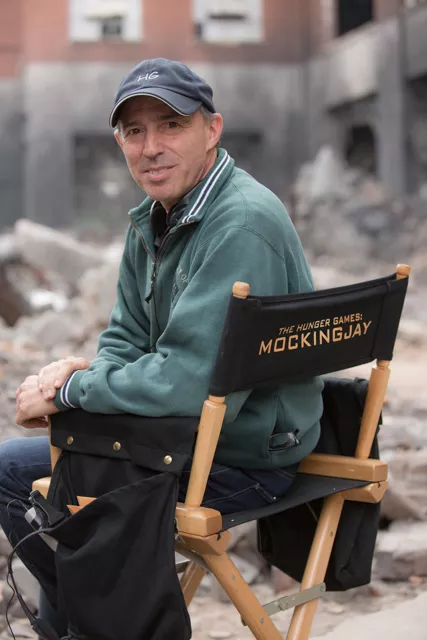
Today Kilik is taking time out to return to Burlington and talk with students in UVM’s Film and Television Studies program. He'll spend the day visiting classes, then host a campus screening that marks the Vermont premiere of Foxcatcher. Already out in major markets, the drama directed by Bennett Miller (Capote, Moneyball) won’t reach Vermont multiplexes until early next year. In a rave review, Kenneth Turan of the Los Angeles Times described it as “hold[ing] up a dark mirror to the American dream.”
Tags: alumni , film , foxcatcher , hunger games , jon kilik , mockingjay , University of Vermont , Image , Web Only
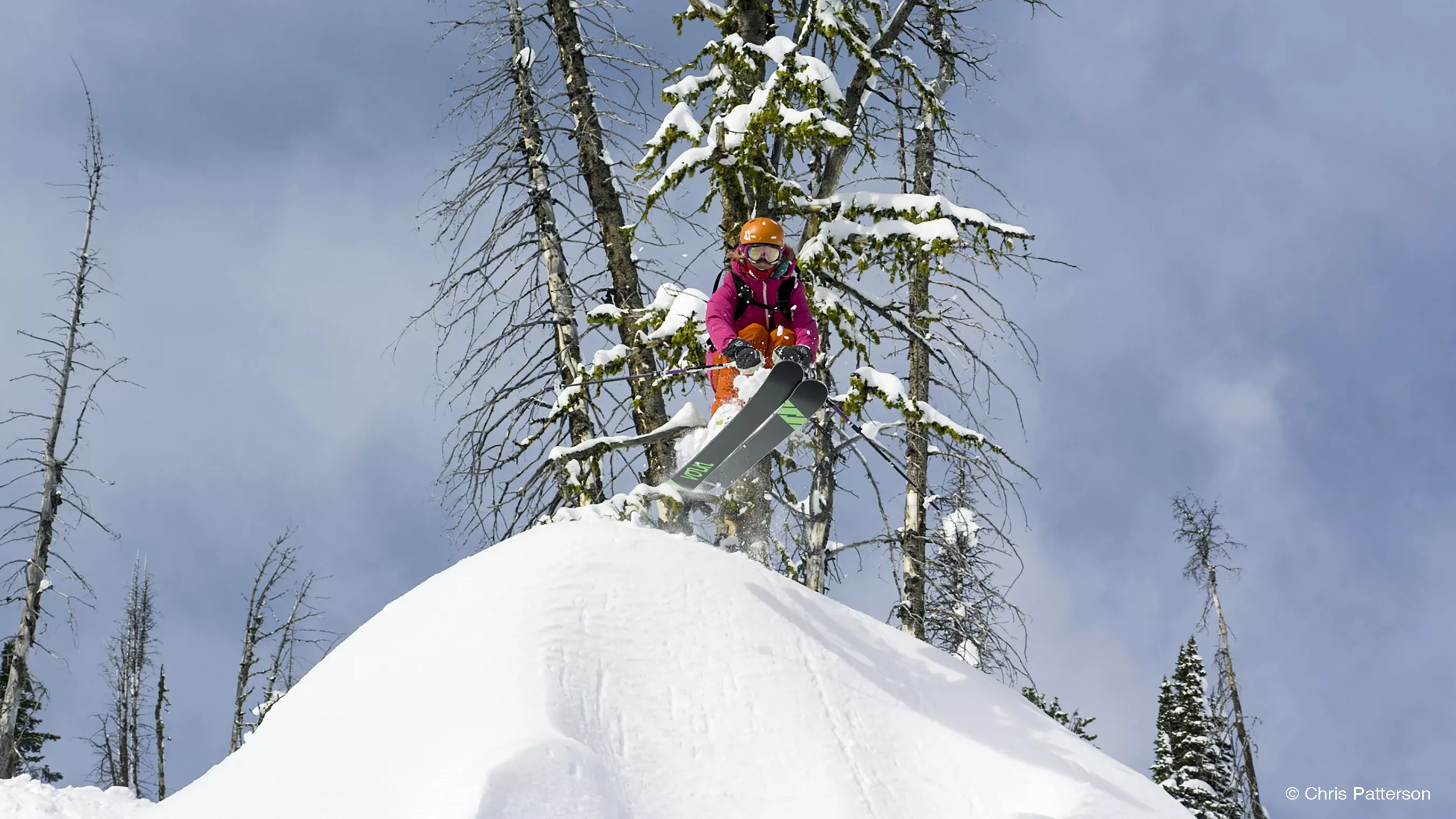
Depending on how you look at it, though, the film with the longest running time — as well as the longest-running film — may be the the decades-old Warren Miller "film." Miller, the grandfather of and most important figure in the history of skiing and snowboarding films, is now 90 years old and no longer takes an active role in making the globetrotting documentaries that bear his name. But that hasn't stopped his company from annually releasing The Warren Miller Film.
Though each entry has its own title, the company nevertheless refers to each constituent film as The Warren Miller Film — as if it's a single movie that's been continuously made and updated since 1950. And, in a sense, that's actually a pretty accurate description. All of the films that bear Miller's name are definitely of a piece: remarkable location shooting, serious snow-and-ice shredding and a voiceover that guides viewers through the film's arctic thrills.
Tags: film , movie , ski , warren miller , documentary , skiing , no turning back , Image , Web Only
Monday, December 1, 2014
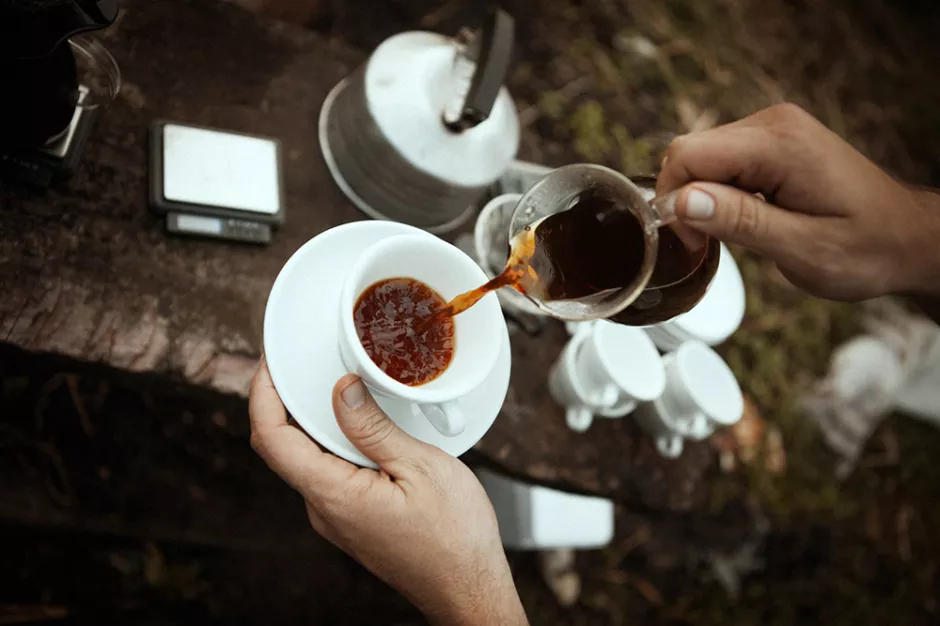
Maglianero is sponsoring, at Burlington's Main Street Landing Film House, a screening of A Film About Coffee, a 2014 documentary that follows the journey of a coffee bean from tree to cup. The film has played all over the world at festivals and independent cinema venues. Check out the trailer below.
Tags: film , movie , coffee , a film about coffee , maglianero , main street landing , burlington , food 4 farmers , Image , Video , Web Only