

Sunday, August 31, 2014
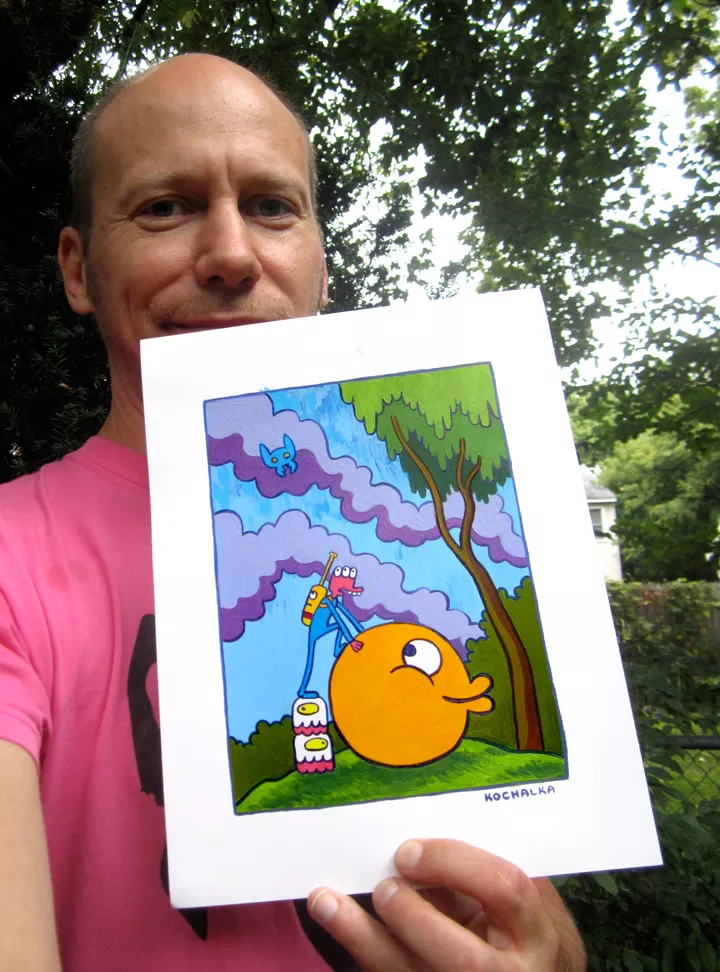
That's how Kochalka, and North Carolina-based game developer Pixeljam, which offers Glorkian Warrior at the App Store, aim to set the game apart from all the other games vying for attention on Labor Day weekend.
"Apple approached us and asked if we'd be willing to put our game on sale this week," says Kochalka, an Eisner-winning Burlington cartoonist who was Vermont's first official cartoonist laureate. "We knew we wanted to have a sale eventually, because that’s just the way the App Store works. Many people watch and wait and don’t buy until there’s a sale. But with the additional push from Apple, we knew we had to do it now."
Tags: james kochalka , glorkian warrior , iOS game , pixeljam , art contest , app store , cartoons , Image , Web Only
Saturday, August 30, 2014
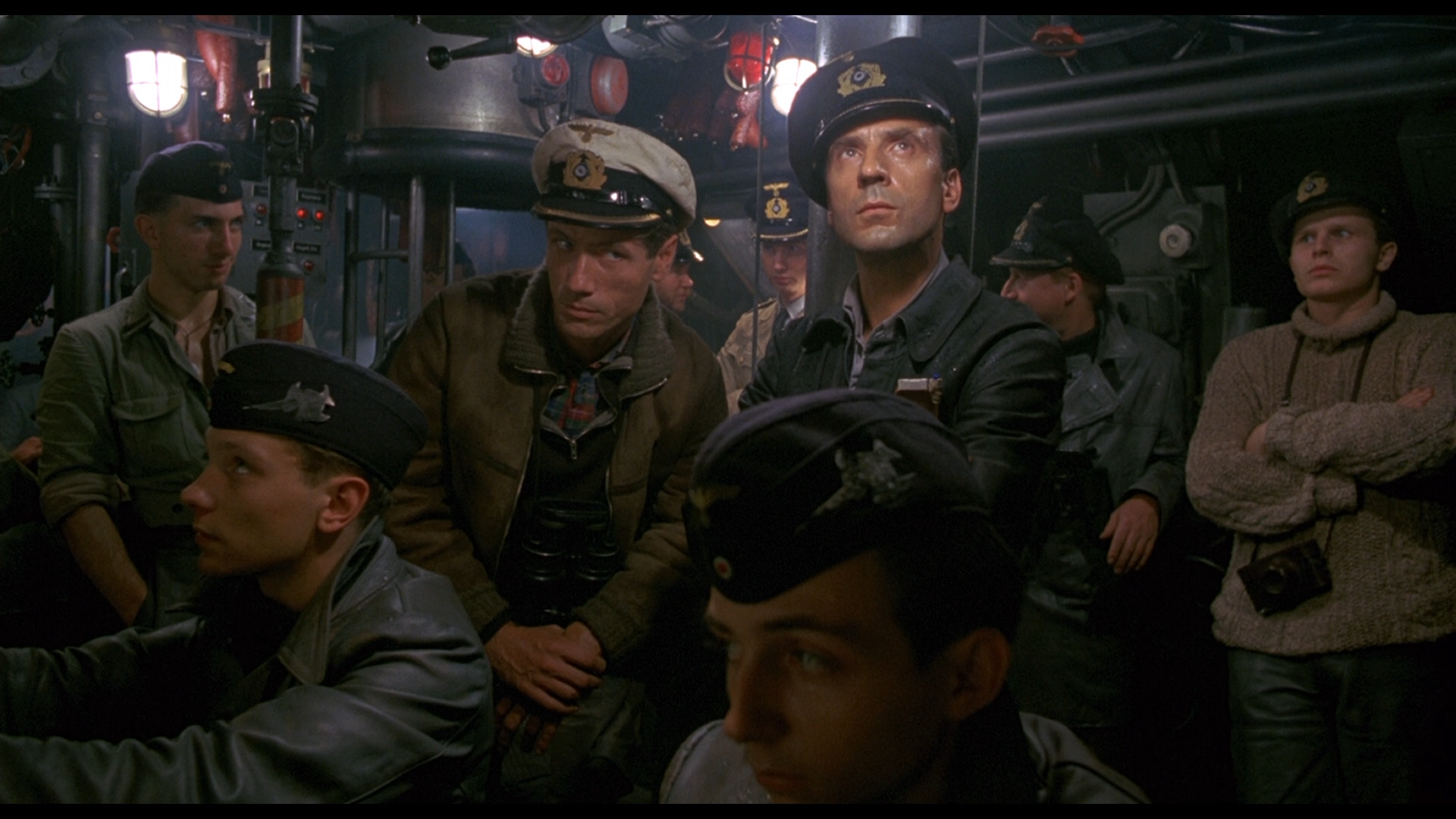
I recently rewatched another film that benefits from the same kinds of limits that Die Hard uses. Wolfgang Petersen's 1981 film Das Boot (The Boat) is set chiefly in a physical space far smaller than that of the many-storied Nakatomi Plaza: a submarine. I'm not saying anything new in remarking that the intensely claustrophobic atmosphere of this film is its most noteworthy attribute. But I was pleased at how intense the 30-year-old film remains 10 years after I saw it.
Not long ago, I happened to take a tour of a World War II-era submarine in Groton, Conn., that had been turned into a museum exhibit. After proceeding down the central hallway, I naïvely asked my stepfather, "OK, where's the door to the other hallway? I want to see the other side, too." Nope, he informed me: This was it. One underwater tube, one hallway, and unavoidable, intense claustrophobia. These are seriously confined vessels.
Tags: film , movies , what i'm watching , das boot , submarine , contrast , limitations , wolfgang petersen , die hard , nakatomi , cinematography , Image , Web Only
Friday, August 29, 2014
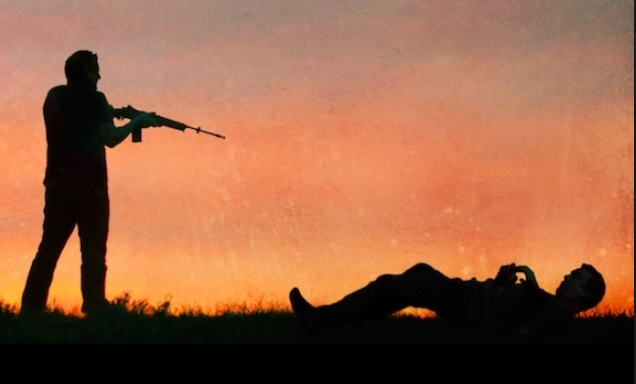
This week in movies you missed: They say revenge is a dish best served cold.
What happens when you warm up revenge in the microwave, accidentally drop it on the floor, scrape it up and serve it anyway?
Possibly something like the plot of this wonderful offbeat thriller from writer-director-DP Jeremy Saulnier, which recalls the early days of the Coen brothers.
What You Missed
Dwight (Macon Blair) lives out of his car, spending his days on the beach and his nights Dumpster diving at the fun fair.
Until a cop contacts him with news: Back home in Virginia, the man who killed Dwight's parents is about to be released from prison.
Dwight gets in his blue ruin of a Pontiac and heads home. He doesn't have a gun or money to buy one; he's not even sure how to use one. But he does have a knife. And a will to see his version of justice done.
Tags: blue ruin , jeremy saulnier , macon blair , Movies you missed , Image , Video , Web Only
Monday, August 25, 2014

The film was nominated for the 2013 AFI Festival Grand Jury Prize, and director Alex van Warmerdam won the Best Director award at last year's Athens International Film Festival.
The film's title character, Camiel Borgman, will perhaps remind American audiences of the Nick Nolte character from Paul Mazursky's 1986 comedy Down and Out in Beverly Hills, another cultural satire about an oddly compelling vagrant who insinuates himself into the lives of the well-to-do. (Die-hard cinephiles may recall, too, Jean Renoir's marvelous 1932 comedy Boudu Saved From Drowning, of which Down and Out in Beverly Hills is a remake.) These films may have similar stories, but Borgman has attracted much critical attention for its stylized mise-en-scène, as well — as evidenced by the striking composition above. And this film has a much darker edge.
Check out the trailer below for a sample of the film, which uses a fable-like structure to explore the nature of evil.
Tags: movie , film , borgman , vtiff , Alex van Warmerdam , Video , Image , Web Only
Saturday, August 23, 2014
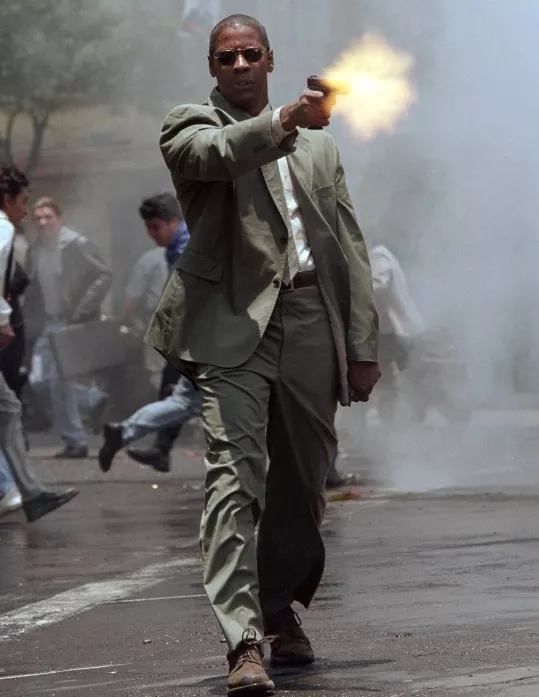
It seems to me that Tony Scott, especially in his final decade, did establish a signature style, and it's one I find appealing.
Something happened to Scott's directorial style between the late '90s and early 2000s. Though he'd been directing flashy, stylish films since the early '80s (The Hunger holds up quite nicely), his work became a little generic in the '90s. I'd never say a bad word about such films as Crimson Tide or True Romance, but I don't find them particularly distinguished, style-wise. Even less impressive are Scott's mid-'90s, run-of-the-mill thrillers such as The Fan and Enemy of the State.
Scott made six films with producer Jerry Bruckheimer: Top Gun (1986), Beverly Hills Cop II (1987), Days of Thunder (1990), Crimson Tide (1995), Enemy of the State (1998) and Déjà Vu (2006). Bruckheimer has a bad rep for privileging flash over substance, but I think his films and aesthetic are somewhat misunderstood. I don't blame him for these generally so-so films. It's just that, for whatever reason, Scott seems to have really come into his own shortly after his first five films with that influential producer.
Tags: movie , film , what I'm watching , man on fire , tony scott , visual style , visual overload , film style , denzel washington , Image , Video , Web Only
Friday, August 22, 2014

This week in movies you missed: These days it sometimes seems like every new movie release that isn't adapted from a comic book is adapted from a young adult novel. Last week it was The Giver, from Lois Lowry's classroom standard. This week it's If I Stay.
For this trend we can thank the success of Twilight, The Hunger Games and The Fault in Our Stars. But not every YA novel makes for a hit movie.
Case in point: Meg Rosoff's How I Live Now, a seeming response to 9/11 in the form of a coming-of-age story, won solid sales and prizes when it was published in 2004. Briefly released last fall, the movie version sank without a trace.
What happened?
Tags: Movies you missed , how i live now , meg rosoff , saoirse ronan , kevin macdonald , Image , Video , Web Only
Thursday, August 21, 2014

Let's just get this out of the way: Duluth, Minn., topped the list in Outside Magazine's annual March Madness-style voting tournament for "Best Towns Ever."
But two small Vermont cities — Burlington and Montpelier — also ranked pretty high on the list, which included 64 towns at the start of voting.
Burlington came in 7th, and Montpelier was 16th. And of course, Vermont and its towns and cities are often pretty well-represented on lists of accolades.
The criteria for making it into Outside's best-towns pool? "Access to adventure, healthy eating options, bike lanes and green spaces," according to the editors.
And aside from user-submitted votes, the finalists were also ranked according to a formula the magazine's editors refer to as the "O-score," which used data such as the "number of outfitters, miles of trails, and number of bike shops—plus considerations like unemployment rates, median incomes, and, yes, an editors’-choice variable" to rank each town's livability on a scale of 1 to 100. Burlington scored 83 and Montpelier got 74, in case you were curious.
After all that the winner was, well, Duluth. I've never been there, but it must be great, since 66,758 voters turned up at their computer screens to share how awesome it was in the final round of voting. "Our winner absolutely crushed every voting round," write the Outside editors.
Groovy. But we're sure that while those guys are busy patting themselves on the back, Burlingtonians will be soaking up the sun on Lake Champlain and Montpelierians (Montpelierites?) will be making the most of nearby mountain trails.
But, you know, thanks for the props, Outside!
Tags: burlington , montpelier , media , Image , Web Only
Tuesday, August 19, 2014

Vermont poet/playwright David Budbill envisions a different planet in his new play, but it's not science fiction. Rather, he writes, "This is the story of a black man growing up in racist America."
While that theme is sadly as resonant as ever in this country, Budbill could not have predicted the racial firestorm in Ferguson, Mo., taking place on the eve of Different Planet's public debut.
This Thursday, August 21, actor Edgar Davis and bassist William Parker will present a staged reading — augmented with music — of the work in the Greensboro Arts Alliance tent.
The shooting death of an unarmed black teenage boy, by a policeman, in Ferguson, and the anger it has unleashed illustrates a particularly tragic breed of racism. But it is not the kind of story Budbill tells in Different Planet. As it happens, the play is about the first African American chemist ever hired at DuPont, who then quit that job to teach chemistry at an all-black college. Is it a happier story? Not exactly.
Tags: Different Planet , David Budbill , William Parker , Edgar Davis , racism , DuPont , Greensboro Arts Alliance , play , theater , Image , Web Only
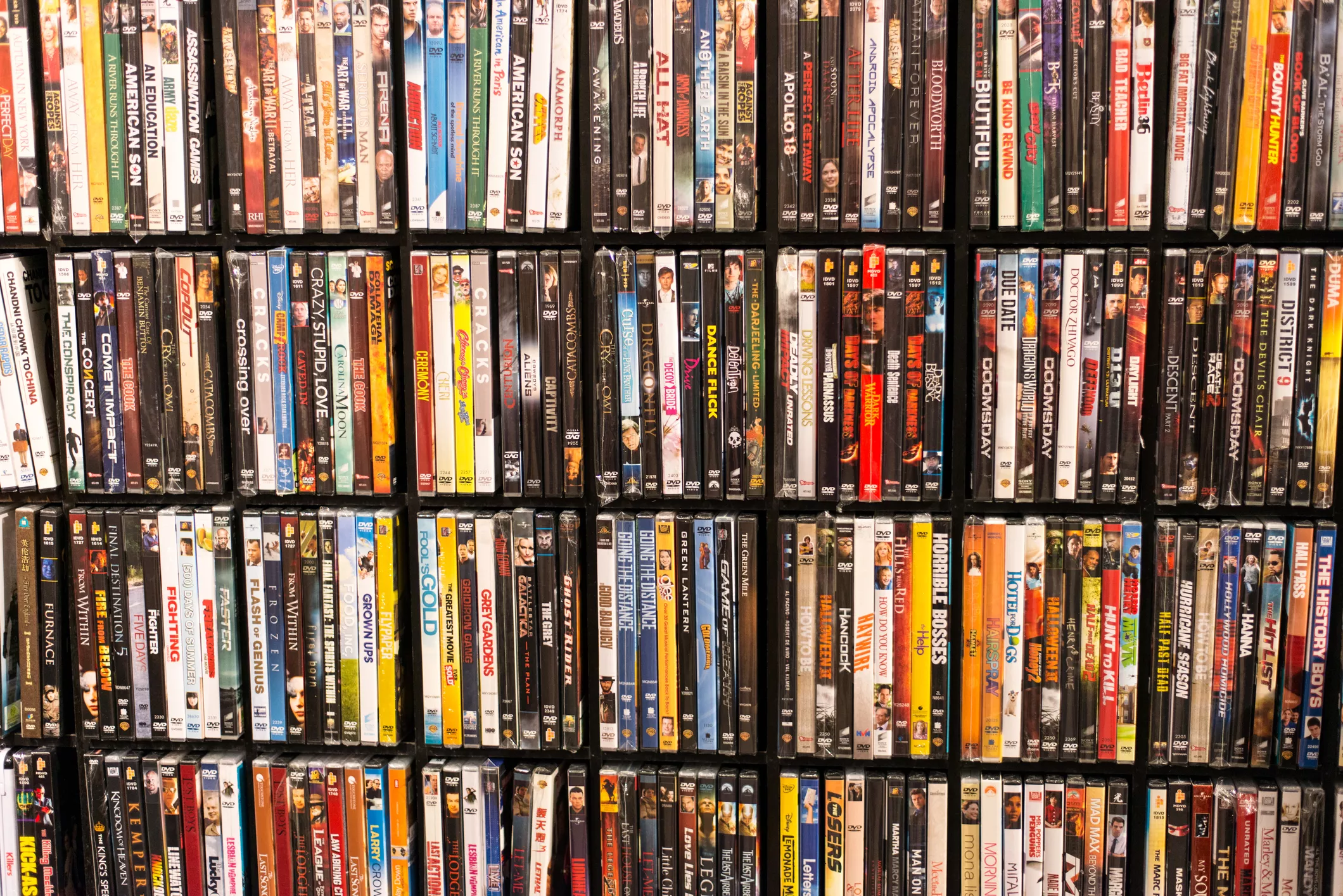
In April of 2011, venerable independent video store Waterfront Video announced that it would close its Middlebury location. Though the locally owned shop held out longer than did most mom-and-pop video stores, the rising tide of streaming video posed too serious an economic threat. About two years later, Waterfront closed its Burlington location, as well.
When, say, an insurance company closes, it might try to recoup a little money by selling off its desk chairs, file cabinets and binder clips. But when a video store closes, its owners are faced with the issue of what to do with the stock that defined it as a business: movies.
Waterfront was fortunate in that it found a buyer for its videos and DVDs. But the current owner of that collection now finds herself, in turn, stuck with 12,000 DVDs that she's been unable to unload. Which is why it is selling off, for $5 apiece, all the former Waterfront DVDs at two upcoming weekend sales.
Tags: dvds , waterfront video , HOPE center , middlebury , video , Image , Web Only
Saturday, August 16, 2014
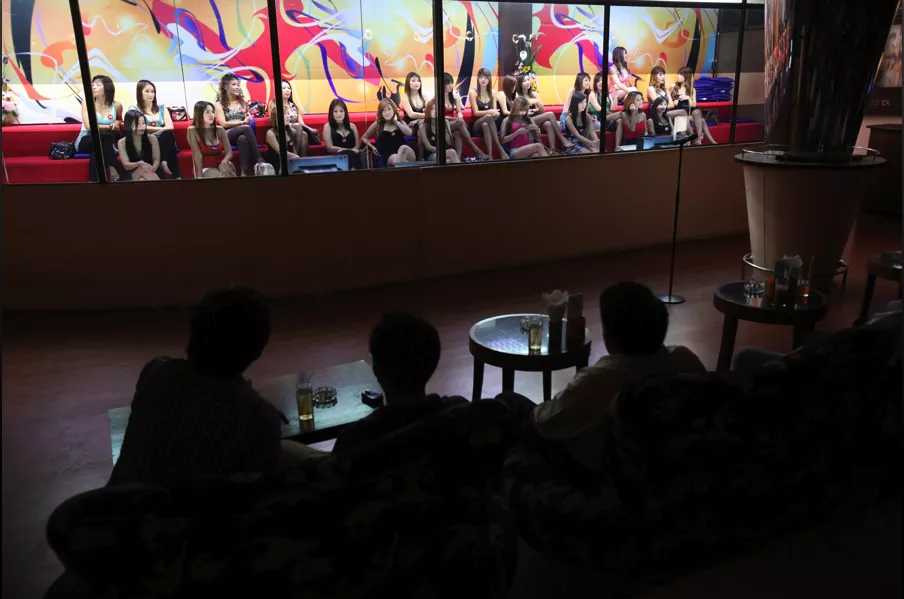
Like so many other art movements, cinéma vérité arose from changes in the tools and techniques used in the construction of art. Just as the great masterworks of Renaissance painting could not have been made until someone figured out how to suspend pigments in linseed oil, cinéma vérité could not have existed until cameras became lighter in weight.
We have World War II to thank (indirectly) for this advance: The cameras used by cinéma vérité filmmakers were descendants of those used on the battlefield. Many of these cameras sported newly developed zoom lenses, which allowed filmmakers to take images from a variety of distances without any cumbersome, time-consuming lens-swapping.
Tags: film , movie , what i'm watching , whores' glory , documentary , cinéma vérité , michael glawogger , handheld camera , Image , Web Only