

Tuesday, November 3, 2015

Shakshuka is a simple, stove-top dish of eggs poached in tomato sauce. A breakfast standard in the Middle East and North Africa, it's one of those traditional comfort foods that lies at the intersection of easy-to-make and impressive-to-look-at. Tangy and spicy and rich with aromatic spices, it's an excellent wake-up call, but I'd eat it for dinner, too.
As for ingredients, it's kind of an every-season dish: great in summer and fall when tomatoes are ripe, peppers fresh and laying hens are popping out eggs by the dozen. We're at the tail end of tomato season now, but many farms — including my local favorite, 4 Corners Farm in Newbury — still have vines fruiting in greenhouses. So I used fresh tomatoes and peppers (and eggs from Betseyfield Farm in the Intervale).
When the summer produce quits, you can swap the freshies for canned tomatoes and hold the bell peppers; the recipe is still very doable and really just as tasty. Many versions call for tomato paste, so if you like a denser sauce, you can add a tablespoon or two. You could also add a teaspoon or so of harissa, if available.
The recipe below is made for one, but it's endlessly multipliable, provided you own a skillet large enough to accommodate eggs for a crowd.
Tags: Shakshuka , breakfast , recipe , eggs , tomatoes , spices , chiles , Image , Web Only
Tuesday, October 27, 2015

Everyone in the Vermont tree-fruit world is talking about it: 2015 has been a historic year for apples. Though we're well into the frost zone and most of the season's apples have been picked, orchardists are still pressing cider by the tanker and we'll have it in stores well into winter.
One of my favorite uses for fresh cider is as a cocktail mixer. Served warm or cold, the sweet, homey flavor of apple blends beautifully with rum, brandy or whiskey. But what about gin?
Tags: Cocktails , recipe , gin fizz , cider syrup , Image , Web Only
Tuesday, October 20, 2015

It took me a while to admit that I can't really stand the stuff. It's slightly sweet, but not actually sweet; a little vegetal, but not really; vaguely tart, but not enough to pucker over ... Its flavor is neither weak nor strong, but just generally noncommittal. And the texture's nothing to write home about.
But what if we concentrated its flavor by boiling it down to its very essence? What if we filled the plant's cells with sugar until its flesh became stiff and, if not exactly crispy, brittle enough to break in half when bent? And what if we did so with enough extra syrup to encase the candied stems in toffee?
Then, it's not so bad ... Not bad at all, actually. Just beware your dental work, as this brittle is sticky business!
Tags: Swiss chard brittle , candy , recipe , desserts , Image , Web Only
Tuesday, October 13, 2015

So, pudding. Here's one that's a cinch to prepare, super simple and made with ingredients whose natural sugars add up to a dessert that's sweet but not cloying, smooth and rich and light as a feather. Also, it's vegan and gluten-free, so pretty much anyone can eat it.
Tags: Delicata squash , pudding , vegan , gluten-free , coconut milk , recipe , Image , Web Only
Tuesday, October 6, 2015

I'd chosen some of the peppers — long, flat, straight ones from Cedar Circle Farm in Thetford — with an eye toward stuffing them. I like to stuff peppers on weekends, when I have a time to relax in the kitchen, and I like making them for guests, because for whatever reason, they feel like a special treat. I made something similar for a friend's goodbye dinner party exactly one year ago.
But there's more than one way to stuff a pepper — cooks from Europe to the Middle East to Latin America do so with aplomb. My base recipe is vaguely Latin American, mostly veggies with some kind of ground meat (or beans) and a little egg or starch to bind it all together. The trick is to use a blend of soft-fleshed cultivars (peppers, mushrooms, tomatoes, eggplant, etc.) and firmer ones (squash, carrots, cabbage, other roots).
Tags: Chiles Rellenos , recipe , Stuffed peppers , mushrooms , pork , Image , Web Only
Tuesday, September 29, 2015

At restaurants, chefs employ prep cooks to ready ingredients in advance. When an order comes up, the line cooks assemble the dish — usually in 10 minutes or fewer. How — and to what degree — ingredients are prepped depends on the restaurant, but at Chez Hannah, I keep things pretty simple, preparing several portions' worth of base ingredients (rice, beans, pasta, sautéed greens) for later use.
This weekend, I made two pounds of pasta and, last night, my quickie go-to pasta. It's basically kids' buttered noodles with grown-up additions, AKA whatever you have in your fridge. I used herbs from my garden, wild pear-shaped puffball mushrooms, garlic and some local hard cheese for which I long ago lost the label.
Tags: pasta , wild mushrooms , quick dinner , recipe , Image , Web Only
Tuesday, September 22, 2015

Of all the cookbooks I own, Jenny McGruther's The Nourished Kitchen is my go-to when it comes to seasonal produce. In it, McGruther offers recipes for every meal of the day, using every imaginable fruit and vegetable. And there is an entire section on pickling and preserving, with a focus on fermented rather than vinegar-based pickles.
McGruther's fermenting brine is simple: Four cups water plus two tablespoons unrefined sea salt. (The unrefined part is important, as many table salts contain iodine and other minerals that can mess with the delicate chemical balance ideal for fermentation.)
To make a pickle: simple, too. Heat the brine to about 100 degrees — "so it feels neither hot nor cold when you touch it," she writes — and pour it over whatever you like until all the vegetables are, and stay, submerged. Seal in an airtight container and wait a month or so. When you open the jar, your brined vegetables will have transformed into sour, salty, probiotic pickles — provided you follow a few easy rules.
1. The vegetables must remain submerged in the brine.
2. If you are using jars with rings and lids (like those pictured above), you must "burp" the jar to release the gas produced during fermentation — or your jars may well explode. This means opening the jar briefly and watching the bubbles escape, which is also a great time to make sure your vegetables are still fully submerged. Depending on how active your ferment is, you'll need to do this once or twice daily, so check as often as you think of it. A good way to tell is to push on the top of the sealed jar. If it's firm, it needs to be burped. If it clicks down easily, it can probably wait.
Tags: Pickled Peppers , Fermentation , Vegetables , recipe , Image , Web Only
Tuesday, September 15, 2015

Now is the time to ferment and pickle, freeze and bake, preserving the harvest for cooler days. Make pesto from those basil bushes and freeze it! You most certainly won't regret it, come January, when basil comes cased in plastic from California.
A single casserole like the one I made this morning — not quite ratatouille, nor Parmesan (as in chicken or eggplant) — can feed a small family for days and makes quick work of garden excess. Use whatever fleshy veggies you've got — I made mine with eggplant, pepper and squash (though I pined for a fat, ripe tomato). Roast them first to bring out their sweetness, then layer them into a casserole dish with pesto. Serve alone as a side, or over pasta, crusty bread or eggs or roasted potatoes.
Tags: Basil pesto , baked vegetables , late garden harvest , recipe , Image , Web Only
Tuesday, September 1, 2015
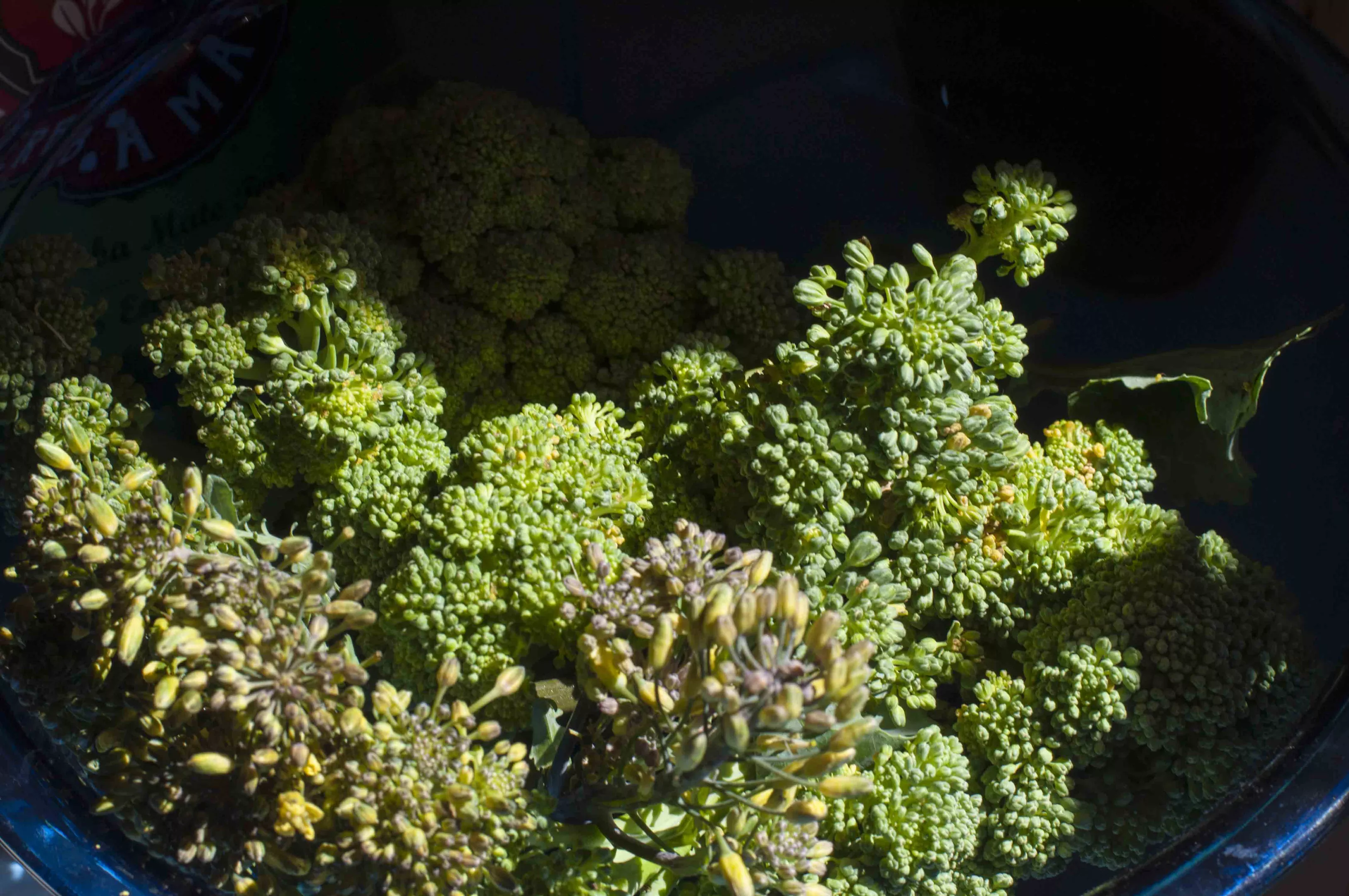
I rarely miss the city, but I do miss those scones, and I've yet to find anything comparable.
But the beauty of scones is that they can go sweet or savory, and you can add anything to them. This morning, I recalled a New York Times article from Julia Moskin a year or so back: "Biscuits and scones sometimes seem to be from different planets, but they share a buttery, tender flakiness and the versatility that makes them a cornerstone recipe," she writes, before elaborating on exactly how they're so similar.
Tags: Savory scones , Recipes , Broccoli , Cheddar , recipe , Image , Web Only
Tuesday, August 25, 2015

The day had other plans. The morning dawned dark, sky churning shades of gray from slate to pale blue-silver. By 10 a.m. the clouds opened up, soaking any hope of going anywhere. But I had half a dozen ears of corn sitting on the counter, where they'd been languishing for days, fast losing sweetness.
Tags: Fritters , corn , zucchini , recipe , Image , Web Only